The best running trails around Loch Callater
4.7
(3)
258
runners
14
runs
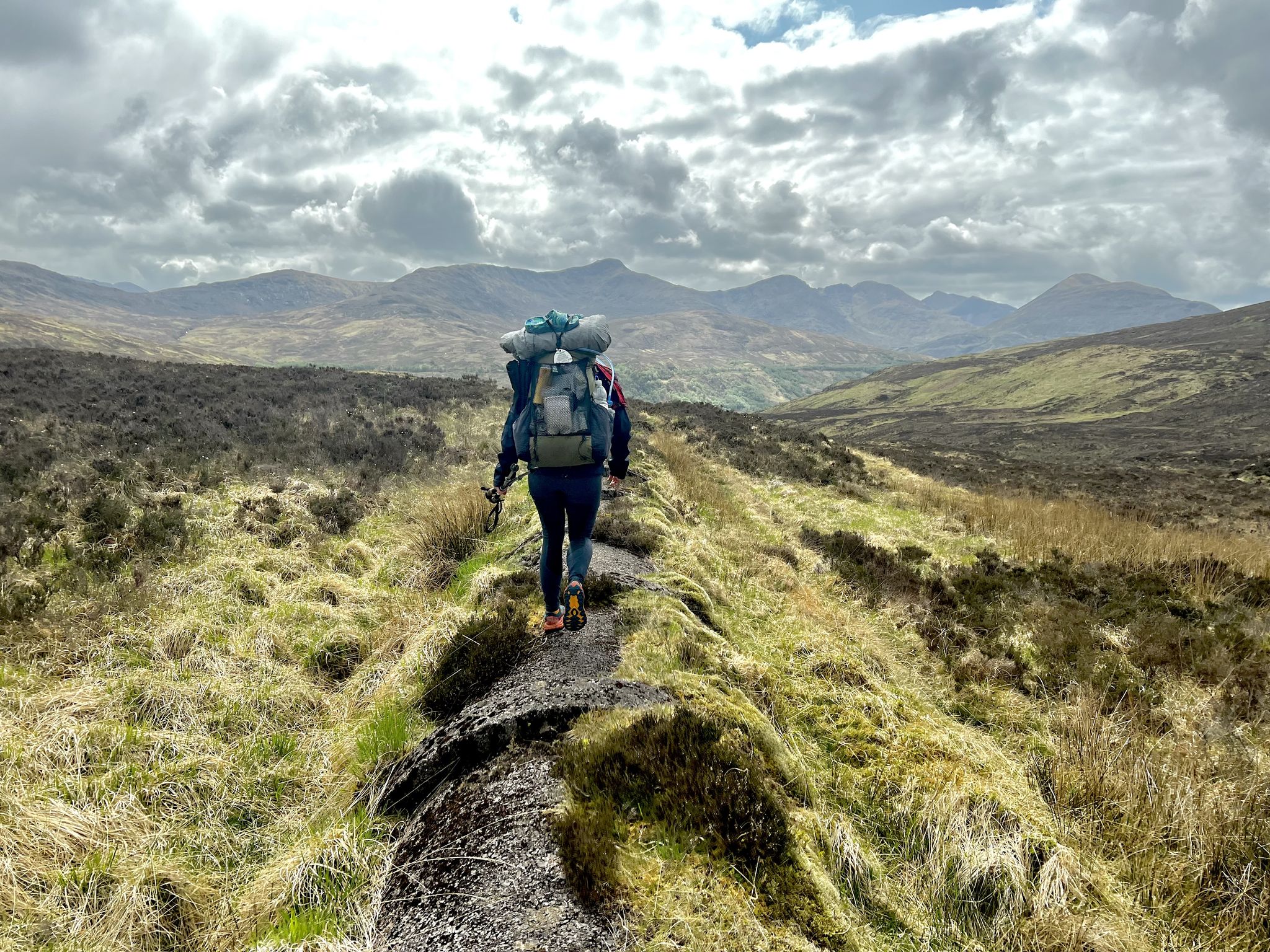
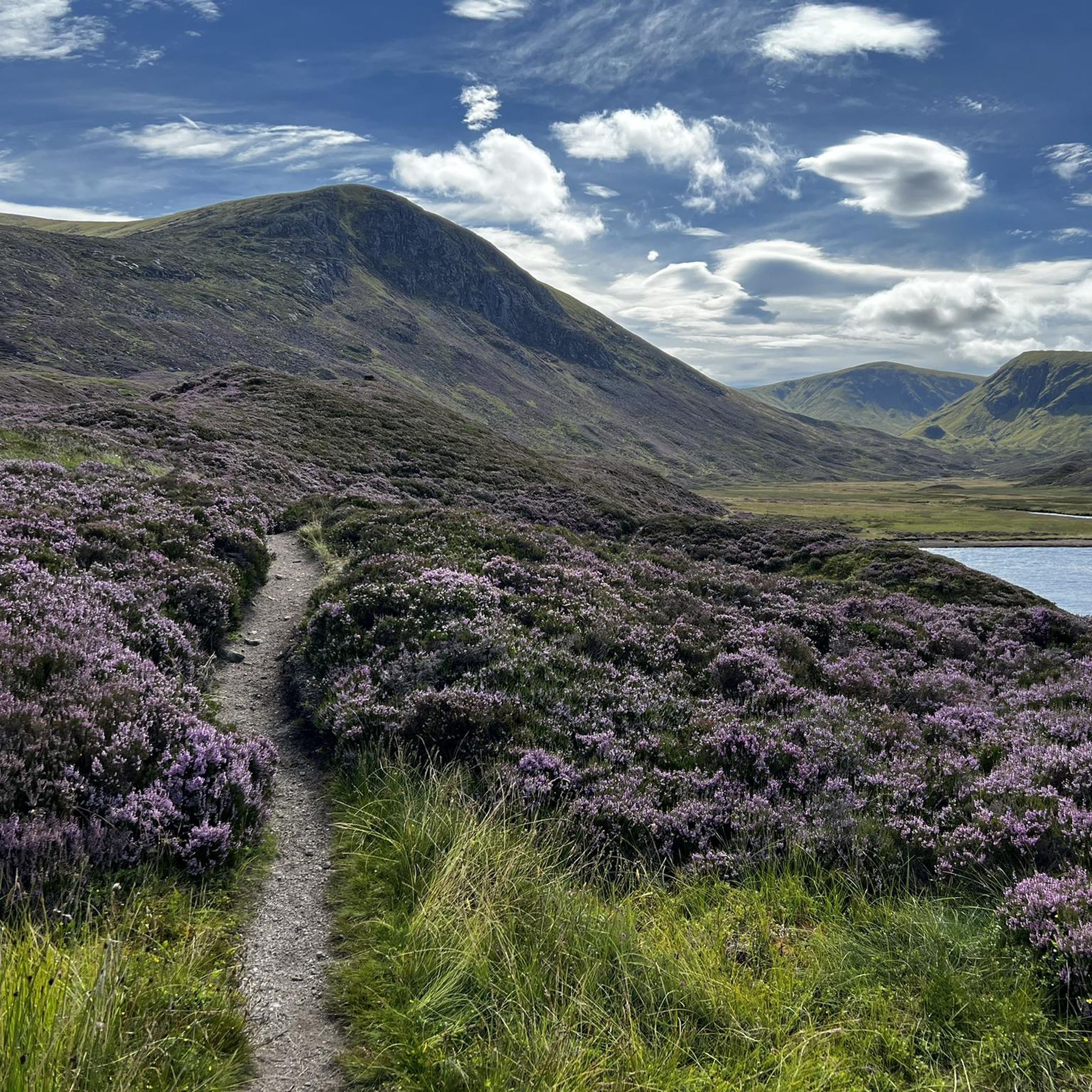
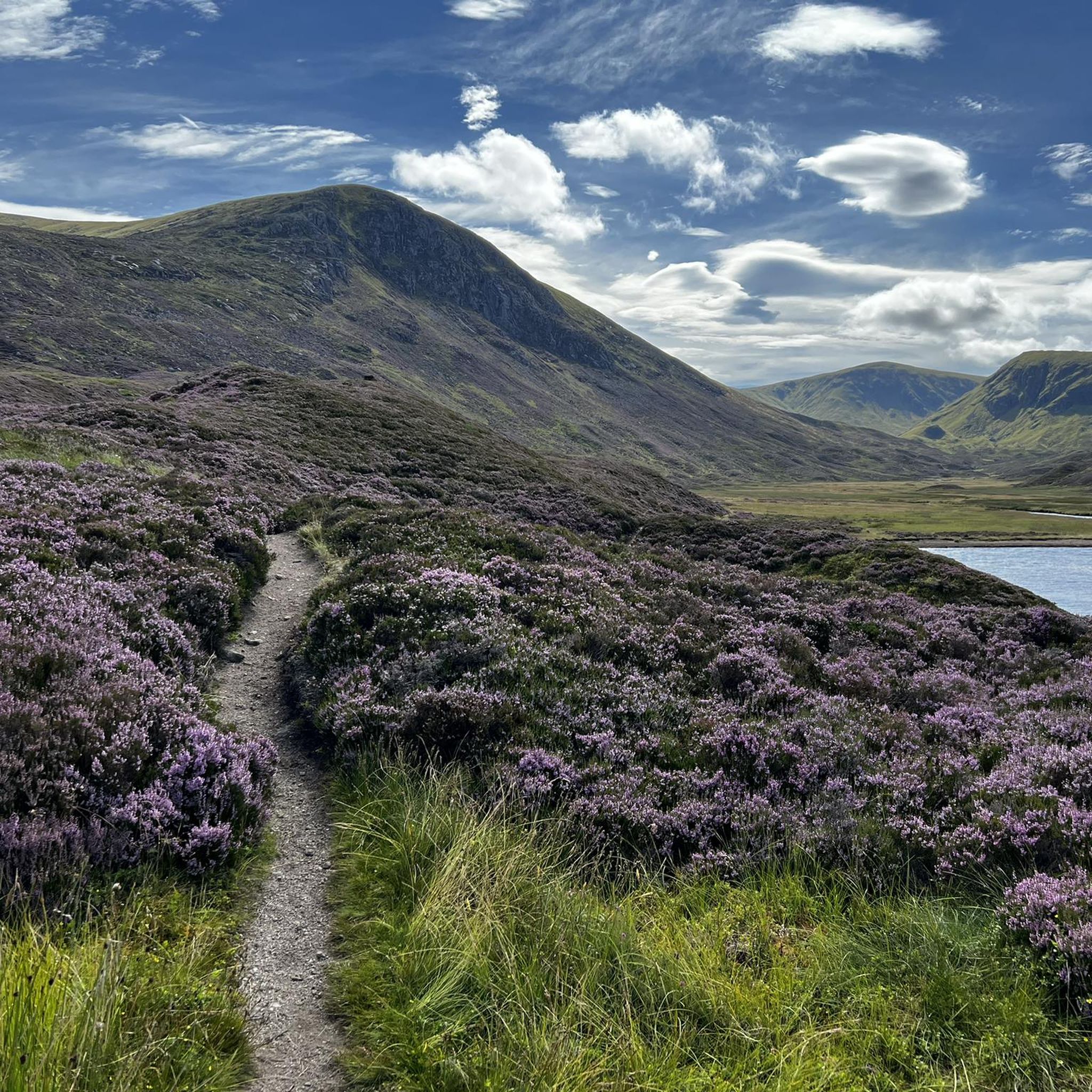
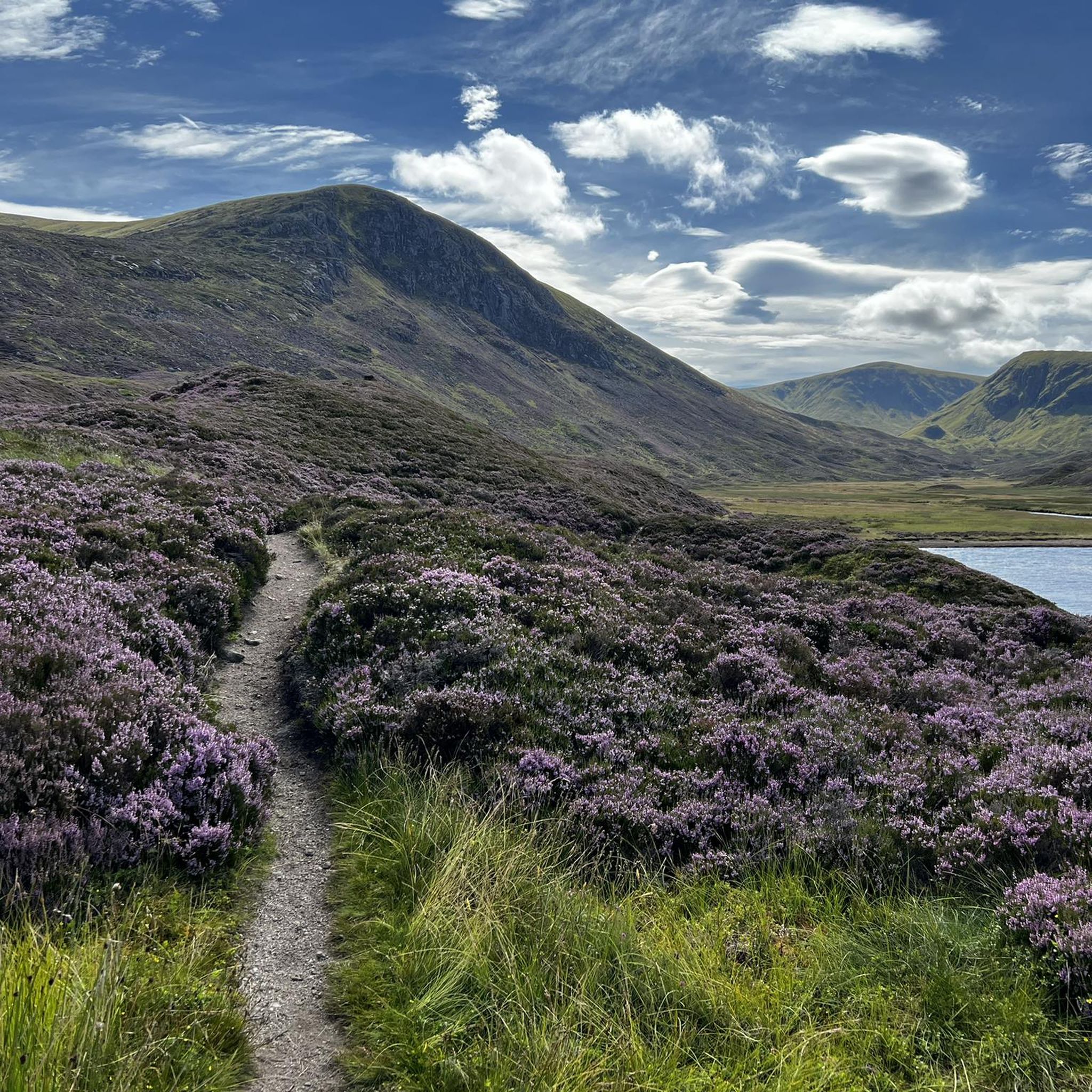
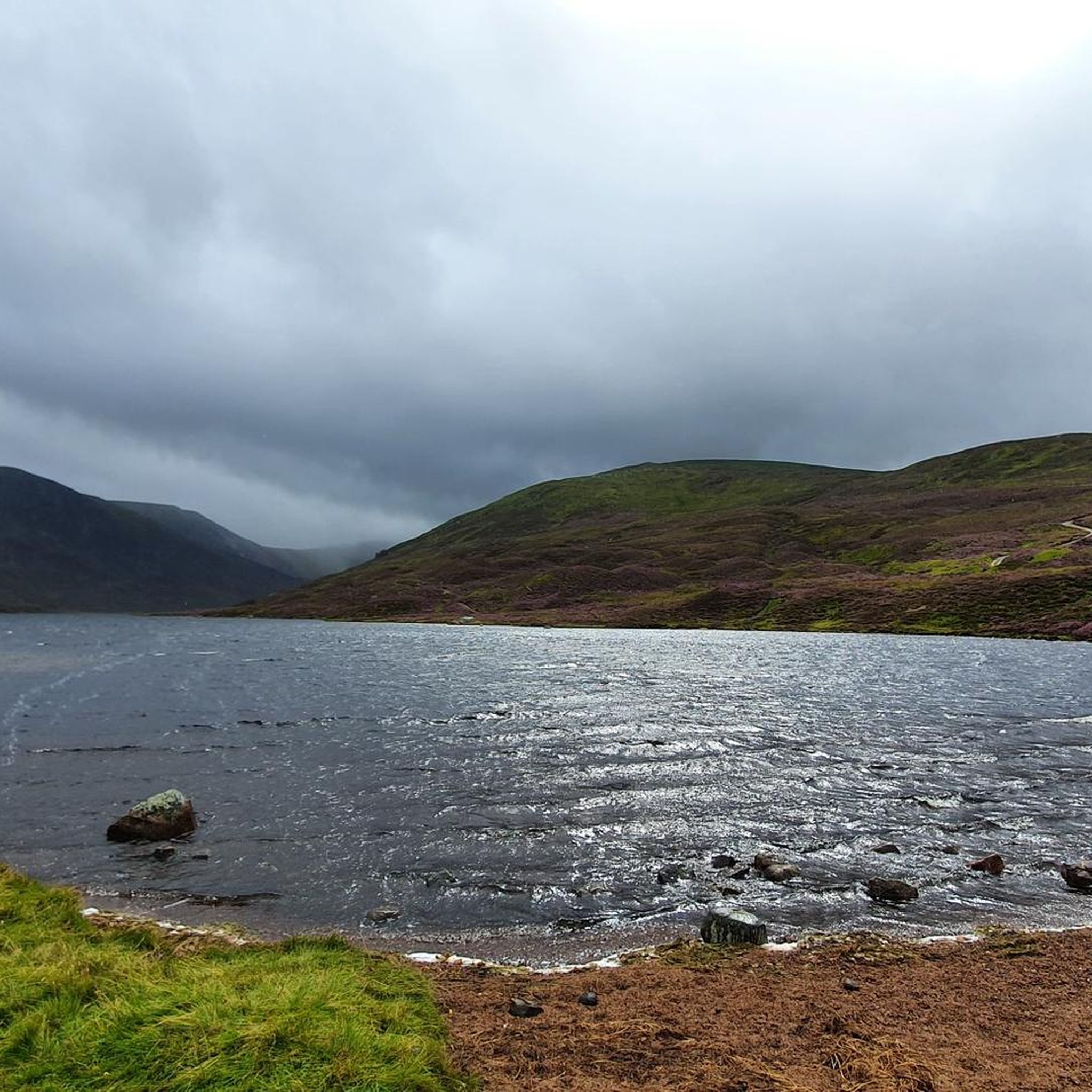
Jogging around Loch Callater offers routes through varied terrain in the Scottish Highlands. The region features a prominent loch, surrounding hills, and river valleys, providing diverse landscapes for running. Trails often traverse open moorland and follow watercourses, with some routes leading to higher elevations. The area provides a mix of challenging ascents and more gentle paths along the lochside.
Best jogging routes around Loch Callater
- The most popular jogging route is Callater Bridge – Cairn Bannoch Summit loop from Glen…
Last updated: May 12, 2026
4
runners
32.1km
04:49
1,470m
1,470m
Hard run. Very good fitness required. Mostly paved surfaces. Suitable for all skill levels.
11
runners
8.62km
01:00
230m
230m
Moderate run. Good fitness required. Mostly paved surfaces. Suitable for all skill levels.

Sign up for free
5.0
(1)
24
runners
6.15km
00:42
40m
40m
Moderate run. Good fitness required. Mostly paved surfaces. Suitable for all skill levels.
10
runners
3.99km
00:29
70m
70m
Easy run. Great for any fitness level. Mostly paved surfaces. Suitable for all skill levels.
6
runners
4.31km
00:27
20m
20m
Easy run. Great for any fitness level. Mostly paved surfaces. Suitable for all skill levels.
Get access to more routes and recommendations from other explorers.
Sign up for free
Already have an account?
Our route recommendations are based on thousands of hikes, rides, and runs completed by other people on komoot.
Start today with a free account
Your next adventure awaits.
Login or Signup

Other adventures around Loch Callater

Tips from the Community

This is not (yet) the river Dee, but Clunie Water: Clunie Water is a river in Aberdeenshire, Scotland, originating from headstreams on the northern slopes of Cairnwell in the Grampian Mountains and flowing northward through Glen Clunie to join the River Dee at the village of Braemar. This waterway, part of the broader River Dee catchment, receives tributaries such as the Baddoch Burn and Callater Burn along its course, contributing to the hydrological system of the region. Designated as a protected water body within the River Dee Special Area of Conservation (SAC), Clunie Water supports diverse aquatic ecosystems and is classified under drinking water protection zones, highlighting its environmental significance in northeastern Scotland. The river's path through rugged Highland terrain makes it a notable feature for local hydrology, recreation, and conservation efforts. Source: grokipedia
0
0


The small history walking tour signs are well worth following around Braemar if you have time. This castle was once home to Macduff - Thane of Fife who was responsible for killing Macbeth
0
0

Interesting exhibition in the nearby centre.
0
0
Pleasant bridge with adjacent seating for that well-earned break.
0
0

This authentic building immediately caught our eye when we visited Braemar. It was truly remarkable to see.
3
0
Frequently Asked Questions
How many running routes are available in the Loch Callater region?
There are 18 dedicated running routes around Loch Callater. These trails offer a variety of experiences, from gentle lochside paths to challenging ascents into the surrounding hills.
How challenging are the running routes around Loch Callater?
The routes vary significantly in difficulty. You'll find 2 easy routes, 7 moderate options, and 9 difficult trails. For instance, the Callater Bridge – Cairn Bannoch Summit loop from Glen Callater is a difficult 19.9-mile trail with significant elevation gain, while the St. Margaret's Church loop from Braemar is an easy 2.5-mile option.
Are there any easy running trails suitable for beginners?
Yes, beginners can enjoy routes like the St. Margaret's Church loop from Braemar, which is 2.5 miles long with minimal elevation, or the Braemar Highland Games Centre – River Dee loop from Braemar, a 2.7-mile easy route along the river.
What options are available for experienced runners seeking a challenge?
Experienced runners will find plenty of challenging options, particularly those involving higher elevations. The Callater Bridge – Cairn Bannoch Summit loop from Glen Callater is a demanding 19.9-mile trail that includes a significant climb to Cairn Bannoch Summit.
Can I find circular running routes in the Loch Callater area?
Yes, many of the running routes around Loch Callater are circular, offering varied scenery without retracing your steps. Examples include the challenging Callater Bridge – Cairn Bannoch Summit loop and the moderate Descent to Invercauld – S1 Flowy Trail loop.
Are the running routes around Loch Callater dog-friendly?
Many trails in the Scottish Highlands are suitable for dogs, but it's essential to keep them under close control, especially near livestock or during ground-nesting bird seasons. Always check local signage and be mindful of wildlife. The open moorland and river paths generally offer good conditions for running with dogs.
Are there family-friendly running options near Loch Callater?
For families, easier and shorter routes are ideal. The River Dee – Kindrochit Castle Ruins loop from Braemar is a moderate 3.8-mile trail that passes historical ruins, offering an engaging run for families. Shorter, easy loops around Braemar are also suitable.
What interesting landmarks or sights can I see along the running trails?
Several routes offer scenic views and historical points of interest. For example, the River Dee – Kindrochit Castle Ruins loop from Braemar takes you past the historic Kindrochit Castle Ruins. The region itself is known for its dramatic Highland landscapes, including the prominent Loch Callater and surrounding hills.
When is the best time of year to go running around Loch Callater?
Spring and autumn often provide the most pleasant running conditions with cooler temperatures and beautiful scenery. Summer can be lovely but may bring midges, while winter offers a stark beauty but requires appropriate gear for potentially challenging conditions like snow and ice on higher trails.
What do other runners enjoy most about the trails in Loch Callater?
The running routes in Loch Callater are highly rated by the komoot community, with an average score of 4.8 stars. Runners often praise the diverse landscapes, from lochside paths and river valleys to challenging moorland hills, and the sense of wilderness in the Scottish Highlands.
Is there parking available near the running trails?
Parking is generally available at common starting points for trails, particularly near villages like Braemar or designated car parks for popular access points to the glens. It's advisable to check specific route descriptions for detailed parking information.
How can I reach the Loch Callater running routes using public transport?
Public transport options to the Loch Callater area are limited but available. Buses serve Braemar, which is a common starting point for many routes. From Braemar, some trailheads might be accessible on foot or require a short taxi ride. Always check current bus schedules in advance.
Most popular routes around Loch Callater

Get inspired with the komoot mobile app


Explore more
Browse the best Running Trails & Routes in other regions.
