Attractions and Places To See around Glebe - Top 5
Best attractions and places to see around Glebe offer a diverse range of sites, blending historical charm with natural beauty. Glebe is known for its unique character, leafy streets, and a strong sense of community. The area features significant historical landmarks, natural features like foreshore walks, and cultural sites, providing a variety of experiences for visitors.
Best attractions and places to see around Glebe
- The most popular attractions is Mountjoy Castle, a historical site that consists of small castle…
Last updated: June 24, 2026
Mountjoy Castle
Highlight • Historical Site
Translated by Google •
Tip by

Ardboe High Cross
Highlight • Religious Site
Tip by

Sign up now to discover places like this
Get recommendations on the best single tracks, peaks, & plenty of other exciting outdoor places.
Sign up for free
The Battery Marina
Highlight • Rest Area
Tip by
Tullaghoge Fort
Highlight • Natural Monument
Tip by
Derryloran Old Church Ruins and Cemetery
Highlight • Religious Site
Tip by
Start today with a free account
Your next adventure awaits.
Login or Signup
Popular around Glebe
Tips from the Community

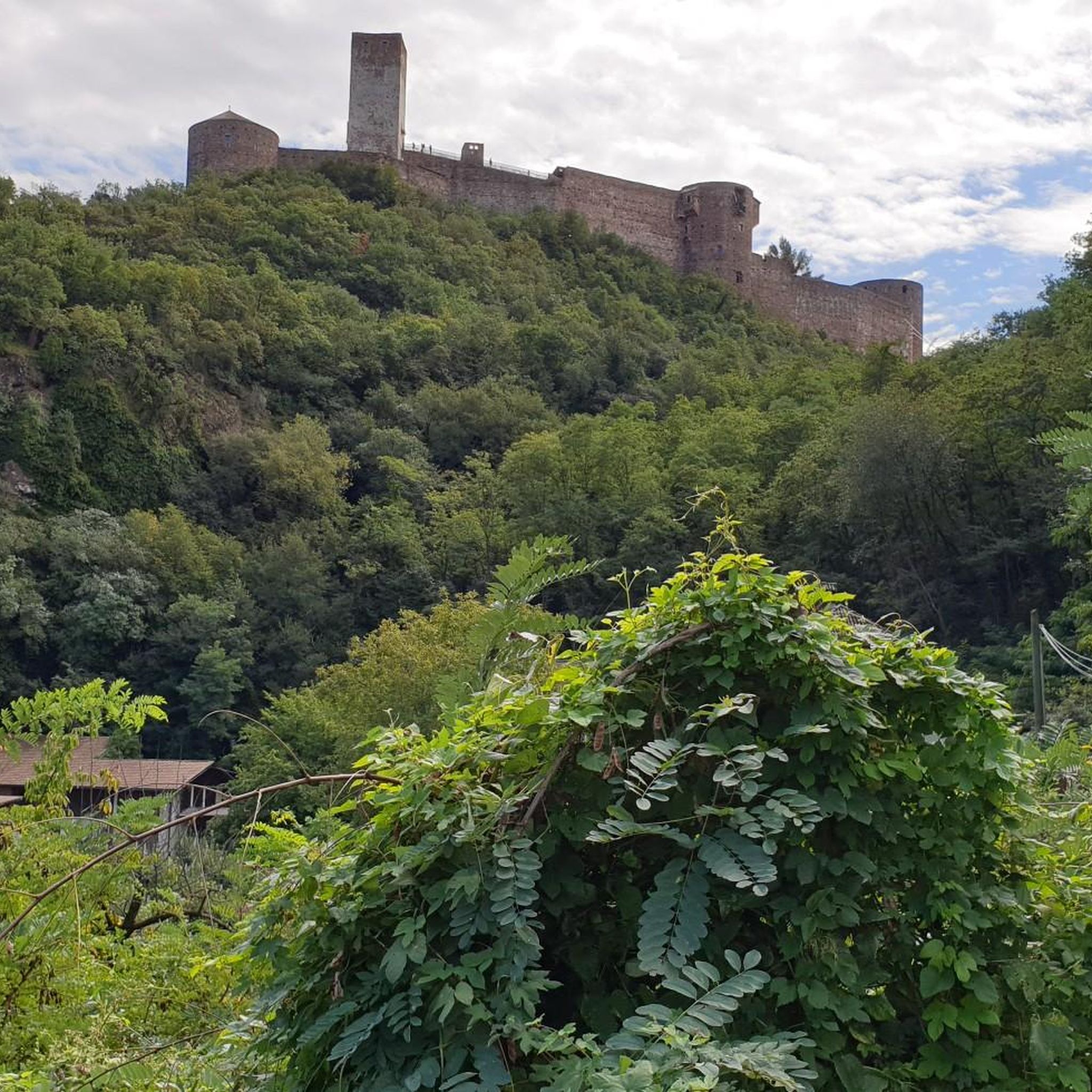
On the banks of Lough Neagh, near the village of Brockagh, you will find the impressive ruin of Mountjoy Castle. This castle was built between 1602 and 1605 by Lord Mountjoy and served at the time as a crucial military stronghold during the turbulent years of the Nine Years' War. Unique is the special combination of building materials: the lower floor is constructed from rough natural stone, while the upper floor consists of locally fired red brick. Although the castle has been a ruin since 1648, the central block and the characteristic arrow-shaped corner towers are still clearly recognizable in the landscape.
8
0

In the shadow of Northern Ireland's vast skies, the mysterious Mountjoy Castle rises on a hill above Lough Neagh. This ruined castle, whose Irish name "Caisleán Mhuinseo" whispers into the wind, stands like a proud sentinel in the village of Mountjoy, County Tyrone. The castle was built in 1602 by order of Charles Blount, 1st Earl of Devonshire and 8th Baron Mountjoy. But times have not always been kind to this building: as early as 1643, a devastating fire left scars on the walls of the castle. What remained is a two-story brick building with the ground floor clad in stone. The architecture speaks of a time of defense and vigilance - a central rectangular block protected by four spear-shaped towers, crisscrossed by embrasures. The north-western tower testifies to the fragility of time - partially collapsed, while the western curtain wall has lost its presence. The entrance, once on the south side of the eastern curtain wall, seems to whisper stories of days gone by, while wide windows on the upper floor capture the eyes of visitors. Unfortunately, an extension at the back keeps some of the castle's secrets hidden, and the interior area is closed to visitors' eyes. But even in its ruined state, Mountjoy Castle embodies the soul and history of Northern Ireland. Not only is it a State Care Historic Monument in the townland of Magheralamfield in the Mid Ulster District, but it is also a silent testament to time, inviting every walker to pause for a moment and listen to the whispers of history.
4
0

The church ruins date from the early 16th century but include stones from a much earlier pre 11th century church. After a new church was built, this one fell into disrepair, but the graveyard remains in use.
0
0
An important historic site, Tullyhogue Fort is where the O'Neills were crowned the Chiefs of Ulster. It is now planted with trees and you can enjoy views across the countryside of County Tyrone.
0
0
Near the banks of Lough Neagh stands Ardboe High Cross. Take a close look at the carvings on the cross which represent both the Old and New Testament. A monastery was founded here in the 6th century by St Colman and legend has it that it was created by the milk of a magic cow. Ardboe means hill of the cow, so who knows!
2
0
A little waterside detour will take you to visit The Battery, a marina on Lough Neagh. You can grab at drink at the Battery Bar or take a seat on one of the many picnic benches and breathe in the peace and calm.
1
0

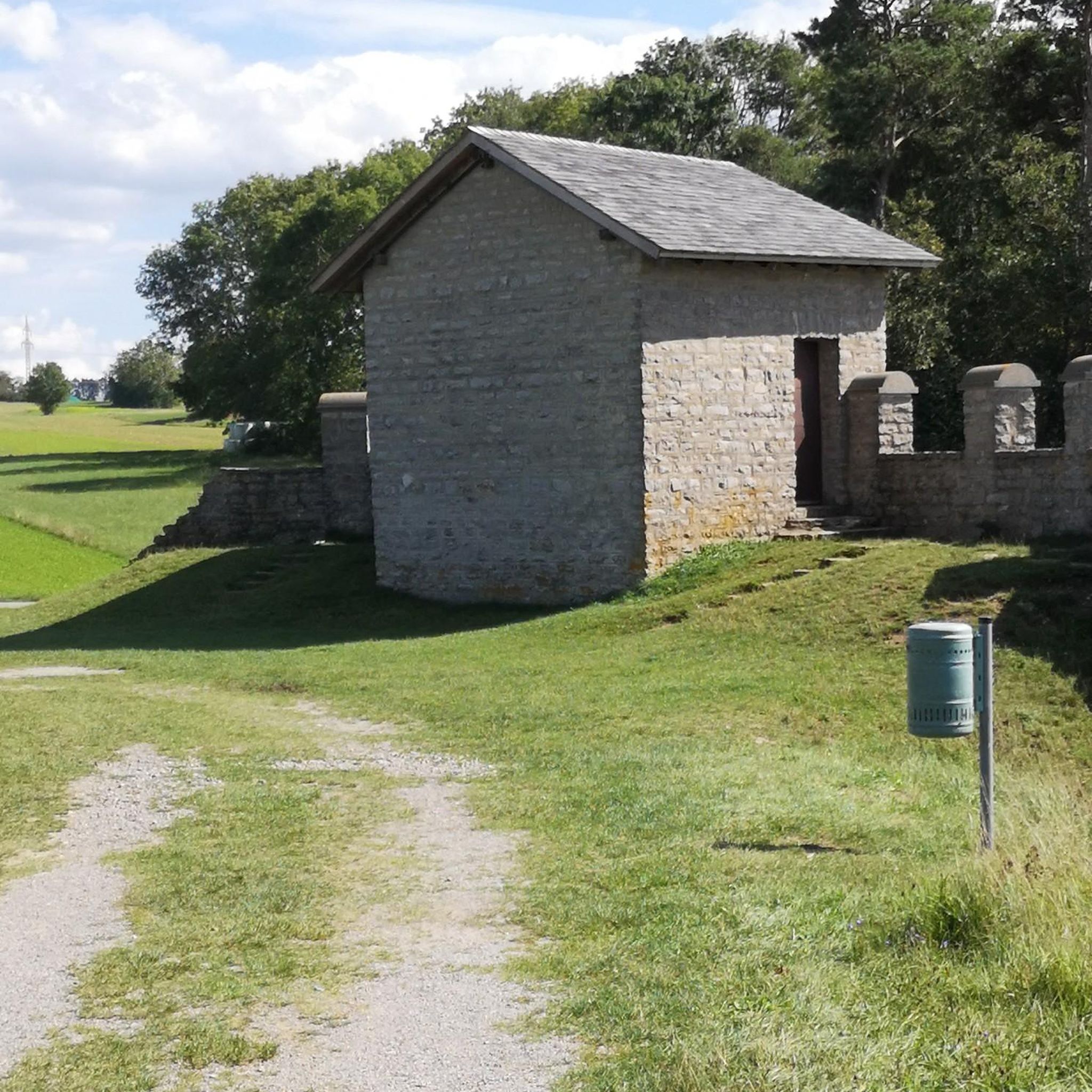
Small castle ruins. Unfortunately not accessible inside and "reared" from behind.
8
0
Frequently Asked Questions
What natural attractions can I explore in Glebe?
Glebe offers several beautiful natural spaces. The Glebe Foreshore Walk is a major attraction, stretching 4km from Bicentennial Park to Blackwattle Bay, providing spectacular views of the Sydney skyline. You can also enjoy Jubilee Park and Blackwattle Bay Park, both offering open spaces, picnic areas, and scenic views of Rozelle Bay and the Anzac Bridge.
Are there historical landmarks to visit in Glebe?
Yes, Glebe is rich in history. Notable landmarks include the heritage-listed Glebe Town Hall, Glebe Post Office, and St. John's Anglican Church. The Rozelle Tram Depot (Tramsheds), a redeveloped dining precinct, is Sydney's largest remaining tram depot. You can also find impressive Victorian cottages and terraces throughout the suburb.
What cultural experiences does Glebe offer?
Glebe provides a diverse cultural scene. Visit the serene Sze Yup Temple for a glimpse into the area's Chinese heritage. The Chau Chak Wing Museum at the University of Sydney (adjacent to Glebe) offers free entry to fascinating art, science, and history exhibits. For literary enthusiasts, Gleebooks and Sappho Books Cafe & Wine Bar are local institutions.
Where can I find unique shopping experiences in Glebe?
Glebe Point Road, the main thoroughfare, is bustling with boutiques and unique stores. For a truly distinctive experience, visit Orient House, which showcases global decorative pieces and tribal treasures.
Are there any markets in Glebe?
Yes, the vibrant Glebe Markets are held every Saturday at Glebe Public School. With over 200 stalls, you can find arts, crafts, clothing, vintage items, homewares, and a variety of food.
What are the options for dining and nightlife in Glebe?
Glebe offers a wide selection of eateries and bars. You can find diverse cuisine, from Thai at Khao Hom Thai to modern Australian dishes at Glebe Point Diner. For pubs and socialising, popular spots include The Toxteth Hotel, Nag's Head Hotel, and The Charleston.
Is Glebe suitable for family outings?
Absolutely. The Glebe Foreshore Walk and parks like Jubilee Park offer open spaces for children to play. The Chau Chak Wing Museum provides engaging exhibits for all ages, and the Glebe Markets can be a fun family experience.
Are there dog-friendly places in Glebe?
Yes, Glebe is very dog-friendly. The Glebe Foreshore Walk allows off-leash access for dogs in designated areas. Blackwattle Bay Park is also a popular dog-friendly spot with unimpeded public access.
How can I get around Glebe's attractions using public transport?
Glebe is well-served by public transport, being just southwest of Sydney's CBD. Buses frequently run along Glebe Point Road, connecting to various attractions and the city center. The Rozelle Tram Depot (Tramsheds) is also accessible via light rail.
What are the best walking trails in Glebe?
The premier walking trail is the Glebe Foreshore Walk. This 4km path offers stunning views of the Sydney skyline and harbour, linking several parks and open spaces. It's suitable for pedestrians and cyclists, providing a relaxing way to experience the area's natural beauty.
Are there any viewpoints in Glebe offering scenic views?
Yes, the Glebe Foreshore Walk provides spectacular views of the Sydney skyline and harbour. Jubilee Park and Blackwattle Bay Park also offer scenic vistas of Rozelle Bay, the Anzac Bridge, and the city skyline, perfect for enjoying the waterfront.
What is the best time of year to visit Glebe?
Glebe is enjoyable year-round, but spring (September to November) and autumn (March to May) offer pleasant temperatures for exploring the foreshore walks and outdoor markets. Summer (December to February) can be warm, ideal for enjoying waterside views, while winter (June to August) is mild and suitable for indoor attractions like museums and cafes.
Most popular routes around Glebe

Get inspired with the komoot mobile app


Explore more
Still not found the Highlight you’re looking for? See guides of the top attractions in other regions:
