The best road cycling routes around Tullaghoge
421
riders
104
rides
Road cycling routes around Tullaghoge traverse a landscape characterized by rolling hills and rural roads in County Tyrone. The area features a mix of agricultural land, historical sites, and views towards Lough Neagh. Cyclists can expect varied terrain with moderate ascents and descents, suitable for road biking. The region offers routes that connect local villages and points of interest.
Best road cycling routes around Tullaghoge
- The most popular road cycling route is Mountjoy Castle loop from Cookstown, a 27.6…
Last updated: May 13, 2026
8
riders
44.4km
01:50
310m
310m
Moderate road ride. Good fitness required. Mostly well-paved surfaces and easy to ride.
6
riders
50.5km
02:07
320m
330m
Moderate road ride. Good fitness required. Mostly well-paved surfaces and easy to ride.

Sign up for free
7
riders
99.3km
04:25
880m
880m
Moderate road ride. Good fitness required. Mostly well-paved surfaces and easy to ride.
7
riders
127km
05:39
1,000m
1,000m
Hard road ride. Very good fitness required. Mostly well-paved surfaces and easy to ride.
6
riders
67.0km
02:59
530m
530m
Moderate road ride. Good fitness required. Mostly well-paved surfaces and easy to ride.
Get access to more routes and recommendations from other explorers.
Sign up for free
Already have an account?
Our route recommendations are based on thousands of hikes, rides, and runs completed by other people on komoot.
Start today with a free account
Your next adventure awaits.
Login or Signup
Popular around Tullaghoge

Tips from the Community

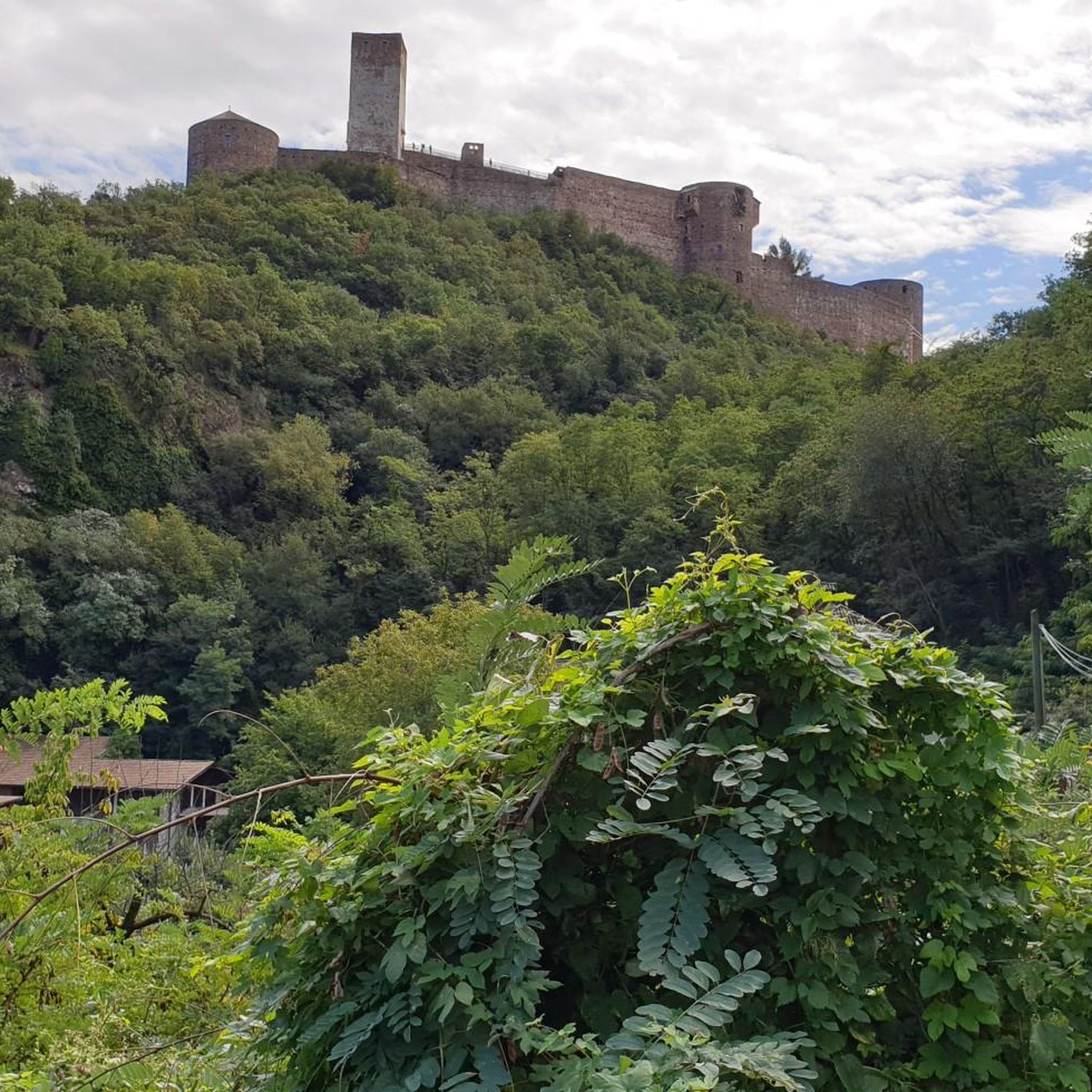
In the shadow of Northern Ireland's vast skies, the mysterious Mountjoy Castle rises on a hill above Lough Neagh. This ruined castle, whose Irish name "Caisleán Mhuinseo" whispers into the wind, stands like a proud sentinel in the village of Mountjoy, County Tyrone. The castle was built in 1602 by order of Charles Blount, 1st Earl of Devonshire and 8th Baron Mountjoy. But times have not always been kind to this building: as early as 1643, a devastating fire left scars on the walls of the castle. What remained is a two-story brick building with the ground floor clad in stone. The architecture speaks of a time of defense and vigilance - a central rectangular block protected by four spear-shaped towers, crisscrossed by embrasures. The north-western tower testifies to the fragility of time - partially collapsed, while the western curtain wall has lost its presence. The entrance, once on the south side of the eastern curtain wall, seems to whisper stories of days gone by, while wide windows on the upper floor capture the eyes of visitors. Unfortunately, an extension at the back keeps some of the castle's secrets hidden, and the interior area is closed to visitors' eyes. But even in its ruined state, Mountjoy Castle embodies the soul and history of Northern Ireland. Not only is it a State Care Historic Monument in the townland of Magheralamfield in the Mid Ulster District, but it is also a silent testament to time, inviting every walker to pause for a moment and listen to the whispers of history.
2
0
As you step through the magnificent gate, you will be enveloped by the timelessness of this historic place. The old walls, which shine in the sun, tell stories from times long past and invite you to discover them. The municipality has enriched this treasure trove of history with a library and a museum that attract knowledge seekers and history lovers. In the quiet rooms of the library you can leaf through old writings and be transported back to times gone by, while the museum brings the history of the place and its people to life. After a journey of discovery through history and culture, the Priorat's café beckons with its seductive scent of freshly brewed coffee. Here, in an ambience that wonderfully combines modernity and history, you can take a little time out. Choose from comfortable seating inside or settle on one of the terraces to soak up the rays while munching on delicious pastries. But the Priory has even more to offer. A dreamy little walkway winds from the building down to the river. A path lined with blooming flowers and old trees that acts as an invitation to explore this wonderful terrain in all its splendor.
2
0

Brantry Lough is a fantastic fishing lake situated just north of Creevelough in County Tyrone. The waters provide a great supply of brown trout that's stocked all year around bringing keen fishermen and their boats to the shores
0
0

Omagh is the county town of County Tyrone which plays host to a number of festivals and events throughout the year. A market town, there are plenty of places to stop to eat or drink and you can't fail to notice the twin spires of Sacred Heart Church.
2
0

Nice little cafe at Benburb Priory. Well worth a stop if you are in the area.
0
0
The church ruins date from the early 16th century but include stones from a much earlier pre 11th century church. After a new church was built, this one fell into disrepair, but the graveyard remains in use.
0
0
An important historic site, Tullyhogue Fort is where the O'Neills were crowned the Chiefs of Ulster. It is now planted with trees and you can enjoy views across the countryside of County Tyrone.
0
0
As you pedal along the bike path tracing the Camowen River, keep an eye out for the water rushing over the weir.
0
0
Frequently Asked Questions
How many road cycling routes are available around Tullaghoge?
There are over 110 road cycling routes around Tullaghoge, offering a wide range of options for different skill levels and preferences.
Are there easy road cycling routes suitable for beginners in the Tullaghoge area?
Yes, Tullaghoge offers several easy road cycling routes. You can find 14 routes specifically graded as easy, perfect for those new to road biking or looking for a relaxed ride.
What are some challenging road cycling routes near Tullaghoge?
For experienced cyclists seeking a challenge, there are 11 difficult road cycling routes around Tullaghoge. An example is the Drum Manor House Ruins – Brantry Lough loop from Cookstown, which covers over 126 km with significant elevation gain.
Are there long-distance road cycling routes available from Tullaghoge?
Yes, you can find several long-distance routes. The Sacred Heart Church, Omagh – Omagh Town Centre loop from Cookstown is a substantial 99.3 km ride, while the Drum Manor House Ruins – Brantry Lough loop from Cookstown extends to over 126 km.
What kind of terrain can I expect on road cycling routes around Tullaghoge?
Road cycling routes around Tullaghoge are characterized by rolling hills and rural roads within County Tyrone. You'll encounter varied terrain with moderate ascents and descents, passing through agricultural land and connecting local villages.
Are there scenic road cycling routes with good views in the Tullaghoge region?
Many routes offer scenic views, particularly those that traverse the rolling landscape. The Lough Neagh – View of Lough Neagh loop from Cookstown is a popular choice for its views of Lough Neagh and pleasant rural roads.
What historical landmarks can I see along road cycling routes near Tullaghoge?
The region is rich in historical sites. You can cycle past landmarks such as Mountjoy Castle, which is featured on the Mountjoy Castle loop from Cookstown. Other notable sites include Drum Manor House Ruins and Tullyhogue Fort.
Are there any circular road cycling routes starting near Tullaghoge?
Yes, all the featured routes in this guide, such as the Mountjoy Castle loop from Cookstown and the Castle Caulfield Ruins – Ballysaggart Lough loop from Cookstown, are designed as circular loops, bringing you back to your starting point.
What is the best time of year for road biking in Tullaghoge?
The spring and summer months (April to September) generally offer the most favorable weather for road cycling in Tullaghoge, with milder temperatures and longer daylight hours. Autumn can also be beautiful with changing foliage, though weather can be more unpredictable.
Where do most road cycling routes around Tullaghoge typically start?
Many road cycling routes in the Tullaghoge area, including popular ones like the Mountjoy Castle loop and the Lough Neagh – View of Lough Neagh loop, often start from Cookstown, a nearby town that serves as a convenient hub for exploring the region.
Are there any routes that pass by natural attractions or points of interest?
Beyond historical sites, routes often offer views of natural features like Lough Neagh. The Lough Neagh – View of Lough Neagh loop from Cookstown is a prime example, providing expansive views of the lough.
Most popular routes around Tullaghoge
Most popular attractions around Tullaghoge

Get inspired with the komoot mobile app


Explore more
Browse the best Road cycling routes in other regions.
