Attractions and Places To See around Chilton Foliat - Top 20
Best attractions and places to see around Chilton Foliat include a historic village situated on the River Kennet within the North Wessex Downs Area of Outstanding Natural Beauty. This region offers a blend of preserved architecture, natural features, and cultural sites. The village is designated as a conservation area, featuring ancient houses and notable landmarks.
Best attractions and places to see around Chilton Foliat
- The most popular attractions is Combe Gibbet, a man-made monument and historical site that was erected in 1676. This structure served as a public display following a local crime and offers expansive views from Gallows Down.
- Another must-see spot is Crofton Locks and Pumping Station, a historical site with facilities. This location features nine locks on the Kennet and Avon Canal and houses one of the oldest working steam engines in the world, alongside a cafe and picnic area.
- Visitors also love Ashdown House, a 17th-century man-made monument and historical site. This Grade I listed building is owned by the National Trust and offers views of park-like grounds and gardens.
- Chilton Foliat is known for historical sites, religious buildings, and man-made monuments. The area provides a variety of attractions to see and explore, from ancient churches to significant engineering feats.
- The attractions around Chilton Foliat are appreciated by the komoot community, with more than 90 upvotes and over 40 photos shared by visitors.
Last updated: May 25, 2026
Combe Gibbet
Highlight • Monument
Tip by

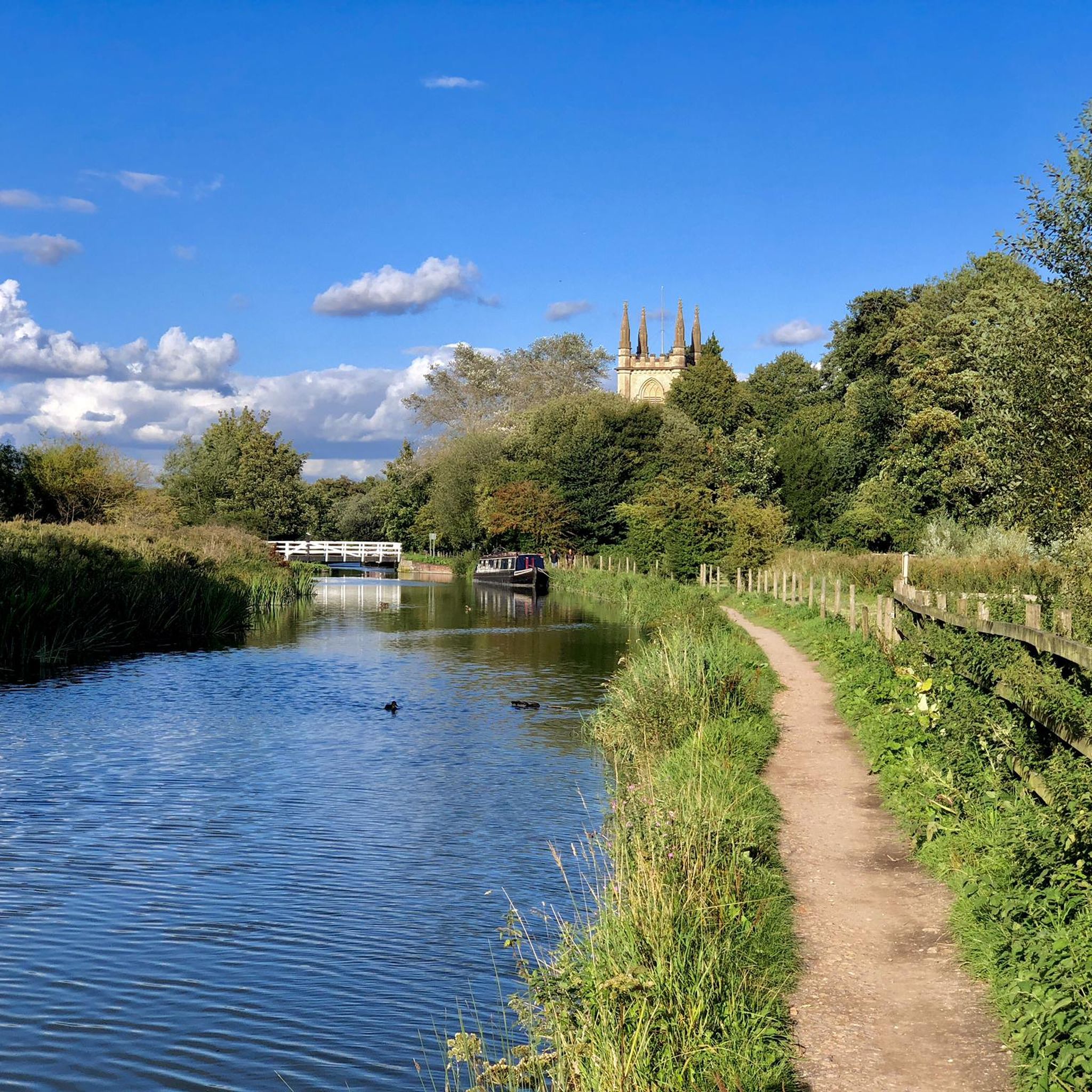
Crofton Locks and Pumping Station
Highlight • Rest Area
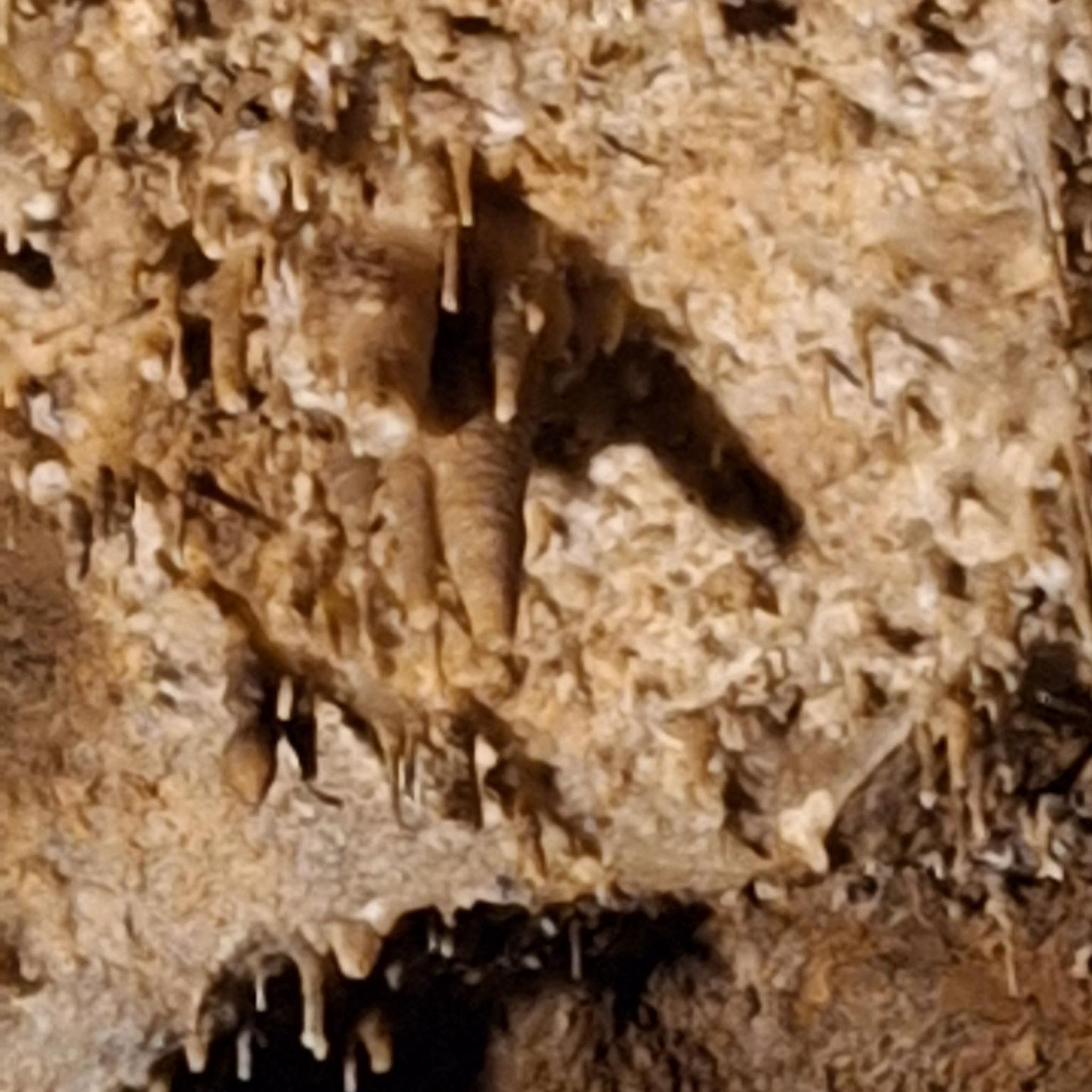
The area also provides important habitat for wildlife and is home to lots of swans, ducks, moorhens, thrushes and even common lizards and and slow worms.
Tip by

Sign up now to discover places like this
Get recommendations on the best single tracks, peaks, & plenty of other exciting outdoor places.
Sign up for free
Ashdown House
Highlight • Monument
Tip by

St Michael and All Angels Church, Lambourn
Highlight • Religious Site
The first written record of a church at Lambourn is from 1032, in a charter of Cnut, but it seems highly likely there was a Saxon church here several centuries earlier. Charters in 934 and 955 mention Lambourn, and Alfred the Great mentions a royal manor at Lambourn in his will. Though circumstantial, these documents suggest that an important Saxon church, perhaps a minster, stood here at least as early as the 9th century (a minster acted as a ‘mother’ church for a region, and may have had resident priests who traveled out from their base to preach and minister to their far-flung flocks). The circular shape of the churchyard suggests that the site may have been in use in Roman times, or even earlier.
The current church of St Michael and All Angels was begun in the 12th century, with major rebuilding in the 13t, 15th, and 19th centuries. The core of the building dates to about 1180, and is constructed on a cruciform plan. To the 12th century core was added a pair of transepts in the 13th century, several 14th century chantry chapels, and the chancel and upper portion of the tower were rebuilt in the 16th century."
Cit. lambourn.org/st-michael-and-all-angels
Tip by

Holy Cross Church, Ramsbury
Highlight • Religious Site
The building is of flint with limestone dressings, and the chancel is finished in roughcast. The west tower is described as "massive" and has substantial corner buttresses.
The collection of stone fragments held in the church includes four which appear to be Norman. The font bowl is 12th century. The interior fittings, which include two brass chandeliers dated 1751, are described by Pevsner as "quite an uncommon wealth". The tower has six bells, five of them dated 1708 and made by the elder Abraham Rudhall. The church was recorded as Grade I listed in 1966."
Cit. en.wikipedia.org/wiki/Ramsbury
Tip by
Sign up for free to discover even more attractions around Chilton Foliat.
Sign up for free
Already have an account?
Start today with a free account
Your next adventure awaits.
Login or Signup

Tips from the Community


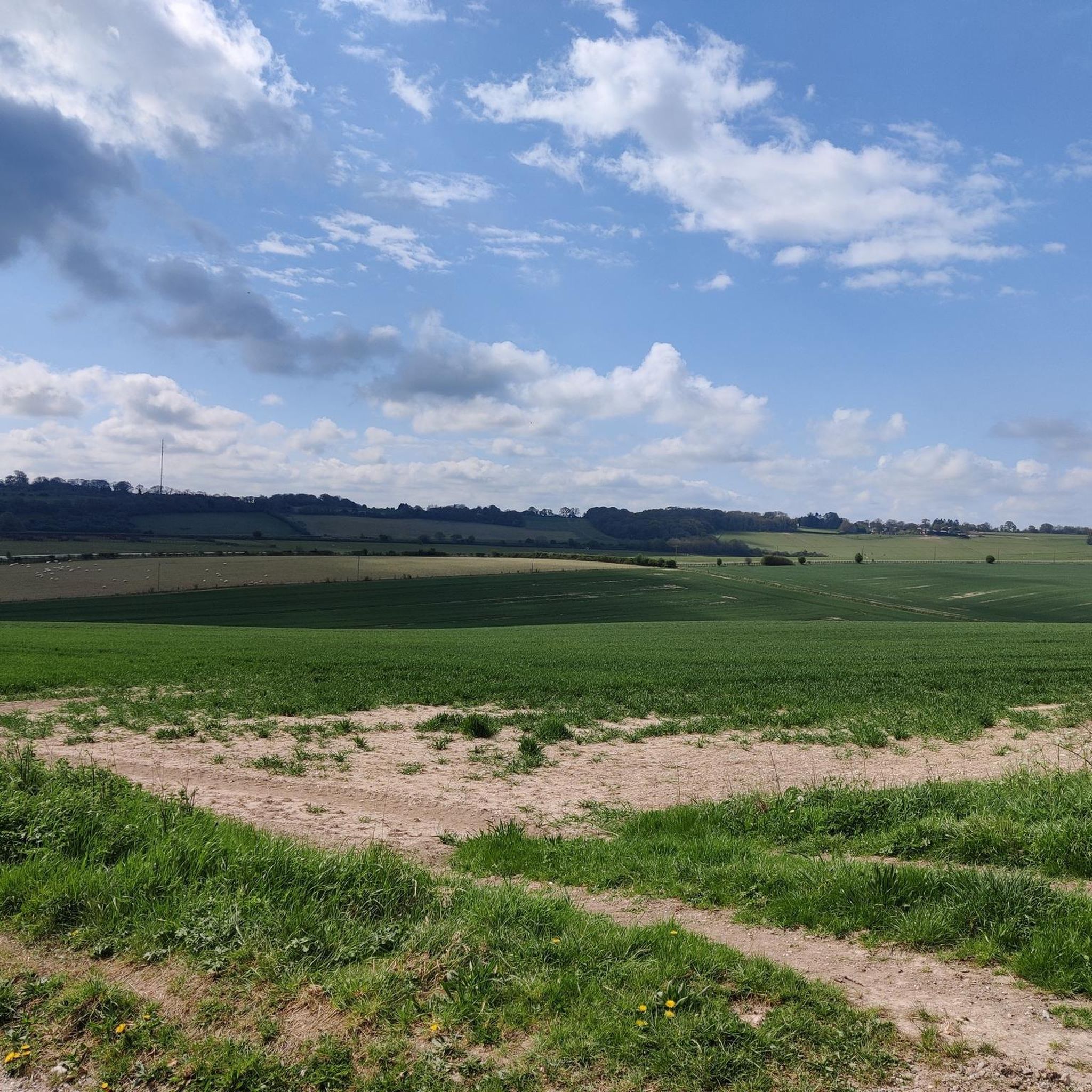
Replacements and Legacy: The original gibbet from 1676 eventually deteriorated. The current gibbet is actually the seventh to stand on the site. Previous versions were replaced due to rotting, being struck by lightning, vandalism, or being blown down by strong winds. The current replica was erected in 1992. While the gibbet was only ever used for the display of George Bromham and Dorothy Newman, its grim history has made it a local landmark and a popular spot for walkers, hang-gliders, and paragliders, offering expansive views across Berkshire, Hampshire, and Wiltshire. The story of the murders even inspired a 1948 silent film called "The Black Legend," made by a young John Schlesinger.
2
0
The Gibbet's Purpose: After their execution, their bodies were brought back to Inkpen and prepared for public display. A large, double gibbet was hastily erected on the long barrow. The bodies of George and Dorothy, bound in chains, were then displayed on either side of the gibbet on March 6, 1676, as a stark and gruesome warning to the local community to deter similar crimes. The location was chosen due to its prominence and being on the border of the two parishes, as there was a dispute over which parish should bear the cost of the gibbet.
2
0
The Murders and Gibbeting: The Crime: George Bromham, a married farm labourer from Combe, and Dorothy Newman, a widow from Inkpen, were having an illicit affair. To be together, they murdered George's wife, Martha Bromham, and their son, Robert. Accounts vary, but it's believed they waylaid Martha and Robert and beat them to death with staves near where the gibbet now stands. One dramatic, though likely far-fetched, version suggests George killed his wife by thrusting her head into a hornet's nest. The Witness: The crime was reportedly witnessed by a villager known as "Mad Thomas," who alerted the authorities. Trial and Execution: George Bromham and Dorothy Newman were tried at Winchester Assizes. They were found guilty and hanged in Winchester on March 3, 1676.
2
0

Ashdown House (also known as Ashdown Park) is a 17th-century country house in the civil parish of Ashbury in the English county of Oxfordshire. Until 1974 the house was in the county of Berkshire, and the nearby village of Lambourn remains in that county. It is a Grade I listed building and the grounds are included in the Register of Historic Parks and Gardens at Grade II*. The house features 8,000 square feet of living space, a large central staircase, reception rooms, interlinking drawing and sitting rooms, a kitchen, a dining room and eight bedrooms. The property includes two lodges, three cottages and a hundred acres of land. The house was originally built at the junction of the four rides in Craven's hunting park – the four avenues no longer survive as they once did, but portions of them remain. The house is isolated, and the view from the roof includes park-like grounds and gardens, and beyond, woods and pastures. At least one of the woods of Ashdown Park predates the house. Glastonbury Abbey held the manor of Ashbury until the Dissolution of the monasteries in 1539. A deer park was established for the Abbey in the south of the parish. It is bounded by an ancient embankment enclosing a rounded area characteristic of Medieval deer parks. The embankment would have been topped by a park pale, probably of cleft oak stakes. The park may equate to the Aysshen Wood that a terrier of the parish in 1519 recorded as covering 415 acres. The former deer park is now the Upper Wood of Ashdown Park. Ashdown Park is a Site of Special Scientific Interest. Although a few alterations were made to the house, the building remained largely as-built until it was requisitioned for use by the army during World War II. The occupation left it in a near derelict state. The National Trust has owned Ashdown House since 1956 when it was donated to the trust by Cornelia, Countess of Craven (wife of William Craven, 4th Earl of Craven). The house is tenanted, and has been renovated by recent lease holders. In 2010 Pete Townshend bought a 41-year lease on the property and in 2011 a structural renovation was begun. Public access is restricted to the stairs and roof, with broad views of Berkshire Downs. There is also public access to the neighbouring Ashdown Woods. Admission to the house is by guided tour on Wednesdays and Saturdays from April to October.
2
1
Crofton Pumping Station advertises that it has the oldest working steam engine in the world. The idea was actually to route the canal through a mountain at a lower altitude using a tunnel. But this project was too expensive and too complex. That's why the pumping station was built. It once reliably filled the canal with water at the geographically highest points of the route.
0
0

"The Church of England parish church of the Holy Cross was begun in the 13th century and enlarged later that century or in the early 14th. In the 15th century the chancel was lengthened and re-roofed. In 1891–2 the aisles were rebuilt and the south porch rebuilt. The building is of flint with limestone dressings, and the chancel is finished in roughcast. The west tower is described as "massive" and has substantial corner buttresses. The collection of stone fragments held in the church includes four which appear to be Norman. The font bowl is 12th century. The interior fittings, which include two brass chandeliers dated 1751, are described by Pevsner as "quite an uncommon wealth". The tower has six bells, five of them dated 1708 and made by the elder Abraham Rudhall. The church was recorded as Grade I listed in 1966." Cit. https://en.wikipedia.org/wiki/Ramsbury
2
0
Frequently Asked Questions
What historical sites can I explore around Chilton Foliat?
Chilton Foliat and its surroundings are rich in history. You can visit Combe Gibbet, a historic monument with a macabre past offering expansive views from Gallows Down. Another significant site is Crofton Locks and Pumping Station, featuring nine locks on the Kennet and Avon Canal and one of the world's oldest working steam engines. Additionally, Ashdown House, a 17th-century National Trust property, offers a glimpse into aristocratic history with its park-like grounds. The village itself boasts ancient houses, including Vine Cottage (late 17th century) and Chilton Cottage (early to mid-15th century), contributing to its conservation area status.
Are there any family-friendly attractions near Chilton Foliat?
Yes, Crofton Locks and Pumping Station is a great family-friendly option. Here, you can observe the historic canal locks and the impressive steam engines, enjoy a picnic, and spot local wildlife like swans and moorhens. The site also has a cafe and gift shop.
What natural features define the Chilton Foliat area?
The defining natural feature is the beautiful and clean River Kennet, a chalkland river appreciated for its natural beauty. Chilton Foliat is also situated within the picturesque North Wessex Downs Area of Outstanding Natural Beauty, offering scenic landscapes. Additionally, the area includes the Kennet Floodplain SSSI and Chilton Foliat Meadows SSSI, recognized for their diverse flora and rare species like the Desmoulin's whorl snail.
What outdoor activities can I do near Chilton Foliat?
The region offers various outdoor activities. You can explore numerous cycling routes, including moderate to difficult options like the 'Marlborough to Hungerford loop via Littlecote House' or the 'Ludgershall loop from Hungerford'. For hikers, there are easy trails such as the 'Church of St Lawrence – Tutti Pole Café loop from Hungerford'. Gravel biking is also popular, with routes like the 'Stitchcombe Switchback – Wiltshire Lanes loop from Hungerford'. You can find more details on these activities in the cycling guide, easy hikes guide, and gravel biking guide for Chilton Foliat.
Are there any religious buildings of historical significance in the area?
Yes, St. Mary's Church in Chilton Foliat dates back to approximately 1300 and is a Grade I listed building known for its remarkable wooden roof. Further afield, you can visit St Michael and All Angels Church, Lambourn, which has Saxon origins, and Holy Cross Church, Ramsbury, a 13th-century church with notable interior fittings.
What is the best time of year to visit Chilton Foliat for outdoor activities?
Given its location within the North Wessex Downs Area of Outstanding Natural Beauty and the presence of the River Kennet, spring, summer, and early autumn are generally the best times to visit Chilton Foliat. The weather is more favorable for exploring the scenic views, enjoying walks along the river, and engaging in cycling or hiking activities.
What are some unique architectural features in Chilton Foliat village?
Chilton Foliat is known for its preserved architecture, with many ancient houses featuring thatched roofs. Notable examples include Vine Cottage (late 17th century), The Old Rectory (mid-18th century), and Chilton Cottage (early to mid-15th century). The village also has an attractive Village Hall dating from 1895, characterized by hanging tiles above flint courses, and an 18th-century triple-arched, red-brick bridge over the River Kennet.
Where can I find a traditional pub in Chilton Foliat?
The village is home to The Wheatsheaf Pub, housed in an early 19th-century thatched building. It serves as a local amenity and offers a traditional English pub experience.
What makes the River Kennet special in Chilton Foliat?
The River Kennet is a beautiful and clean chalkland river, which has historically played a significant role in the village's life and economy. It is highly valued by fishermen and contributes significantly to the picturesque landscape of the area, flowing through the North Wessex Downs Area of Outstanding Natural Beauty.
Are there any viewpoints offering panoramic scenery?
Yes, Combe Gibbet, located on Gallows Down, offers wonderful, expansive views of the surrounding countryside. Additionally, the roof of Ashdown House provides broad views of the Berkshire Downs and its park-like grounds.
What is the significance of Chilton Foliat's conservation area status?
Chilton Foliat was designated as a conservation area in 1974 due to its rich history and preserved architecture. This status helps protect the village's unique character, including its ancient thatched houses and historic landmarks, ensuring that its traditional English country charm is maintained for future generations.

Get inspired with the komoot mobile app


Explore more
Still not found the Highlight you’re looking for? See guides of the top attractions in other regions:
