Attractions and Places To See around Froxfield - Top 20
Best attractions and places to see around Froxfield, Wiltshire, include historical landmarks and natural features. This area is known for its connection to the Kennet and Avon Canal and its rich history, with evidence of human occupation dating back to the Neolithic period. Visitors can explore a variety of sites, from ancient monuments to engineering marvels. The region offers opportunities for exploring historical sites and enjoying the rural landscape.
Best attractions and places to see around Froxfield
- The most popular…
Last updated: July 2, 2026
Combe Gibbet
Highlight • Monument
Tip by

Marlborough Town Centre
Highlight • Settlement
Small, sweet shops and cafés, nice houses and alleys make …
Translated by Google •
Tip by

Sign up now to discover places like this
Get recommendations on the best single tracks, peaks, & plenty of other exciting outdoor places.
Sign up for free
The Polly Tearooms, Marlborough
Highlight • Settlement
Tip by

Crofton Locks and Pumping Station
Highlight • Rest Area
Tip by

Chiseldon and Marlborough Railway Path
Highlight (Segment) • Cycleway
Despite to the gravel makeup, the surface is so smooth that it's a pleasure to ride even a 23mm tire sized road bike.
Tip by

Sign up for free to discover even more attractions around Froxfield.
Sign up for free
Already have an account?
Start today with a free account
Your next adventure awaits.
Login or Signup
Tips from the Community

The Polly Tea Rooms and restaurant is indeed one of the best-known addresses in the city. - Traditional tea room with history since 1912 in the heart of the High Street. - Known for Cream Tea, homemade scones, cakes, and classic British breakfast and lunch dishes. - Typical English ambiance with historical flair – ideal for a tea break during a city stroll. - The bakery produces bread, scones, and pastries on-site.
1
0
- Stroll along the exceptionally wide High Street – it is considered one of the widest high streets in England and is the heart of the town. - Admire the historic buildings, small boutiques, and independent cafés. The atmosphere is typically English market town. - Visit the historic The Merchant’s House, one of the most interesting historic buildings in town. - Take a short detour to the River Kennet and the small parks behind the High Street. - If you are there on a Wednesday or Saturday, the weekly market is worth a visit.
1
0

Pretty town - about 8 pubs but none of them in the Good Beer Guide. Which tells its own story.
1
0


Replacements and Legacy: The original gibbet from 1676 eventually deteriorated. The current gibbet is actually the seventh to stand on the site. Previous versions were replaced due to rotting, being struck by lightning, vandalism, or being blown down by strong winds. The current replica was erected in 1992. While the gibbet was only ever used for the display of George Bromham and Dorothy Newman, its grim history has made it a local landmark and a popular spot for walkers, hang-gliders, and paragliders, offering expansive views across Berkshire, Hampshire, and Wiltshire. The story of the murders even inspired a 1948 silent film called "The Black Legend," made by a young John Schlesinger.
2
0
The Gibbet's Purpose: After their execution, their bodies were brought back to Inkpen and prepared for public display. A large, double gibbet was hastily erected on the long barrow. The bodies of George and Dorothy, bound in chains, were then displayed on either side of the gibbet on March 6, 1676, as a stark and gruesome warning to the local community to deter similar crimes. The location was chosen due to its prominence and being on the border of the two parishes, as there was a dispute over which parish should bear the cost of the gibbet.
2
0
The Murders and Gibbeting: The Crime: George Bromham, a married farm labourer from Combe, and Dorothy Newman, a widow from Inkpen, were having an illicit affair. To be together, they murdered George's wife, Martha Bromham, and their son, Robert. Accounts vary, but it's believed they waylaid Martha and Robert and beat them to death with staves near where the gibbet now stands. One dramatic, though likely far-fetched, version suggests George killed his wife by thrusting her head into a hornet's nest. The Witness: The crime was reportedly witnessed by a villager known as "Mad Thomas," who alerted the authorities. Trial and Execution: George Bromham and Dorothy Newman were tried at Winchester Assizes. They were found guilty and hanged in Winchester on March 3, 1676.
2
0

Beautiful lil town, some lovely walks through the trees too
1
0
Frequently Asked Questions
What historical landmarks can I explore around Froxfield?
Froxfield and its surroundings offer a rich history. You can visit Combe Gibbet, a historic monument with a fascinating, albeit macabre, past dating back to 1676. The village itself features the historic All Saints Church, with parts dating to the 12th century, and the Somerset Hospital almshouses, built in the late 17th century. The Crofton Locks and Pumping Station are also significant industrial heritage sites on the Kennet and Avon Canal.
Are there opportunities for walking or hiking near Froxfield?
Yes, the area around Froxfield is excellent for walking. The Kennet and Avon Canal offers scenic towpath walks, including around Oakhill Down Lock and Froxfield Bottom Lock. For more structured routes, you can explore various hiking trails, such as the 'Ramsbury & Littlecote House loop' or 'Ramsbury & River Kennett loop'. You can find more options on the Hiking around Froxfield guide.
What cycling routes are available around Froxfield?
Cyclists can enjoy a variety of routes. The Chiseldon and Marlborough Railway Path provides a comfortable, traffic-free option, following a disused railway line. For road cycling, routes like the 'Hungerford Common – Valley of the Racehorse loop' offer longer distances. Explore more options on the Road Cycling Routes around Froxfield guide and the Cycling around Froxfield guide.
Are there any family-friendly attractions in the Froxfield area?
Absolutely. Marlborough Town Centre is a great spot for families, with its wide high street, independent shops, and cafes. The Crofton Locks and Pumping Station is also family-friendly, offering a chance to see historic steam engines, a cafe, and a picnic area, alongside wildlife spotting opportunities on the canal.
Where can I find natural features or scenic views around Froxfield?
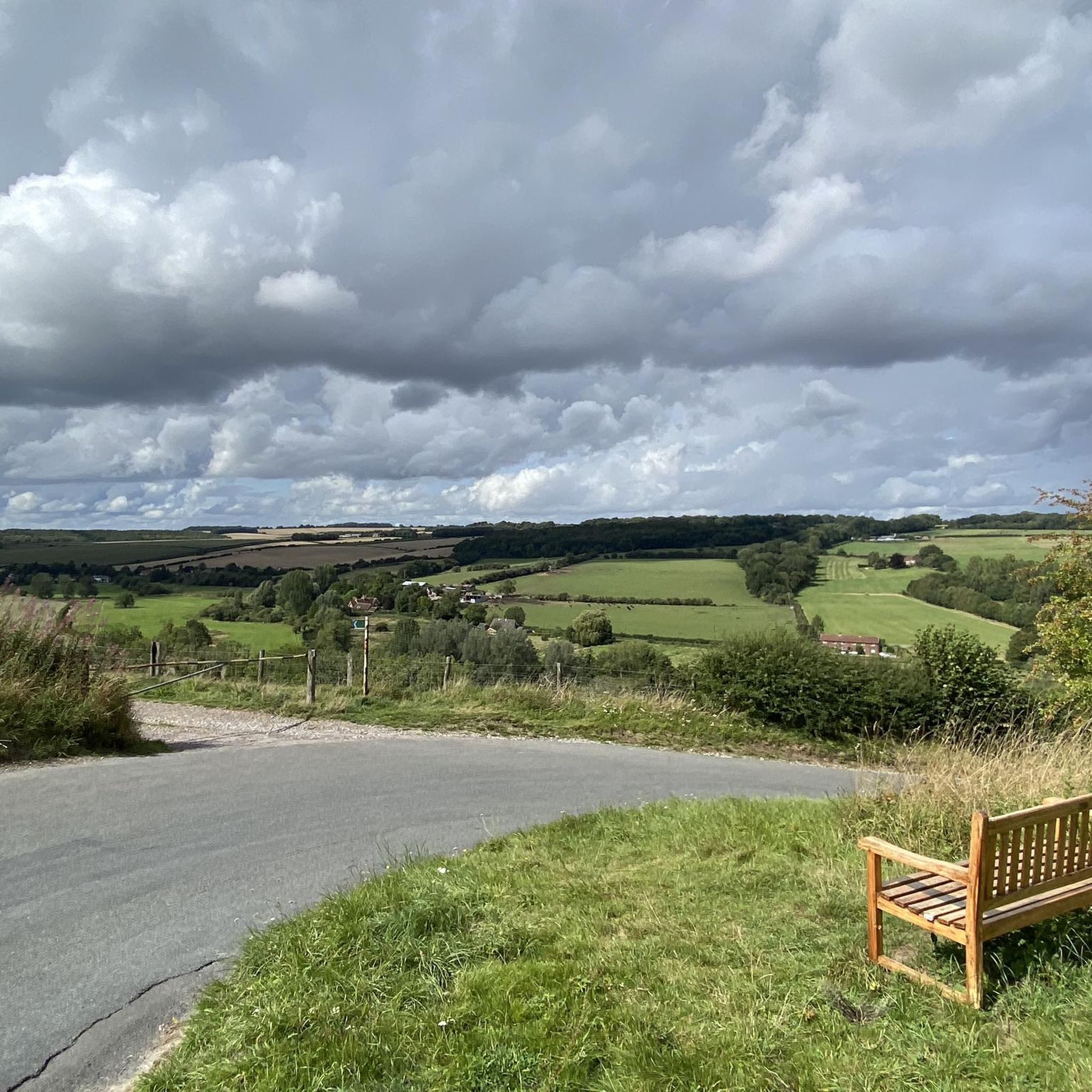
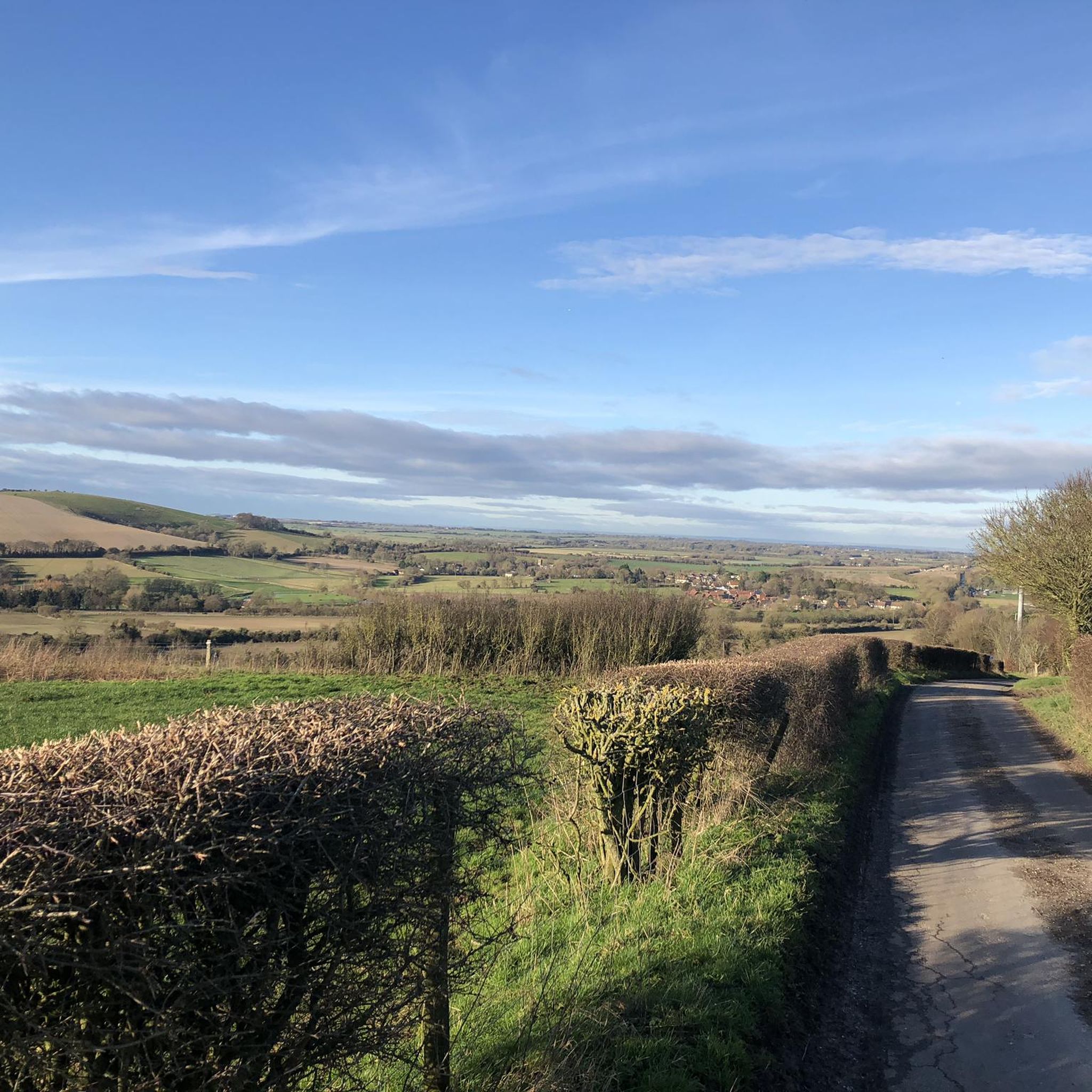
The Kennet and Avon Canal, which runs through Froxfield parish, is a prominent natural feature, offering tranquil waterside scenery. You can also enjoy wonderful views from Combe Gibbet, situated on Gallows Down. The River Dun Valley also provides a picturesque landscape for exploration.
What is the Kennet and Avon Canal's significance to Froxfield?
The Kennet and Avon Canal is integral to Froxfield's landscape and history. It opened through the parish in 1799, following the Dun valley, and features significant structures like Oakhill Down Lock and Froxfield Bottom Lock. The canal was restored in the 1970s and remains a popular spot for walks and boating, connecting the area to a broader network of waterways.
Are there any pubs or cafes near the attractions in Froxfield?
Yes, you'll find options for refreshments. In Froxfield village, The Pelican Inn is a public house housed in an 18th-century building. Near the Crofton Pumping Station, there is a cafe and gift shop. Marlborough Town Centre also boasts numerous cafes and independent shops where you can take a break.
What archaeological discoveries have been made in the Froxfield area?
The area around Froxfield has a rich archaeological history. Evidence of human occupation dates back to the Neolithic or Bronze Age, with three bowl barrows formerly present. Notably, remains of a Roman villa, including a mosaic floor, coins, and a champlevé-enamelled bronze bowl (Rudge Cup), were discovered in 1725, highlighting its ancient past.
What do visitors enjoy most about the attractions around Froxfield?
Visitors particularly appreciate the blend of history and natural beauty. The scenic views from places like Combe Gibbet and the tranquil atmosphere of the Kennet and Avon Canal are highly rated. The historic charm of Marlborough Town Centre, with its unique shops and cafes, is also a favorite, as is the industrial heritage at Crofton Locks and Pumping Station.
Are there any other notable historical sites a short drive from Froxfield, Wiltshire?
Beyond Froxfield itself, you can find several other significant historical sites nearby. These include the Crofton Beam Engines in Marlborough, a major industrial heritage site, and Wilton Windmill, a historic working windmill. These offer further insights into the region's past.
Can I experience boating on the Kennet and Avon Canal near Froxfield?
Yes, the Kennet and Avon Canal is still in use for boating. While Froxfield itself is on the canal, for specific boat trips, you can find services like the Kennet Horse Boat Company located in nearby Hungerford, offering a unique way to experience the waterway.
Most popular routes around Froxfield
Most popular attractions around Froxfield

Get inspired with the komoot mobile app


Explore more
Still not found the Highlight you’re looking for? See guides of the top attractions in other regions:
