Attractions and Places To See around Inkpen - Top 20
Best attractions and places to see around Inkpen include a blend of historical landmarks, natural features, and cultural points of interest. The area is known for its Bronze Age history, with numerous historic buildings from the 17th, 18th, and 19th centuries. Visitors can explore significant natural landscapes, including hills and nature reserves, alongside ancient trackways. This region offers a variety of sites for those interested in history and the outdoors.
Best attractions and places to see around Inkpen
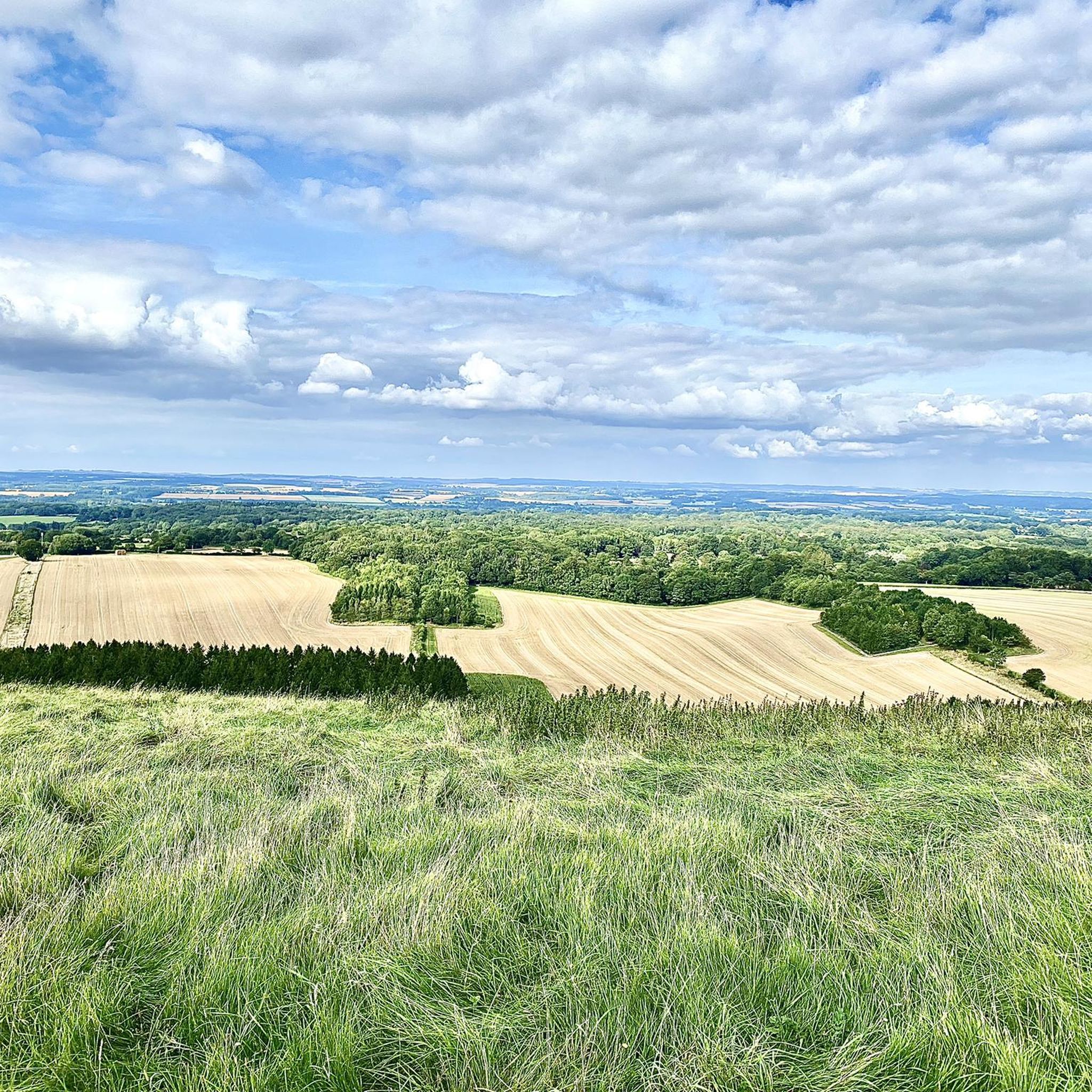
- The most popular attractions is Combe Gibbet, a man-made monument that stands atop a Neolithic long barrow on Gallows Down. This site is notable for its historical significance as a 17th-century gibbet and offers expansive views across the surrounding counties.
- Another must-see spot is Crofton Locks and Pumping Station, a historical site with facilities. Visitors can explore a set of nine locks on the Kennet and Avon Canal and the Crofton Pumping Station, which features a cafe and gift shop.
- Visitors also love Holy Cross Church, Ramsbury, a religious building. This 13th-century church, a Grade I listed building, features a massive west tower and a collection of stone fragments, including 12th-century font bowls.
- Inkpen is known for historical sites, natural landscapes, and walking routes. The area offers a variety of attractions to see and explore, from ancient monuments to scenic trails.
- The attractions around Inkpen are appreciated by the komoot community, with 4 highlights featuring 43 photos and receiving 92 upvotes.
Last updated: July 2, 2026
Combe Gibbet
Highlight • Monument
Tip by

Crofton Locks and Pumping Station
Highlight • Rest Area
The area also provides important habitat for wildlife and is home to lots of swans, ducks, moorhens, thrushes and even common lizards and and slow worms.
Tip by

Sign up now to discover places like this
Get recommendations on the best single tracks, peaks, & plenty of other exciting outdoor places.
Sign up for free
Holy Cross Church, Ramsbury
Highlight • Religious Site
The building is of flint with limestone dressings, and the chancel is finished in roughcast. The west tower is described as "massive" and has substantial corner buttresses.
The collection of stone fragments held in the church includes four which appear to be Norman. The font bowl is 12th century. The interior fittings, which include two brass chandeliers dated 1751, are described by Pevsner as "quite an uncommon wealth". The tower has six bells, five of them dated 1708 and made by the elder Abraham Rudhall. The church was recorded as Grade I listed in 1966."
Cit. en.wikipedia.org/wiki/Ramsbury
Tip by

Kennet and Avon Canal Path
Highlight • Cycleway
Tip by

Faccombe Road Climb Through Faccombe Wood
Highlight • Trail
Tip by
Sign up for free to discover even more attractions around Inkpen.
Sign up for free
Already have an account?
Start today with a free account
Your next adventure awaits.
Login or Signup
Other adventures around Inkpen

Tips from the Community


Replacements and Legacy: The original gibbet from 1676 eventually deteriorated. The current gibbet is actually the seventh to stand on the site. Previous versions were replaced due to rotting, being struck by lightning, vandalism, or being blown down by strong winds. The current replica was erected in 1992. While the gibbet was only ever used for the display of George Bromham and Dorothy Newman, its grim history has made it a local landmark and a popular spot for walkers, hang-gliders, and paragliders, offering expansive views across Berkshire, Hampshire, and Wiltshire. The story of the murders even inspired a 1948 silent film called "The Black Legend," made by a young John Schlesinger.
2
0
The Gibbet's Purpose: After their execution, their bodies were brought back to Inkpen and prepared for public display. A large, double gibbet was hastily erected on the long barrow. The bodies of George and Dorothy, bound in chains, were then displayed on either side of the gibbet on March 6, 1676, as a stark and gruesome warning to the local community to deter similar crimes. The location was chosen due to its prominence and being on the border of the two parishes, as there was a dispute over which parish should bear the cost of the gibbet.
2
0
The Murders and Gibbeting: The Crime: George Bromham, a married farm labourer from Combe, and Dorothy Newman, a widow from Inkpen, were having an illicit affair. To be together, they murdered George's wife, Martha Bromham, and their son, Robert. Accounts vary, but it's believed they waylaid Martha and Robert and beat them to death with staves near where the gibbet now stands. One dramatic, though likely far-fetched, version suggests George killed his wife by thrusting her head into a hornet's nest. The Witness: The crime was reportedly witnessed by a villager known as "Mad Thomas," who alerted the authorities. Trial and Execution: George Bromham and Dorothy Newman were tried at Winchester Assizes. They were found guilty and hanged in Winchester on March 3, 1676.
2
0


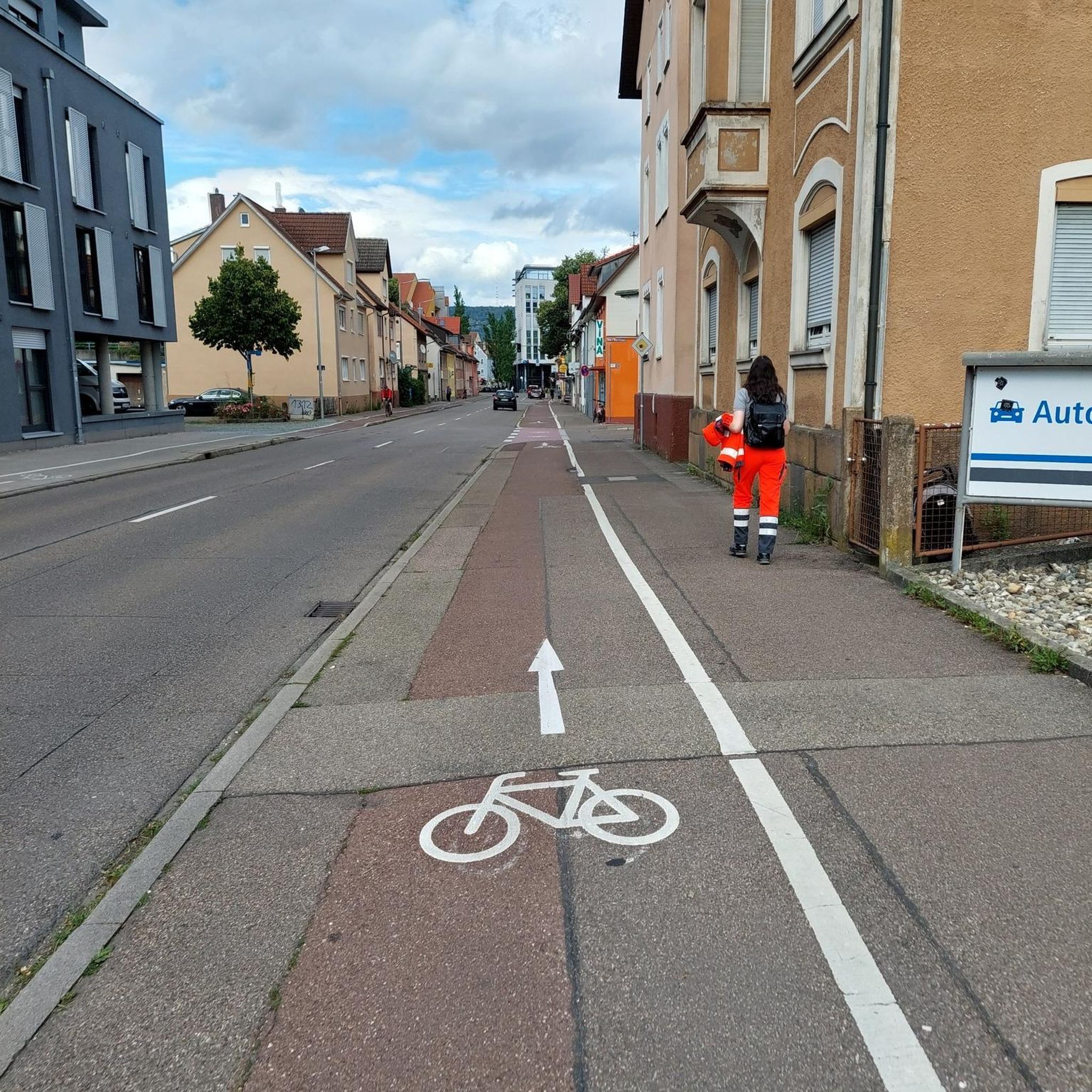
Kennet and Avon Canal path is a lovely section with plenty of room to pass walkers, be respectful and use a bell
0
0
Crofton Pumping Station advertises that it has the oldest working steam engine in the world. The idea was actually to route the canal through a mountain at a lower altitude using a tunnel. But this project was too expensive and too complex. That's why the pumping station was built. It once reliably filled the canal with water at the geographically highest points of the route.
0
0
Lovely little climb up to faccombe. Especially pretty in the autumn when the leaves are changing colour. Not a long climb, provably about 5 mibs of effort for most. Be careful if descending, pheasants and deer like to hang out around here. The pheasants can be Especially kamikaze at times.
2
0
Frequently Asked Questions
What historical landmarks can I explore around Inkpen?
Inkpen is rich in history. You can visit Combe Gibbet, a replica of a 17th-century gibbet atop a Neolithic long barrow, offering expansive views. Nearby, Walbury Camp, an Iron Age hillfort on Walbury Hill, is the highest point in South East England. St. Michael's Church, dating back to the 13th century, features a carved timber rood screen. For a deeper dive, follow the Inkpen Heritage Walk which passes by many historic buildings and archaeological sites.
Are there any significant natural features or viewpoints in the Inkpen area?
Yes, Inkpen offers several natural highlights. Walbury Hill provides stunning vistas as the highest point in South East England. You can also explore the Inkpen Crocus Fields, one of only two sites in the UK where saffron crocuses grow, managed by the BBOWT. Inkpen Common is another BBOWT nature reserve, important for its lowland heathland. Wigmoreash Pond is a scenic spot along the chalk ridgeway near Combe Gibbet.
What kind of outdoor activities are available near Inkpen's attractions?
The Inkpen area is excellent for outdoor activities. You can enjoy gravel biking, mountain biking, and road cycling. For gravel biking, consider routes like the 'Stitchcombe Switchback – Wiltshire Lanes loop'. Mountain bikers can explore trails such as 'Inkpen Common – Kennet and Avon Canal Path loop'. Road cyclists have options like the 'Valley of the Racehorse loop'. Find more routes and details on the Gravel biking around Inkpen, MTB Trails around Inkpen, and Road Cycling Routes around Inkpen guide pages.
Are there family-friendly attractions or activities around Inkpen?
Families can enjoy the Crofton Locks and Pumping Station, which features a set of nine locks on the Kennet and Avon Canal, a cafe, gift shop, and picnic area. The area is also home to various wildlife, including swans and ducks. The Inkpen Crocus Fields offer a unique natural spectacle that can be enjoyed by all ages, especially when the crocuses are in bloom.
Where can I find walking trails near Inkpen?
Inkpen is a great base for walking. The area is traversed by ancient trackways like the Test Way and the Wayfarer's Walk, offering scenic routes. You can also explore the Kennet and Avon Canal Path, which is suitable for walking and cycling. For a historical walk, follow the Inkpen Heritage Walk through the village. Many routes around Combe Gibbet are popular with walkers.
What is the best time of year to visit Inkpen, especially for nature attractions?
The Inkpen Crocus Fields are a seasonal highlight, best visited when the saffron crocuses are in bloom. This typically occurs in late winter or early spring. For general walking and enjoying the natural landscapes like Inkpen Common and Walbury Hill, spring and autumn offer pleasant weather and beautiful scenery, with changing foliage in autumn.
Can I bring my dog on walks around Inkpen?
Many of the walking trails and natural areas around Inkpen are dog-friendly, including the ancient trackways like the Wayfarer's Walk and the Kennet and Avon Canal Path. When walking with dogs, always ensure they are under control, especially around livestock or wildlife, and adhere to local signage regarding leash requirements.
What is the significance of the Inkpen Crocus Fields?
The Inkpen Crocus Fields are one of only two sites in the United Kingdom where saffron crocuses grow naturally. Local legend suggests these flowers were brought back by Crusaders in the 12th century. The fields are an important natural feature managed by the Berkshire, Buckinghamshire and Oxfordshire Wildlife Trust (BBOWT), preserving this unique botanical site.
Are there any churches or religious buildings of historical interest in the area?
Yes, Holy Cross Church, Ramsbury, is a significant religious building. This 13th-century church is a Grade I listed building, notable for its massive west tower and a collection of stone fragments, including 12th-century font bowls. St. Michael's Church in Inkpen, dating back to the 13th century, is also a Grade II* listed parish church with 15th-century additions.
What do visitors enjoy most about the attractions around Inkpen?
Visitors particularly appreciate the blend of history and natural beauty. The expansive views from Combe Gibbet and Walbury Hill are highly rated. The historical significance of sites like the Crofton Pumping Station and the ancient churches also draws interest. Many enjoy the quiet, scenic trails, especially the Kennet and Avon Canal Path, for walking and cycling.
Where can I find information about prehistoric remains in Inkpen?
Inkpen has a long history of human habitation, with archaeological finds from the Mesolithic period, Beaker People pottery, and Neolithic long and round barrows. While many sites are protected, the West Berkshire Museum holds several ancient tools and artifacts discovered in Inkpen, offering insight into the area's prehistoric past.
What is the <a href="https://www.komoot.com/highlight/1049025" target="_blank" rel="noopener">Kennet and Avon Canal Path</a> like near Inkpen?
The Kennet and Avon Canal Path near Inkpen offers a lovely section for walking and cycling. It can be quite quiet, especially on weekdays, making it pleasant for passing others. The canal itself is 87 miles long, linking Bristol to Reading, and was restored and fully reopened in 1990, providing a scenic route through the countryside.
Most popular routes around Inkpen
Most popular attractions around Inkpen

Get inspired with the komoot mobile app


Explore more
Still not found the Highlight you’re looking for? See guides of the top attractions in other regions:
