Attractions and Places To See around Ludgershall - Top 20
Best attractions and places to see around Ludgershall include a mix of historical landmarks, cultural sites, and natural features. This historic town in Wiltshire, England, provides insights into its past through notable ruins and medieval structures. The surrounding landscape offers diverse natural areas, from ancient woodlands to expansive plains.
Best attractions and places to see around Ludgershall
- The most popular attractions is Crofton Locks and Pumping Station, a historical facility featuring a set of nine locks on the Kennet and Avon Canal. Next to the locks, the Crofton Pumping Station has a cafe, gift shop, and picnic area.
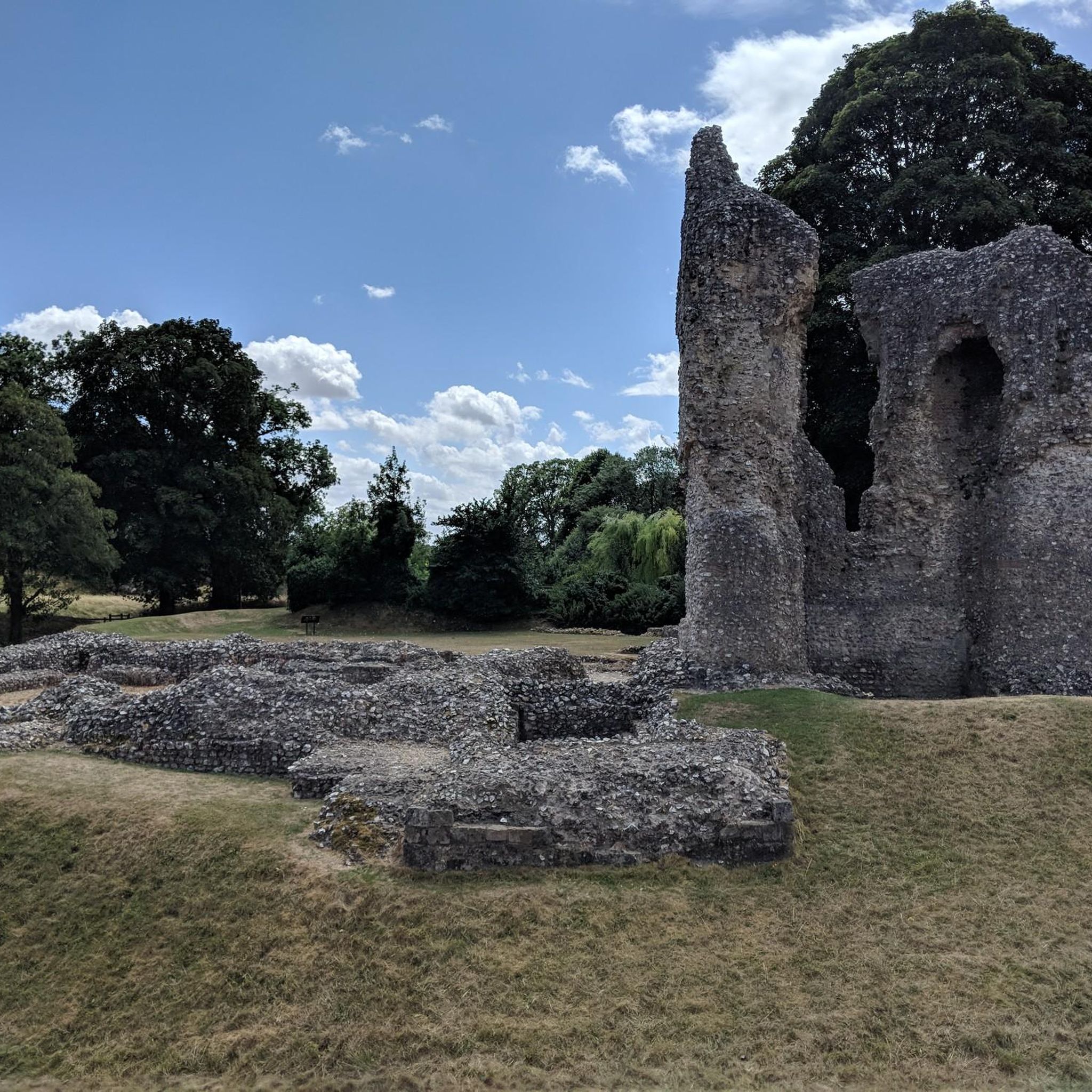
- Another must-see spot is Ludgershall Castle Ruins, a historical site managed by English Heritage. These atmospheric ruins comprise three large walls and extensive earthworks, offering a glimpse into its 11th-century origins and 13th-century improvements by King John.
- Visitors also love Wilton Windmill, a man-made monument standing on a hill in the Wessex Downs. This is the only working windmill in Wessex, still producing wholemeal, stone-ground flour.
- Ludgershall is known for its historical sites, man-made monuments, and natural landscapes. The area offers a variety of attractions to see and explore, from ancient ruins to working windmills and expansive plains.
- The attractions around Ludgershall are appreciated by the komoot community, with more than 40 upvotes and over 20 photos shared.
Last updated: August 25, 2026
Crofton Locks and Pumping Station
Highlight • Rest Area
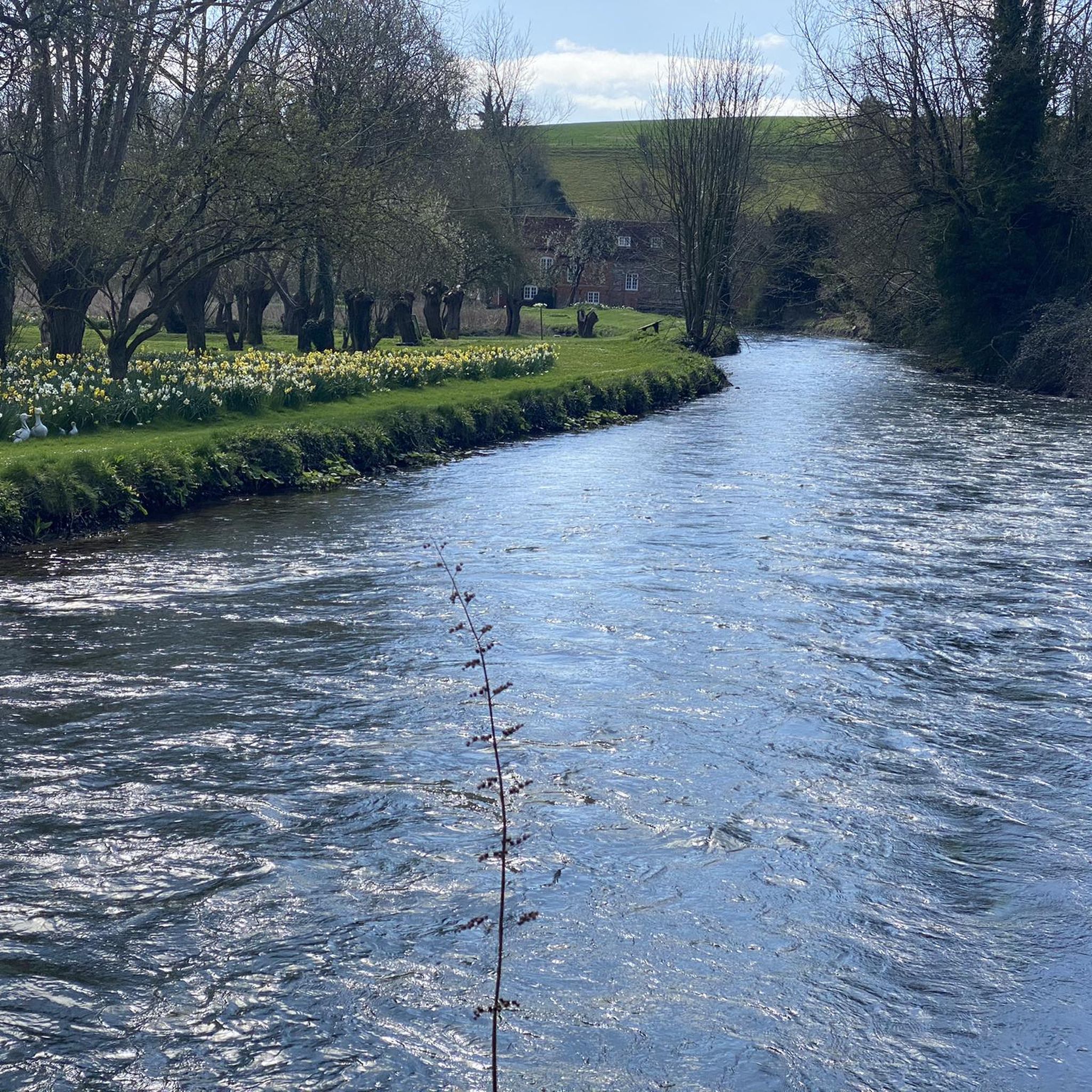
The area also provides important habitat for wildlife and is home to lots of swans, ducks, moorhens, thrushes and even common lizards and and slow worms.
Tip by

Salisbury Plain
Highlight • Forest
Tip by

Sign up now to discover places like this
Get recommendations on the best single tracks, peaks, & plenty of other exciting outdoor places.
Sign up for free
Ludgershall Castle Ruins
Highlight • Historical Site
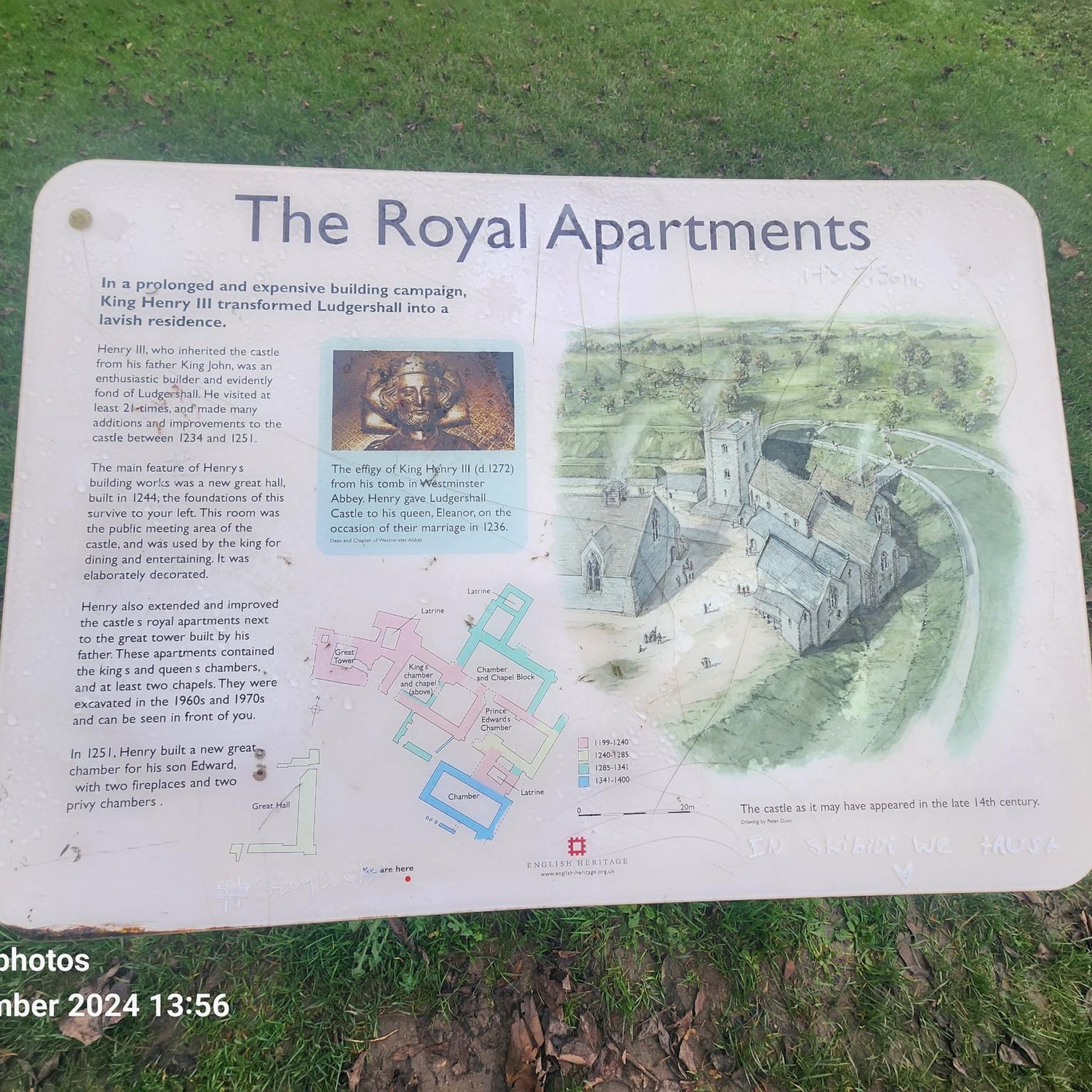
Castle probably began construction in the late 11th century and was improved in the 13th century by King John and his son Henry III, when it was used as a hunting lodge. Today, the atmospheric ruins comprise three large walls and extensive earthworks. Also worth seeing is the 14th-century cross nearby in the centre of Ludgershall village.
Tip by

Wilton Windmill
Highlight • Monument
Tip by
Wexcombe Waterworks Pump House
Highlight • Historical Site
Tip by

Sign up for free to discover even more attractions around Ludgershall.
Sign up for free
Already have an account?
Start today with a free account
Your next adventure awaits.
Login or Signup


Tips from the Community


The faded plaque above the pump house door is thought to read "Wexcombe Waterworks the gift of William Corbin Finch 1899". After a "cheeky" climb up Wexcombe (heading south). The brick built pump house makes for an intriguing short stop
0
0

Crofton Pumping Station advertises that it has the oldest working steam engine in the world. The idea was actually to route the canal through a mountain at a lower altitude using a tunnel. But this project was too expensive and too complex. That's why the pumping station was built. It once reliably filled the canal with water at the geographically highest points of the route.
0
0

Funny looking thing on the side of the road. You'll see it in any weather
0
0

The windmill can be visited on Sundays between 2 and 5 pm but only from Easter to September.
0
0

Odd but brilliant landmark on the Fair Mile road
0
0

Standing proud on the top of a hill in the midst of the rolling Wessex Downs, Wilton Windmill is the only working windmill in Wessex, still producing wholemeal, stone-ground flour. Visitors are welcome to view the mill at any time, however to go inside the windmill (paid entry) or cafe, seasonal opening hours apply.
0
0
Looked after by English Heritage but free to enter, Ludgershall Castle probably began construction in the late 11th century and was improved in the 13th century by King John and his son Henry III, when it was used as a hunting lodge. Today, the atmospheric ruins comprise three large walls and extensive earthworks. Also worth seeing is the 14th-century cross nearby in the centre of Ludgershall village.
0
0
Frequently Asked Questions
What historical sites can I explore in Ludgershall?
Ludgershall is rich in history. You can visit the atmospheric Ludgershall Castle Ruins, which date back to the 11th century and were improved by King John. Another significant historical landmark is the 14th-century Ludgershall Cross in the village center, depicting the resurrection of Jesus. The Church of St. James, built in the 12th century, also houses an impressive Tudor Tomb.
Are there any natural areas for walking or cycling near Ludgershall?
Yes, Ludgershall offers several natural areas. Salisbury Plain, a vast chalk plateau, provides extensive gravel tracks for exploration, though visitors should be mindful of military training areas. Collingbourne Wood, a large ancient broadleaf woodland, is ideal for walkers and cyclists, offering wide tracks and narrower paths amidst abundant wildlife. Ludgershall Meadows also provide a valuable natural area with rich floral diversity.
What family-friendly attractions are available around Ludgershall?
For families, Crofton Locks and Pumping Station is a great choice, featuring a set of nine locks on the Kennet and Avon Canal, a cafe, gift shop, and picnic area. The Ludgershall Castle Ruins are free to enter and offer a scenic spot for exploration and picnics. Additionally, Wilton Windmill is a unique attraction where families can see a working windmill.
Where can I find unique man-made monuments or historical engineering feats?
You can visit Crofton Locks and Pumping Station, a historical facility with a set of nine locks and a pumping station that once reliably filled the Kennet and Avon Canal. Another fascinating site is Wilton Windmill, the only working windmill in Wessex, still producing wholemeal, stone-ground flour. Don't miss the Wexcombe Waterworks Pump House, an intriguing brick-built structure with a faded plaque dating back to 1899.
Are there opportunities for hiking around Ludgershall?
Yes, there are several hiking opportunities. You can find routes like the 'Ludgershall & Collingbourne Wood loop' or explore trails around the Ludgershall Castle Ruins. For more detailed routes and options, check out the dedicated hiking guide: Hiking around Ludgershall.
What cycling routes are available near Ludgershall?
Cyclists can enjoy various routes, including the 'Durrington Walls loop' or a route connecting 'Ludgershall Castle' to 'Field at Snoddington Lane'. For a comprehensive list of cycling tours and their details, refer to the Cycling around Ludgershall guide.
Can I find mountain biking trails in the Ludgershall area?
Absolutely. The area offers mountain biking trails such as the 'View of Salisbury Plain – Old Marlborough Road Byway loop' and the 'Gravel Path from Shipton – Blair Witch Chase Trail loop'. You can discover more MTB routes and their difficulty levels in the MTB Trails around Ludgershall guide.
What is the significance of Ludgershall Castle?
Ludgershall Castle is a historical site dating back to the late 11th century. It became a royal property around 1100 and was significantly improved in the 13th century by King John and Henry III, who used it as a hunting lodge. Today, visitors can explore its three substantial walls, extensive earthworks, and a prominent 12th-century tower, offering a glimpse into its royal past. It is managed by English Heritage and is free to enter.
Is there a place to see a working windmill near Ludgershall?
Yes, Wilton Windmill is located on a hill in the Wessex Downs and is the only working windmill in Wessex. It still produces wholemeal, stone-ground flour. Visitors are welcome to view the mill at any time, but for interior access and the cafe, seasonal opening hours apply.
What is Salisbury Plain, and can I visit it?
Salisbury Plain is a beautiful chalk plateau stretching 300 square miles across central southern England. It's a wildlife haven with grassland and pockets of woodland. While around half of the plain is used as a military training area with live firing, many parts are accessible for exploration via gravel tracks. Always be mindful of military operations and signage.
Are there any lesser-known historical landmarks worth visiting in Ludgershall?
Beyond the main castle ruins, the 14th-century Ludgershall Cross in the village center is a significant medieval sculpture. The 12th-century Church of St. James is also notable for its impressive Tudor Tomb. For a more unusual sight, the Wexcombe Waterworks Pump House is an odd but brilliant landmark with historical charm.
When is the best time to visit Wilton Windmill?
To go inside Wilton Windmill and visit its cafe, seasonal opening hours apply. Typically, it can be visited on Sundays between 2 and 5 pm, but only from Easter to September. Visitors are welcome to view the mill from the outside at any time.
What do visitors enjoy the most about the attractions around Ludgershall?
Visitors appreciate the blend of history and nature. The atmospheric Ludgershall Castle Ruins offer a glimpse into the past, while Crofton Locks and Pumping Station are enjoyed for their historical engineering and the surrounding wildlife. The captivating and atmospheric landscapes of Salisbury Plain are also highly rated for exploration.
Are there any ancient woodlands suitable for exploration?
Yes, Collingbourne Wood, located about half a mile north of Ludgershall Castle, is a large area of ancient broadleaf woodland, predominantly beech. It's well-suited for walkers and cyclists, offering wide tracks and narrower paths, and is home to abundant wildlife, including several woodpeckers.
What is the Ludgershall Cross?
The Ludgershall Cross is a significant 14th-century medieval sculpture located in the center of Ludgershall village. It depicts the resurrection of Jesus and is believed to have been an act of royal patronage by King Edward III and Queen Philippa. It served as a focal point for religious processions and trade in the marketplace and is now protected by metal railings.
Most popular routes around Ludgershall

Get inspired with the komoot mobile app


Explore more
Still not found the Highlight you’re looking for? See guides of the top attractions in other regions:
