The best MTB trails around Tidcombe And Fosbury
4.1
(12)
81
riders
32
rides
Mountain biking around Tidcombe And Fosbury offers diverse terrain within the North Wessex Downs National Landscape. The area features rolling chalk downlands that provide natural ascents and descents, alongside ancient woodlands with technical challenges from roots and natural obstacles. Small valleys, known as combes, create dynamic topography with natural dips and climbs, ideal for varied mountain biking routes. Riders can also encounter historical features like Iron Age hill forts and Neolithic burial mounds, adding a cultural dimension to the trails.
…Last updated: June 26, 2026
5.0
(1)
1
riders
78.0km
05:42
690m
690m
Hard mountain bike ride. Very good fitness required. Advanced riding skills necessary.
2
riders
42.2km
02:49
290m
290m
Moderate mountain bike ride. Good fitness required. Suitable for all skill levels.

Sign up for free
4
riders
25.5km
01:42
220m
220m
Easy mountain bike ride. Great for any fitness level. Suitable for all skill levels.
5
riders
34.9km
02:39
550m
550m
Moderate mountain bike ride. Good fitness required. Advanced riding skills necessary.
4.0
(2)
2
riders
25.2km
01:50
290m
290m
Easy mountain bike ride. Great for any fitness level. Suitable for all skill levels.
Get access to more routes and recommendations from other explorers.
Sign up for free
Already have an account?
Our route recommendations are based on thousands of hikes, rides, and runs completed by other people on komoot.
Start today with a free account
Your next adventure awaits.
Login or Signup
Tips from the Community

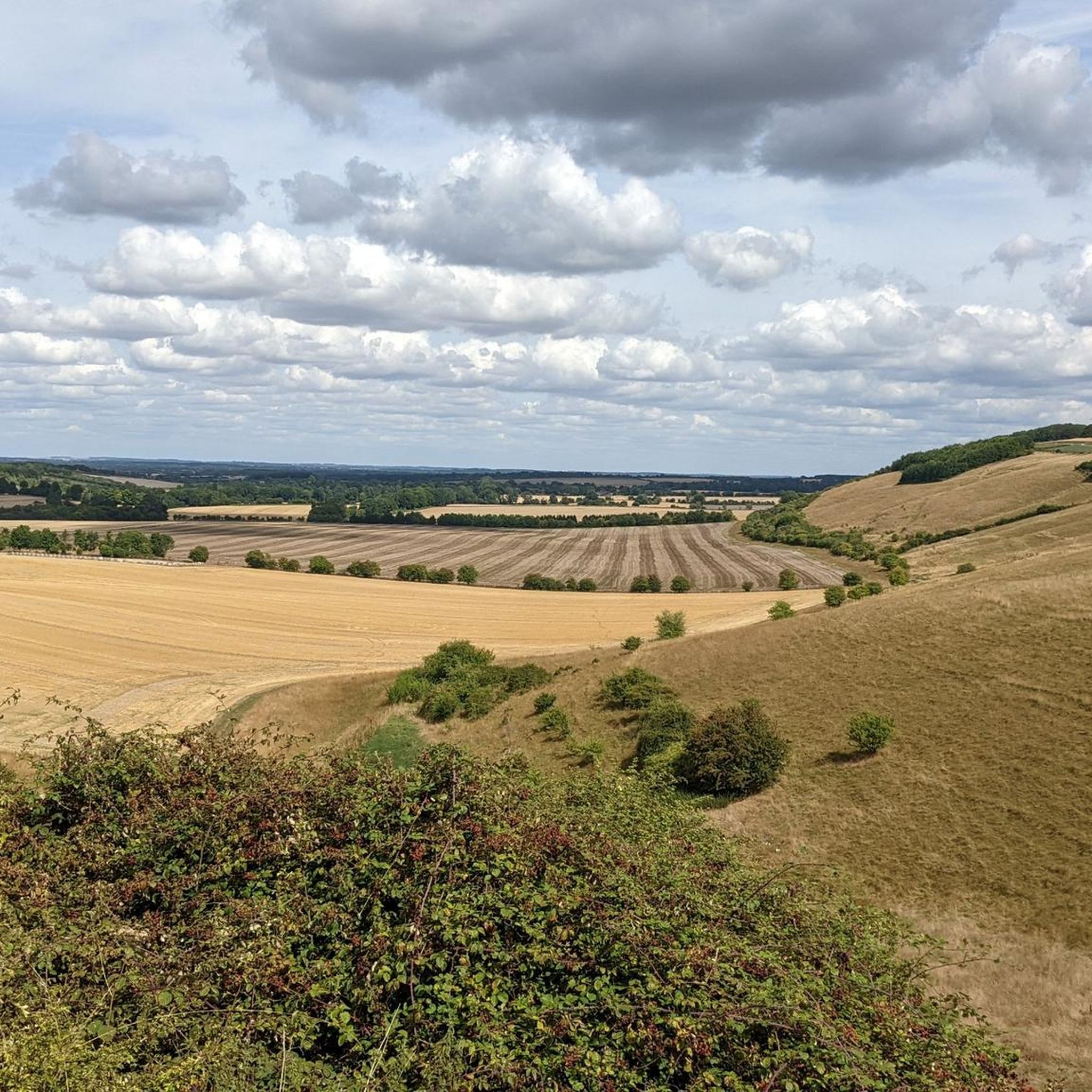
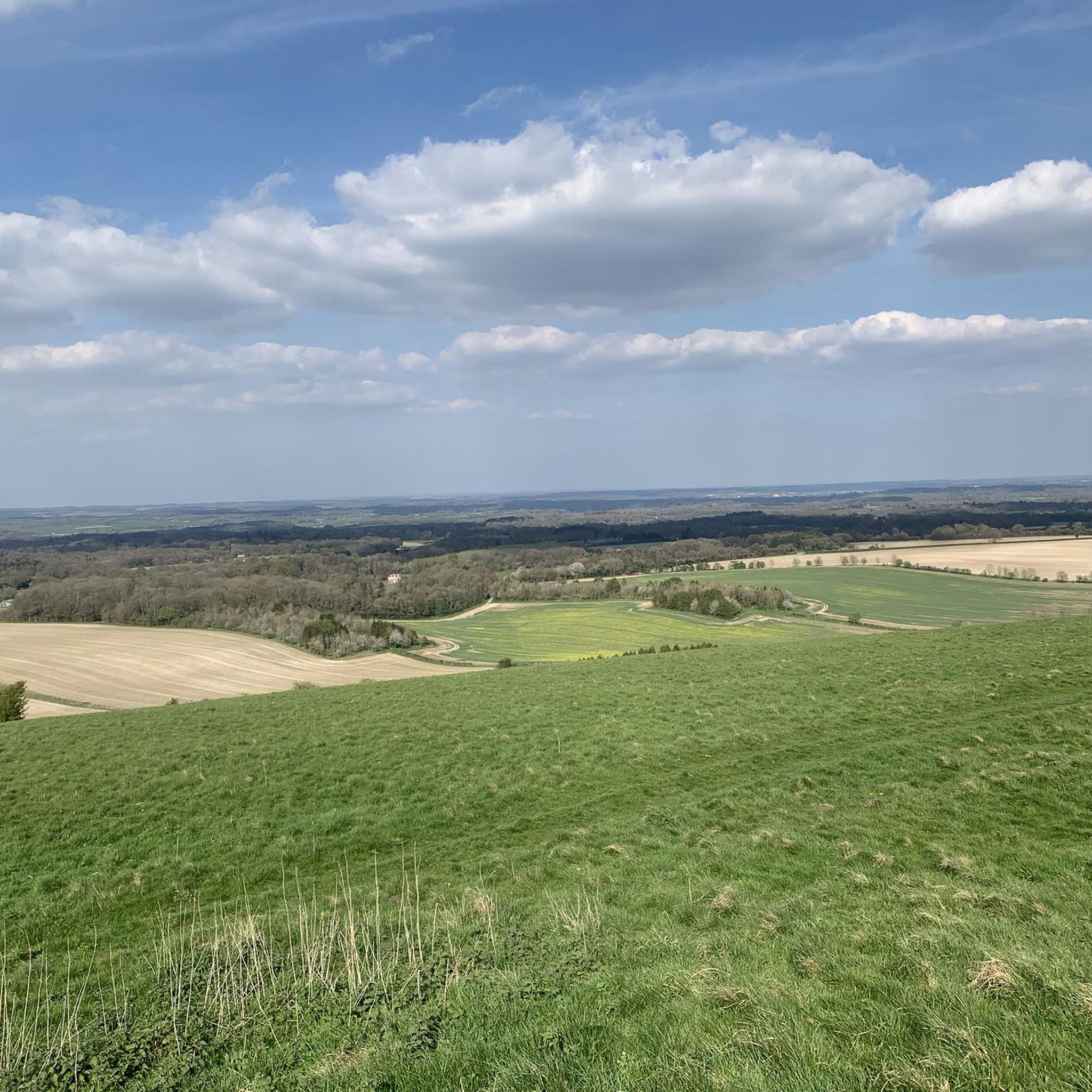
If you’re looking for a spot with a "dark history meets beautiful views" vibe, Combe Gibbet is exactly that. Perched high on Gallows Down (the name gives it away, doesn't it?) on the border of Berkshire and Hampshire, it’s one of the most atmospheric places in the North Wessex Downs. Here’s the story behind this lonely landmark: The "Double Trouble" Origin Story The gibbet isn't just a random decoration; it was built in 1676 for a very specific and grim reason. A local man named George Broomham and his mistress, Dorothy Newman, were convicted of murdering George's wife and son. As a warning to others, the authorities built a massive double-arm gibbet to hang them in chains right on the parish boundary. The one you see today is a replica (the 7th or 8th version!), but it stands in the exact same spot, looking quite eerie against the skyline. Why It’s Actually a Lovely Visit Despite the macabre history, people flock here for reasons that have nothing to do with 17th-century crime: The Views: Because it sits on the crest of the ridge (near Walbury Hill, the highest point in South East England), you can see for miles. On a clear day, you can look across the Kennet Valley all the way to the Cotswolds. The Paragliders: It’s a legendary spot for paragliding and hang-gliding. It’s incredibly relaxing to sit in the grass and watch them launch off the steep scarp and circle over the valley like giant birds. Ancient History: The gibbet is actually built on top of a Neolithic Long Barrow (a 5,000-year-old burial mound). So, it’s been a significant "high place" for humans for a very, very long time.
0
0

Replacements and Legacy: The original gibbet from 1676 eventually deteriorated. The current gibbet is actually the seventh to stand on the site. Previous versions were replaced due to rotting, being struck by lightning, vandalism, or being blown down by strong winds. The current replica was erected in 1992. While the gibbet was only ever used for the display of George Bromham and Dorothy Newman, its grim history has made it a local landmark and a popular spot for walkers, hang-gliders, and paragliders, offering expansive views across Berkshire, Hampshire, and Wiltshire. The story of the murders even inspired a 1948 silent film called "The Black Legend," made by a young John Schlesinger.
2
0
The Gibbet's Purpose: After their execution, their bodies were brought back to Inkpen and prepared for public display. A large, double gibbet was hastily erected on the long barrow. The bodies of George and Dorothy, bound in chains, were then displayed on either side of the gibbet on March 6, 1676, as a stark and gruesome warning to the local community to deter similar crimes. The location was chosen due to its prominence and being on the border of the two parishes, as there was a dispute over which parish should bear the cost of the gibbet.
2
0
The Murders and Gibbeting: The Crime: George Bromham, a married farm labourer from Combe, and Dorothy Newman, a widow from Inkpen, were having an illicit affair. To be together, they murdered George's wife, Martha Bromham, and their son, Robert. Accounts vary, but it's believed they waylaid Martha and Robert and beat them to death with staves near where the gibbet now stands. One dramatic, though likely far-fetched, version suggests George killed his wife by thrusting her head into a hornet's nest. The Witness: The crime was reportedly witnessed by a villager known as "Mad Thomas," who alerted the authorities. Trial and Execution: George Bromham and Dorothy Newman were tried at Winchester Assizes. They were found guilty and hanged in Winchester on March 3, 1676.
2
0

Friday's might be a little busy and noisy. Road is a bit bumpy on the side. BUT, when you climb the Salisbury road, you will see a lovely scenery!
0
0

Any climb is generally worth it for the views at the top, this is in the top few for a far reaching vista.
0
0

This bridge offers breathtaking views up and down the Kennett and Avon Canal in Hungerford. The nearby Tutti Pole is a wonderful place to stop and eat.
1
0
Frequently Asked Questions
How many mountain bike trails are available around Tidcombe And Fosbury?
There are over 30 mountain bike trails around Tidcombe And Fosbury, offering a diverse range of experiences within the North Wessex Downs National Landscape. These routes cater to various skill levels, from easy paths to more challenging rides with significant elevation gains.
What types of terrain can I expect on mountain bike trails in Tidcombe And Fosbury?
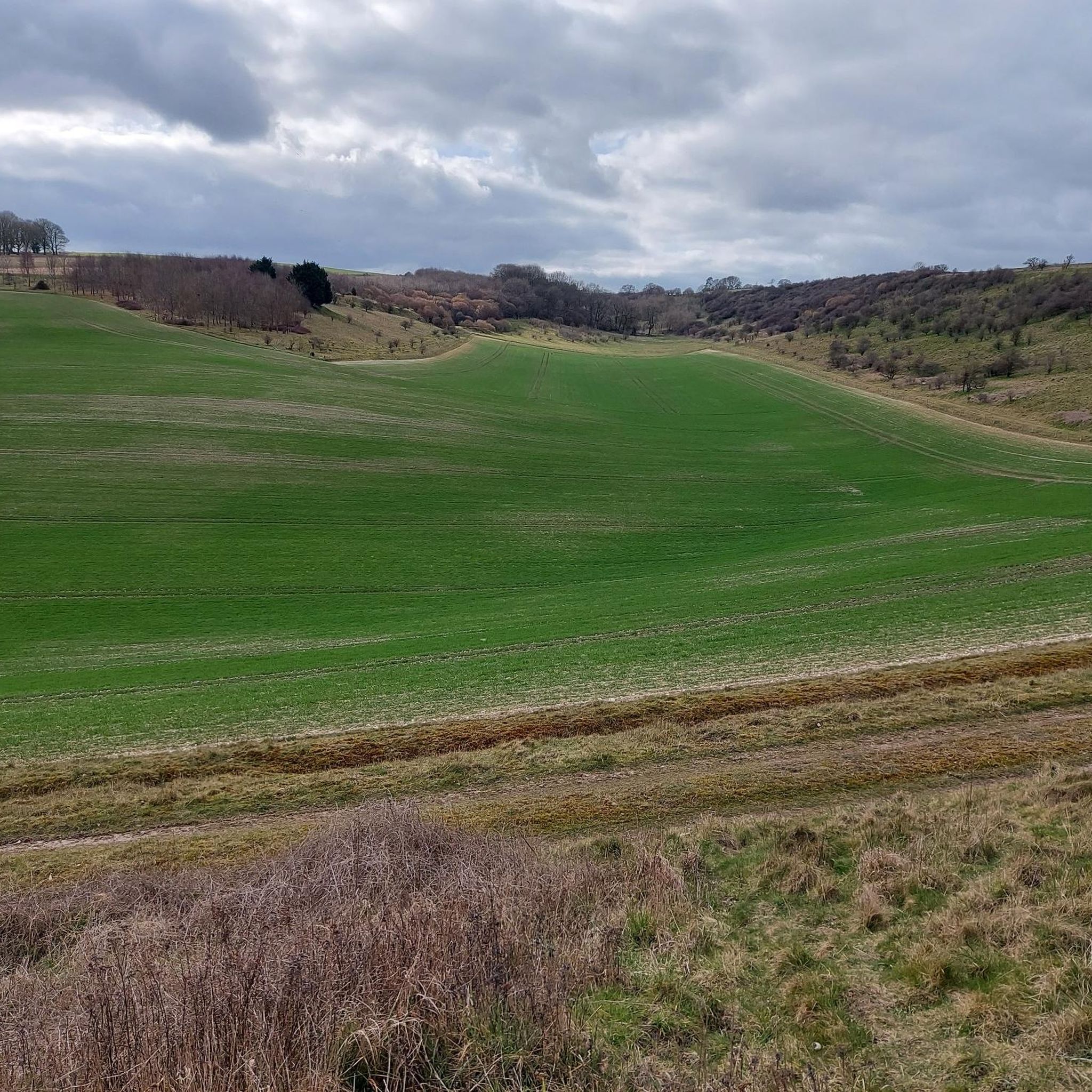
Mountain biking in Tidcombe And Fosbury features a varied landscape. You'll encounter rolling chalk downlands with natural ascents and descents, ancient woodlands that provide technical challenges from roots and natural obstacles, and distinctive small valleys known as 'combes' which create dynamic topography. The dry conditions on chalk trails often provide good grip.
Are there any easy mountain bike trails suitable for beginners or families?
Yes, Tidcombe And Fosbury offers 14 easy mountain bike routes. An excellent option is the View from Combe Gibbet – Combe Gibbet loop from Hurstbourne Tarrant, which is 15.6 miles (25.2 km) long and leads through rolling downland. Another easy route is the Wolfhall Lane – The Royal Oak Pub loop from Bedwyn, covering about 25.3 km.
What historical sites or landmarks can I see while mountain biking in the area?
The region is rich in history. You can cycle past or incorporate ancient earthworks like the Iron Age hill fort of Fosbury Hill Fort. Other notable historical features include Neolithic long barrows and ancient field systems. You might also pass by Combe Gibbet, a historic landmark offering expansive views, or the ruins of Ludgershall Castle.
Are there any circular mountain bike routes in Tidcombe And Fosbury?
Yes, many routes in the area are circular. For example, the challenging Tidworth & Pewsey Downs loop from Great Bedwyn is a 48.5-mile (78.0 km) circular trail. A moderate option is the Inkpen Common – Kennet and Avon Canal Path loop from Great Bedwyn, which is 26.4 miles (42.5 km) and combines canal-side riding with passages through Inkpen Common.
What do other mountain bikers say about the trails in Tidcombe And Fosbury?
The mountain bike trails in Tidcombe And Fosbury are highly rated by the komoot community, with an average score of 3.9 stars from over 10 reviews. Riders often praise the varied terrain, the rewarding ascents and descents across the chalk downlands, and the unique experience of cycling through ancient woodlands and past historical sites.
Are there any trails that offer good viewpoints?
Yes, several trails provide excellent viewpoints. The View from Combe Gibbet – Combe Gibbet loop from Hurstbourne Tarrant is specifically named for the views it offers from Combe Gibbet. The region's rolling downlands naturally provide many elevated spots for scenic vistas, including the View of North Wessex Downs.
Can I find mountain bike routes that include sections along a canal?
Yes, you can. The Inkpen Common – Kennet and Avon Canal Path loop from Great Bedwyn includes sections along the Kennet and Avon Canal Path, offering a different type of scenery and a flatter riding experience in parts.
Are there any challenging mountain bike routes for experienced riders?
Yes, there are 3 difficult mountain bike routes in the area. The Tidworth & Pewsey Downs loop from Great Bedwyn is a difficult 48.5-mile (78.0 km) trail that traverses extensive chalk downlands, offering significant elevation changes and a good workout for experienced riders.
What is the best time of year for mountain biking in Tidcombe And Fosbury?
The rolling chalk downlands often provide good grip due to their dry conditions, making them suitable for riding in various seasons. However, ancient woodlands can become muddy, especially after rain. Spring and autumn generally offer pleasant temperatures and beautiful scenery, while summer provides shaded routes through the woods. Winter rides are possible, but some trails may be rugged and muddy from farm vehicles and horse riders.
Are there any specific climbs or technical sections to be aware of?
The region's dynamic topography, with its chalk downlands and combes, means you'll encounter rewarding ascents and descents. Ancient woodlands add technical challenges with roots and natural obstacles. For a notable climb, consider the Coombe Gibbet Climb – View from Combe Gibbet loop from Bedwyn, which features significant elevation gain.
Where can I find facilities like locks or pumping stations along the trails?
If your route takes you near the Kennet and Avon Canal, you might encounter facilities such as Crofton Locks and Pumping Station, which is an interesting historical and engineering site to see along the way.
Most popular attractions around Tidcombe And Fosbury

Get inspired with the komoot mobile app


Explore more
Browse the best MTB trails in other regions.
