Attractions and Places To See around Wootton Rivers - Top 20
Attractions and places to see around Wootton Rivers include a charming and historic village nestled in the Wiltshire countryside. The area is characterized by its natural beauty, with the Kennet and Avon Canal and the River Kennet running through it, surrounded by picturesque chalk downlands. Visitors can explore a rich past, evident in its historic architecture and ancient monuments. The village itself is a designated conservation area, offering a glimpse into its heritage.
Best attractions and places to see around…
Last updated: June 22, 2026
Silbury Hill
Highlight • Monument
Tip by

Avebury to Ridgeway Track
Highlight • Cycleway
Tip by

Sign up now to discover places like this
Get recommendations on the best single tracks, peaks, & plenty of other exciting outdoor places.
Sign up for free
West Kennet Long Barrow
Highlight • Historical Site
Tip by

Marlborough Town Centre
Highlight • Settlement
Small, sweet shops and cafés, nice houses and alleys make …
Translated by Google •
Tip by

The Polly Tearooms, Marlborough
Highlight • Settlement
Tip by

Sign up for free to discover even more attractions around Wootton Rivers.
Sign up for free
Already have an account?
Start today with a free account
Your next adventure awaits.
Login or Signup

Tips from the Community

The Polly Tea Rooms and restaurant is indeed one of the best-known addresses in the city. - Traditional tea room with history since 1912 in the heart of the High Street. - Known for Cream Tea, homemade scones, cakes, and classic British breakfast and lunch dishes. - Typical English ambiance with historical flair – ideal for a tea break during a city stroll. - The bakery produces bread, scones, and pastries on-site.
1
0
- Stroll along the exceptionally wide High Street – it is considered one of the widest high streets in England and is the heart of the town. - Admire the historic buildings, small boutiques, and independent cafés. The atmosphere is typically English market town. - Visit the historic The Merchant’s House, one of the most interesting historic buildings in town. - Take a short detour to the River Kennet and the small parks behind the High Street. - If you are there on a Wednesday or Saturday, the weekly market is worth a visit.
1
0

Pretty town - about 8 pubs but none of them in the Good Beer Guide. Which tells its own story.
1
0

Beautiful lil town, some lovely walks through the trees too
1
0


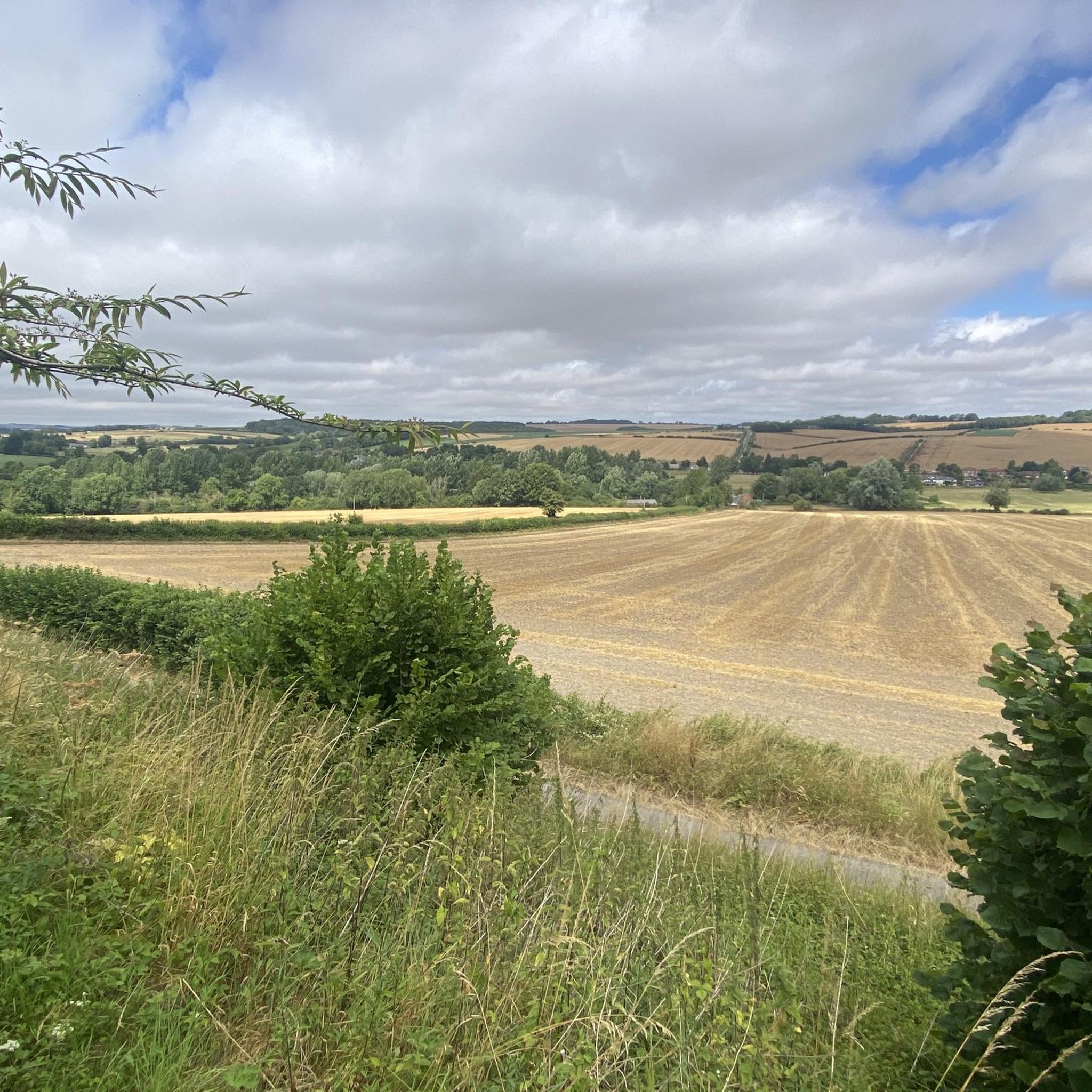
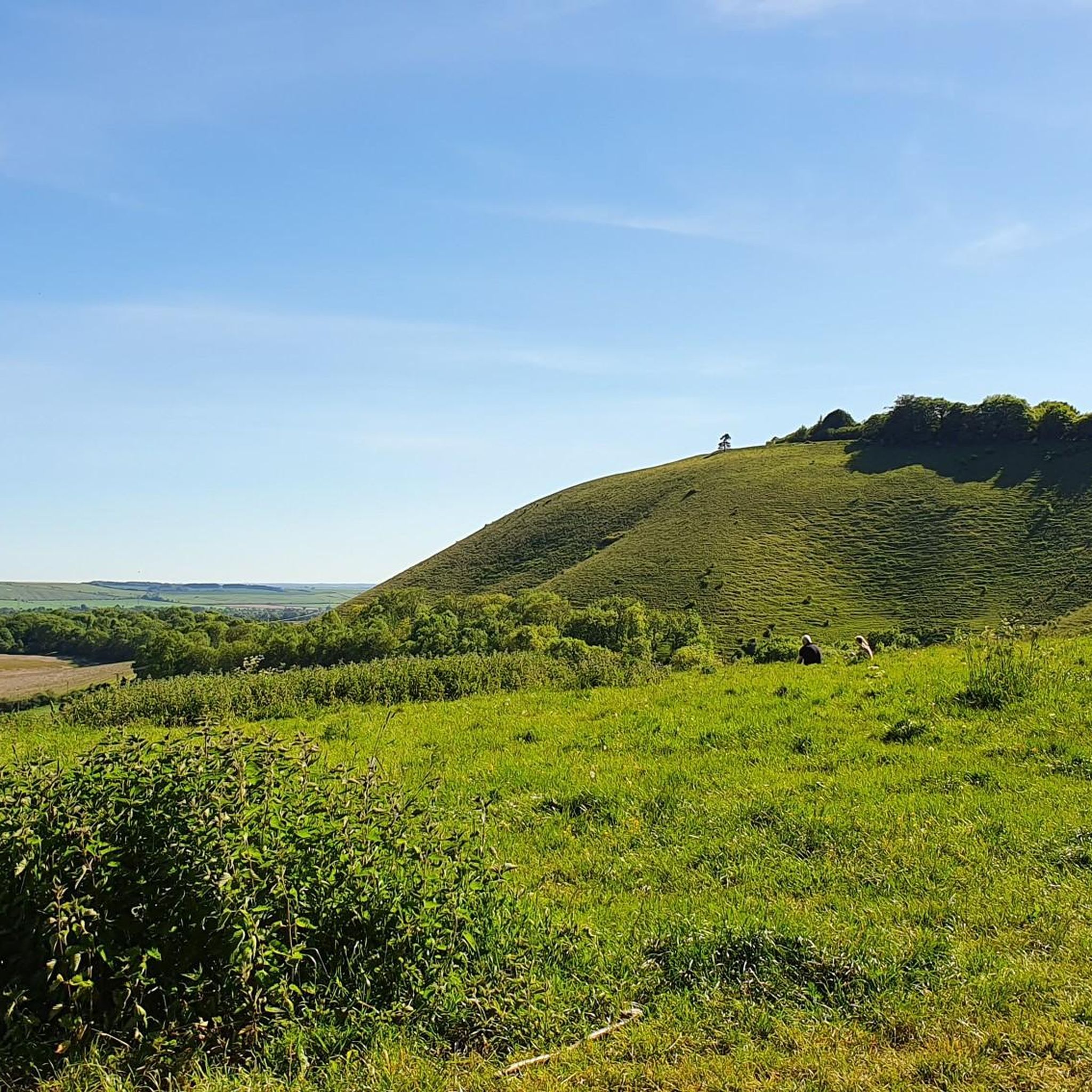
Sidbury Hill, or Sidbury Camp, is the site of an Iron Age bivallate hillfort on the eastern edge of Salisbury Plain in Wiltshire, England. The site is sub-triangular in shape, approximately 17 acres in area, and is constructed on the site of a Neolithic settlement. The hill offers excellent defensive slopes on all sides, which have been supplemented by the double ditch and rampart earthworks. The settlement and hillfort were partially excavated in the 19th century and the 1950s; there were finds of pottery and other artefacts. A Neolithic settlement site was discovered during the excavation in the 1950s, being of a section of the south-east rampart of the hillfort. A number of flint flakes and tools were recovered. The site is a scheduled national monument. Trees planted in the 1960s were removed from 2002 and the area was allowed to revert to the natural chalk downland. Access to the site is difficult as it is on, or near, Ministry of Defence land, and there are many tank tracks and occasional artillery firing in the area. There are also numerous ditches, barrows, trackways, field systems, and tumuli in the area. Due to erosion issues climbing on the barrow is now forbidden. Such a shame, but understandable.
0
0
A well preserved bell barrow, the mound of which measures 22m in diameter and stands up to 2.8m high. The mound is surrounded by a berm up to 5m in diameter and a ditch 0.7m deep and up to 6.2m wide. One of these two bell barrows produced a sherd of Bronze Age pottery and a fragment of a polished greenstone axe, both found by Owen Meyrick. A bell barrow, the mound of which measures 24m in diameter and stands 2.7m high. The berm and ditch which surround this barrow have been levelled by cultivation on three sides but survive as buried features on the fourth. From measurements on the western side it can be seen that the berm is c.3m wide and that the ditch is c.5m wide.
0
0
Who wouldn't want to walk into a neolithic burial chamber? anybody? no? didn't think so!!! It was amazing!!! The monument includes six prominent Bronze Age round barrows which form part of a larger round barrow cemetery north-east of West Kennett Farm and west of the Ridgeway track on Overton Hill. This is the site of a round barrow which, despite being ploughed level, will contain archaeological information; the old ground surface beneath the mound and the surrounding quarry ditch, from which material was quarried during construction of the monument, will survive as buried features. The area of the mound has a diameter of 33m; the surrounding ditch is c.2m wide. A bowl barrow, the mound of which measures 41.5m in diameter and stands up to 1.2m high. The mound is surrounded by a ditch which has become infilled over the years but which survives as a buried feature c.3m wide. This barrow has been partially excavated on two occasions, in 1857 by Thurnham and again in 1882 by W & H Cunnington. The primary cremation burial was not located but two secondary cremations were recovered. One was located north- west of the centre of the mound and was accompanied by a flint scraper and a serrated flint flake; the other was situated east of the centre and contained pottery sherds of two vessels, a beaker and an urn, as well as a piece of antler and several bone pins. A bowl barrow, the mound of which measures 42m in diameter and stands up to 0.7m high. The barrow has been partially excavated on two occasions, in 1857 by Thurnham and in 1882 by Ponting. These revealed that the barrow mound contained a crouched skeleton in a grave partly lined and roofed with sarsens. This was covered by a sarsen cairn, itself ringed by a double circle of sarsen stones c.1m outside the edge of the cairn. There was no evidence of a ditch around this barrow. Other finds included a later crouched skeleton covered with sarsen stones, the skeleton of a child, three large urns full of burnt bones and the perforated head of a bone pin. A well preserved bell barrow, the mound of which measures 26m in diameter and stands up to 3m high. The mound is surrounded by a gently sloping berm or platform c.3m wide and a ditch 0.5m deep and up to 6.4m wide.
0
0
Frequently Asked Questions
What historical sites can I explore around Wootton Rivers?
Wootton Rivers and its surroundings are rich in history. You can visit the 12th-century St. Andrew's Church, known for its stained-glass windows and unusual three-faced clock. The village also features historic architecture like the 15th-century Manor House and 17th-century Church Farmhouse. For ancient history, explore West Kennet Long Barrow, a Neolithic burial chamber older than Stonehenge, where you can enter some of the chambers. Another significant site is Devil's Den Dolmen, a neolithic passage grave on Fyfield Hill.
Are there any ancient monuments near Wootton Rivers?
Yes, the area is home to several impressive ancient monuments. The most prominent is Silbury Hill, the largest artificial mound in Europe, whose purpose remains a mystery. You can also visit West Kennet Long Barrow, a well-preserved Neolithic burial chamber, and Devil's Den Dolmen, a striking dolmen burial chamber. Additionally, a group of Bronze Age round barrows can be found on high ground in the northeast of the parish.
What natural attractions are there in Wootton Rivers?
The village is set amidst beautiful natural landscapes. The Kennet and Avon Canal runs through Wootton Rivers, offering opportunities for boating, fishing, and leisurely walks along its towpath. The River Kennet also flows nearby, and the village is surrounded by picturesque countryside within the Vale of Pewsey, characterized by chalk downlands. The edge of Savernake Forest is also close to the village's northeast corner.
Can I go hiking or walking near Wootton Rivers?
Absolutely. The area around Wootton Rivers is ideal for hiking and walking. You can find various routes, including those that take you through the Vale of Pewsey and along the Kennet and Avon Canal. For more detailed options, explore the Hiking around Wootton Rivers guide, which includes routes like the moderate 12.8 km loop from Wootton Rivers to Giant's Grave Hillfort.
Are there cycling routes available around Wootton Rivers?
Yes, there are several cycling opportunities. The Kennet and Avon Canal towpath offers a relatively flat route for leisurely rides. For more challenging options, you can explore the MTB Trails around Wootton Rivers guide, which features routes such as the King Alfred's Way: Marlborough and Avebury Loop.
What is there to do for families in the Wootton Rivers area?
Families can enjoy exploring the historic village itself, with its charming architecture. A walk along the Kennet and Avon Canal towpath is a pleasant activity, where you might spot various wildlife. The nearby market town of Marlborough Town Centre is also considered family-friendly, offering shops and cafes. For a unique historical experience, older children might enjoy visiting West Kennet Long Barrow and going inside the ancient chambers.
Where can I experience the local village charm and architecture?
The village of Wootton Rivers itself is a designated conservation area, offering a picturesque setting with many historic buildings. You can stroll along the village streets to admire timber-framed thatched houses and red-brick cottages, many dating from before 1800. The 16th-century The Royal Oak pub also provides a glimpse into local history and hospitality.
Are there any unique local features or hidden gems to discover?
Beyond the main attractions, you can discover unique local features like Mud Lane, an ancient trackway where a carving of the Green Man can be found in a tree stump. The village's St. Andrew's Church is also notable for its unusual three-faced clock. The overall charm of the conservation area, with its blend of historic buildings, offers a unique experience.
What do visitors particularly enjoy about the attractions near Wootton Rivers?
Visitors appreciate the rich history and natural beauty of the area. For instance, Silbury Hill is enjoyed for its mysterious historical significance and the views it offers. West Kennet Long Barrow is highly rated for the unique experience of entering the ancient burial chambers. The historical sites are often described as offering amazing views and being well-planned for exploration.
Is the Kennet and Avon Canal suitable for leisurely activities?
Yes, the Kennet and Avon Canal is perfect for leisurely activities. Its towpath provides a flat and scenic route for walking, jogging, or cycling. It's also a popular spot for boating and fishing, and you can often observe various wildlife, including ducks, swans, and herons, making it a tranquil place to spend time outdoors.
Are there any pubs or places to eat near the walking routes?
The village's own The Royal Oak, housed in a 16th-century building, serves as a public house and restaurant, making it a convenient stop for refreshments after a walk. Many walking routes in the wider area will also pass through or near other villages with local pubs and cafes.
What kind of wildlife can I expect to see along the Kennet and Avon Canal?
The Kennet and Avon Canal is a haven for wildlife. You can commonly spot various waterfowl such as ducks, swans, and coots. Herons are also frequently seen along the banks, and if you're lucky, you might catch a glimpse of kingfishers or even otters. The surrounding countryside also supports a diverse range of birdlife and small mammals.
Are there any easy walks suitable for all abilities?
Yes, the towpath along the Kennet and Avon Canal offers relatively flat and easy walking suitable for most abilities. For more specific easy routes, you can consult the Easy hikes around Wootton Rivers guide, which includes routes like the 6.1 km Kennet and Avon Canal – Pewsey loop from River Avon.
Most popular routes around Wootton Rivers
Most popular attractions around Wootton Rivers

Get inspired with the komoot mobile app


Explore more
Still not found the Highlight you’re looking for? See guides of the top attractions in other regions:
