Attractions and Places To See around Collingbourne Ducis - Top 20
Best attractions and places to see around Collingbourne Ducis include a blend of historical sites, natural beauty, and archaeological points of interest in Wiltshire, England. The village is situated on the River Bourne and lies on the edge of the North Wessex Downs Area of Outstanding Natural Beauty, offering varied landscapes. Its history, dating back to Roman times, is evident in landmarks and archaeological finds, providing a rich context for exploration. This area features notable landmarks, viewpoints, and natural features…
Last updated: August 25, 2026
Crofton Locks and Pumping Station
Highlight • Rest Area
Tip by

Salisbury Plain
Highlight • Forest
Tip by

Sign up now to discover places like this
Get recommendations on the best single tracks, peaks, & plenty of other exciting outdoor places.
Sign up for free
Wolfhall Manor
Highlight • Other
Tip by

Ludgershall Castle Ruins
Highlight • Historical Site
Castle probably began construction in the late 11th century and was improved in the 13th century by King John and …
Tip by

Wilton Windmill
Highlight • Monument
Tip by
Sign up for free to discover even more attractions around Collingbourne Ducis.
Sign up for free
Already have an account?
Start today with a free account
Your next adventure awaits.
Login or Signup

Tips from the Community


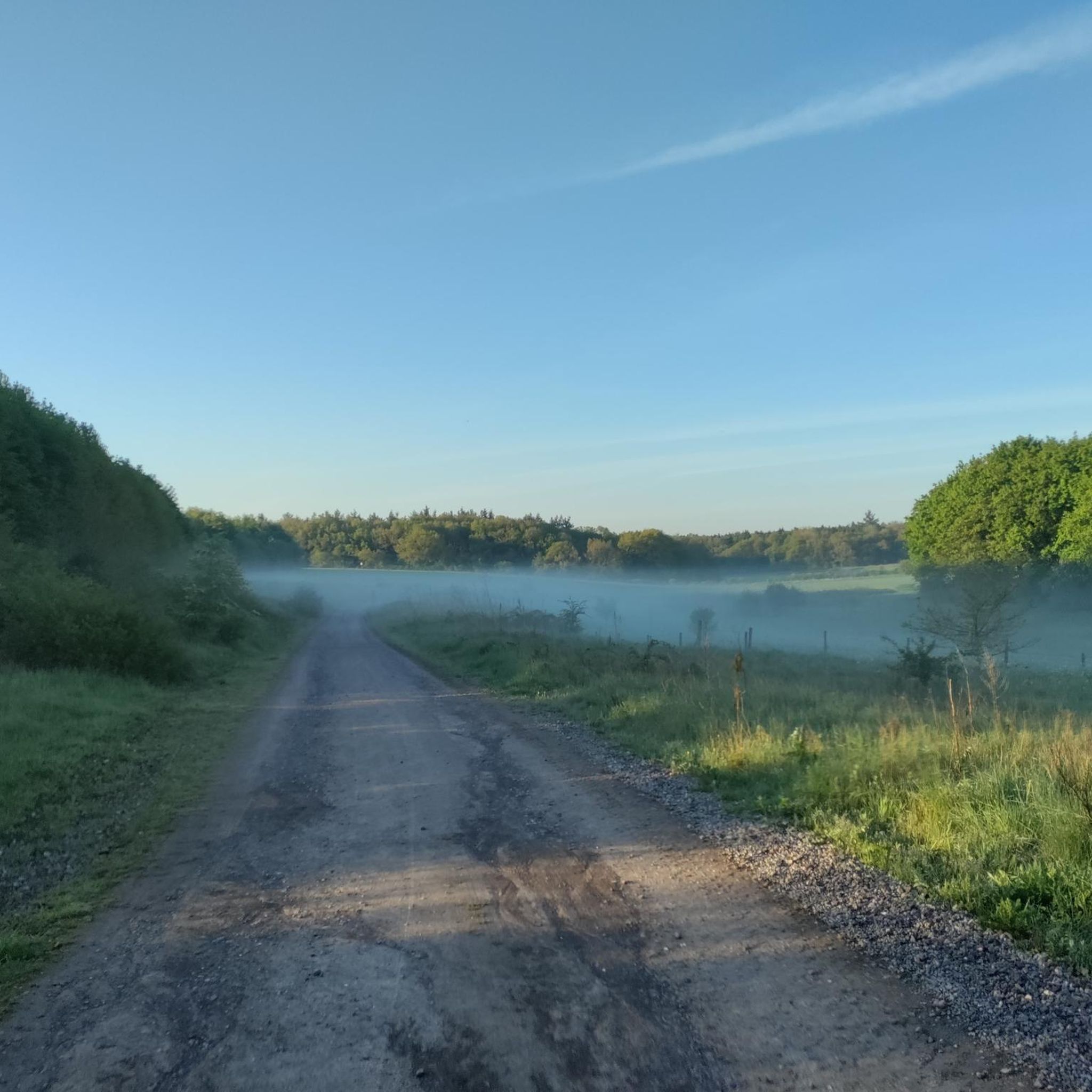
Crofton Pumping Station advertises that it has the oldest working steam engine in the world. The idea was actually to route the canal through a mountain at a lower altitude using a tunnel. But this project was too expensive and too complex. That's why the pumping station was built. It once reliably filled the canal with water at the geographically highest points of the route.
0
0

The windmill can be visited on Sundays between 2 and 5 pm but only from Easter to September.
0
0

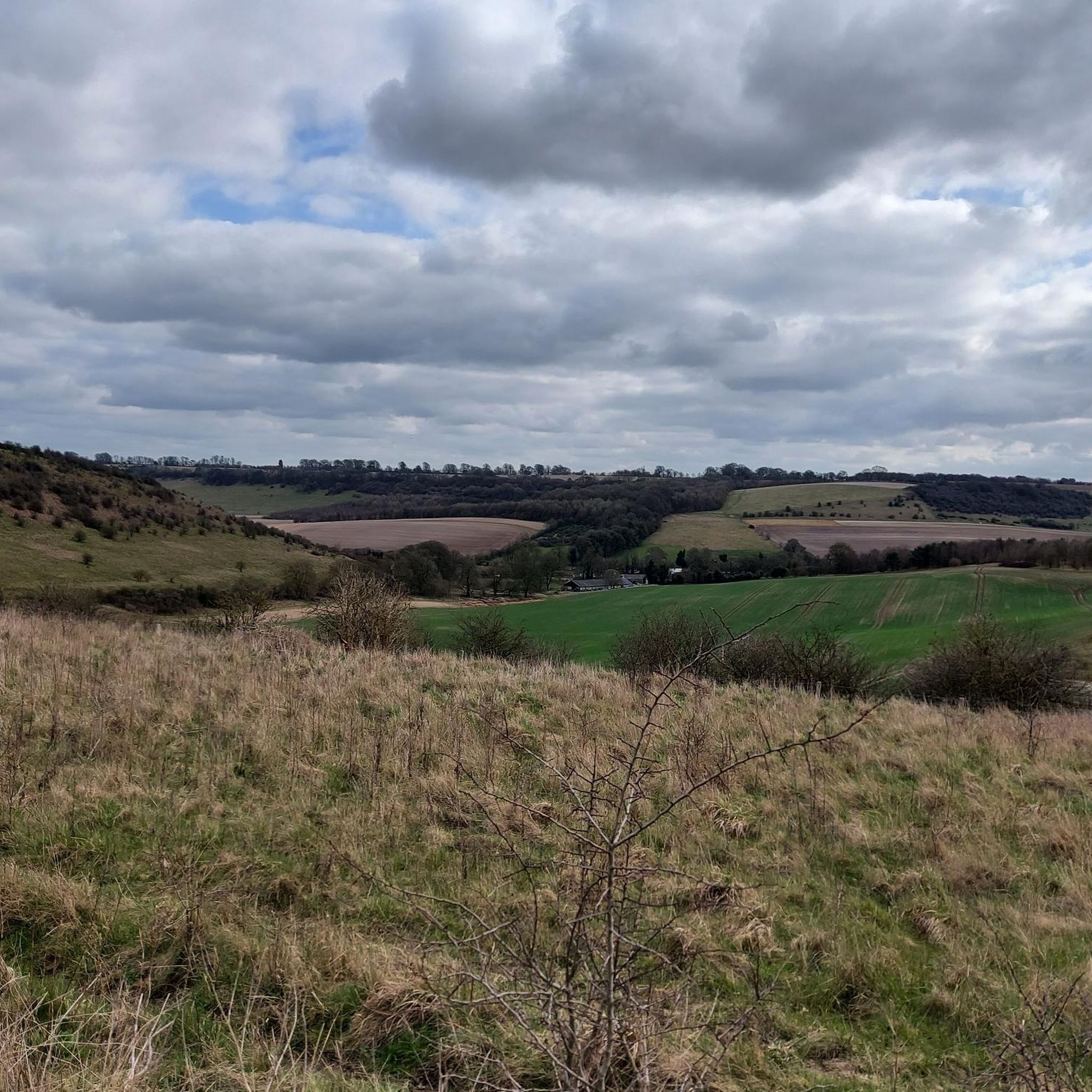
Standing proud on the top of a hill in the midst of the rolling Wessex Downs, Wilton Windmill is the only working windmill in Wessex, still producing wholemeal, stone-ground flour. Visitors are welcome to view the mill at any time, however to go inside the windmill (paid entry) or cafe, seasonal opening hours apply.
0
0
Looked after by English Heritage but free to enter, Ludgershall Castle probably began construction in the late 11th century and was improved in the 13th century by King John and his son Henry III, when it was used as a hunting lodge. Today, the atmospheric ruins comprise three large walls and extensive earthworks. Also worth seeing is the 14th-century cross nearby in the centre of Ludgershall village.
0
0

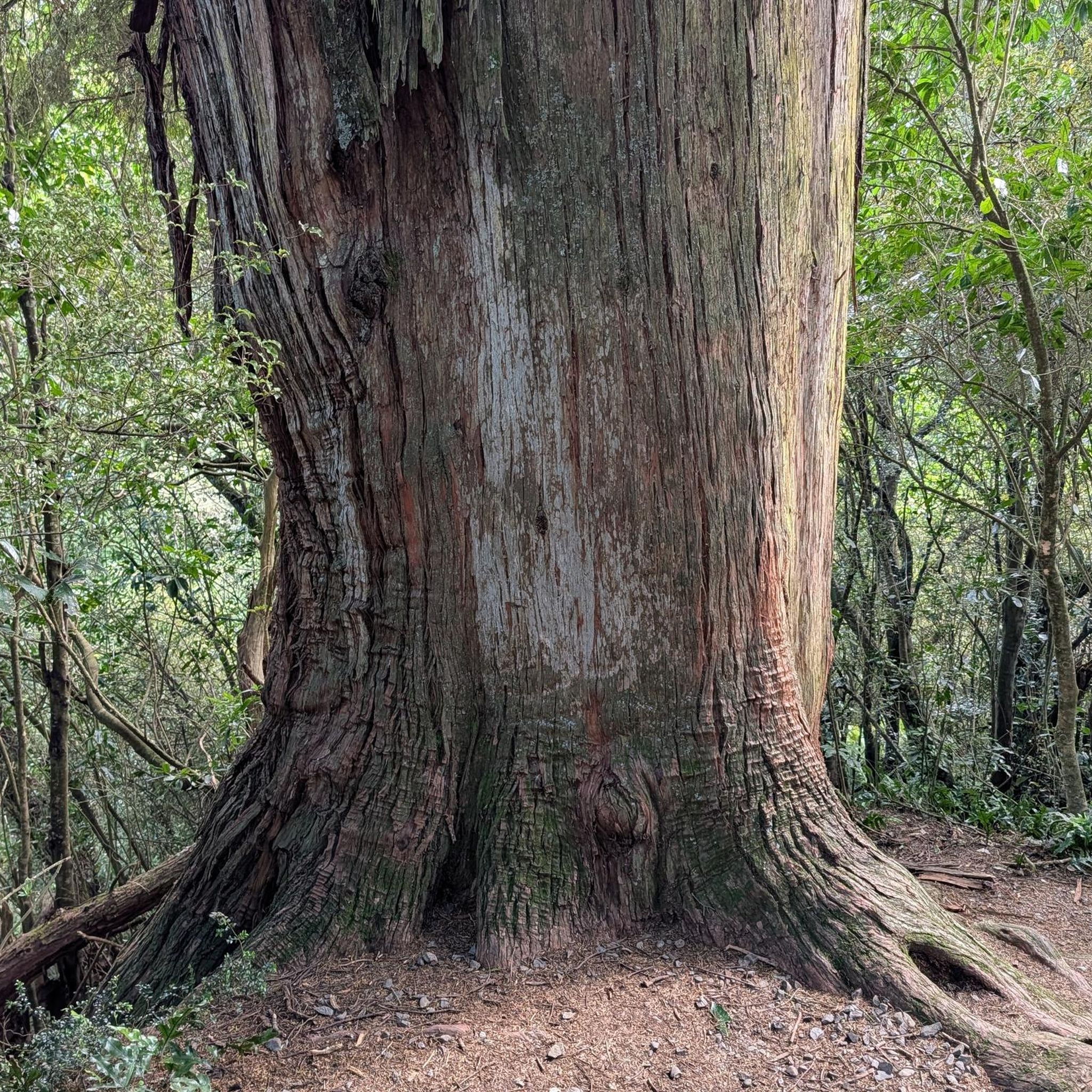
Wulfhall or Wolf Hall is an early 17th century manor house. A previous manor house on the same site was the seat of the Seymour family. Jane Seymour was married to King Henry VIII. This was an inspiration for the book Wolf Hall, a Man Booker prize winning noval by Hillary Mantel.
0
0

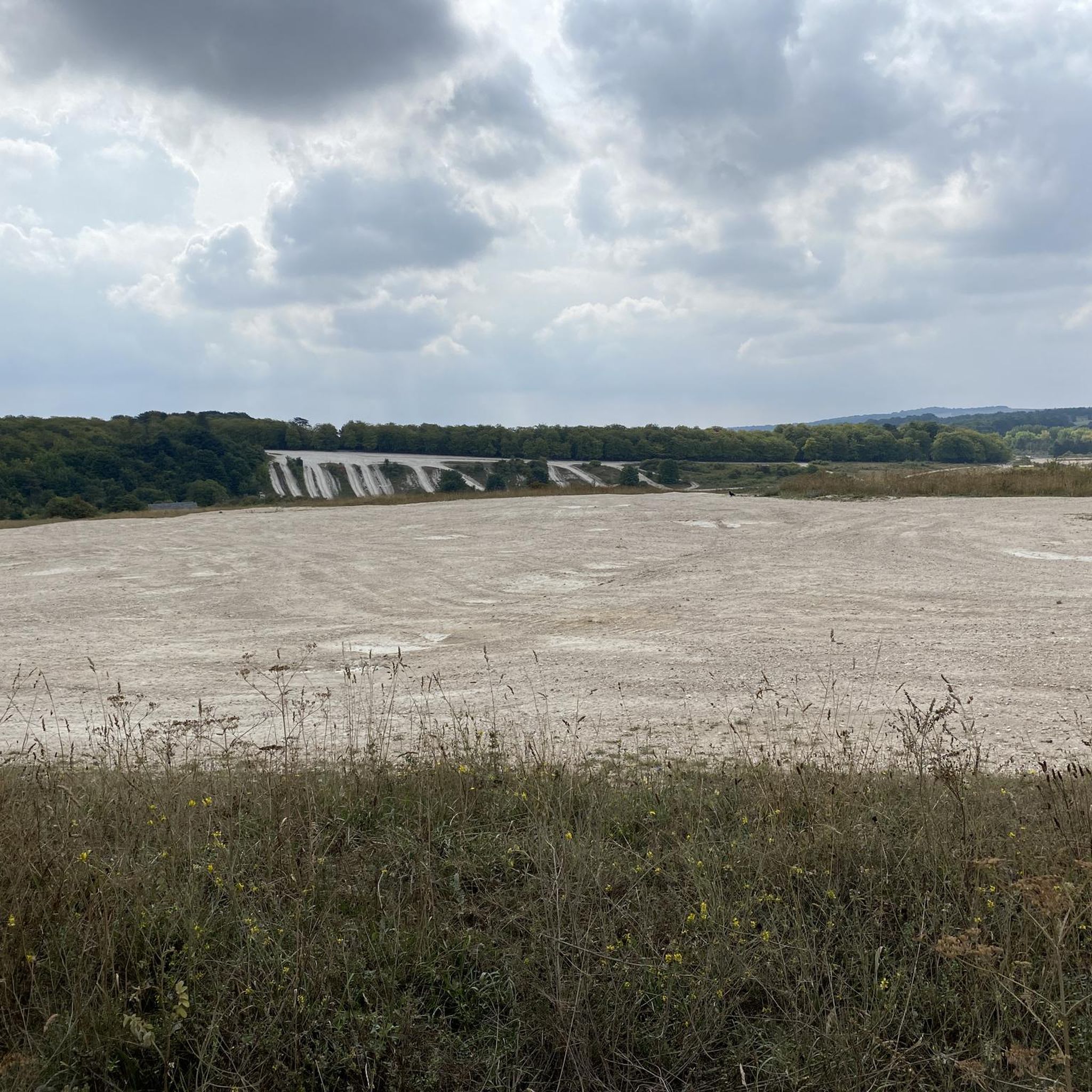
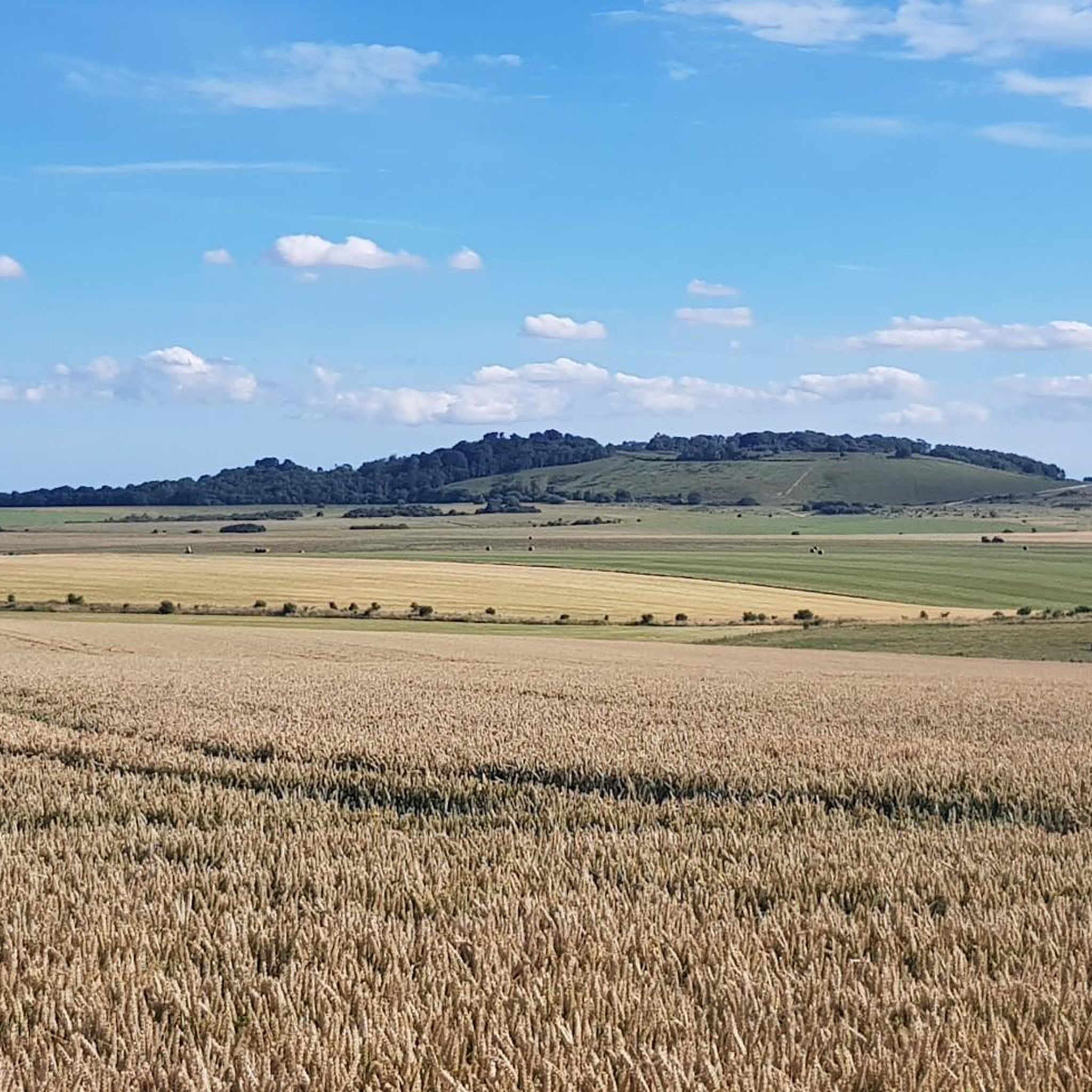
Bleak and desolate yet utterly captivating and atmospheric, Salisbury Plain is a wonderful place. With loads of gravel tracks to explore, there’s plenty to keep you entertained. Be mindful of the military ranges, though.
2
0

There is a WWII pill box next to the parking lot. It's part of the defense line along the canal. https://pennypost.org.uk/2020/02/the-role-of-pillboxes-along-the-kennet-avon-canal-during-ww2/
0
0
Frequently Asked Questions
What natural features and outdoor spaces can I explore around Collingbourne Ducis?
Collingbourne Ducis is nestled on the River Bourne and is surrounded by picturesque countryside, making it ideal for walkers. The village lies on the edge of the North Wessex Downs Area of Outstanding Natural Beauty, offering numerous walking trails and breathtaking views. You can also visit Salisbury Plain, a vast chalk plateau known for its unique landscapes and wildlife. Don't miss Collingbourne Wood, especially in spring for its impressive bluebell displays.
Are there historical sites to visit in Collingbourne Ducis?
Yes, the area is rich in history. St. Andrew's Church, a Grade II* listed building, showcases beautiful Norman architecture. The village also has one of Wiltshire's largest Anglo-Saxon cemeteries. Nearby, you can explore the atmospheric Ludgershall Castle Ruins, once a hunting lodge for King John, or the historic Crofton Locks and Pumping Station, featuring the oldest working steam engine in the world.
What archaeological discoveries can be found in the area?
Collingbourne Ducis has evidence of continuous human occupation since Neolithic times. Roman coins, pottery, and artifacts are frequently discovered. You can find Bronze Age burial mounds on Winton Hill and a Neolithic tomb, the Collingbourne Kingston Long Barrow, to the east. Extensive barrow cemeteries at Snail Down and Cow Down also provide further archaeological insights.
Are there any unique historical landmarks within Collingbourne Ducis village itself?
Within the village, you can spot a rare Victorian Post Box at Sally Lunn's Cottage, one of the few original surviving examples inset into a flint cobble wall. The Roman Road (A338) forms the village's main street, echoing an ancient thoroughfare. The village is also noted for its historic thatched cottages, some dating back to the 17th and 18th centuries.
What outdoor activities are available near these attractions?
The region offers a variety of outdoor activities. You can find numerous hiking trails, including easy hikes around Collingbourne Ducis, and more challenging routes through the North Wessex Downs. Gravel biking is also popular, with routes like the Salisbury Plain Perimeter Path. For detailed routes and guides, explore the hiking and gravel biking guides for the area.
Are there family-friendly attractions around Collingbourne Ducis?
Yes, several attractions are suitable for families. Crofton Locks and Pumping Station offers a cafe, gift shop, and picnic area, alongside the fascinating steam engines. Ludgershall Castle Ruins are free to enter and provide an engaging historical setting for exploration. Wilton Windmill, the only working windmill in Wessex, is also a great family visit, especially on Sundays from Easter to September when you can go inside.
When is the best time to visit Collingbourne Ducis for outdoor activities?
The spring is particularly beautiful, especially for visiting Collingbourne Wood to see the bluebells. The North Wessex Downs offer pleasant walking conditions throughout spring, summer, and early autumn. Always check local weather conditions before heading out for any outdoor activity.
Where can I find walking trails suitable for different difficulty levels?
The area offers a range of walking trails. You can find easy hikes, such as the Ludgershall Castle loop from Ludgershall, or the Wilton Windmill loop. For more moderate to difficult options, explore routes like the Ludgershall & Collingbourne Wood loop. Detailed information on various routes and their difficulty can be found in the easy hikes and general hiking guides for Collingbourne Ducis.
Are there any specific natural areas known for wildlife or scenic beauty?
Collingbourne Wood is renowned for its impressive bluebell displays in the spring and is predominantly broadleaf. The North Wessex Downs Area of Outstanding Natural Beauty provides stunning views and is home to various wildlife. Salisbury Plain, a vast chalk plateau, is also a wildlife haven with rare plants and animals.
What are some notable nearby attractions outside the immediate village?
Beyond Collingbourne Ducis, you can visit world-renowned prehistoric sites like Avebury Stone Circle, West Kennet Long Barrow, The Sanctuary, Silbury Hill, and Stonehenge. The atmospheric ruins of Ludgershall Castle and the working Wilton Windmill are also within easy reach.
Can I find dog-friendly walking routes in the area?
Many of the walking trails through the North Wessex Downs and around Collingbourne Wood are suitable for dogs, provided they are kept under control, especially near livestock or wildlife. Always check local signage for specific restrictions in certain areas or nature reserves.
What is the significance of Salisbury Plain near Collingbourne Ducis?
Salisbury Plain is a vast chalk plateau stretching 300 square miles, known for its bleak yet captivating landscapes and rich history. It's a significant wildlife haven, home to rare plants and animals, and includes two national nature reserves. Around half of the plain is used as a military training area, so visitors should be mindful of warning signs regarding army operations.
How can I learn more about the local history of Collingbourne Ducis?
The village has a rich history dating back to Roman times. You can visit St. Andrew's Church, explore the site of the Anglo-Saxon cemetery, and observe the Roman Road (A338) that runs through the village. For more detailed historical context, you can refer to resources like the Wiltshire Council's community history page for Collingbourne Ducis at wiltshire.gov.uk.
Most popular routes around Collingbourne Ducis

Get inspired with the komoot mobile app


Explore more
Still not found the Highlight you’re looking for? See guides of the top attractions in other regions:
