The best cycling routes around Lake Nero
3.9
(29)
486
riders
8
rides
Touring cycling routes around Lake Nero traverse a diverse landscape, primarily characterized by alpine environments in the Italian Alps and Apennines. The region features high-altitude meadows, forests of beeches and silver firs, and glacial lakes. Terrain varies from unpaved roads and dirt paths to old military roads, offering a range of challenges for cyclists.
Best touring cycling routes around Lake Nero
- The most popular touring cycling route is Valle Rossa Scenic Road – Lake Gaiano loop from Valcanale, a…
Last updated: May 9, 2026
8
riders
28.0km
02:34
1,060m
1,070m
Hard bike ride. Very good fitness required. Mostly paved surfaces. Suitable for all skill levels.
4.0
(1)
29
riders
24.0km
02:27
890m
900m
Hard bike ride. Very good fitness required. You may need to push your bike for some segments of this route.

Sign up for free
3.0
(1)
44
riders
24.1km
02:05
870m
870m
Hard bike ride. Very good fitness required. Mostly paved surfaces. Suitable for all skill levels.
8
riders
16.9km
01:21
510m
510m
Hard bike ride. Very good fitness required. Mostly paved surfaces. Suitable for all skill levels.
Get access to more routes and recommendations from other explorers.
Sign up for free
Already have an account?
Our route recommendations are based on thousands of hikes, rides, and runs completed by other people on komoot.
Start today with a free account
Your next adventure awaits.
Login or Signup
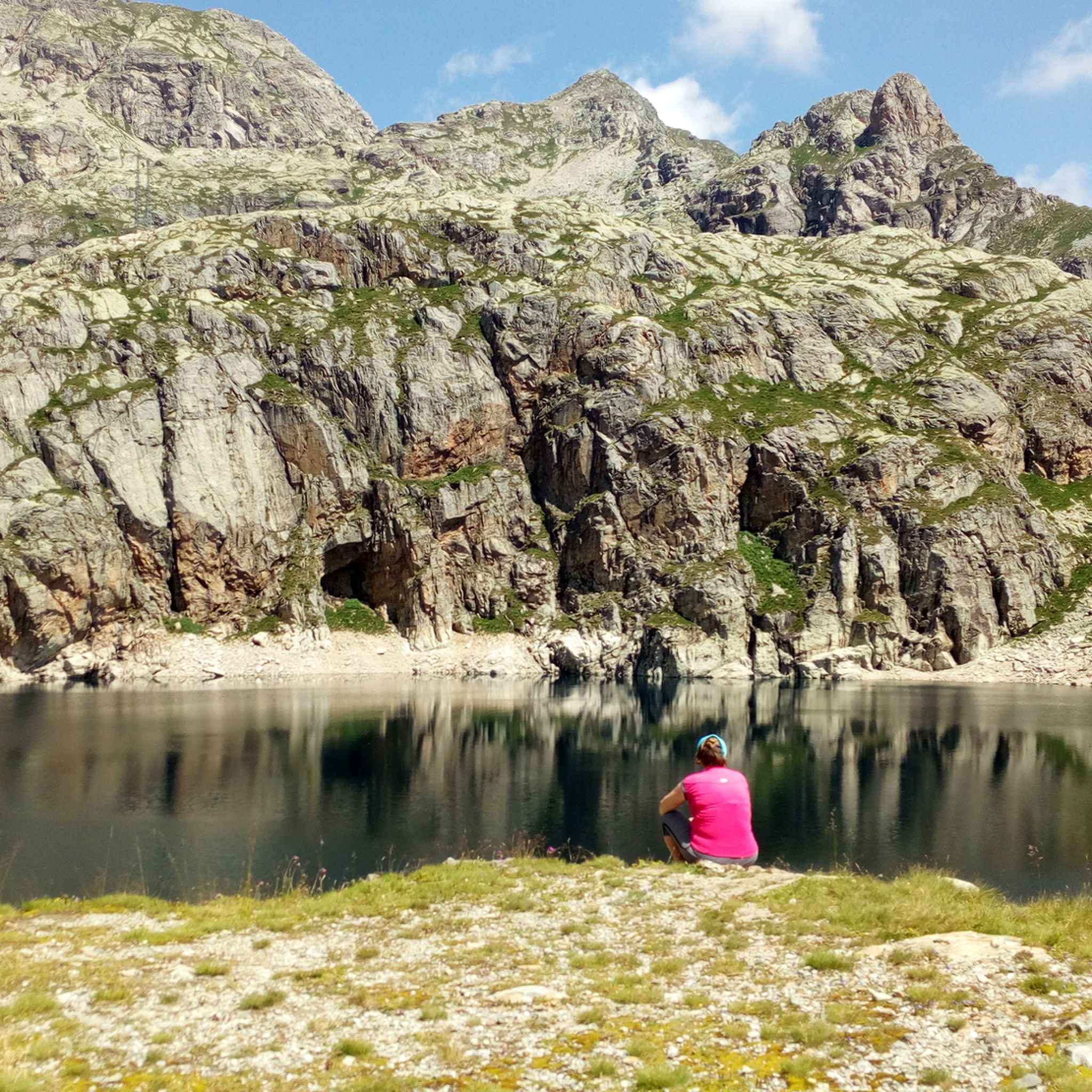
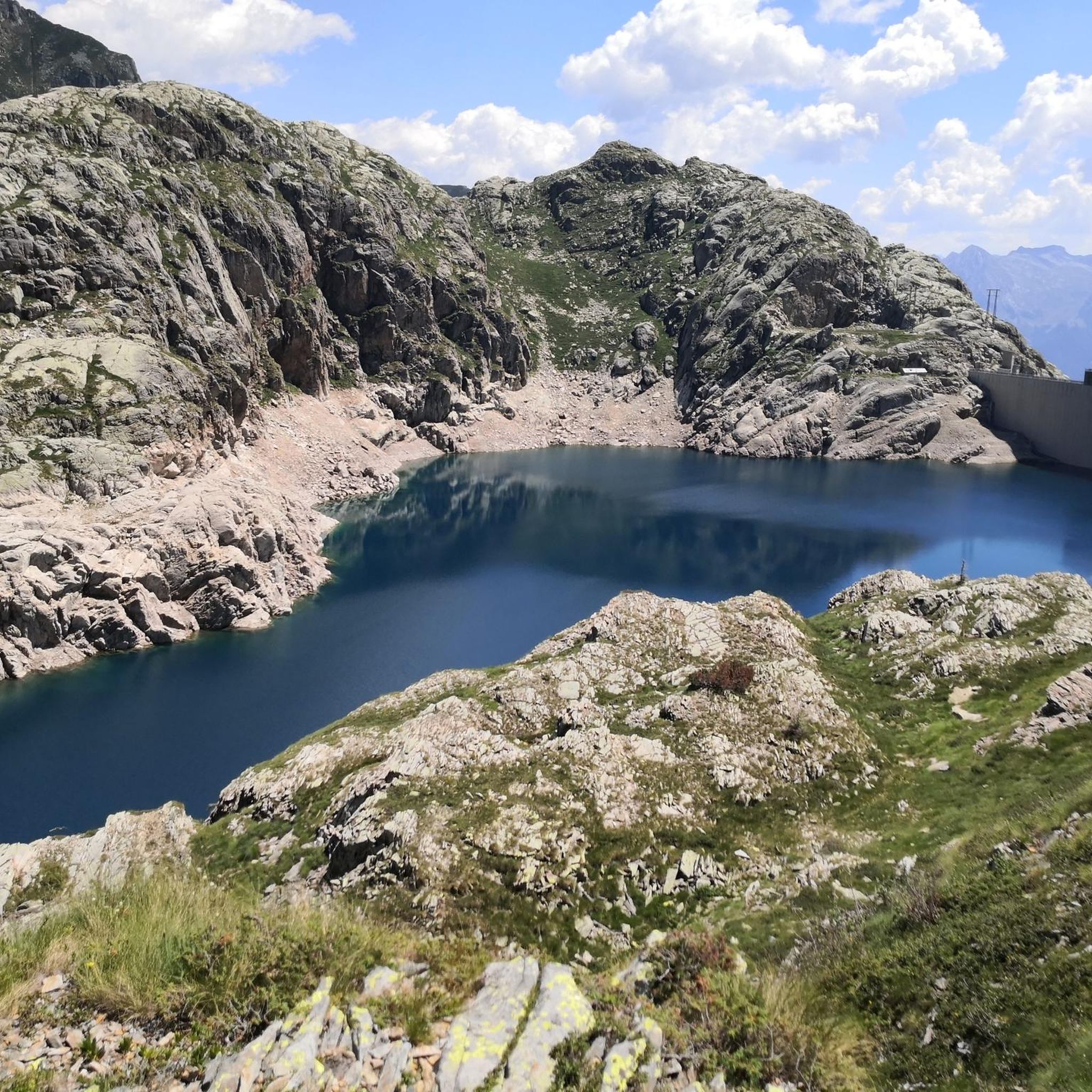
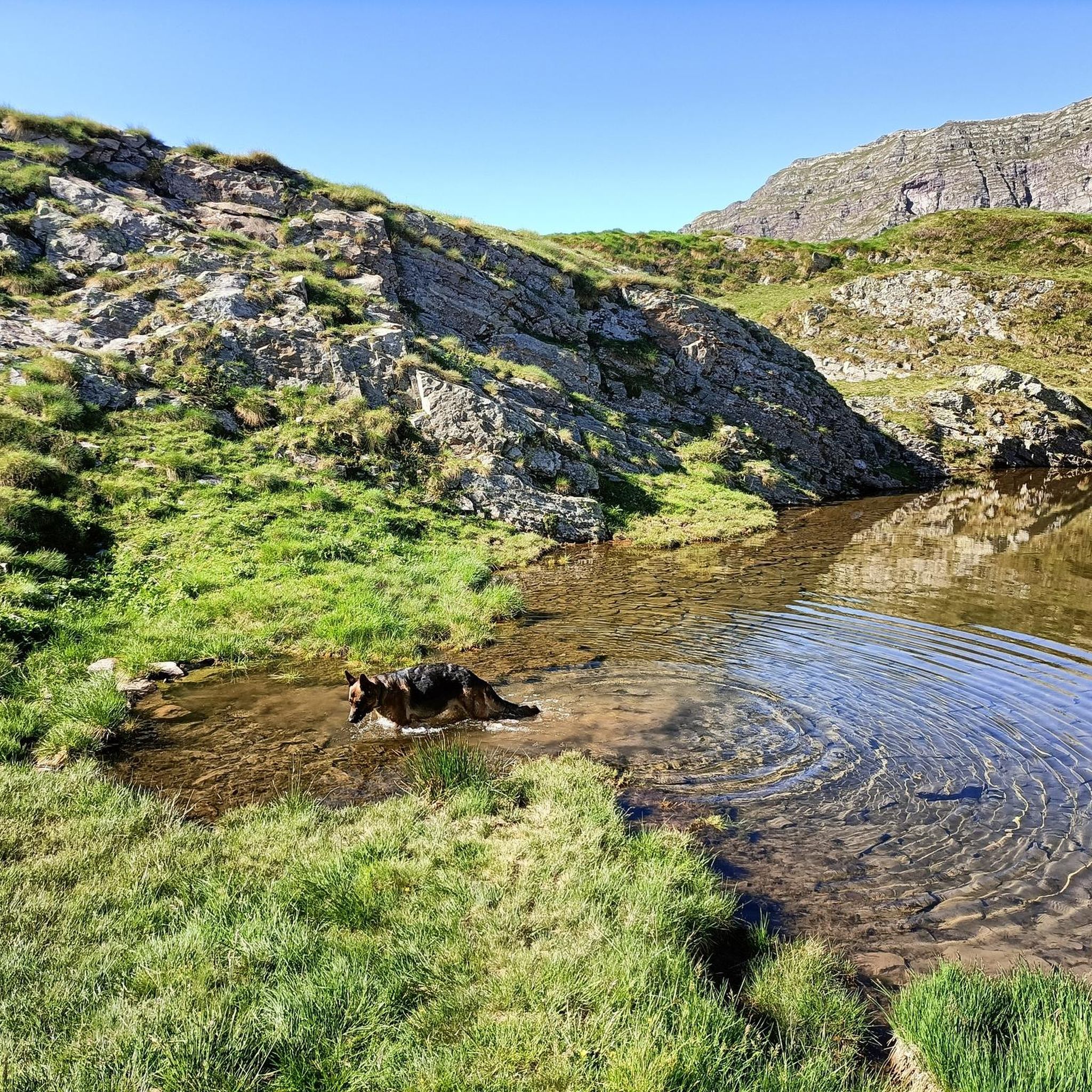
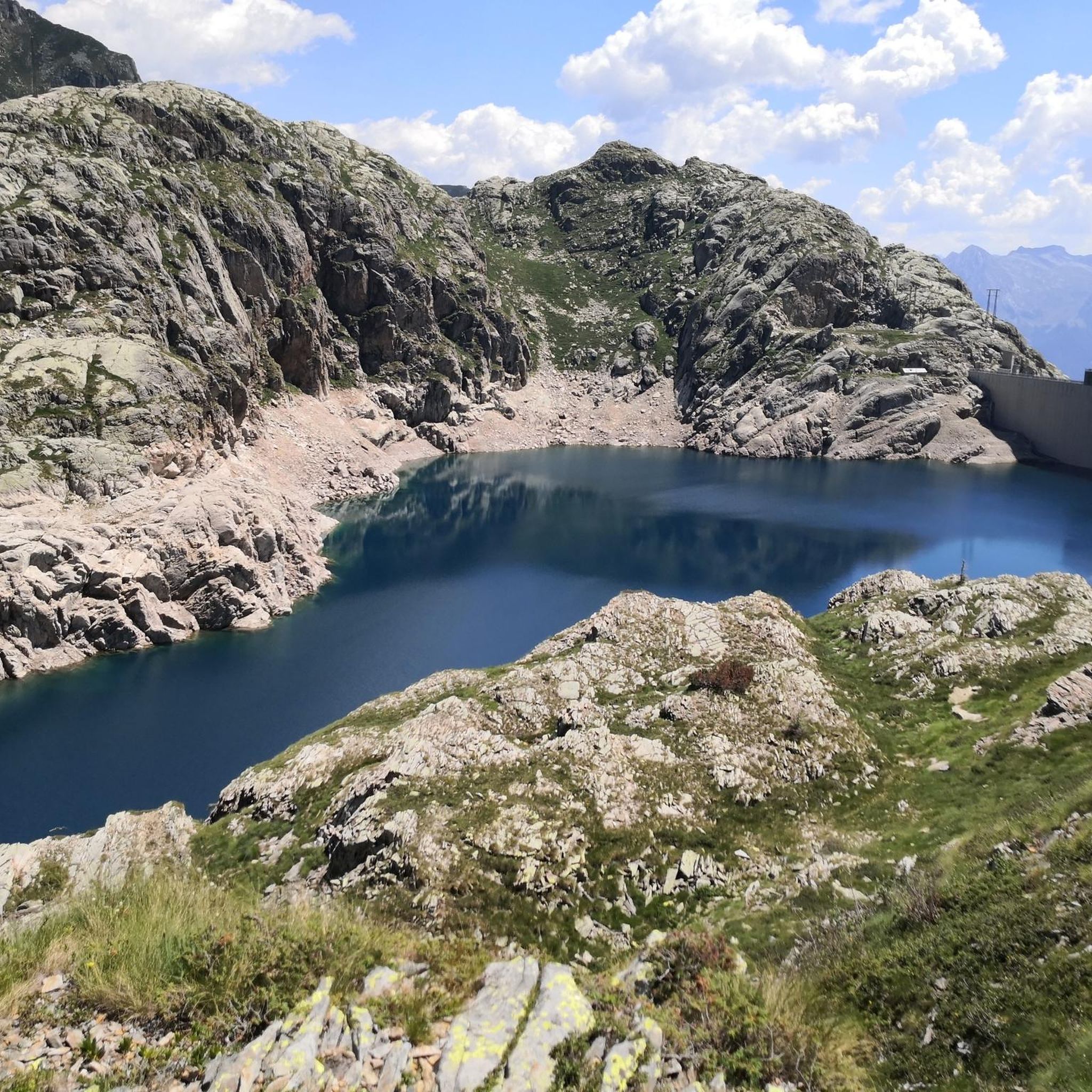

Tips from the Community

The Ginami castle or Buccelleni castle is located in the ancient market square then Piazza Dante in Gromo in the upper Seriana valley, it was built in the 13th century by the Buccelleni family for military use as evidenced by the armigerous tower, a symbol of the town. Built on a spur, height or grumo of rock, it will probably be this position that gives the name to the village, which in fact is not mentioned in official documents until the dawn of the 13th century.
0
0
Gromo, which is part of the circuit of “The most beautiful villages in Italy” and has obtained the “Orange Flag” from the Touring Club Italiano, rises on a rocky promontory, surrounded by meadows and fir forests. The town, famous in antiquity for its iron and silver mines and for its white weapon factories, maintains the compact medieval fabric in the upper part of the inhabited area.
0
0
In the 1950s, the painting of Saint Christopher was created to cover new modifications.
0
0
Built in 1226 by the eldest son of the Ginami dei Licini family on a rocky spur overlooking the Serio river, an obligatory transit point. The complex, built as a refuge and family residence, consists of a rectangular central body, two wings, and the central tower that stands out over the square. An elegant courtyard has been created in the space between the two wings; the garden has been laid out on several levels, separated by stone walls and connected by staircases. The masonry of large, roughly squared blocks remained unchanged until the 16th century when the Venetian Republic imposed the replacement of the small drawbridge with a larger one; the entrance door was also enlarged and now the large round arch portal, which leads into the central courtyard, is clearly visible. There were then further changes that altered the medieval character even inside the building.
0
0

The erratic boulder, a reddish-purple Verrucano parallelepiped, has a volume of approximately 20 m3 and protrudes approximately 130 cm from the ground. The east and west walls have detached from the boulder due to weathering, rotating slightly outward and reveal the outline of steps carved to facilitate access to the boulder. The upper part, slightly concave and sloping toward the valley, features several incisions, cup marks, and channels, roughly crafted but arranged with a certain symmetry: they are distributed mainly along three parallel lines. The north-facing face also displays a series of cup-marked incisions arranged in an oblique line. The shape and distribution of these incisions are such that they cannot be considered natural in origin. This altar boulder was presumably a sacred place of the ancient priests, the Celtic Druids. Perhaps a place of sacrifice. According to studies conducted here and elsewhere in the Alps, it is believed that the altar stone was used for sacred rites between the third and first millennium BC. In reality, the sacredness of this place extends beyond prehistory. The name "Sedornia" is a transformation of the Roman name "Sáturnia," thus another religious element, the god Saturn, god of nature, prosperity, and abundance.
0
0
small bridge that allows you to safely cross the Val Sedornia stream
0
0

remember to take the scratch and park ticket
0
0

The climb to Valcanale begins in Ponte Seghe and, although it's not particularly long (7 km), it has sections with double-digit gradients that make it challenging. If, once you reach the village, you want to reach the lake, be prepared for two very pleasant climbs before reaching the Babes district. Once you arrive, however, you'll be rewarded with a kiosk where you can enjoy some excellent food!
0
0
Frequently Asked Questions
What kind of terrain can I expect on touring cycling routes around Lake Nero?
The terrain around Lake Nero is diverse, primarily characterized by alpine environments in the Italian Alps and Apennines. You can expect unpaved roads, dirt paths, and old military roads, especially in the Cesana Torinese area. Some routes feature challenging sections with stones, roots, and significant slopes, while others offer more gentle paths through forests of beeches and silver firs.
Are there touring cycling routes suitable for beginners or families around Lake Nero?
While many routes around Lake Nero are categorized as difficult, there are options for different ability levels. The guide indicates one easy and one moderate route among the total of 11. For less trained riders, especially in the Cesana Torinese area, e-bikes can make some of the more challenging routes accessible. The broader Aosta Valley and Apennine regions also offer valley-floor bike paths and secondary roads with less traffic that might be more suitable for families or beginners.
What is the best time of year to go touring cycling around Lake Nero?
The local microclimate in the broader Italian Lake District and surrounding alpine areas is generally mild, making cycling possible almost year-round. However, the best seasons for touring cycling are typically from April to June and mid-August to October. High-altitude areas, like Lake Nero in Valle d'Aosta (2750m), may be inaccessible or covered in snow outside of peak summer months.
Are there any circular touring cycling routes available?
Yes, several routes around Lake Nero are designed as loops. For example, the Valle Rossa Scenic Road – Lake Gaiano loop from Valcanale is a popular difficult route. Other circular options include the Gromo Historic Village – Ginami Castle of Gromo loop from Gromo and the Lizzola – Old power plant loop from Gandellino.
What are some scenic viewpoints or attractions along the touring cycling routes?
The region offers stunning natural beauty. In the Cesana Torinese area, you can find the small sanctuary of Madonna del Lago Nero and the mountain refuge Capanna Mautino. The Valle d'Aosta region boasts 'unbelievable colours' from high-altitude meadows and views of 3000-meter peaks. The Piacenza Apennines offer impressive views through forests of beeches and silver firs. Many routes provide extensive scenic views across the landscape, such as the Valle Rossa Scenic Road – Lake Gaiano loop from Valcanale.
How long do the touring cycling routes typically take to complete?
The duration of routes varies significantly based on distance and difficulty. For instance, the challenging Valle Rossa Scenic Road – Lake Gaiano loop from Valcanale, which is 89.4 km long, typically takes around 6 hours and 17 minutes. Shorter routes, like the Lizzola – Old power plant loop from Gandellino (29.6 km), can be completed in about 2 hours and 16 minutes.
What do other touring cyclists say about the routes around Lake Nero?
The touring cycling routes around Lake Nero are highly rated by the komoot community, with an average score of 4.2 stars from over 20 reviews. Cyclists often praise the varied terrain, the challenging nature of many routes, and the stunning alpine and forest landscapes. Over 400 touring cyclists have used komoot to explore this region, indicating its popularity among those seeking an adventurous ride.
Are there any historical or cultural points of interest along the routes?
Yes, some routes pass through areas rich in history. For example, the Gromo Historic Village – Ginami Castle of Gromo loop from Gromo takes you through historic villages and past a castle. In the Cesana Torinese area, you can find old military roads that are part of the 'Historic Mountain Routes' network, offering a glimpse into the region's past.
What kind of preparation should I consider for touring cycling in this region?
Given that many routes are categorized as difficult and involve challenging terrain, it's advisable to be technically proficient and well-trained. Appropriate gear for varied surfaces (unpaved roads, dirt paths) is recommended. For high-altitude routes, be prepared for changing weather conditions. If you're considering e-bike options, ensure your battery life is sufficient for the planned distance and elevation.
Can I access the touring cycling routes around Lake Nero using public transport?
While specific public transport access points for each route are not detailed, the broader Italian Lake District and alpine regions often have public transport options connecting towns and trailheads. For the Lago Nero in Cesana Torinese, its proximity to the French border and inclusion in a nature conservation site suggests it's a recognized area, potentially with some transport links to nearby municipalities. It's best to check local transport schedules for specific starting points like Valcanale, Gromo, or Gandellino.
Are there any less-known or 'hidden gem' routes for touring cyclists?
While the guide highlights popular routes, the extensive network of bike-friendly roads in the wider Northern Italian Lakes area and the Apennines includes side valleys and passes that offer 'hidden gems' and less traffic. Exploring routes like the Old Railway Station – Seriana Valley Cycle Path loop from Gandellino might lead to quieter, scenic experiences away from the most frequented paths.
Most popular routes around Lake Nero

Get inspired with the komoot mobile app


Explore more
Browse the best Cycling routes in other regions.
