Attractions and Places To See around Garvagh - Top 7
Attractions and places to see around Garvagh include a mix of historical landmarks, cultural sites, and natural features in County Londonderry, Northern Ireland. The area is characterized by its expansive forest, a river known for fishing, and ancient structures. Visitors can explore historical ruins, unique monuments, and diverse natural landscapes.
Best attractions and places to see around Garvagh
- The most popular attractions is Dungannon Park Weir, a natural monument where water trickles down like a waterfall into a fresh…
Last updated: May 20, 2026
Dungannon Park Weir
Highlight • Natural Monument
Tip by

Castle Caulfield Ruins
Highlight • Castle
Tip by

Sign up now to discover places like this
Get recommendations on the best single tracks, peaks, & plenty of other exciting outdoor places.
Sign up for free
Tullaghoge Fort
Highlight • Natural Monument
Tip by
Dungannon Park Lake
Highlight • Viewpoint
Tip by
Derryloran Old Church Ruins and Cemetery
Highlight • Religious Site
Tip by
Sign up for free to discover even more attractions around Garvagh.
Sign up for free
Already have an account?
Start today with a free account
Your next adventure awaits.
Login or Signup

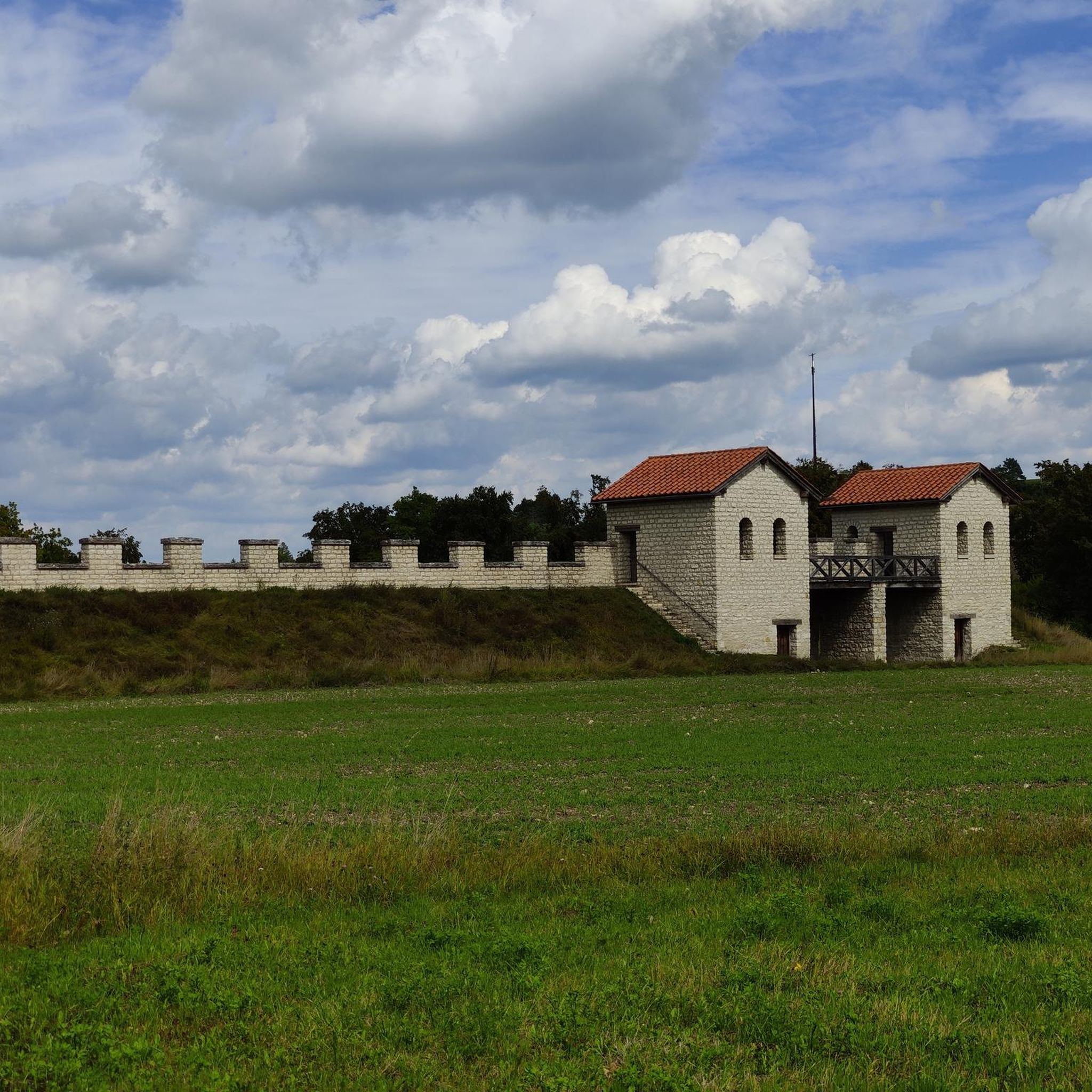
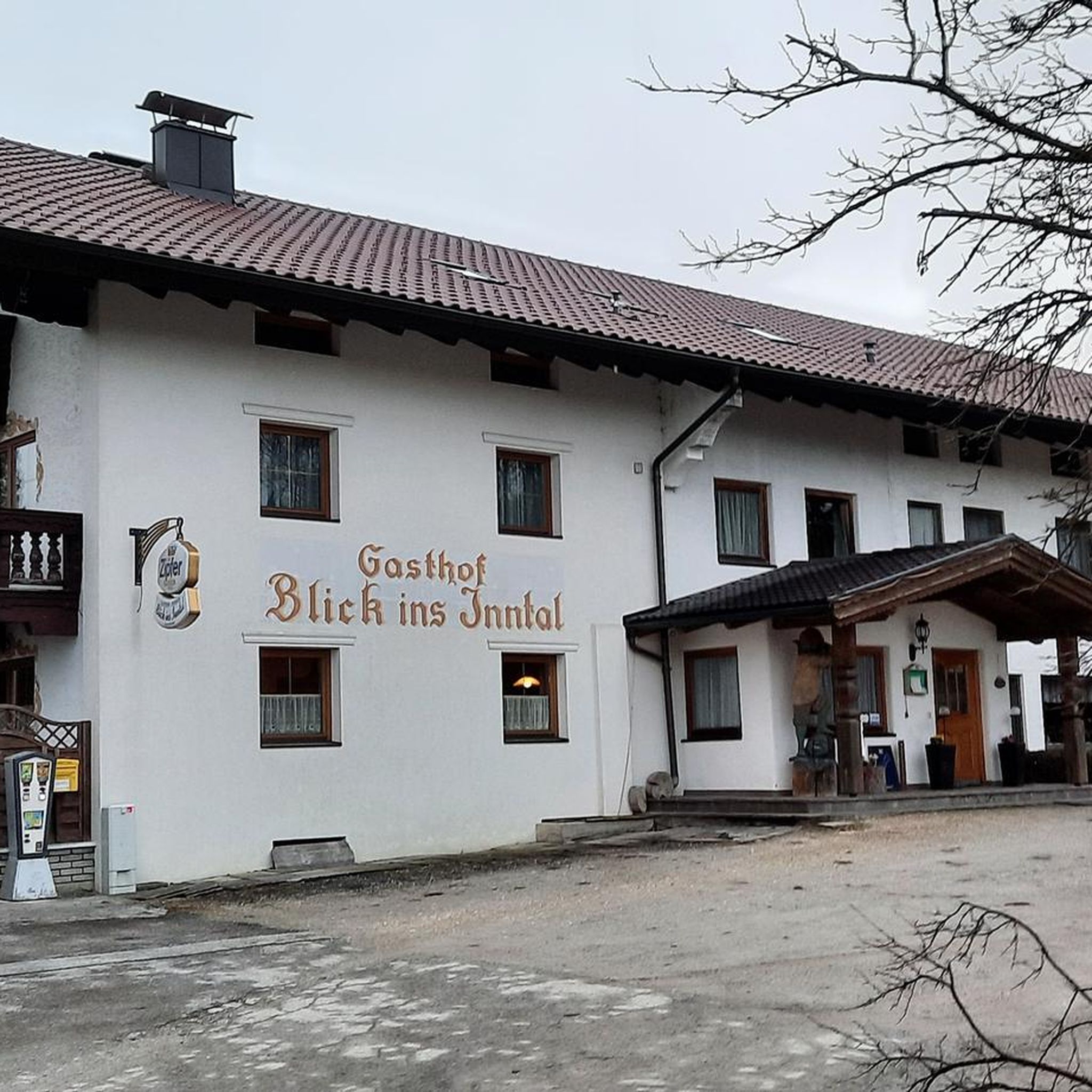

Tips from the Community

The church ruins date from the early 16th century but include stones from a much earlier pre 11th century church. After a new church was built, this one fell into disrepair, but the graveyard remains in use.
0
0
An important historic site, Tullyhogue Fort is where the O'Neills were crowned the Chiefs of Ulster. It is now planted with trees and you can enjoy views across the countryside of County Tyrone.
0
0
Built in the early 17th century for Sir Toby Caulfield, who was given land during the Plantation. Park up your bike and take some time to explore the ruins by foot. Keep an eye out for the murder holes which give an idea of its grim history, as well as the Caulfield Coat of Arms in a prominent position above the doorway.
0
0

The weir at Dungannon park trickles down like a waterfall into a fresh pool of water surrounded by lush green nature.
1
0
Enjoy serene views of still waters and wading fishermen as you circumnavigate the lake at Dungannon Park.
1
0
Pull up a picnic blanket and enjoy the beautiful views over this weir in Dungannon Park. The water trickles down like a waterfall into a fresh pond surrounded by lush green nature.
2
0
Frequently Asked Questions
What historical sites can I explore around Garvagh?
Garvagh and its surroundings are rich in history. You can visit the intriguing Castle Caulfield Ruins, a 17th-century castle where you can observe features like the Caulfield Coat of Arms. Another significant historical site is Tullyhogue Fort, known as the crowning place of the O'Neills, offering views across the countryside. Don't miss the ancient Derryloran Old Church Ruins and Cemetery, with parts dating back to before the 11th century. Further afield, the Slagthaverty Dolmen, a Neolithic megalithic tomb, provides a glimpse into the region's prehistoric past.
Are there any unique or unusual landmarks in Garvagh?
Yes, Garvagh is home to a couple of distinctive landmarks. The Garvagh Clock Tower, with its prominent castellations, stands as a striking feature in the town. Within Garvagh Forest, you'll find the unusual Garvagh Pyramid, an 18-foot stone structure built by the first Lord Garvagh after his travels to Egypt, originally intended as his burial chamber.
What natural attractions are there to visit near Garvagh?
Nature lovers will enjoy Garvagh Forest, an expansive area offering numerous walking, cycling, and mountain bike trails. The forest is vibrant with bluebells in spring and foxgloves in summer, and is home to various wildlife. The River Agivey, flowing through Garvagh, is known for brown trout and salmon fishing, with scenic banks perfect for walks, especially when bluebells and wild garlic bloom in spring. You can also visit Dungannon Park Weir, a natural monument with water trickling into a fresh pond, and the serene Dungannon Park Lake.
What cultural experiences can I find in Garvagh?
For a cultural insight into the region, visit the Garvagh Museum, located within the walled garden of Garvagh House. It houses a significant collection of nearly two thousand artifacts detailing the history of the Bann Valley from 3000 BC to the early 20th century. At the entrance to the museum, you'll also find the Denis Hampson Memorial, a granite pillar commemorating a renowned blind harper.
Are there family-friendly attractions around Garvagh?
Absolutely! Many attractions around Garvagh are suitable for families. Dungannon Park Weir and Dungannon Park Lake are both family-friendly, offering pleasant natural settings for picnics and strolls. Tullyhogue Fort is also considered family-friendly, providing historical interest alongside open spaces and views. Garvagh Forest offers trails suitable for various activity levels, making it a great spot for family walks and cycling, with picnic facilities available.
What outdoor activities can I do near these attractions?
The area around Garvagh offers a variety of outdoor activities. You can explore numerous walking, cycling, and mountain bike trails within Garvagh Forest. For more structured routes, consider the Road Cycling Routes around Garvagh, Running Trails around Garvagh, or Easy hikes around Garvagh. The River Agivey is also popular for brown trout and salmon fishing.
When is the best time of year to visit Garvagh for natural beauty?
To experience the natural beauty of Garvagh at its peak, consider visiting in spring (April/May) when Garvagh Forest and the banks of the River Agivey are adorned with vibrant bluebells and wild garlic. Summer (July/August) also offers beautiful displays of foxgloves in the forest. These seasons provide lush greenery and pleasant weather for outdoor exploration.
What do visitors enjoy most about the attractions around Garvagh?
Visitors particularly enjoy the serene natural settings and historical depth of the area. For instance, at Dungannon Park Weir, many appreciate the beautiful views and the opportunity for a picnic amidst lush greenery. At Castle Caulfield Ruins, exploring the 17th-century architecture and imagining its grim history, including the murder holes, is a highlight. The panoramic views from Tullyhogue Fort are also highly regarded.
Are there any annual events in Garvagh?
Yes, Garvagh hosts an annual event that draws visitors. The Garvagh Horse Show, organized by the Garvagh Clydesdale and Vintage Vehicle Club, is held every September. It's a great opportunity to experience local culture and community spirit.
Can I find places for walking or hiking near Garvagh attractions?
Definitely. Garvagh Forest offers extensive walking and hiking trails suitable for various fitness levels. Additionally, the banks of the River Agivey provide scenic routes for leisurely walks. For specific hiking options, you can explore the Easy hikes around Garvagh guide, which includes routes like the Dungannon Park loop.
What is the Garvagh Pyramid and where can I find it?
The Garvagh Pyramid is an unusual stone structure, measuring 18 feet by 21 feet, located within Garvagh Forest. It was constructed by George Canning, the first Lord Garvagh, after his travels to Egypt, and was originally intended as his burial chamber, though it was never used for this purpose and remains sealed.
Are there opportunities for cycling in the Garvagh area?
Yes, Garvagh Forest provides numerous cycling and mountain bike trails for different skill levels. For road cycling enthusiasts, there are several routes detailed in the Road Cycling Routes around Garvagh guide, offering diverse distances and difficulties.
Most popular routes around Garvagh

Get inspired with the komoot mobile app


Explore more
Still not found the Highlight you’re looking for? See guides of the top attractions in other regions:
