The best cycling routes around Lake Ravasanella
4.6
(190)
2,898
riders
87
rides
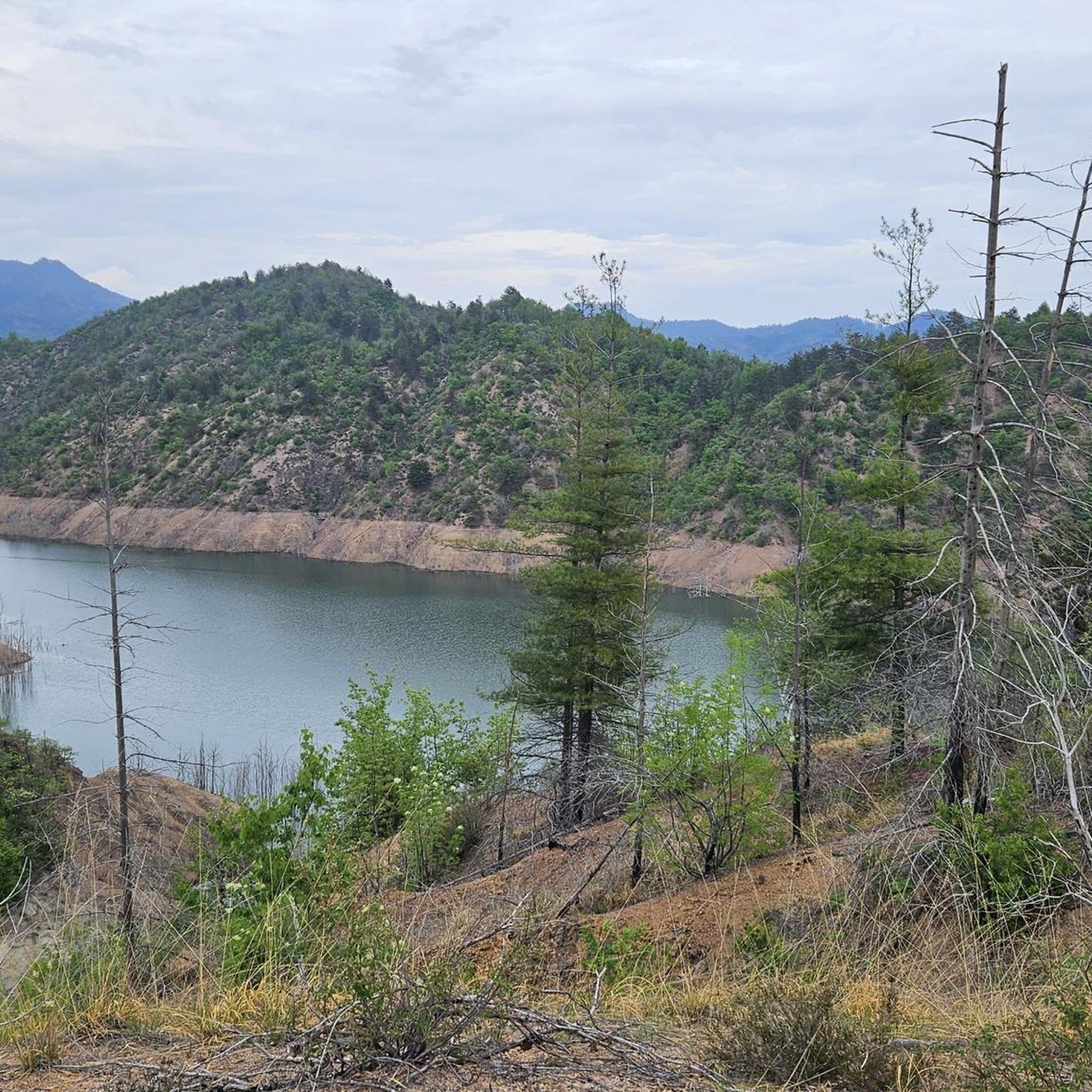
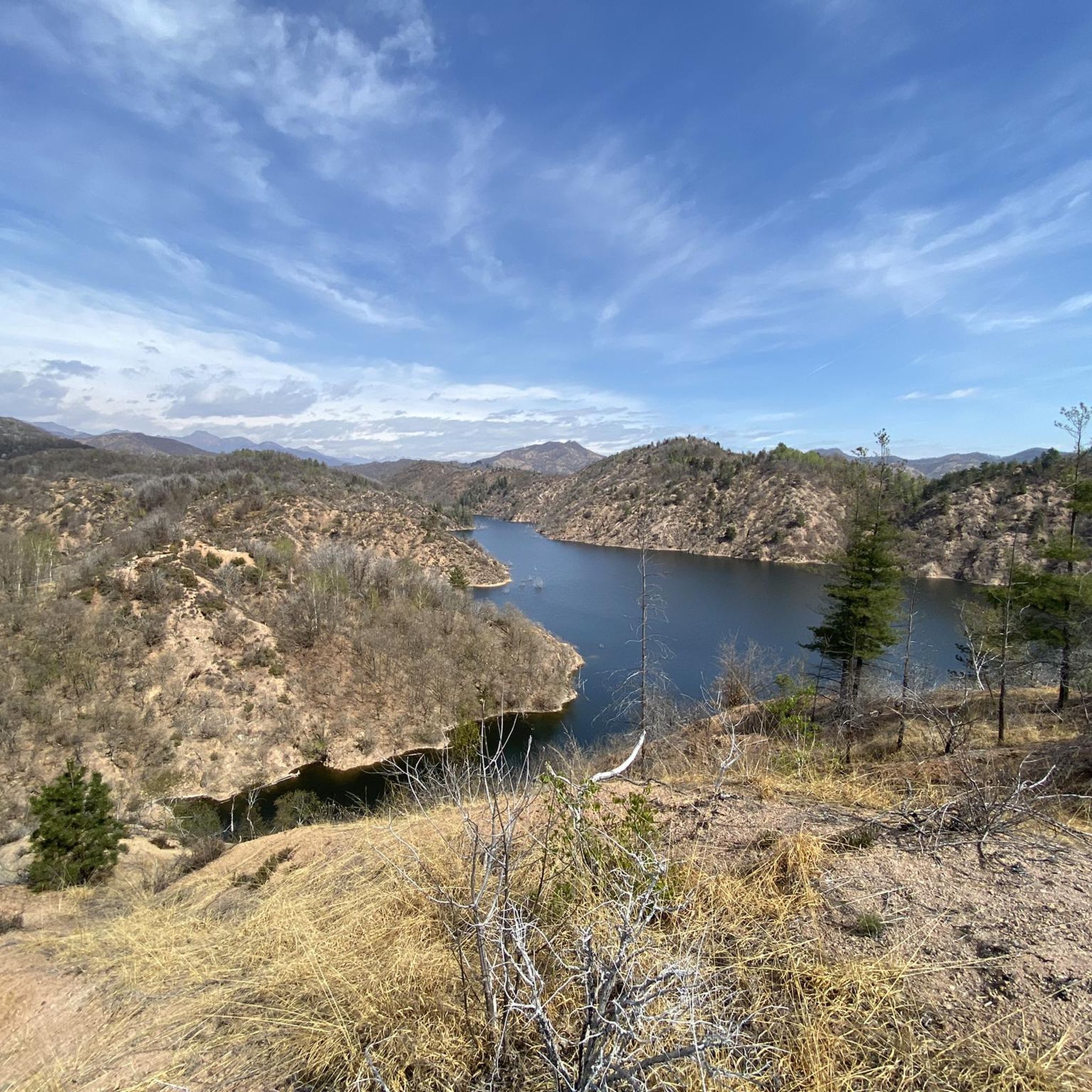
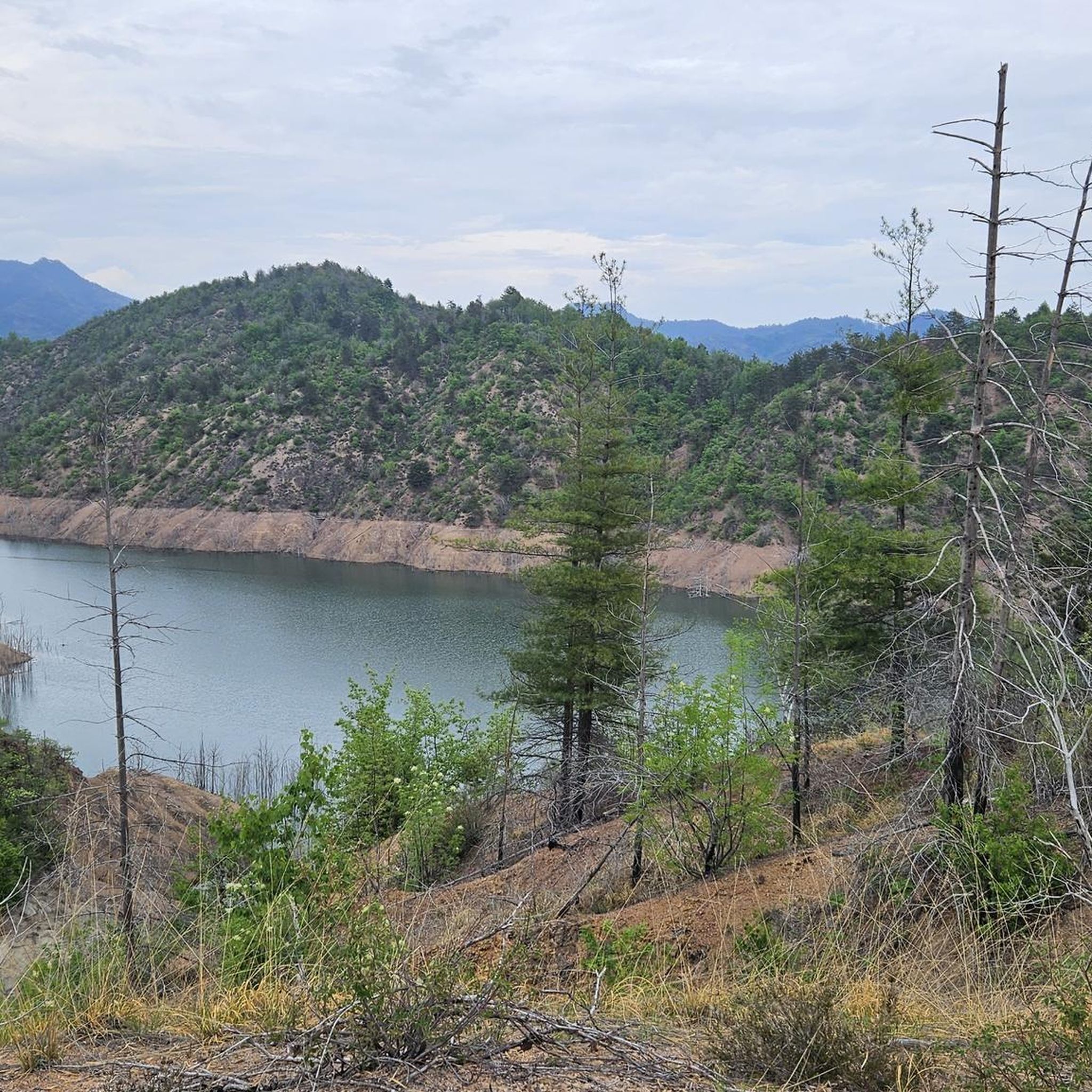
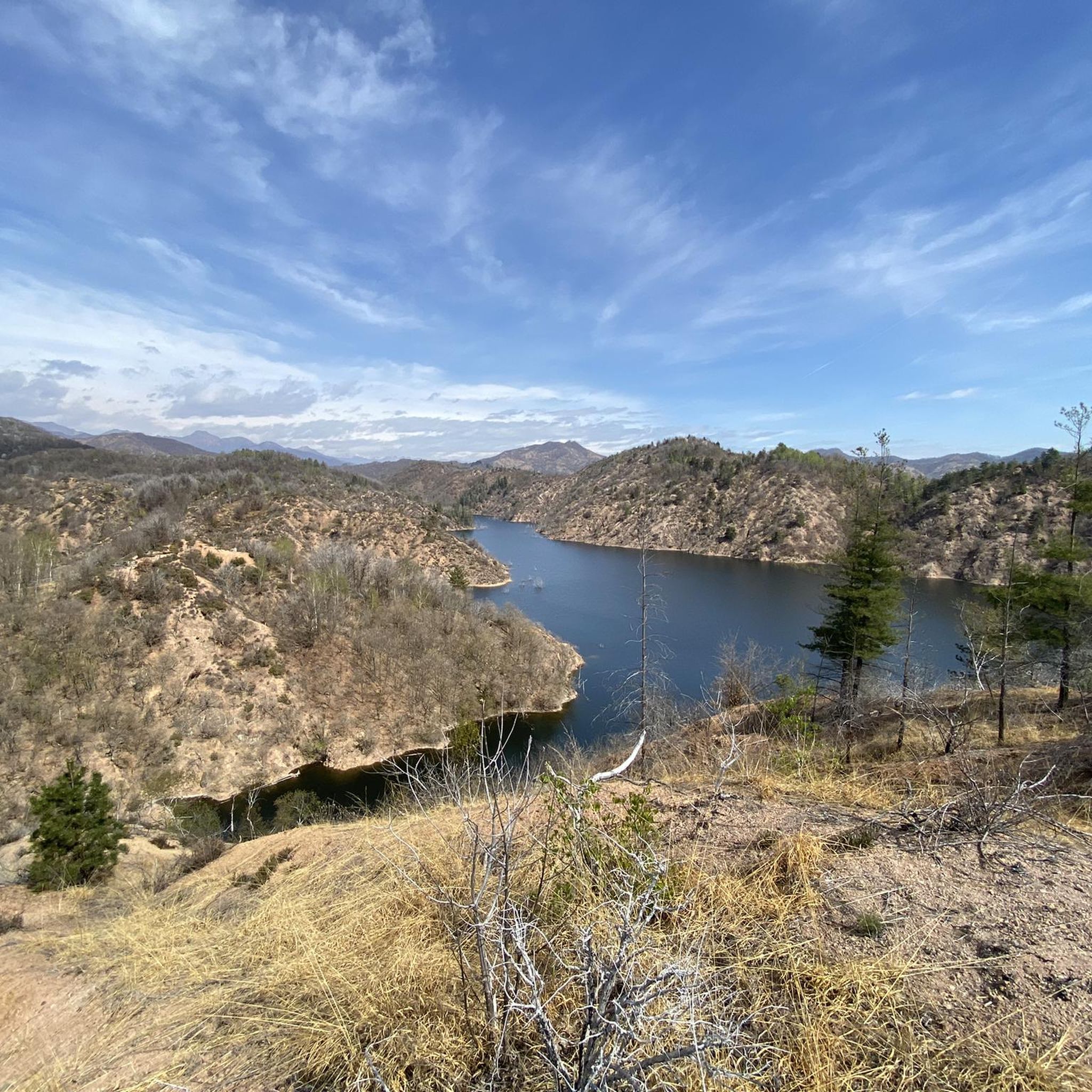
Touring cycling around Lake Ravasanella offers routes through the Piedmont region of northwest Italy, characterized by its distinctive landscapes. The area features the artificial Lake Ravasanella, situated at an elevation of 325 meters, and the "Rive Rosse" (Red Banks), known for their reddish terrain. Routes often traverse tranquil forest trails and the authentic Piedmontese countryside, with some paths leading to scenic hills like Dosso di San Bernardo. The terrain varies from easier forest paths to moderately challenging and difficult dirt…
Last updated: May 26, 2026
5.0
(1)
11
riders
58.5km
05:16
1,440m
1,440m
Hard bike ride. Very good fitness required. Mostly paved surfaces. Suitable for all skill levels.
5.0
(2)
5
riders
13.7km
01:21
350m
350m
Hard bike ride. Good fitness required. You may need to push your bike for some segments of this route.

Sign up for free
5.0
(3)
6
riders
54.1km
03:18
310m
310m
Moderate bike ride. Good fitness required. Mostly paved surfaces. Suitable for all skill levels.
5.0
(1)
3
riders
16.1km
01:14
390m
390m
Moderate bike ride. Good fitness required. Mostly paved surfaces. Suitable for all skill levels.
50
riders
40.4km
02:52
770m
770m
Hard bike ride. Very good fitness required. Mostly paved surfaces. Suitable for all skill levels.
Get access to more routes and recommendations from other explorers.
Sign up for free
Already have an account?
Our route recommendations are based on thousands of hikes, rides, and runs completed by other people on komoot.
Start today with a free account
Your next adventure awaits.
Login or Signup

Tips from the Community

An ancient noble chapel with an astronomical orientation: the sun sets on the façade on the feast of Saint Maurice. The medieval brick and stone herringbone façade (12th century) has been restored to its former glory thanks to a recent restoration.
0
0

Old stone humpback bridge in a spectacular setting
0
0
THAT SMALL LAKE THAT THE RIVER FORMS NEAR THE DAM IS WONDERFUL
0
0

The wool mill was built by the Zignone brothers in 1878, in the Vallefredda area, a short distance from the confluence of the Scoldo stream with the Ponzone torrent and near the Biella-Borgosesia provincial road. The business was initially run by Pietro, Giovanni and Carlo. When Pietro died in 1891, only Carlo continued to run the business, but, alone, he was unable to get beyond 1896. In that year, the factory was rented to Anselmo Giletti, who installed a spinning mill there to serve the important Ponzone complex. In 1900, Carlo Zignone died, leaving behind Felicita Tonella as a widow and ten orphaned children. Only in 1912 did the brothers Umberto, Oreste and Rinaldo Zignone regain possession of the factory and form a partnership with the Ferla brothers, owners of the homonymous wool mill in Polto. After the partnership with the Ferlas ended in 1918, the Zignone brothers independently managed the company under the name "Lanificio Fratelli Zignone fu Carlo". The flood of 1927 caused serious damage to the factory and in 1931 Umberto Zignone died. Oreste and Rinaldo restarted production in partnership with their collaborators, such as the designer Ugo Rista and the sales representative Armando Garlanda. "Zignone Garlanda & Rista" was dissolved in 1937. In 1949 Garlanda also left the scene and once again the brothers Oreste and Rinaldo, and their nephew Ermanno, son of Umberto, returned to managing on their own with a promising start. The 1950s, however, were a difficult period and many small companies could not keep up: this also happened to the Zignone brothers' wool mill. In 1966, the entrepreneur Carlo Beretta purchased the Vallefredda buildings without however resuming the activity. In 1991, Carlo Beretta donated the industrial complex to DocBi-Centro Studi Biellesi after, in 1984, what had by then become the "Fabbrica della ruota" had hosted the exhibition "Industrial Archaeology in Valsessera and Valle Strona", tracing the path of the association and anticipating the new destiny of the former Lanificio Zignone. Today, the "Fabbrica della ruota", a lively cultural center, is included in the ecomuseum system of the Province of Biella. Source: municipality of Pray
0
0
Historic headquarters of the Ermenegildo Zegna wool mill in Trivero
0
0

Romagnano Sesia, a town of about 3,500 inhabitants in the province of Novara, is the production site of the DOCG Ghemme wine and boasts several monuments and places of interest. Examples are the Cantina dei Santi, what remains of the ancient Benedictine abbey of San Silano, and the Torre del Pretorio.
0
0

The church originally had two naves: a central one and a lateral one. The lateral one on the north side was demolished in 1681. “The interior is divided into three bays by three pointed arches in masonry, resting on rectangular pillars. The arches support a ceiling made of large bricks on which the roof rests directly. The apse is large (the diameter is more than 6 meters) and is covered by a five-part vault. Against the wall, the masonry altar is decorated with stucco in late sixteenth-century style, dating back to 1680. Under the plaster, fragments of the ancient frescoes re-emerge, covered with whitewash carried out during an eighteenth-century restoration; the most notable are the one on the southern wall depicting Saint Peter, from the Romanesque period, and, near the side entrance, a fresco ruined in several places that portrays Saint Francis of Assisi while receiving the stigmata. The Saint is portrayed kneeling with his arms open and slightly raised, with his gaze turned towards Christ, who appeared in the form of a Cherub; further down we can see the figure of a little friar who witnessed the event, with his hands raised to protect his eyes from the brightness of the apparition. Behind the figure of the Saint is depicted the little church of Porziuncola. The expressiveness of the faces, the attention to the folds of the Saint's habit and the architecture of the church in the background date this fresco back to a period before the end of the fifteenth century.” From the municipality website: comune.carpignanosesia. No. It
0
0
Frequently Asked Questions
What kind of terrain can I expect when touring cycling around Lake Ravasanella?
The terrain around Lake Ravasanella is diverse, featuring the distinctive "Rive Rosse" (Red Banks) with their reddish earth and stones, tranquil forest trails, and authentic Piedmontese countryside. You'll encounter a mix of paths, from easier routes to moderately challenging and difficult dirt roads with significant elevation changes.
Are there any easy touring cycling routes suitable for beginners or families?
Yes, while many routes are moderately challenging or difficult, there are a few easier options available. Komoot lists 2 easy touring cycling routes around Lake Ravasanella. These typically follow more gentle forest paths, offering a pleasant experience for those seeking a less strenuous ride.
How many touring cycling routes are available in the Lake Ravasanella area?
There are over 80 touring cycling routes documented on komoot for the Lake Ravasanella area. These routes cater to various skill levels, including 2 easy, 25 moderate, and 59 difficult options.
What are some of the most scenic spots or viewpoints along the touring cycling routes?
The region offers several panoramic viewpoints. Cima Terla provides breathtaking views of Lake Ravasanella and the surrounding landscape, including Monte Rosa and the Biellese Prealps. The Dosso di San Bernardo, east of the lake, also offers scenic outlooks over the area.
Are there any circular touring cycling routes around Lake Ravasanella?
Many of the touring cycling routes in the Lake Ravasanella area are designed as loops, allowing you to start and end at the same point. For example, the Historic Center of Varallo – Mastallone Bridge loop from Sostegno is a popular circular route, as is the Rovasenda Castle – Agriturismo La Biandrina loop from Sostegno.
What cultural or historical attractions can I explore while cycling in the region?
While cycling, you might encounter the Santuario della Madonna degli Angeli, a small church situated along some of the trails. Additionally, the Rovasenda Castle – Agriturismo La Biandrina loop from Sostegno route passes by Rovasenda Castle, offering a glimpse into the local heritage.
What is the typical duration for a touring cycling route around Lake Ravasanella?
Route durations vary significantly based on length and difficulty. For instance, a challenging route like the Diga delle Mischie – Fabbrica della Ruota loop from Sostegno can take over 5 hours, while a shorter, difficult loop like Monte della Gallina – Cima Frascheia loop from Sostegno might be completed in about 1 hour 20 minutes. Moderate routes, such as La Crocetta – Grotta di Bercovei loop from Sostegno, typically take around 1 hour 15 minutes.
What do other touring cyclists say about the routes around Lake Ravasanella?
The routes around Lake Ravasanella are highly regarded by the komoot community, holding an average rating of 4.6 stars from over 240 reviews. Cyclists often praise the unique landscapes, especially the 'Rive Rosse,' and the rewarding challenge of the diverse terrain.
Is there a specific time of year that is best for touring cycling around Lake Ravasanella?
The Piedmont region generally offers pleasant cycling conditions from spring through autumn. Spring brings lush greenery, while autumn showcases vibrant fall colors. Summers can be warm, so early mornings or late afternoons are often preferred. Always check local weather forecasts before heading out.
Are there any unique natural phenomena to observe around Lake Ravasanella?
Yes, during periods of significant drought, the water level of Lake Ravasanella can drop dramatically, revealing ancient structures and parts of the lakebed. This creates a unique, almost surreal 'lunar landscape' that is a seasonal and unpredictable phenomenon.
What is the overall difficulty level for touring cycling in the Lake Ravasanella area?
The Lake Ravasanella area offers a range of difficulties. While there are some easy routes, the majority are classified as moderate (25 routes) or difficult (59 routes). Many routes involve steep, stony climbs and challenging dirt roads, making it particularly rewarding for well-prepared cyclists, especially mountain bikers.
Most popular routes around Lake Ravasanella

Get inspired with the komoot mobile app


Explore more
Browse the best Cycling routes in other regions.
