Attractions and Places To See around Shalfleet - Top 20
Attractions and places to see around Shalfleet offer a blend of historical landmarks and natural beauty on the Isle of Wight. The village is situated at the head of the Newtown Estuary, where the Caul Bourne widens into a creek. This area is known for its ancient origins and the tranquil Newtown Estuary, a designated National Nature Reserve. Visitors can explore diverse landscapes, from historical sites to salt marshes and mudflats.
Best attractions and places to see around Shalfleet
- The…
Last updated: July 6, 2026
Tennyson Monument
Highlight • Monument
Tip by

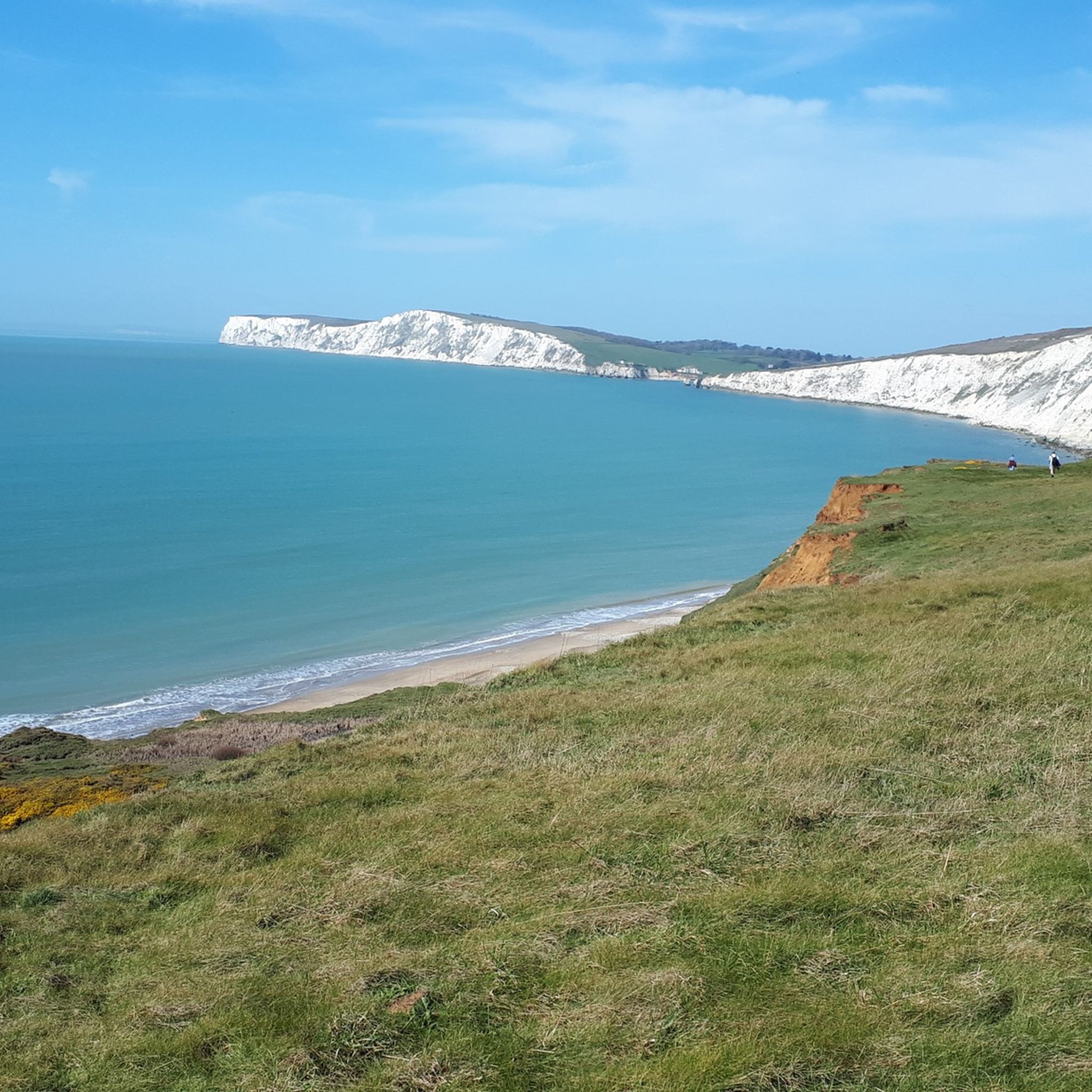
Freshwater Bay Promenade
Highlight • Viewpoint
Tip by

Sign up now to discover places like this
Get recommendations on the best single tracks, peaks, & plenty of other exciting outdoor places.
Sign up for free
Lepe Coastal Road
Highlight (Segment) • Cycleway
Tip by

Freshwater to Yarmouth Cycle Path
Highlight • Natural
Translated by Google •
Tip by

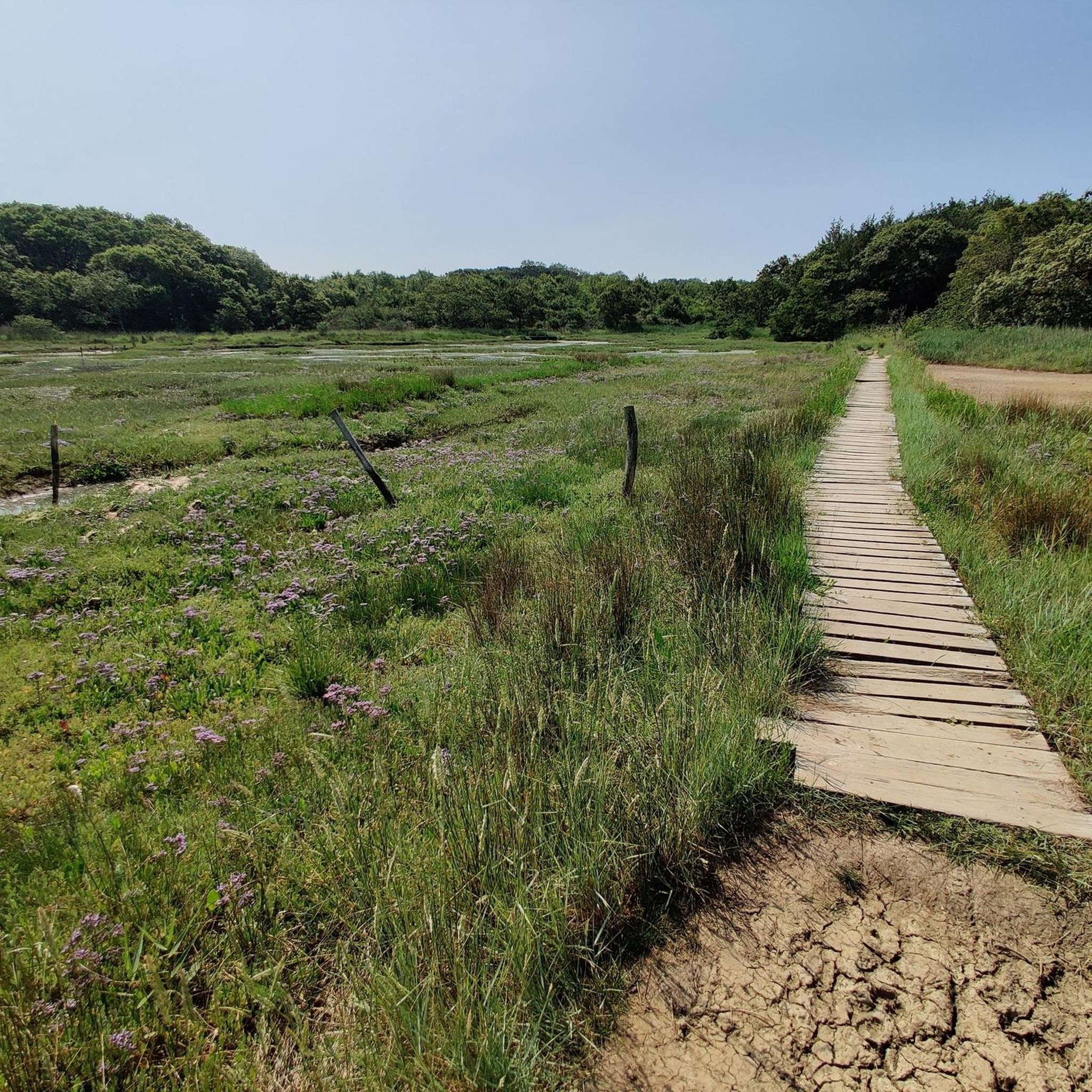
Normandy Lagoon Nature Reserve
Highlight • Historical Site
Tip by

Sign up for free to discover even more attractions around Shalfleet.
Sign up for free
Already have an account?
Start today with a free account
Your next adventure awaits.
Login or Signup

Tips from the Community


Wonderful walk on the cliffs overlooking the sea, wonderful walk
1
0

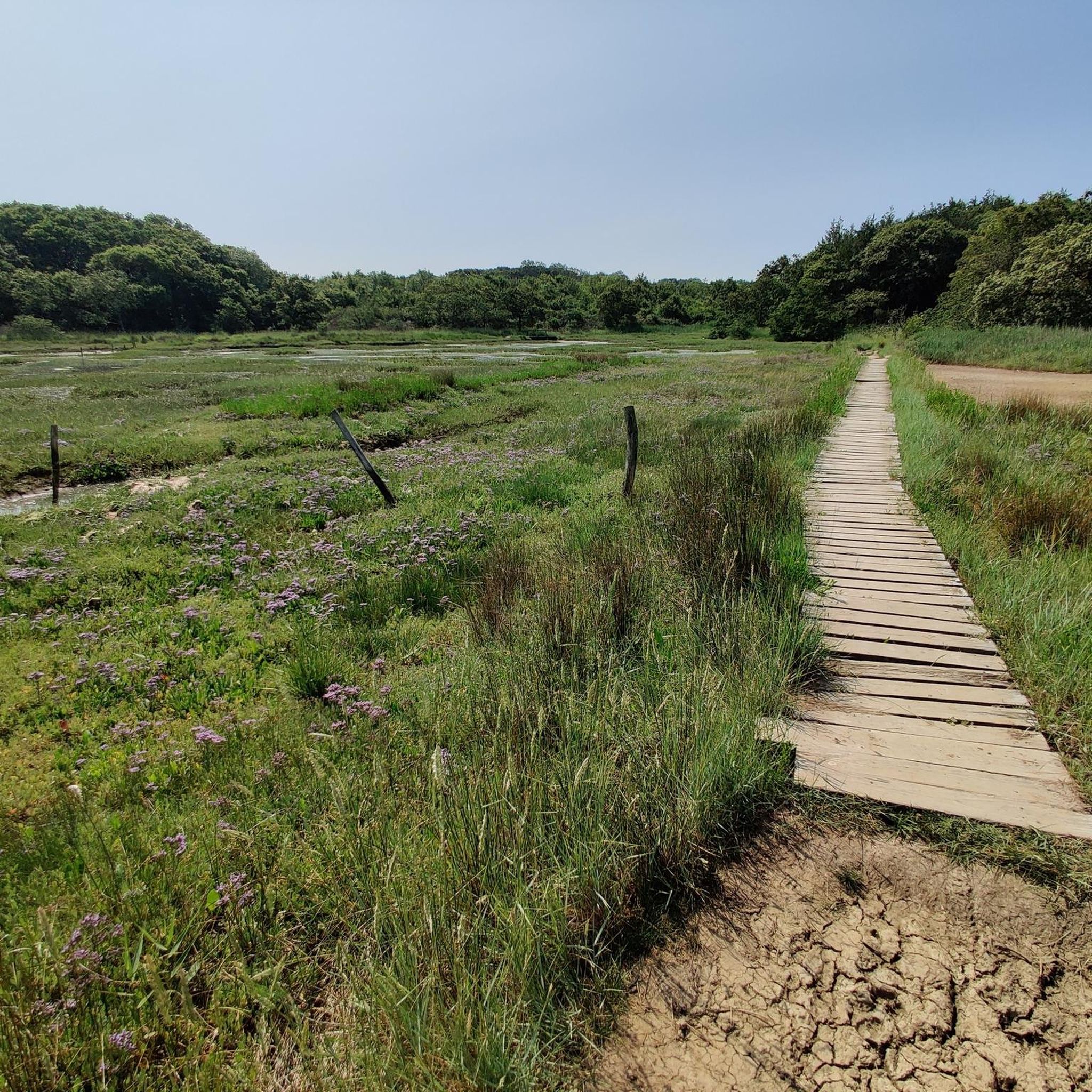
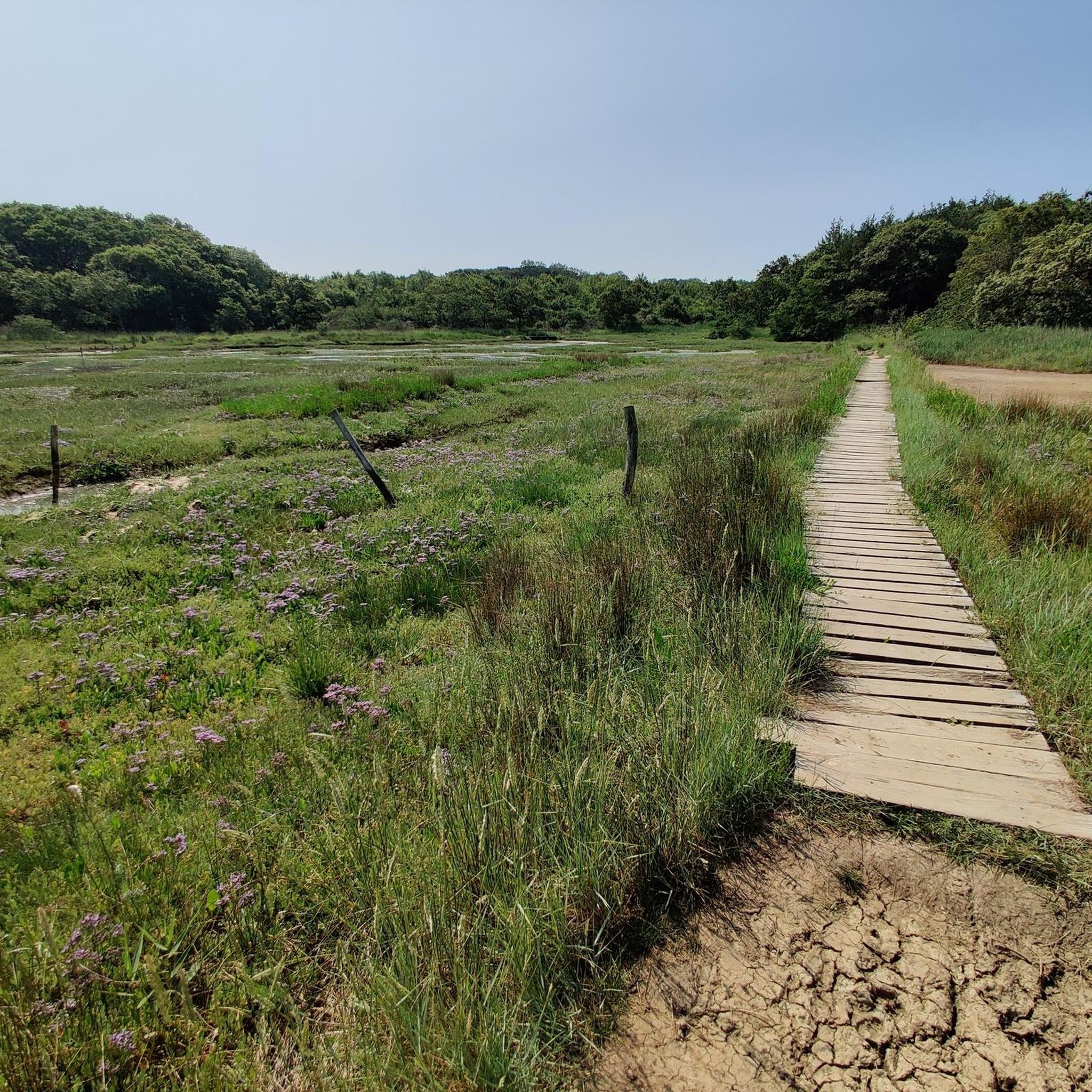
The marshes were once used as salterns for the thriving salt industry. The salterns are first mentioned in 1132, and continued in use until 1865. They were replaced by oyster beds, but are now disused marshland with some enclosing banks. A circular mound 1.2 metres high and 12 metres across is all that remains of a mill, and there is another mound with an overgrown brick structure and rectangular pond of unknown date. Just north of the marshes, in Lower Pennington, are several 18th-century salt boiling houses. The marshes are a site of special scientific interest and an area of outstanding natural beauty. They are part of the New Forest National Park, and in summer are grazed by cattle and ponies owned by New Forest commoners. Part of the marshes behind the sea wall are a national nature reserve managed by English Nature, and a local nature reserve managed by Hampshire County Council. Part of the intertidal mudland is also a nature reserve. The marshes and tidal muds offer a variety of wildlife habitats, which are important for gulls and terns in spring/summer and waders and wildfowl in autumn/winter.
0
1

With Alfred Tennyson, 1st Baron Tennyson, (or Alfred Lord Tennyson), to whom this monument is dedicated, we go back in time to the middle of the 19th century, because the poet, who was already a prominent figure at that time, lived from 1809 to 1892. I had to research the term “Poet Laureate” mentioned by mi1994, and of course Wikipedia also knows something about it: “In the United Kingdom, Poet Laureate is the office of a court poet whose job it is to write poems for official occasions and national events.” Tennyson was awarded this honorary office by Queen Victoria in 1850 and raised to the peerage in the same year.
4
0

Keen bird watchers this is a must lots of different birds around the area. Great views of the Isle of Wight
1
0

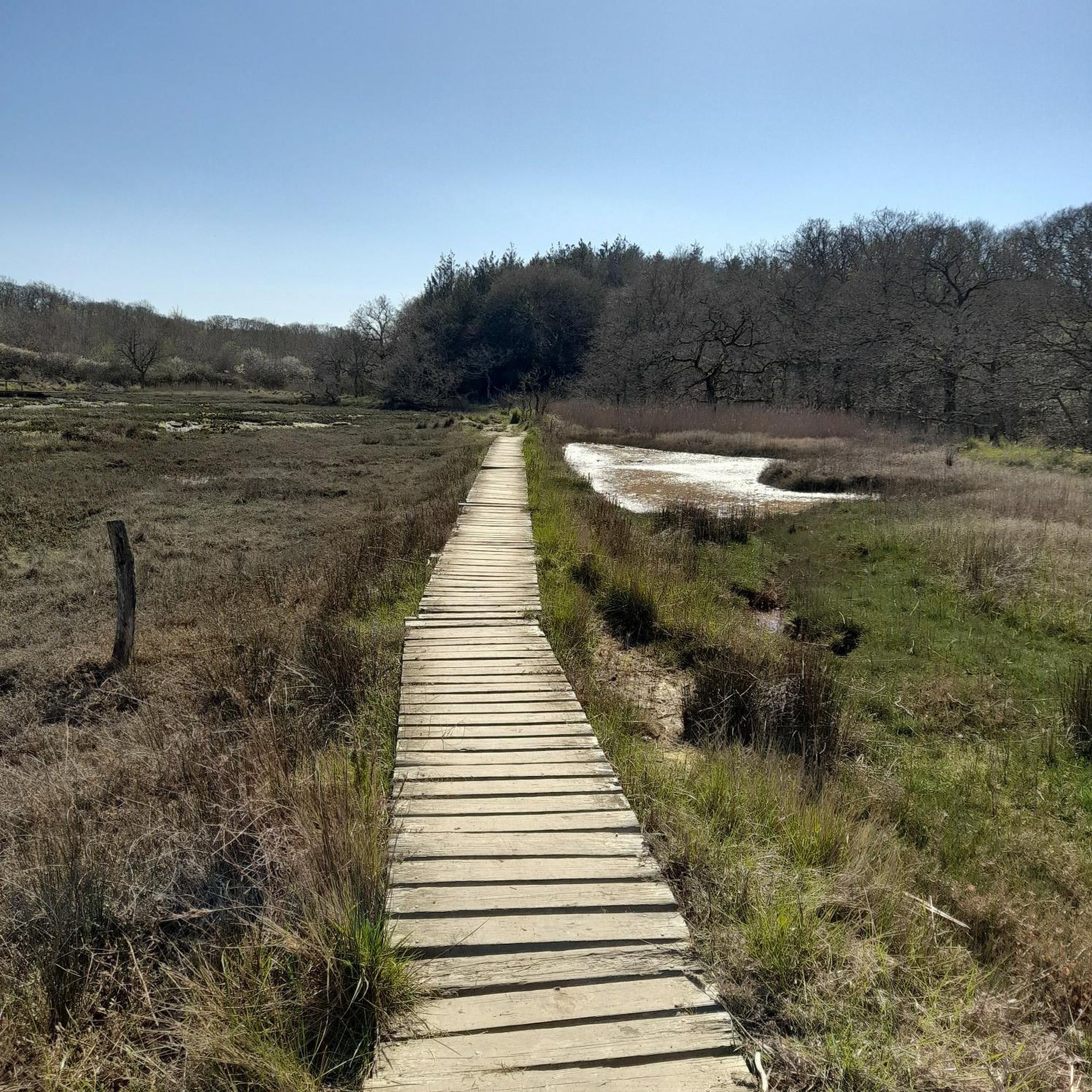
This is a terrific place to walk through, with fantastic wetland and sea views all around. Normandy Lagoon (a lake) is a nature reserve adjacent to the Normandy Marsh reserve to the north of it. Lots of wildlife here and very blue (the water) and very green (gorgeous woodlands around). You might need a good jacket as it can get very windy here and in colder months it can be very cold!
1
0

A flat route designated cycle route between Yarmouth and Freshwater- most of its gravel, so possibly only for this with suitable tyres.
1
0
Frequently Asked Questions
What historical sites can I explore in and around Shalfleet?
Shalfleet is rich in history. You can visit Shalfleet Church, which features an 11th-century tower and rare sculpted tympanum, with an old pond believed to be Roman. Nearby, Newtown (Historic Francheville), once the island's capital, offers insights into its past with its grid-patterned streets and isolated Old Town Hall. The oldest sections of Shalfleet Manor date to the Elizabethan era, and The Old Vicarage retains part of its 14th-century roof.
Where can I experience nature and wildlife near Shalfleet?
The Newtown Estuary and National Nature Reserve, located at the head of the Caul Bourne, is a prime spot for nature lovers. It's renowned for birdwatching, with diverse wildfowl and waders inhabiting its salt marshes and mudflats. You can also explore the estuary by launching a canoe or dinghy from Shalfleet Quay.
Are there good walking routes around Shalfleet?
Yes, Shalfleet and its surroundings offer numerous walking routes. A pleasant walk leads from the village to Shalfleet Quay, offering views over the Newtown National Nature Reserve. For more extensive options, consider exploring the various running trails around Shalfleet, which also cater to walkers.
What cycling opportunities are available near Shalfleet?
The area is excellent for cycling. The Freshwater to Yarmouth Cycle Path is a popular, predominantly flat, traffic-free route that follows a disused railway, offering stunning views of the Yar Estuary. You can find more cycling options in the Cycling around Shalfleet guide.
What is the best time of year to visit Shalfleet for outdoor activities?
The best time to visit Shalfleet for outdoor activities largely depends on your interests. Spring and autumn are ideal for birdwatching at the Newtown Estuary due to migratory species. Summer offers pleasant weather for walking, cycling, and water sports, while the coastal paths provide refreshing breezes. Even in colder months, the natural reserves offer unique scenic beauty, though it can be windy.
Are there any family-friendly attractions or activities in the Shalfleet area?
Families can enjoy exploring the natural beauty of the Newtown Estuary and National Nature Reserve, which is great for spotting wildlife. The Freshwater to Yarmouth Cycle Path is also family-friendly due to its flat, traffic-free nature. Additionally, the Freshwater Bay Promenade offers a beach experience with unique pebbles and opportunities to explore caves at low tide (with a local guide).
Where can I find scenic viewpoints or coastal vistas?
For spectacular views, visit the Tennyson Monument, located at the highest point for miles around. The Freshwater Bay Promenade also offers beautiful coastal views surrounded by white chalk cliffs and is a starting point for the Coastal Path towards landmarks like The Needles.
What is Shalfleet Quay, and what can I do there?
Shalfleet Quay, dating back to the 17th century, was once a busy trading hub. Today, it's a tranquil spot popular with yachts and dinghies. It offers scenic views across Newtown Creek and serves as an excellent launch point for canoeing, kayaking, and dinghy sailing to explore the creeks and tributaries of the Newtown Estuary.
Are there mountain biking trails near Shalfleet?
Yes, there are mountain biking opportunities in the wider Shalfleet area. You can find various trails, including moderate loops like the 'Baghdad Trail – Pay Down Trail loop'. For detailed routes and difficulty levels, refer to the MTB Trails around Shalfleet guide.
What are some lesser-known historical gems in the Shalfleet area?
Beyond the main attractions, you can discover the historical significance of Newtown (Historic Francheville), which, despite a 1377 raid, retains its original grid-patterned streets and an isolated Old Town Hall. The ancient origins of Shalfleet Church, with its pre-Norman tower and Roman-era pond, also offer a glimpse into the deep past of the village.
What kind of unique natural features can I expect to see?
Shalfleet is characterized by its estuarial landscape. The Caul Bourne, a 'shallow stream,' flows through the village and widens into a creek at the head of the Newtown Estuary. This area features unique salt marshes and mudflats, which are vital habitats for diverse birdlife. Shalfleet Lake, an arm of the estuary, further contributes to this distinctive natural environment.
What do visitors particularly enjoy about the attractions near Shalfleet?
Visitors frequently praise the spectacular views from the Tennyson Monument and the unique sound of waves crashing on the flint and chalk pebbles at Freshwater Bay Promenade. The flat, traffic-free nature and scenic views of the Yar Estuary along the Freshwater to Yarmouth Cycle Path are also highly appreciated.
Most popular routes around Shalfleet
Most popular attractions around Shalfleet

Get inspired with the komoot mobile app


Explore more
Still not found the Highlight you’re looking for? See guides of the top attractions in other regions:
