The best road cycling routes around Lake d'Averno
4.3
(54)
1,198
riders
46
rides
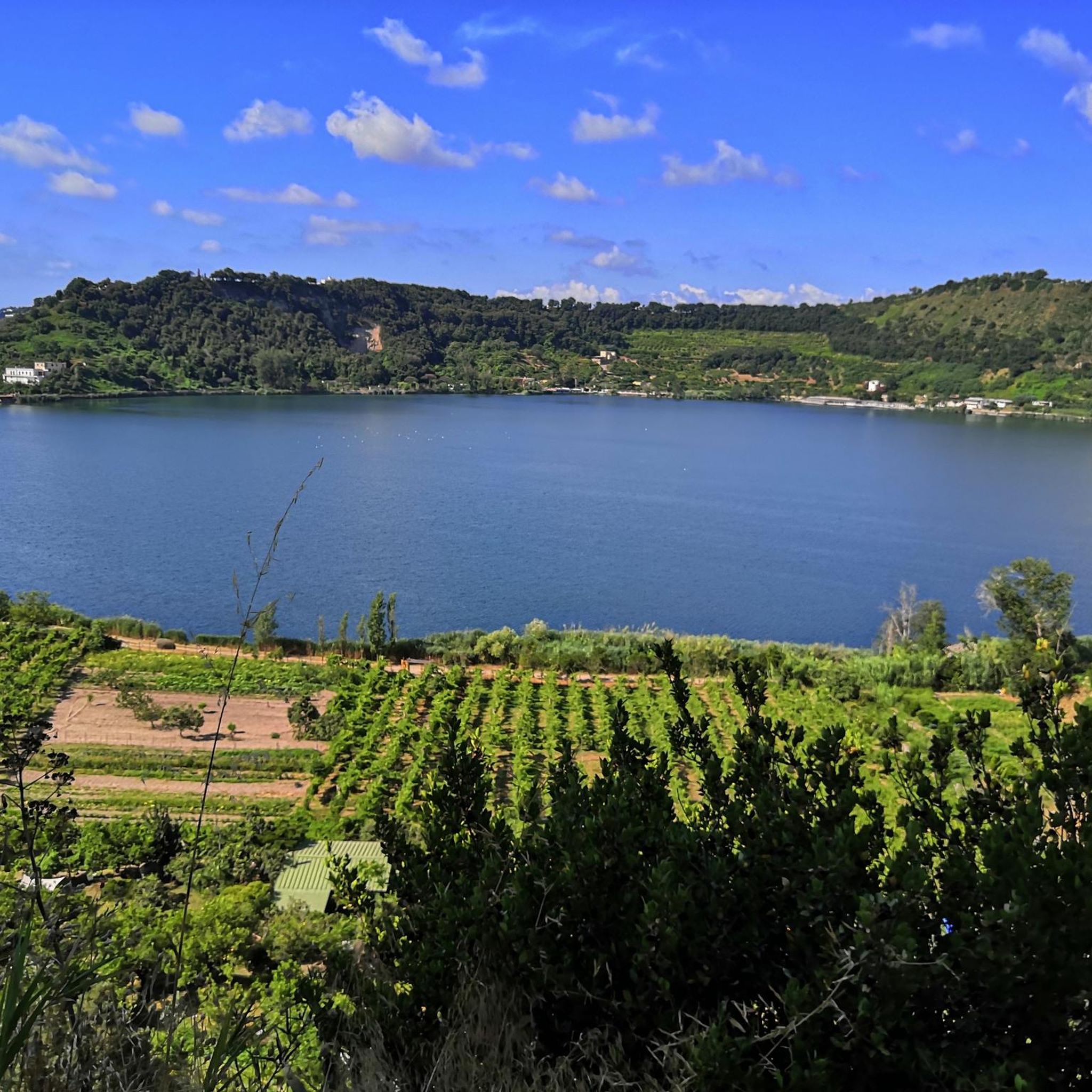
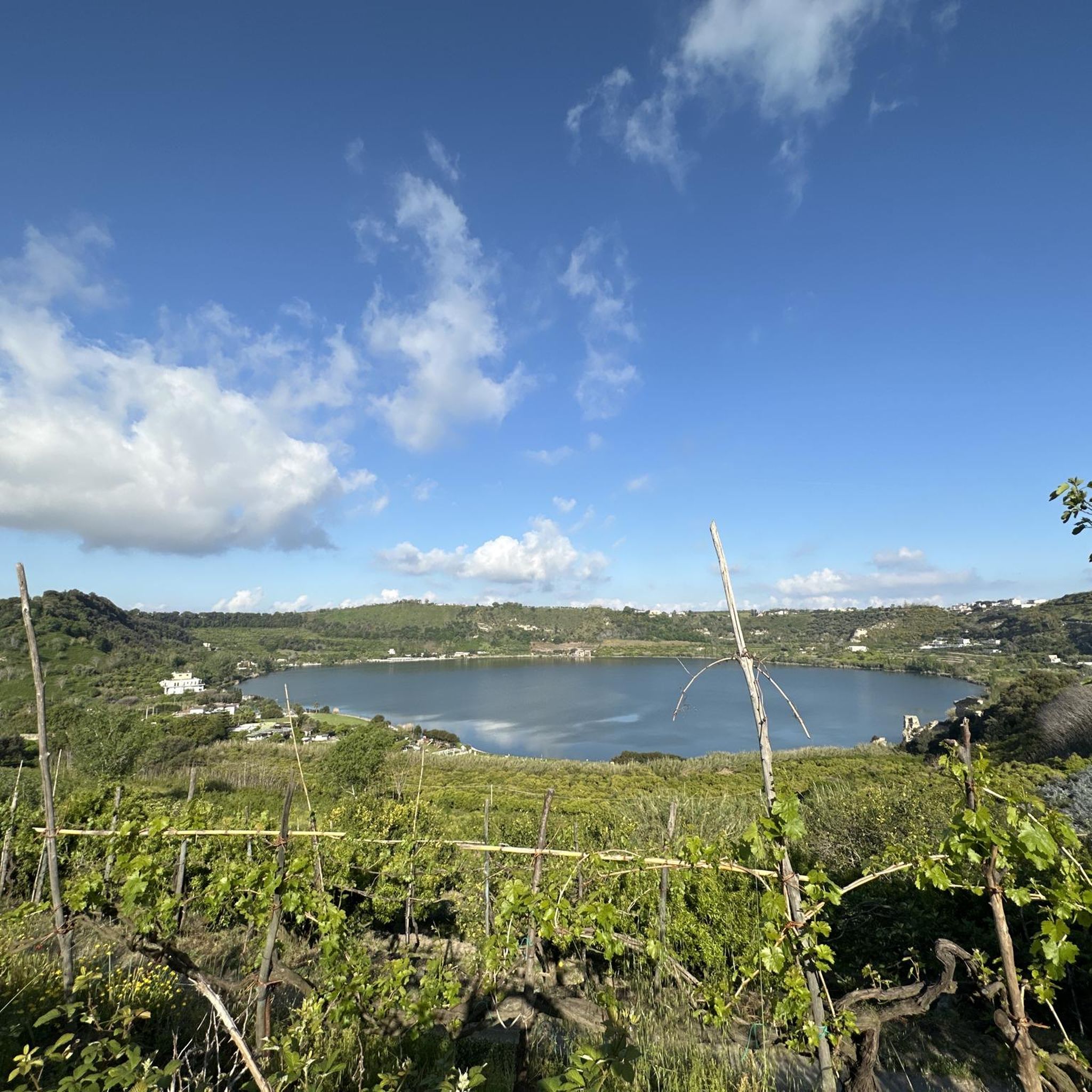
Road cycling routes around Lake d'Averno navigate a volcanic crater lake landscape within the Phlegraean Fields near Naples, Italy. The region features green hills, holm oak forests, and ancient vineyards, providing varied terrain for cyclists. Many routes utilize mostly paved surfaces, making them suitable for road bikes. The area's geological history is evident in its natural features and offers a distinct cycling environment.
Best road cycling routes around Lake d'Averno
- The most popular road cycling route is Lake Avernus loop from Lucrino, a 19.1 miles (30.8 km) trail that takes 1 hour 27 minutes to complete. This route offers views of the volcanic lake and surrounding green hills.
- Another top favourite among local road cyclists is Lake Avernus loop from Lago d'Averno, an easy 13.3 miles (21.5 km) path. This route circles the lake, passing through lush vegetation and ancient vineyards.
- Local road cyclists also love the Aragonese Castle – Casina Vanvitelliana, Fusaro loop from Fusaro, a 7.8 miles (12.5 km) trail leading through coastal areas and historical landmarks, often completed in about 36 minutes.
- Road cycling around Lake d'Averno is defined by volcanic crater lakes, holm oak forests, and green hills. The network offers options for different ability levels, from easy loops to more extended rides.
- The routes in Lake d'Averno are highly rated by the komoot community with an average score of 4.3 stars from more than 40 reviews. More than 1,000 road cyclists have used komoot to explore Lake d'Averno's varied terrain.
Last updated: July 4, 2026
30
riders
30.8km
01:28
290m
290m
Easy road ride. Great for any fitness level. Mostly well-paved surfaces and easy to ride.
3.6
(8)
77
riders
37.7km
01:55
570m
570m
Moderate road ride. Good fitness required. Mostly well-paved surfaces and easy to ride.

Sign up for free
5.0
(1)
36
riders
12.0km
00:33
90m
90m
Easy road ride. Great for any fitness level. Mostly well-paved surfaces and easy to ride.
5.0
(2)
16
riders
29.6km
01:46
430m
430m
Moderate road ride. Good fitness required. Mostly well-paved surfaces and easy to ride.
10
riders
14.3km
00:47
210m
210m
Easy road ride. Great for any fitness level. Mostly well-paved surfaces and easy to ride.
Get access to more routes and recommendations from other explorers.
Sign up for free
Already have an account?
Our route recommendations are based on thousands of hikes, rides, and runs completed by other people on komoot.
Start today with a free account
Your next adventure awaits.
Login or Signup
Tips from the Community

The castle originally took the name Castrum Gironis: according to some from the name of Hieron of Syracuse (to whom the first settlement dating back to the 5th century BC is attributed), according to others from the "circumference of walls" fortified that surrounded the small island of trachyte rock.
0
0
The Anfiteatro di Cuma, located in the Archaeological Park of Campi Flegrei (Bacoli, NA), is one of the oldest examples of stable amphitheaters in Campania, dating back to the end of the 2nd century BC. Built in the Republican era near Monte Grillo, the structure measured approximately (90 x 70) meters and could accommodate up to 7000 spectators, highlighting its ancient origins.
1
0
Nisida is a small volcanic island belonging to the Phlegraean Islands archipelago. It is connected to the mainland (Bagnoli/Coroglio area) by a long concrete pier built around 1936. Today the island is not freely accessible to the public as it hosts a Juvenile Penal Institute and a military garrison. Its name derives from the Greek Nisìdes, meaning "small island".
0
0

The Aragonese Castle of Baia houses a museum with very interesting finds as well as offering visitors a breathtaking view of the entire area.
1
0

Nice elevated views along the tree-lined road that follows the edge of the contour
1
0
The "Baia Baths" extend across the entire slope of the Baia hill and are organized on a series of terraces, each of which is occupied by residences conceived as independent architectural organisms, connected to each other by stepped ramps. The first of these residences is known as the "Villa dell'Ambulatio" and includes rooms, with different uses, overlooking six terraces. The entire complex had marble and black and white mosaic floors. The central part of the baths complex is occupied by a nucleus called the "Sosandra" which is divided into four terraces and is characterized by the presence of stucco and refined mosaic floors. From the largest of the rooms that make up this complex comes the marble statue of Aspasia also known as Aphrodite Sosandra (a Roman copy of an original Greek statue). Other thermal buildings complete the complex, including the one known as the "Temple of Mercury" characterized by a circular thermal pool with a domed vault, not fully known because it is partially buried and submerged, in which the marble head of Apollo was found (copy of a Greek bronze original). Open every day except Monday from 9.00 until one hour before sunset. The cost of the ticket is € 8. https://www.campiflegrei.it/desktop/Parco_Archeologico_di_Baia.html
1
0

Leaning against Monte Coroglio after Bagnoli.
0
0

Nice panoramic point over the island of Nisida and the northern part of the gulf
0
0
Frequently Asked Questions
How many road cycling routes are available around Lake d'Averno?
There are over 50 road cycling routes around Lake d'Averno, offering a variety of experiences for different skill levels. You'll find options ranging from easy loops to more extended rides through the volcanic landscape.
What kind of terrain can I expect on road cycling routes around Lake d'Averno?
Road cycling routes around Lake d'Averno feature a diverse volcanic landscape, including green hills, holm oak forests, and ancient vineyards. Many routes utilize mostly paved surfaces, making them well-suited for road bikes. You'll encounter both flat sections, especially around the lake, and gentle ascents through the surrounding hills.
Are there easy road cycling routes suitable for beginners or families around Lake d'Averno?
Yes, Lake d'Averno offers several easy road cycling routes perfect for beginners or families. The area is known for its accessible loops. For instance, the Lake Avernus loop from Arco Felice is an easy 12 km ride, and the Lake Avernus loop from Monterusciello offers another easy 13.7 km option.
What historical landmarks or natural features can I see while cycling around Lake d'Averno?
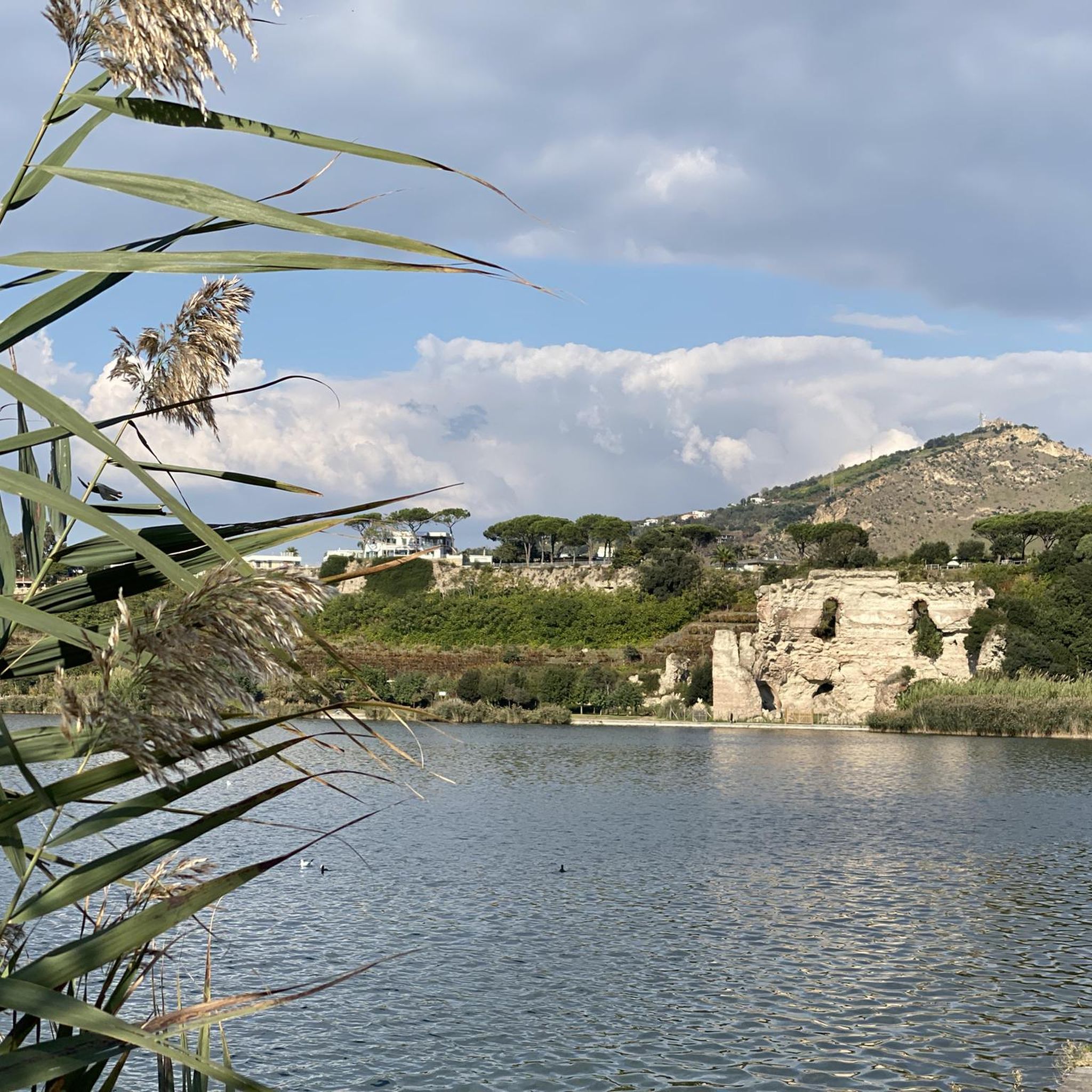
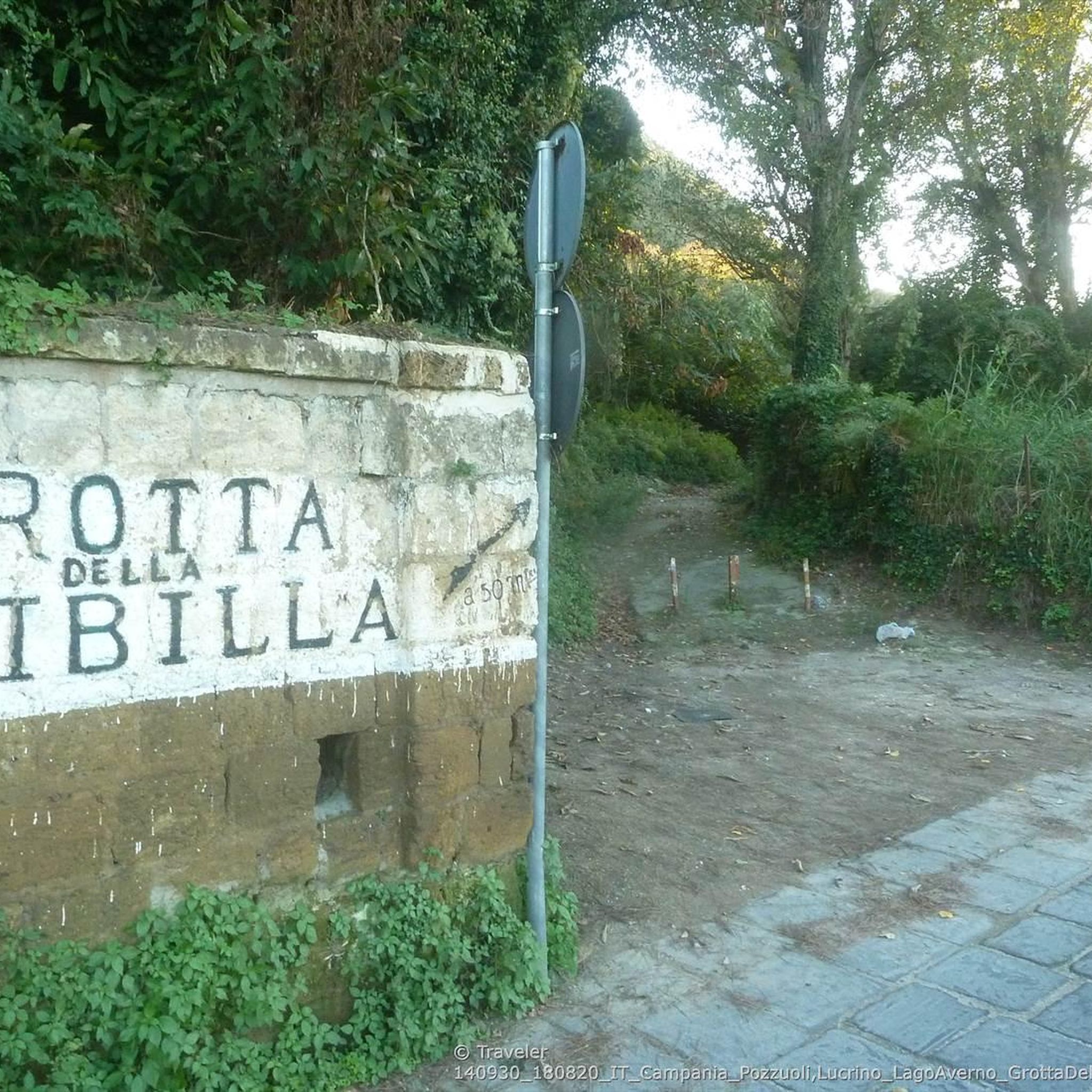
Lake d'Averno is rich in history and natural beauty. While cycling, you can pass by the ruins of the Temple of Apollo on the lake's shores, explore the mythological Cave of the Sibyl, or see remnants of Portus Julius, an ancient Roman naval base. The routes also wind through lush holm oak forests and ancient vineyards, offering picturesque views of the volcanic crater lake.
Are there any circular road cycling routes around Lake d'Averno?
Yes, circular routes are a highlight of road cycling around Lake d'Averno. The lake's natural shape lends itself to scenic loops. Popular options include the Lake Avernus loop from Lucrino, a 30.8 km route, and the Lake Avernus loop from Lago d'Averno, which is an easy 21.5 km path.
What is the best time of year for road cycling around Lake d'Averno?
The region around Lake d'Averno generally offers pleasant cycling conditions for much of the year. Spring and autumn are often ideal, with milder temperatures and beautiful scenery. Summers can be warm, but early mornings or late afternoons can still be enjoyable. Winters are typically mild, making cycling possible, though you should check local weather conditions.
What do other road cyclists enjoy most about cycling in Lake d'Averno?
The road cycling routes around Lake d'Averno are highly rated by the komoot community, with an average score of 4.3 stars from over 40 reviews. Cyclists frequently praise the unique combination of volcanic landscapes, historical sites, and the well-paved surfaces that make for an enjoyable ride. The variety of routes catering to different skill levels is also a common highlight.
Are there options for more advanced road cyclists seeking a challenge?
While many routes are easy to moderate, Lake d'Averno and its surrounding Phlegraean Fields offer options for more advanced road cyclists. You can combine several loops or explore routes with greater elevation changes in the green hills surrounding the lake to increase the challenge. There are 5 difficult routes available for those seeking a more strenuous ride.
Where can I find parking for road cycling routes around Lake d'Averno?
Parking is generally available in the vicinity of Lake d'Averno, particularly near popular starting points for routes. Many cyclists begin their tours from areas like Lucrino or Lago d'Averno, where you can often find public parking facilities. It's advisable to check specific parking options for your chosen trailhead before you set out.
Are there cafes or places to stop for refreshments along the road cycling routes?
Yes, the area around Lake d'Averno is well-equipped with amenities. You'll find cafes, restaurants, and small shops, especially in the towns and villages bordering the lake and along the more frequented routes. These provide excellent opportunities to stop for refreshments, a meal, or to simply enjoy the local atmosphere.
Can I combine a road cycling trip with other activities around Lake d'Averno?
Absolutely. Lake d'Averno is perfect for combining road cycling with other activities. You can easily integrate visits to historical sites like the Temple of Apollo or the Cave of the Sibyl into your ride. The area also offers opportunities for walks around the lake, exploring ancient vineyards, or simply enjoying the unique volcanic panorama.
Most popular routes around Lake d'Averno

Get inspired with the komoot mobile app


Explore more
Browse the best Road cycling routes in other regions.
