Attractions and Places To See around Preshute - Top 20
Best attractions and places to see around Preshute include a blend of historical sites and natural beauty. This civil parish in Wiltshire, England, is situated within the North Wessex Downs National Landscape, characterized by chalk grasslands and ancient woodlands. Preshute's proximity to the Avebury World Heritage Site makes it a significant area for exploring prehistoric landmarks and engaging in outdoor activities.
Best attractions and places to see around Preshute
- The most popular attractions is Avebury Stone Circle, a man-made…
Last updated: August 16, 2026
Avebury Stone Circle
Highlight • Monument
Tip by

Avebury Village
Highlight • Settlement
Tip by

Sign up now to discover places like this
Get recommendations on the best single tracks, peaks, & plenty of other exciting outdoor places.
Sign up for free
Avebury Stone Circle
Highlight • Natural Monument
Tip by
Silbury Hill
Highlight • Monument
Tip by

Avebury to Ridgeway Track
Highlight • Cycleway
Tip by

Sign up for free to discover even more attractions around Preshute.
Sign up for free
Already have an account?
Start today with a free account
Your next adventure awaits.
Login or Signup
Tips from the Community

An interesting village with a historical background and many sights: 1. Avebury Stone Circle The largest prehistoric stone circle in the world. Unlike Stonehenge, you can walk freely among the stones. The circle even encloses the village of Avebury. 2. Avebury Henge The massive earthwork and ditch surrounding the stone circle. From some vantage points, you get a good impression of the enormous dimensions of the site. 3. Silbury Hill Europe's largest man-made prehistoric mound. The hill lies about 2 km south of Avebury and is a fascinating Neolithic puzzle. 4. West Kennet Long Barrow A Neolithic chamber tomb over 5,000 years old, the burial chambers of which can be entered. Particularly atmospheric in the early morning or evening. 5. The Sanctuary The remains of another Stone Age ritual site at the end of the old processional way. 6. West Kennet Avenue An impressive avenue of standing stones that once linked Avebury with The Sanctuary. 7. Avebury Manor A 16th-century manor house with beautiful gardens. It is now looked after by the National Trust. 8. Alexander Keiller Museum A small but very interesting museum about the history and archaeology of Avebury and the surrounding monuments. 9. Windmill Hill One of the oldest known Neolithic sites in Britain with beautiful views over the Wiltshire landscape.
1
0
Avebury is one of the largest prehistoric stone circles in the world. Unlike many other stone monuments, here you can walk among the massive stones and experience the special atmosphere up close. The site was created about 4,500 years ago and is part of the UNESCO World Heritage.
1
0


Such a beautifully preserved village. It's bizarre that they put a road straight through it though.
0
0
Sidbury Hill, or Sidbury Camp, is the site of an Iron Age bivallate hillfort on the eastern edge of Salisbury Plain in Wiltshire, England. The site is sub-triangular in shape, approximately 17 acres in area, and is constructed on the site of a Neolithic settlement. The hill offers excellent defensive slopes on all sides, which have been supplemented by the double ditch and rampart earthworks. The settlement and hillfort were partially excavated in the 19th century and the 1950s; there were finds of pottery and other artefacts. A Neolithic settlement site was discovered during the excavation in the 1950s, being of a section of the south-east rampart of the hillfort. A number of flint flakes and tools were recovered. The site is a scheduled national monument. Trees planted in the 1960s were removed from 2002 and the area was allowed to revert to the natural chalk downland. Access to the site is difficult as it is on, or near, Ministry of Defence land, and there are many tank tracks and occasional artillery firing in the area. There are also numerous ditches, barrows, trackways, field systems, and tumuli in the area. Due to erosion issues climbing on the barrow is now forbidden. Such a shame, but understandable.
0
0

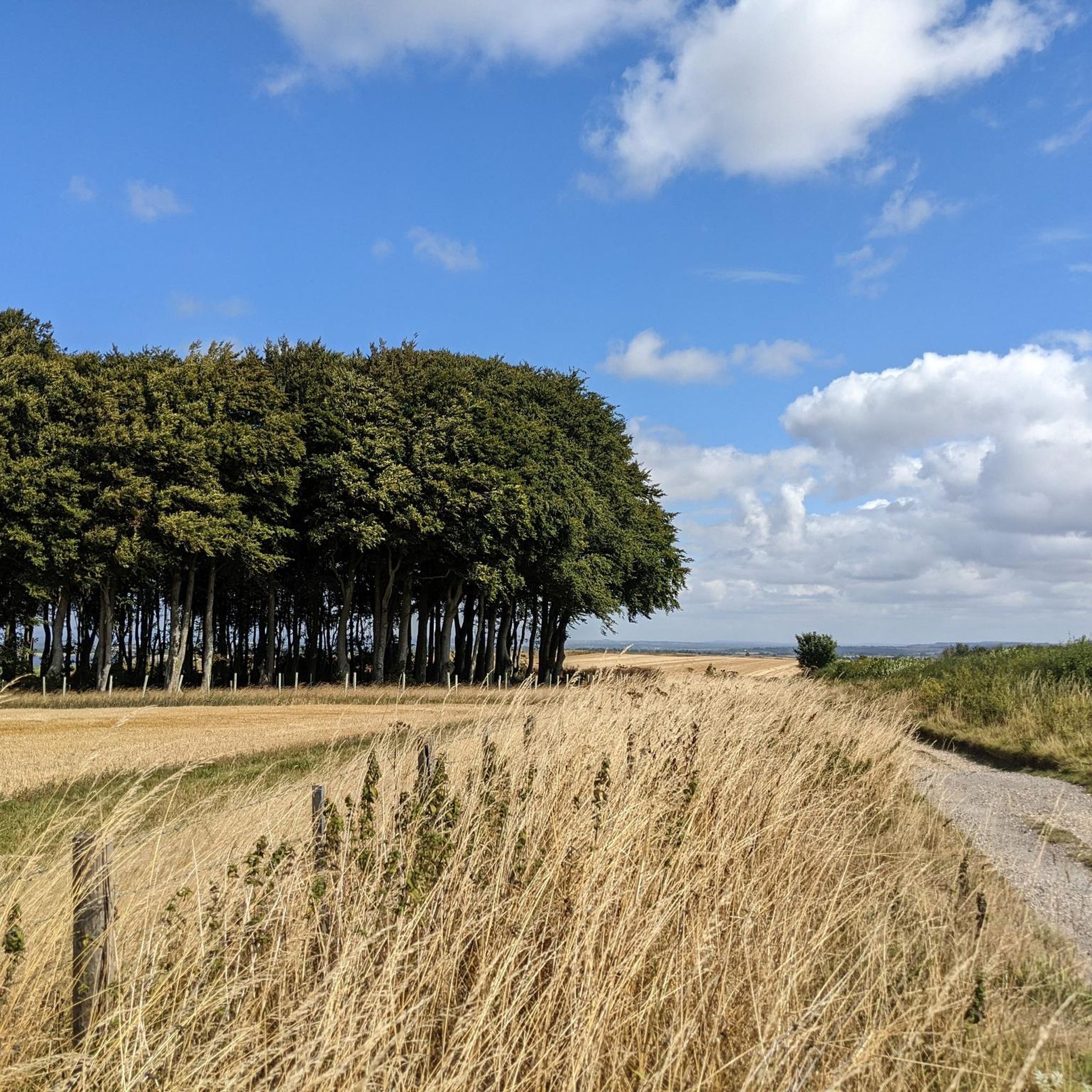
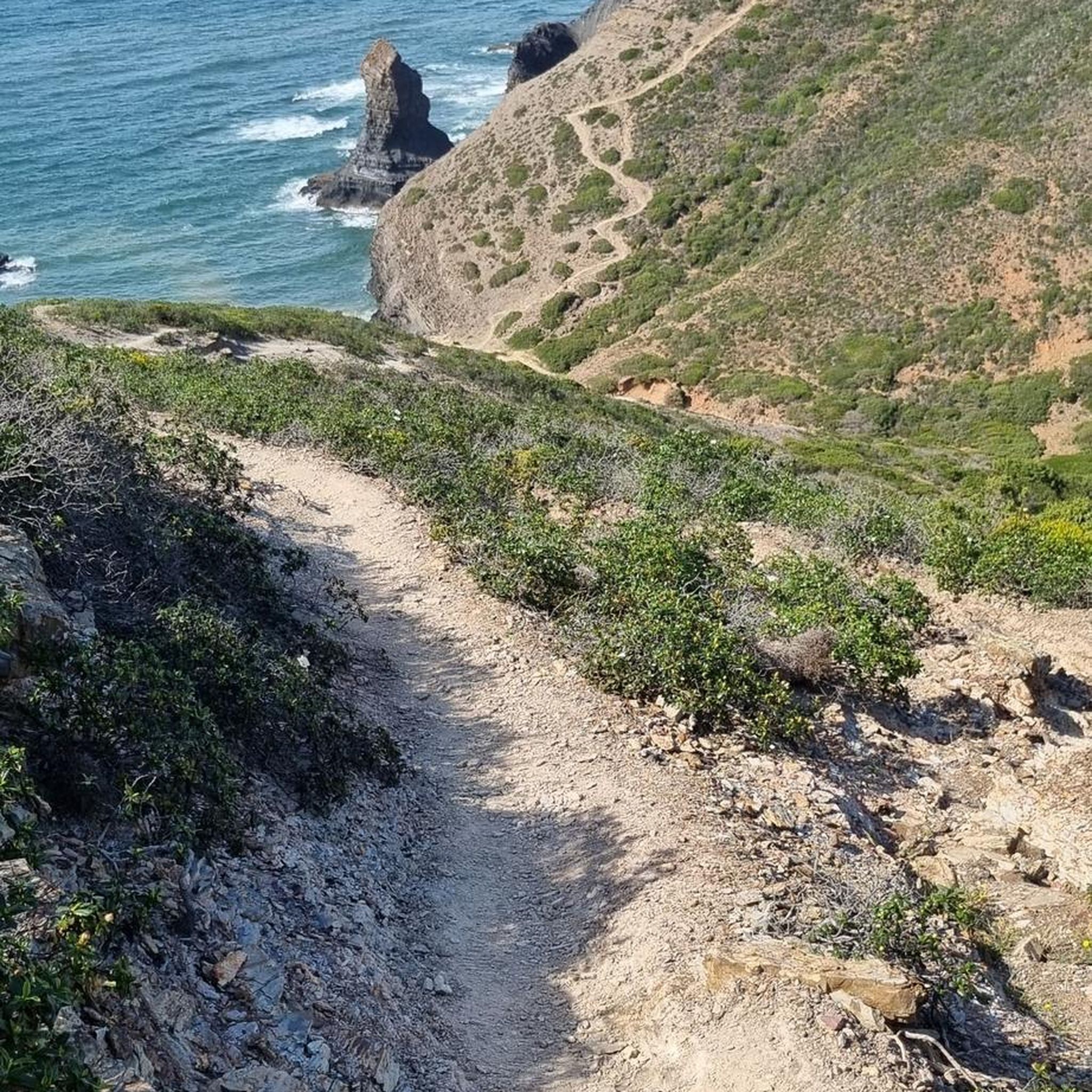
The top section is great coming down after Fyfield Common, but the descent down into Avebury is tricky even on a mtb. Once you reach the farm it's been absolutely destroyed by 4x4s and tractors. So good luck. This type of track is my least favourite part of "official" cycling trails. They just whack the signage up and don't do any restoration or introduction of bylaws to prevent offroad vehicles from using them, restricting enjoyment for other users. It's not like there aren't miles and miles of offroad byways around here which could be legislated for multi-use and non-motorised use.
0
0

Decent Food in the Avebury Community Shop
0
0
Frequently Asked Questions
What historical sites can I visit near Preshute?
Preshute is rich in history, particularly due to its proximity to the Avebury World Heritage Site. You can explore the impressive Avebury Stone Circle, one of the largest prehistoric stone circles in the world. Another significant site is West Kennet Long Barrow, a well-preserved Neolithic chambered tomb where you can even go inside some of the chambers. Don't miss Silbury Hill, Europe's largest artificial mound, whose purpose remains a mystery.
What unique natural features can I explore around Preshute?
The Preshute area, situated within the North Wessex Downs National Landscape, offers several natural highlights. You can discover the ancient West Woods, known for their stunning bluebell displays in spring. Lockeridge Dene & Piggledene feature unique 'boulder streams' of sarsen stones, which are geologically significant. The River Kennet also flows through the parish, adding to the scenic rural views.
What kind of walking and hiking trails are available around Preshute?
Preshute offers a variety of walking and hiking trails, ranging from easy strolls to more challenging routes. Many trails provide access to the ancient Ridgeway trackway. For specific hiking options, you can explore guides like Hiking around Preshute, which includes routes such as the 'Devil's Den Dolmen – Valley of Stones loop' and the 'Manton Gallops – Valley of Stones loop'.
Where can I find easy walks suitable for all abilities near Preshute?
For easier walks, consider routes listed in the Easy hikes around Preshute guide. Options include the 'Manton Gallops – Valley of Stones loop' and the 'West Woods Beech Avenue loop from Lockeridge', which are generally considered easy and suitable for a relaxed outing.
Can I access The Ridgeway from Preshute, and what is it like?
Yes, the ancient Ridgeway trackway extends into the Preshute area. You can access it via routes like the Avebury to Ridgeway Track. This section can be quite rutted and steep in places, especially after rain, so appropriate footwear is recommended. It offers a challenging but rewarding experience with scenic views.
Are there any specific recommendations for mountain biking trails in the Preshute area?
Yes, the Preshute area provides several mountain biking opportunities. You can find detailed routes in the MTB Trails around Preshute guide. Popular options include sections of the King Alfred's Way, such as the 'Marlborough and Avebury Loop', and routes connecting to The Ridgeway like the 'Hackpen White Horse – The Ridgeway at Barbury Castle loop'.
Are there any good viewpoints or scenic spots in the Preshute area?
Absolutely. The Preshute area, being part of the North Wessex Downs National Landscape, offers many scenic spots. The area around Cherhill White Horse provides breathtaking views over the picturesque countryside. Additionally, Silbury Hill and West Kennet Long Barrow are also noted for their scenic surroundings and historical significance.
When is the best time to visit Preshute for outdoor activities and natural beauty?
The best time to visit Preshute largely depends on your interests. Spring is particularly beautiful, especially for seeing the splendid bluebell displays in West Woods. Summer offers pleasant weather for hiking and exploring the outdoor attractions. The historical sites like Avebury Stone Circle are accessible year-round, but good footwear is recommended during wetter months due to potentially muddy fields.
Are there family-friendly attractions and activities around Preshute?
Many of the attractions around Preshute are family-friendly. The Avebury Stone Circle allows visitors to get up close and even touch the stones, which can be engaging for children. Exploring West Kennet Long Barrow offers a fascinating historical experience. The numerous easy walking trails in the area, such as those in West Woods, are also suitable for families.
Are the attractions and trails around Preshute dog-friendly?
Many of the outdoor areas and trails around Preshute are dog-friendly, especially the numerous footpaths and sections of The Ridgeway. When visiting sites like Avebury, dogs are generally welcome in the outdoor areas, but it's always advisable to keep them on a lead, especially near livestock or sensitive historical sites. Always check specific site rules before visiting.
Are there any hidden gems or lesser-known spots worth visiting near Preshute?
Beyond the major prehistoric sites, consider exploring the unique geological formations at Lockeridge Dene & Piggledene, known for their sarsen stone 'boulder streams' and diverse lichens. The Preshute War Memorial and the Grade II*-listed Church of St George also offer a glimpse into local history and architecture, providing a quieter, reflective experience away from the main tourist hubs.
Are there opportunities for wild swimming near Preshute?
While the River Kennet flows through the parish, specific designated wild swimming spots are not prominently highlighted in the immediate Preshute area. For wild swimming, it's always crucial to research safe and legal locations, understand local regulations, and prioritize safety regarding water quality and currents. Information on specific wild swimming locations would typically be found through dedicated local resources or wild swimming communities.
Most popular attractions around Preshute

Get inspired with the komoot mobile app


Explore more
Still not found the Highlight you’re looking for? See guides of the top attractions in other regions:
