The best walks and hikes around Tockenham
4.4
(157)
1,335
hikers
50
hikes
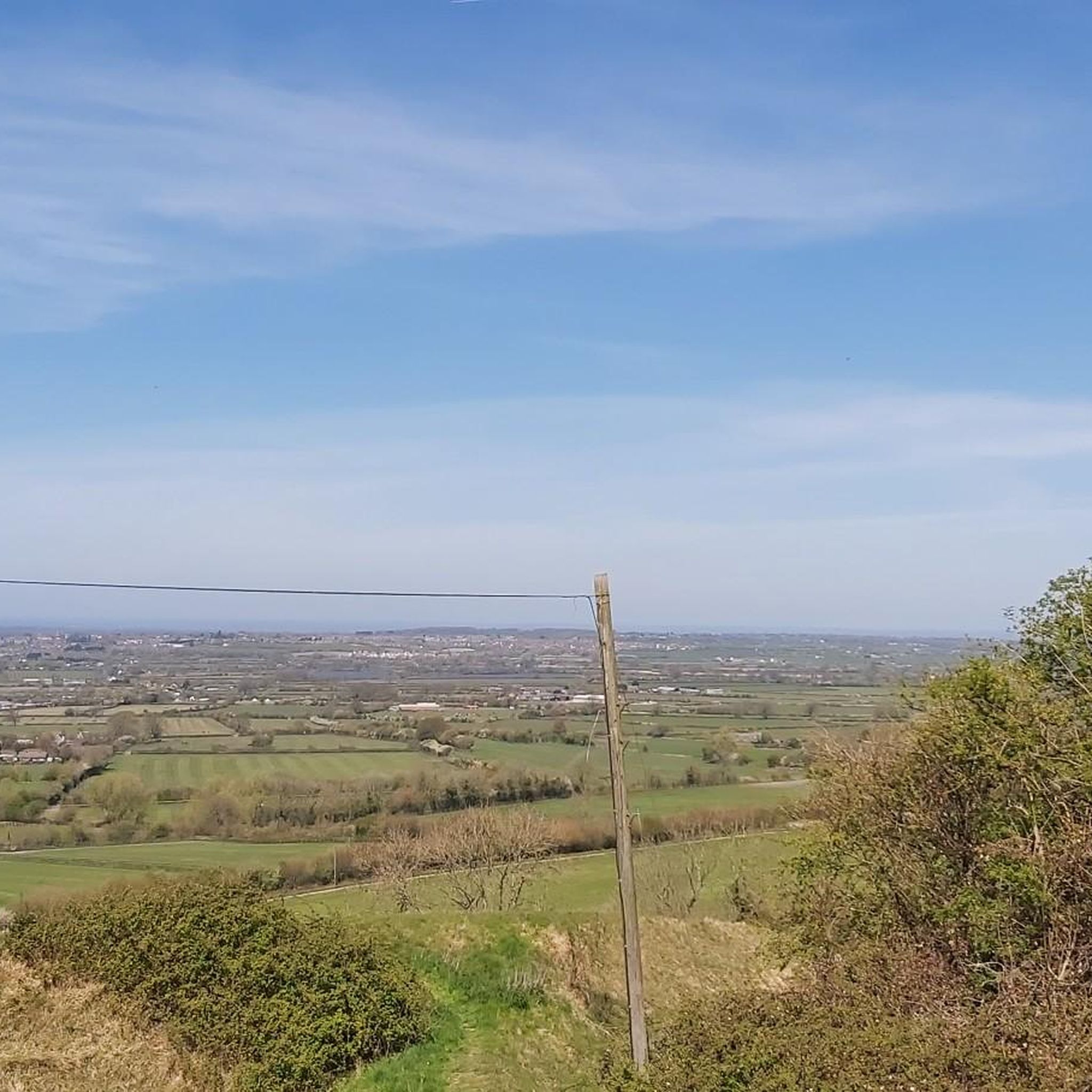
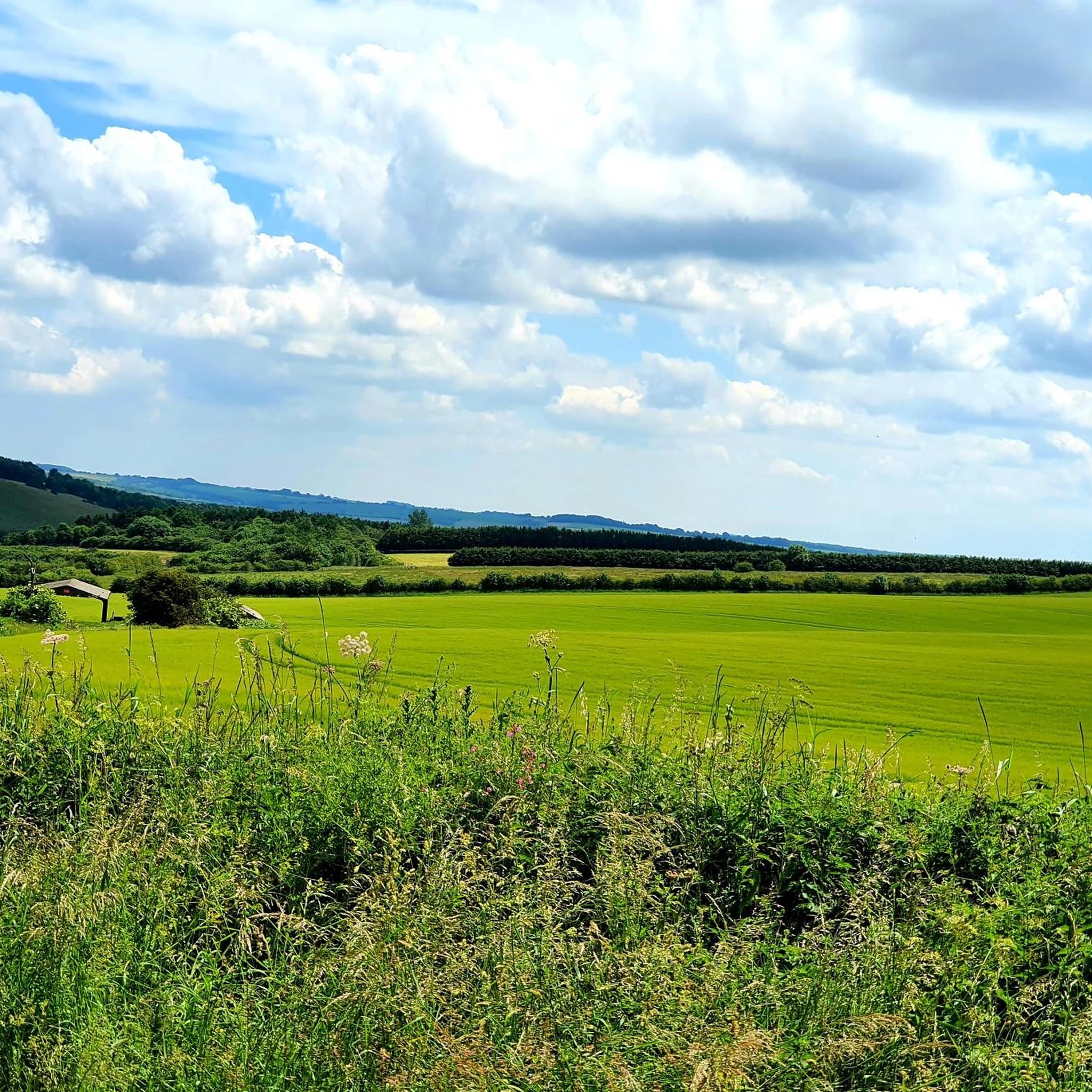
Hiking around Tockenham offers diverse landscapes, characterized by rolling countryside and elevated pasture land, providing open and scenic routes. The region features significant landmarks like Hackpen Hill, known for its White Horse chalk figure and expansive views, and is near the ancient Ridgeway trail. Hikers can also explore paths alongside the historic Wilts & Berks Canal and discover woodland areas such as Teagle's Copse.
Best hiking trails in Tockenham
- The most popular hiking route is Wilts & Berks Canal Overflow…
Last updated: June 22, 2026
3.0
(2)
22
hikers
5.96km
01:33
40m
40m
Easy hike. Great for any fitness level. Easily-accessible paths. Suitable for all skill levels.
4.5
(2)
12
hikers
Moderate hike. Good fitness required. Easily-accessible paths. Suitable for all skill levels.

Sign up for free
5.0
(1)
15
hikers
Moderate hike. Good fitness required. Easily-accessible paths. Suitable for all skill levels.
4.2
(5)
8
hikers
Easy hike. Great for any fitness level. Easily-accessible paths. Suitable for all skill levels.
9
hikers
5.03km
01:19
40m
40m
Easy hike. Great for any fitness level. Easily-accessible paths. Suitable for all skill levels.
Get access to more routes and recommendations from other explorers.
Sign up for free
Already have an account?
Our route recommendations are based on thousands of hikes, rides, and runs completed by other people on komoot.
Start today with a free account
Your next adventure awaits.
Login or Signup

Tips from the Community

Ideal starting point for walk to the white horse.
0
0

On the left hand side of the Altar you will find the tomb of a 13th century Abbess. The slab bears evidence of an attempt to destroy it, probably during the reformation. The tomb was moved from elsewhere in the church during Victorian changes to the chancel area. As the lands at the north of the Benefice were under the control and ownership of Glastonbury Abbey, at which there was a Nunnery, it is entirely possible this Abbess was a significant figure. The tomb slab is remarkable and a very rare example of a slab tomb that is both etched and carved with a face.
0
0
The Sir William Wroughton monument on the right in the chancel describes Elizabeth I as Queen of England and France although Mary, her predecessor, had lost Calais, the last remaining English possession in France in 1558 and Elizabeth renounced her claim to Calais in 1559.
0
0
Lt. Colonel Francis Glanville, killed fighting for Charles I in 1645 at the battle of Bridgewater in the Civil War, has his helmet, gauntlets and a replica of his sword (the original is in the Royal Armoury) displayed above him. The Latin inscription ends “A greater hero England never saw, happily she did oft produce his equal”. The small reclining figure of a woman in her shroud at the bottom of this monument (usually hidden behind a bench seat) appears in Pevsner’s guide to Wiltshire:“her agonised features are not easily forgotten”. A panel from the Duke of Wellington’s funeral carriage (1851) hangs in the chancel in a glass case because the victor of Waterloo owned land locally.
0
0
In the top left corner of the nave is a flight of stone steps which shows there was once a medieval rood screen to screen the chancel off from the laity, probably with a figure of Christ on the cross above. Next to the stone steps are George III’s Royal Arms, painted in 1763 and cleaned in 2008 – note the fleur de lys in the shield. The chancel contains some interesting monuments to the Glanville family. Sir John was Speaker of the House of Commons in 1640. He burned his own Manor House rather than let it be used by Cromwell’s troops. A famous lawyer, he spent three years in the Tower of London after the Civil War for holding illegal Assizes and later served Charles II, as he had Charles I, as Sergeant-at-Law.
0
0
The sixteenth century was a bad time for this church. In 1553 parishioners refused to receive communion for fear of falling masonry. The broken stones allowed so many birds into the then chancel that the minister couldn’t stand by the communion table and there was no seat whilst reading the psalms. John Batewell, a vicar appointed in 1576, was officially censured for his inability to preach, neglect of catechizing and failure to wear the prescribed dress. However, a water colour of the church, painted in 1795 has text underneath which says that the church was “new built in the year 1634; brought to perfection in the year 1635; finished and beautified in the year 1636; a new pulpit erected in the year 1672; the first loft in the tower was boarded in 1676; the belfry and church porch paved in 1677”. The wonderful tie and hammer beam roof of the nave belongs to the 1634 rebuilding.
0
0
The tower was repaired in the 1870s, when the pinnacles were added, but in 1928 the south pier of the tower arch was found to be bulging inwards and giving way. The tower was shored up with timber while new foundations were laid and survived a gale while standing on only three legs. Walking up the nave towards the altar, on your right is the Sir Thomas Wroughton monument from 1597. The monument reflects the legend that he came home from hunting to find his wife, Anne, reading the Bible instead of cooking his supper. He flung the Bible in the fire and she badly burned her hands retrieving it. His blasphemous behaviour caused his hands to wither away, as well as those of his children. Anne holds a partly burned Bible. Sir Thomas was Sheriff of Wiltshire, yet is listed among poachers of the King’s deer in the records of the Wardens of Savernake Forest!
0
0
Turning left as you enter the church, the fifteenth century tower has a peal of six bells, the oldest three being dated 1664. Prior to 1930, the bells were rung from a loft half way up the 61 feet tower. This position was adapted in 2007 when the choir vestry was moved to the ground floor of the tower to facilitate the introduction of a lavatory, and the bellringers were given a new platform above the vestry.
0
0
Frequently Asked Questions
How many hiking trails are available around Tockenham?
There are over 50 hiking routes available around Tockenham, offering a wide variety of experiences. These trails are highly rated by the komoot community, with an average score of 4.4 stars.
What is the general difficulty level of hikes in Tockenham?
Tockenham offers a range of hiking difficulties. You'll find approximately 30 easy routes, suitable for all fitness levels, and 19 moderate hikes that may include some elevation gain. There is also one more challenging route for experienced hikers.
Are there any family-friendly hiking options in Tockenham?
Yes, Tockenham has many family-friendly options, particularly among the easy routes. These often involve leisurely strolls through fields and along canal paths. For example, the Wilts & Berks Canal Overflow loop from Royal Wootton Bassett is an easy 3.7-mile trail that follows the historic canal, suitable for a family outing.
Can I bring my dog on the hiking trails in Tockenham?
Many of the trails around Tockenham are suitable for dogs, especially those traversing open pasture land and public footpaths. However, always ensure your dog is under control, particularly when passing through fields with livestock. It's advisable to check specific route details for any restrictions.
What kind of landscapes can I expect to see while hiking in Tockenham?
Tockenham's landscape is characterized by rolling countryside and elevated pasture land, offering open and scenic routes. You'll encounter paths alongside the historic Wilts & Berks Canal, ancient routes like The Ridgeway, and woodland areas such as Teagle's Copse. The area also features significant landmarks like Hackpen Hill.
Are there any historical landmarks or natural features to explore on the trails?
Absolutely. Hikers can discover several historical and natural features. You can visit Hackpen Hill and White Horse, a chalk hill figure carved in 1838, offering expansive views. Nearby, you can also explore the ancient Barbury Castle Iron Age Hill Fort along The Ridgeway, or the Bincknoll Castle Earthworks, which can be seen on the Broad Hinton Village Centre – Bincknoll Castle Earthworks loop.
What is the best time of year to go hiking in Tockenham?
Tockenham offers enjoyable hiking throughout the year. Spring and summer provide lush green landscapes and pleasant weather for exploring. Autumn brings beautiful colors to the woodlands. In winter, trails can be muddy, so appropriate footwear like wellingtons or sturdy boots is recommended.
Are there any circular hiking routes available?
Yes, many of the routes in Tockenham are designed as loops, allowing you to start and end at the same point. An example is the Broad Hinton Village Centre loop from Broad Hinton, an easy 3.1-mile trail.
What kind of footwear should I wear for hiking in Tockenham?
Given the diverse terrain, which includes fields, stoned tracks, and roads, and the potential for muddy conditions, especially after rain or in winter, sturdy footwear is highly recommended. Wellingtons or waterproof hiking boots are ideal to ensure comfort and protection.
Are there any viewpoints with scenic vistas in the Tockenham area?
Yes, the elevated position of Tockenham's parish, lying over 350 feet above sea level, provides many opportunities for scenic views. Hackpen Hill is a notable viewpoint, offering excellent panoramic views over the Wiltshire countryside. The Ridgeway section near Barbury Castle also provides sweeping grassland views.
What do other hikers enjoy most about Tockenham?
The area is highly rated by the komoot community, with an average score of 4.4 stars from over 140 reviews. Hikers often praise the diverse landscapes, from rolling pasture land and ancient routes to tranquil canal paths, and the variety of options suitable for different ability levels.
Where can I find information about the local history of Tockenham?
For detailed information on the local history of Tockenham and its community, you can refer to resources provided by the Wiltshire Council. A good starting point is the Wiltshire Community History page for Tockenham: wiltshire.gov.uk.
Most popular attractions around Tockenham

Get inspired with the komoot mobile app


Explore more
Browse the best Hikes in other regions.
