Attractions and Places To See around Heddington - Top 20
Best attractions and places to see around Heddington include a blend of historical sites, natural beauty, and cultural points of interest. This Wiltshire village is nestled within the picturesque Wiltshire Downs, offering a scenic backdrop for exploration. The area is rich in ancient history, featuring significant Neolithic sites and Iron Age hill forts. It provides numerous opportunities for outdoor activities and discovering ancient landscapes.
Best attractions and places to see around Heddington
- The most popular attractions is Avebury Stone Circle…
Last updated: August 30, 2026
Avebury Stone Circle
Highlight • Monument
Tip by

Caen Hill Locks
Highlight • Viewpoint
Tip by

Sign up now to discover places like this
Get recommendations on the best single tracks, peaks, & plenty of other exciting outdoor places.
Sign up for free
Avebury Village
Highlight • Settlement
Tip by

Silbury Hill
Highlight • Monument
Tip by

West Kennet Long Barrow
Highlight • Historical Site
Tip by

Sign up for free to discover even more attractions around Heddington.
Sign up for free
Already have an account?
Start today with a free account
Your next adventure awaits.
Login or Signup
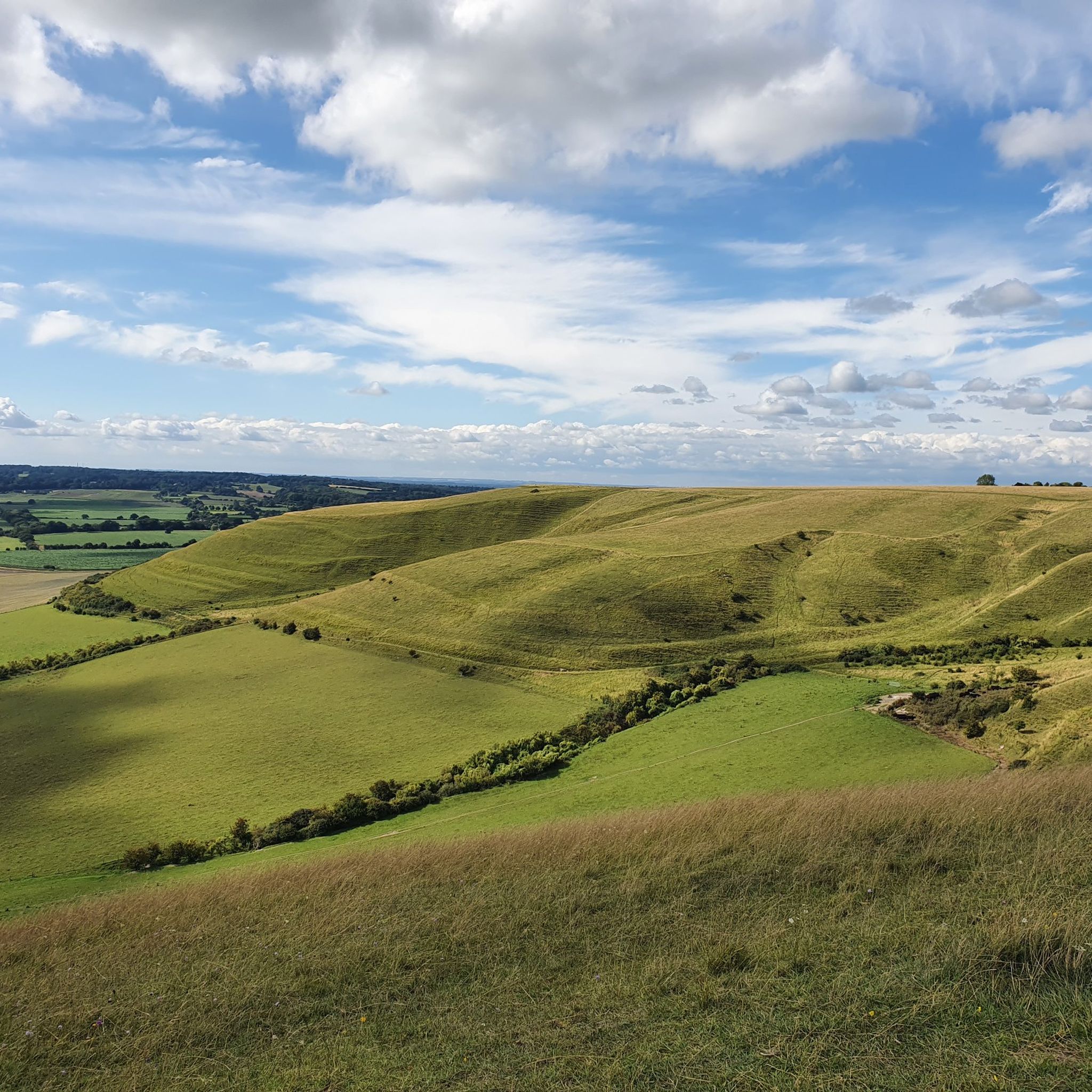
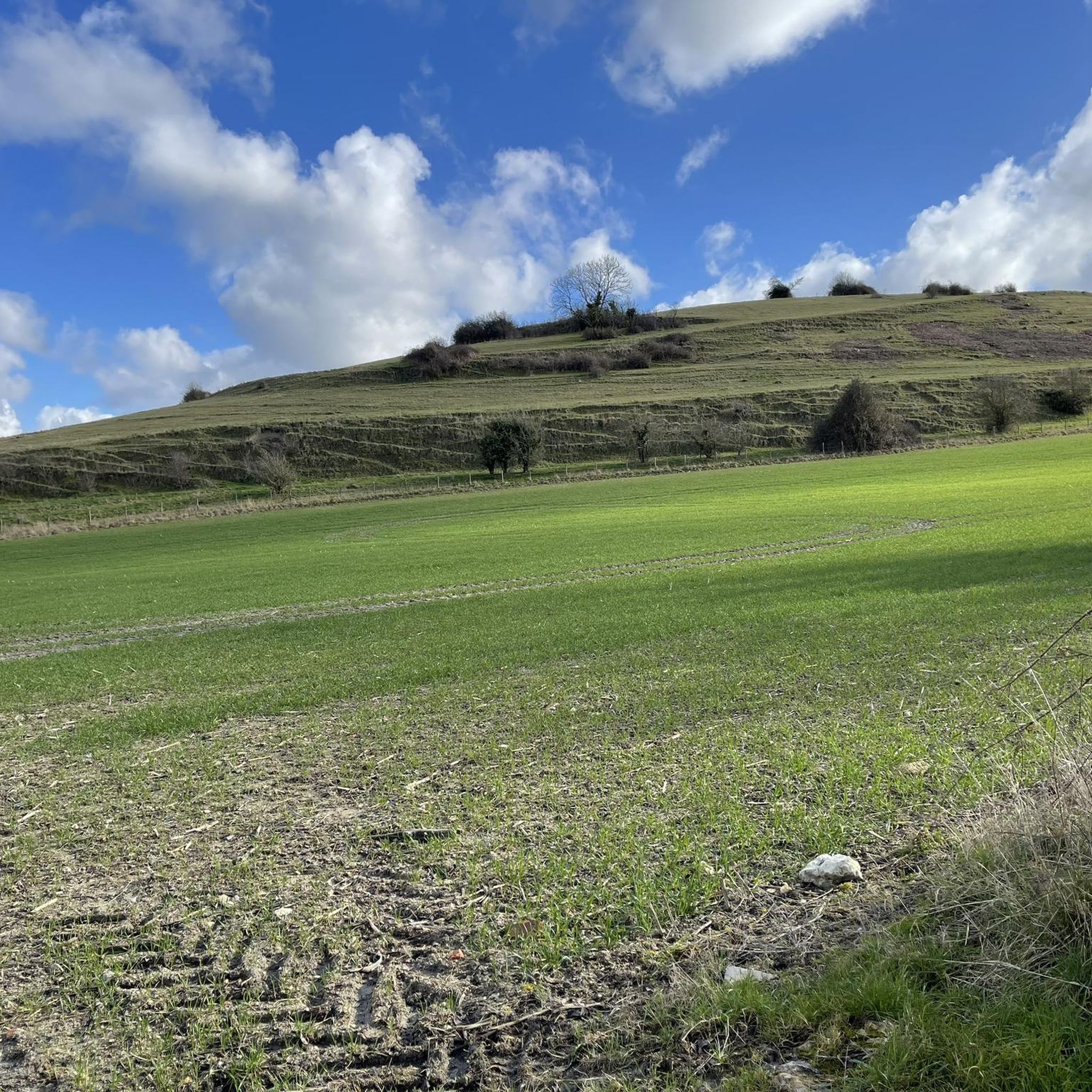
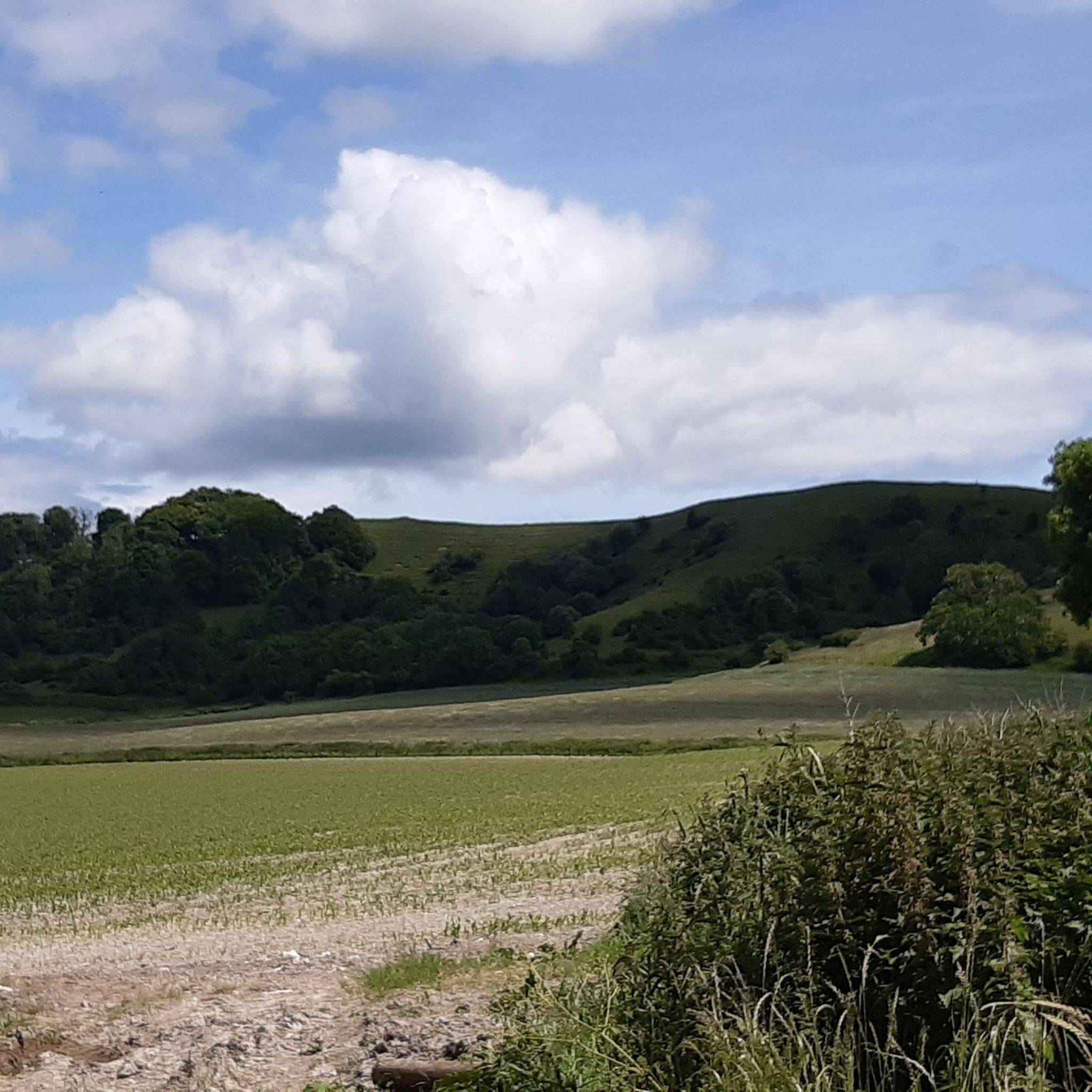
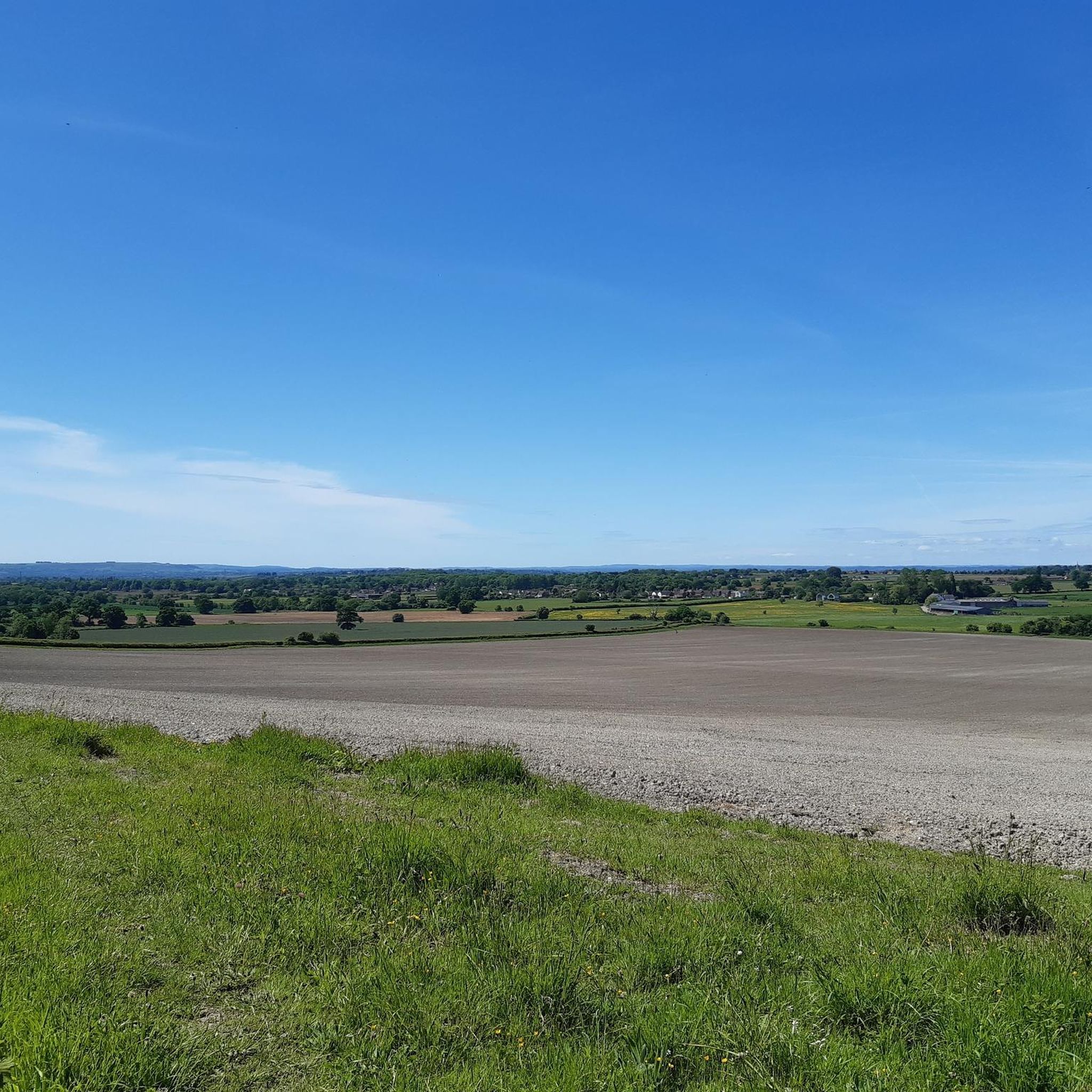
Tips from the Community

An interesting village with a historical background and many sights: 1. Avebury Stone Circle The largest prehistoric stone circle in the world. Unlike Stonehenge, you can walk freely among the stones. The circle even encloses the village of Avebury. 2. Avebury Henge The massive earthwork and ditch surrounding the stone circle. From some vantage points, you get a good impression of the enormous dimensions of the site. 3. Silbury Hill Europe's largest man-made prehistoric mound. The hill lies about 2 km south of Avebury and is a fascinating Neolithic puzzle. 4. West Kennet Long Barrow A Neolithic chamber tomb over 5,000 years old, the burial chambers of which can be entered. Particularly atmospheric in the early morning or evening. 5. The Sanctuary The remains of another Stone Age ritual site at the end of the old processional way. 6. West Kennet Avenue An impressive avenue of standing stones that once linked Avebury with The Sanctuary. 7. Avebury Manor A 16th-century manor house with beautiful gardens. It is now looked after by the National Trust. 8. Alexander Keiller Museum A small but very interesting museum about the history and archaeology of Avebury and the surrounding monuments. 9. Windmill Hill One of the oldest known Neolithic sites in Britain with beautiful views over the Wiltshire landscape.
1
0


Such a beautifully preserved village. It's bizarre that they put a road straight through it though.
0
0
Sidbury Hill, or Sidbury Camp, is the site of an Iron Age bivallate hillfort on the eastern edge of Salisbury Plain in Wiltshire, England. The site is sub-triangular in shape, approximately 17 acres in area, and is constructed on the site of a Neolithic settlement. The hill offers excellent defensive slopes on all sides, which have been supplemented by the double ditch and rampart earthworks. The settlement and hillfort were partially excavated in the 19th century and the 1950s; there were finds of pottery and other artefacts. A Neolithic settlement site was discovered during the excavation in the 1950s, being of a section of the south-east rampart of the hillfort. A number of flint flakes and tools were recovered. The site is a scheduled national monument. Trees planted in the 1960s were removed from 2002 and the area was allowed to revert to the natural chalk downland. Access to the site is difficult as it is on, or near, Ministry of Defence land, and there are many tank tracks and occasional artillery firing in the area. There are also numerous ditches, barrows, trackways, field systems, and tumuli in the area. Due to erosion issues climbing on the barrow is now forbidden. Such a shame, but understandable.
0
0
A well preserved bell barrow, the mound of which measures 22m in diameter and stands up to 2.8m high. The mound is surrounded by a berm up to 5m in diameter and a ditch 0.7m deep and up to 6.2m wide. One of these two bell barrows produced a sherd of Bronze Age pottery and a fragment of a polished greenstone axe, both found by Owen Meyrick. A bell barrow, the mound of which measures 24m in diameter and stands 2.7m high. The berm and ditch which surround this barrow have been levelled by cultivation on three sides but survive as buried features on the fourth. From measurements on the western side it can be seen that the berm is c.3m wide and that the ditch is c.5m wide.
0
0
Who wouldn't want to walk into a neolithic burial chamber? anybody? no? didn't think so!!! It was amazing!!! The monument includes six prominent Bronze Age round barrows which form part of a larger round barrow cemetery north-east of West Kennett Farm and west of the Ridgeway track on Overton Hill. This is the site of a round barrow which, despite being ploughed level, will contain archaeological information; the old ground surface beneath the mound and the surrounding quarry ditch, from which material was quarried during construction of the monument, will survive as buried features. The area of the mound has a diameter of 33m; the surrounding ditch is c.2m wide. A bowl barrow, the mound of which measures 41.5m in diameter and stands up to 1.2m high. The mound is surrounded by a ditch which has become infilled over the years but which survives as a buried feature c.3m wide. This barrow has been partially excavated on two occasions, in 1857 by Thurnham and again in 1882 by W & H Cunnington. The primary cremation burial was not located but two secondary cremations were recovered. One was located north- west of the centre of the mound and was accompanied by a flint scraper and a serrated flint flake; the other was situated east of the centre and contained pottery sherds of two vessels, a beaker and an urn, as well as a piece of antler and several bone pins. A bowl barrow, the mound of which measures 42m in diameter and stands up to 0.7m high. The barrow has been partially excavated on two occasions, in 1857 by Thurnham and in 1882 by Ponting. These revealed that the barrow mound contained a crouched skeleton in a grave partly lined and roofed with sarsens. This was covered by a sarsen cairn, itself ringed by a double circle of sarsen stones c.1m outside the edge of the cairn. There was no evidence of a ditch around this barrow. Other finds included a later crouched skeleton covered with sarsen stones, the skeleton of a child, three large urns full of burnt bones and the perforated head of a bone pin. A well preserved bell barrow, the mound of which measures 26m in diameter and stands up to 3m high. The mound is surrounded by a gently sloping berm or platform c.3m wide and a ditch 0.5m deep and up to 6.4m wide.
0
0

Frequently Asked Questions
What historical sites can I explore near Heddington?
The area around Heddington is rich in history. You can visit the impressive Neolithic site of Avebury Stone Circle, which is large enough to encompass part of a village. Nearby, explore the ancient burial chamber of West Kennet Long Barrow and the mysterious Silbury Hill, Europe's largest artificial mound. Other notable historical sites include St Andrew's Church in Heddington, King's Play Hill Long and Round Barrows, and Oliver's Castle, an Iron Age hill fort.
Are there any ancient monuments or prehistoric sites in the area?
Yes, Heddington is surrounded by significant ancient monuments. The most prominent is the Avebury Stone Circle, a vast Neolithic henge monument where you can get up close to the stones. Close by, you'll find West Kennet Long Barrow, an older Neolithic burial chamber you can enter, and Silbury Hill, a prehistoric mound whose purpose remains unknown. The area also features King's Play Hill Long and Round Barrows.
Where can I find natural beauty and scenic views around Heddington?
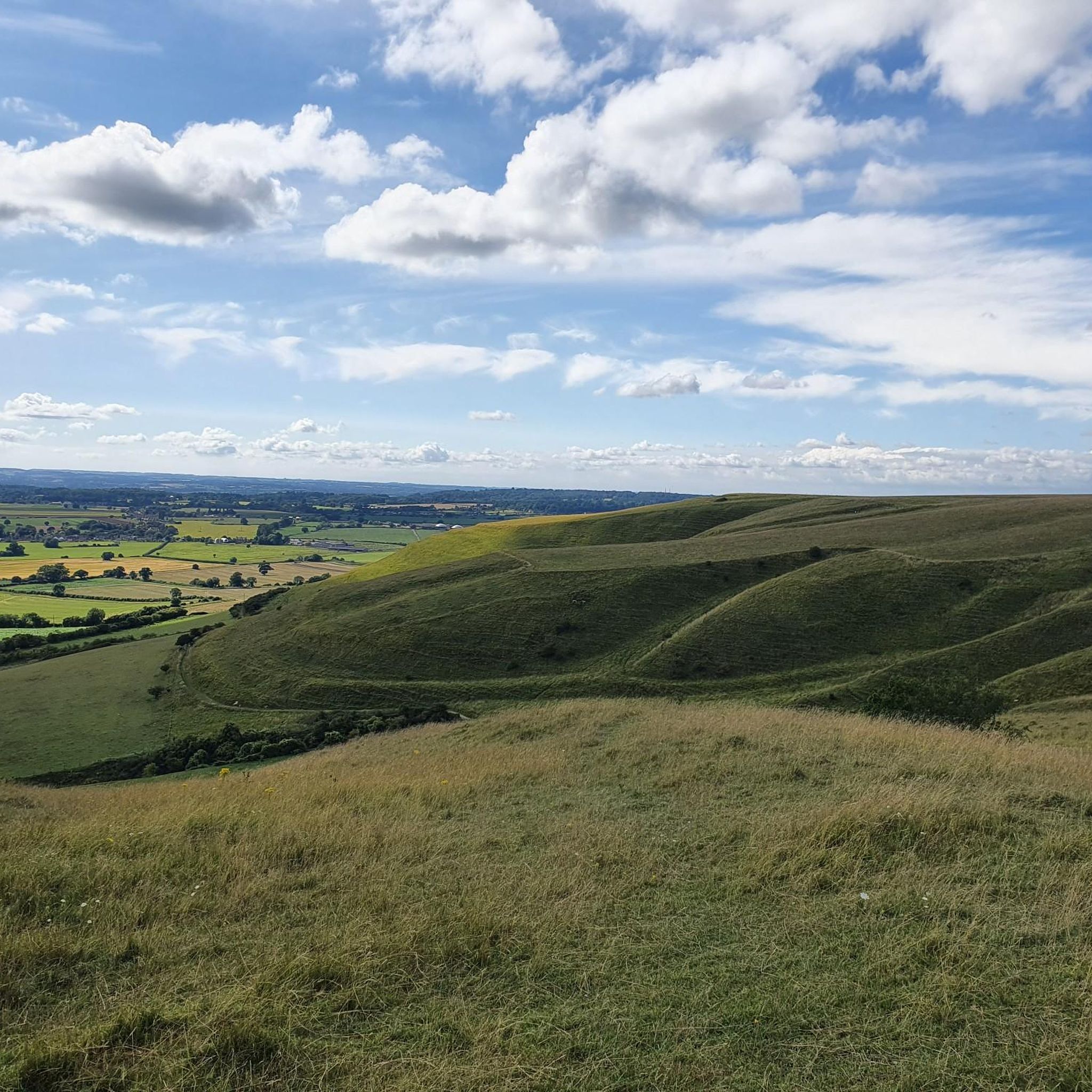
Heddington is nestled within the picturesque Wiltshire Downs, offering many scenic spots. Cherhill White Horse provides breathtaking views over the countryside. Morgan's Hill, a Site of Special Scientific Interest, is known for its diverse orchids and wildflowers, offering expansive views. King's Play Hill is the highest point of the parish and also a biological SSSI. The impressive Caen Hill Locks on the Kennet and Avon Canal are surrounded by beautiful nature and wildlife.
Are there opportunities for walking or hiking near Heddington?
Absolutely, the surroundings of Heddington are ideal for walking and hiking. You can explore parts of ancient trails like the Wansdyke, Roman Road, Mid Wilts Way, Wessex Ridgeway, and White Horse Trail, which converge at Morgan's Hill. For specific routes, consider exploring the 'Hiking around Heddington' guide, which features trails like the 'Morgan's Hill & North Down Roman Road loop' or the 'Devizes White Horse – Devizes Millennium White Horse loop from Heddington'. Find more details in the Hiking around Heddington guide.
What cycling routes are available around Heddington?
The Heddington area offers various cycling routes for different skill levels. For road cycling, you can find routes such as the 'Lacock Abbey – Lacock Village loop' or the 'Caen Hill Locks – Bulkington Country Road loop'. If you prefer touring, options include the 'Devizes Millennium White Horse – Caen Hill Locks loop' or the 'Marlborough Town Centre – Pewsey White Horse loop'. Explore more routes in the Road Cycling Routes around Heddington and Cycling around Heddington guides.
Are there any nature reserves or protected areas nearby?
Yes, the region boasts several natural areas. Morgan's Hill is a designated Site of Special Scientific Interest (SSSI) and a nature reserve, celebrated for its diverse flora and fauna. King's Play Hill is also a biological SSSI. Additionally, Drew's Pond Wood Local Nature Reserve is a peaceful outdoor escape located a short distance away. The wider area, including attractions like Avebury, is part of the North Wiltshire & Wessex Downs Area of Outstanding Natural Beauty (AONB).
Are there family-friendly attractions near Heddington?
Many attractions around Heddington are suitable for families. The Avebury Stone Circle allows children to explore and touch the ancient stones. The Caen Hill Locks offer an interesting sight with boats navigating the canal, and there's plenty of nature to observe. Nearby, Bowood House & Gardens provides impressive gardens and family activities, while Lacock Abbey offers both indoor and outdoor exploration.
What is the best time to visit the attractions around Heddington?
The best time to visit the outdoor attractions around Heddington, such as the stone circles, barrows, and hill forts, is generally during the spring, summer, and early autumn months (April to October). During these periods, the weather is typically milder and drier, making walking and exploring more enjoyable. For sites like Bowood House & Gardens or Lacock Abbey, checking their specific opening hours and seasonal events is recommended.
Are the attractions around Heddington dog-friendly?
Many of the outdoor attractions around Heddington are dog-friendly, especially those in natural settings like the Wiltshire Downs, Morgan's Hill, and the areas around the White Horses. Avebury Stone Circle is generally dog-friendly, though dogs should be kept on a lead. For specific indoor attractions or private estates like Bowood House or Lacock Abbey, it's always best to check their individual policies regarding dogs before your visit.
Where can I find cafes or pubs near the attractions?
You'll find options for refreshments near several attractions. The Caen Hill Locks have a café on-site, perfect for a break during a walk. In the village of Avebury, which is within the stone circle, there are pubs and cafes. The Ivy Inn is also mentioned as being close to some of Wiltshire's famous White Horses. For other areas, nearby villages often have local pubs and cafes.
How can I reach the attractions around Heddington by public transport?
While Heddington itself is a small village, some nearby towns like Devizes and Calne serve as hubs for public transport. From these towns, local bus services may connect to or pass near some of the larger attractions like Avebury or Caen Hill Locks. However, for many of the more remote historical sites and natural areas, public transport options can be limited, and driving or cycling might be more convenient. Always check local bus schedules in advance.
What cultural experiences does Heddington offer?
Beyond its ancient history, Heddington offers unique cultural experiences. The International Meditation Centre, housed in Splatts House since 1978, provides a distinct cultural insight into the tradition of Sayagyi U Ba Khin and Mother Sayamagyi. St Andrew's Church, with its 13th-century origins and 15th-century tower, is also a significant historical and architectural landmark within the village.
Most popular attractions around Heddington

Get inspired with the komoot mobile app


Explore more
Still not found the Highlight you’re looking for? See guides of the top attractions in other regions:
