The best road cycling routes around Ashmore
4.5
(70)
2,565
riders
161
rides
Road cycling routes around Ashmore are characterized by rolling hills and scenic country roads, typical of the English countryside. The region features varied terrain, including valleys and moderate climbs, offering diverse experiences for road cyclists. Elevations on routes can reach nearly 1,000 meters, providing challenging ascents. This area offers a network of routes suitable for exploring the rural landscape.
Best road cycling routes around Ashmore
- The most popular road cycling route is Ebble Valley Country Road – Salisbury Cathedral loop…
Last updated: May 23, 2026
5.0
(4)
86
riders
Moderate road ride. Good fitness required. Mostly well-paved surfaces and easy to ride.
5.0
(1)
42
riders
65.2km
02:58
520m
510m
Moderate road ride. Good fitness required. Mostly well-paved surfaces and easy to ride.

Sign up for free
32
riders
91.2km
05:01
1,000m
1,000m
Hard road ride. Very good fitness required. Some segments of this route may be unpaved and difficult to ride.
5.0
(1)
18
riders
Moderate road ride. Good fitness required. Mostly well-paved surfaces and easy to ride.
3.0
(1)
20
riders
Moderate road ride. Good fitness required. Mostly well-paved surfaces and easy to ride.
Get access to more routes and recommendations from other explorers.
Sign up for free
Already have an account?
Our route recommendations are based on thousands of hikes, rides, and runs completed by other people on komoot.
Start today with a free account
Your next adventure awaits.
Login or Signup
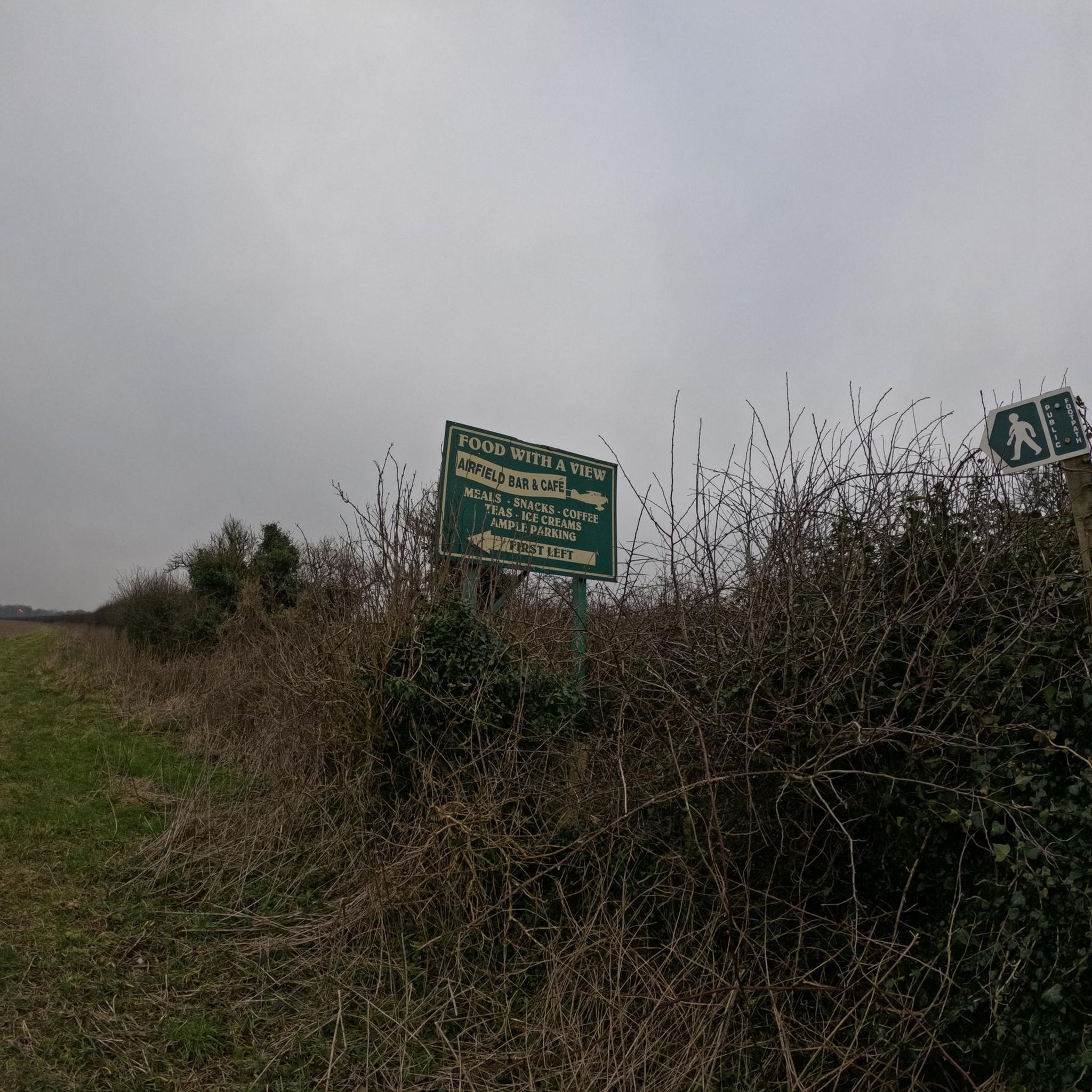
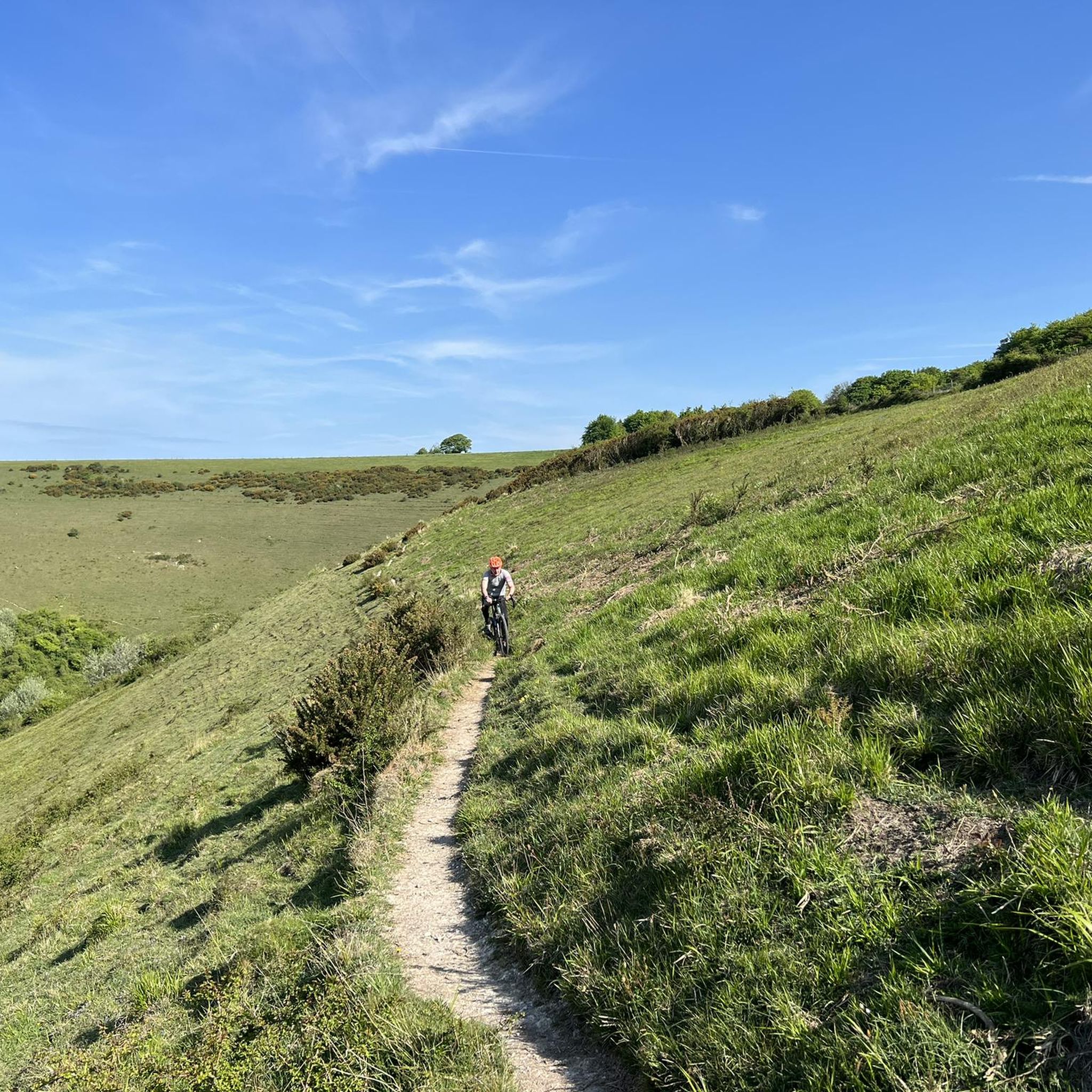
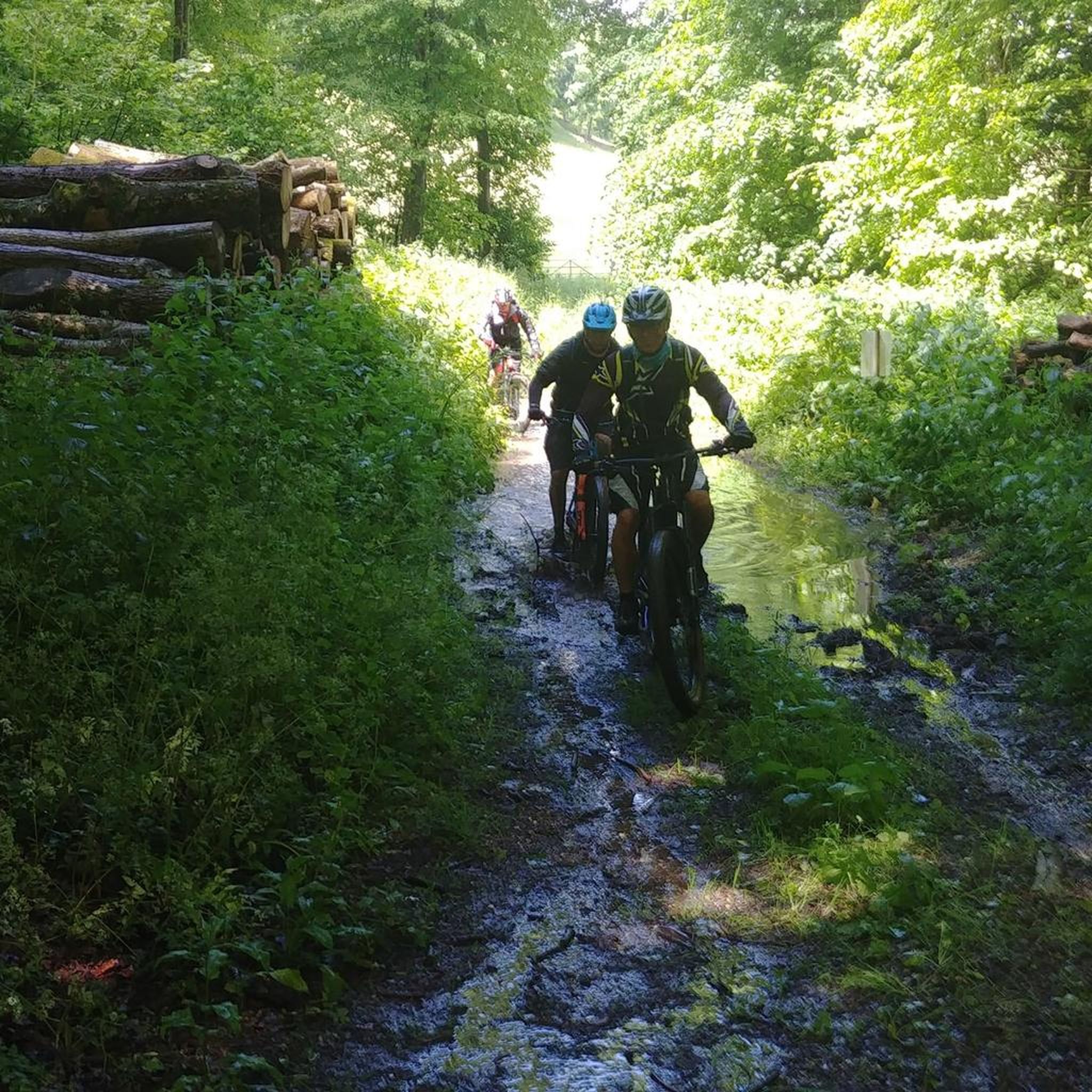
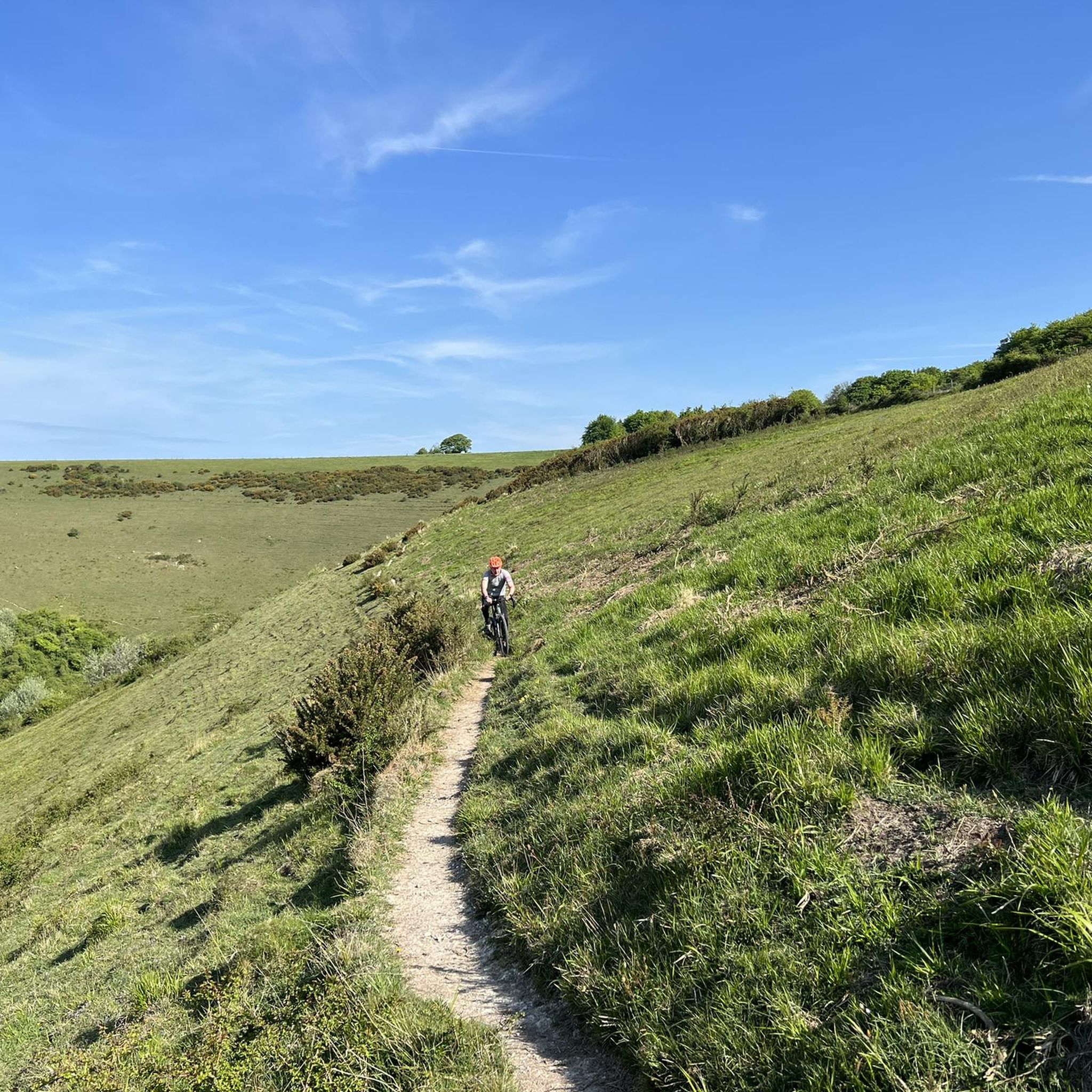

Tips from the Community

If you’re looking for a town that feels like a giant, historical treasure chest, Wimborne MinsterClick to open side panel for more information is the place to be. It’s a quirky mix of ancient legends, beautiful architecture, and a slightly obsession with things being very, very small. The Heart of the Town The town is dominated by the Wimborne Minster Parish OfficeClick to open side panel for more information and the stunning church itself, which has been standing for over 1,300 years. It’s famous for its unique "twinned" towers and some seriously cool interior features. The Chained Library: It’s home to one of the few surviving chained libraries in the world, where the books are literally locked to the shelves to stop medieval students from "borrowing" them forever. The Quarter Jack: Keep an eye on the exterior clock; a colorful figure known as the Quarter Jack strikes the bells every fifteen minutes. He’s been on duty since 1612! The Man in the Wall: Look for the tomb of Anthony Ettrick, who was convinced he’d die in a specific year and had his coffin built into the wall of the church so he wouldn't be buried "in" or "outside" the consecrated ground.
0
0
St. Giles Church is known for its numerous monuments, particularly those dedicated to the Earls of Shaftesbury. Sir Anthony Ashley's Tomb: A historic highlight is the spectacular gilded tomb of Sir Anthony Ashley, dating to 1628. The tomb features intricate classical columns and symbolism. A curious detail is a sphere at his feet, which has been the subject of various theories, including that it represents a globe, a jewel, or even a cabbage. Ashley-Cooper Family Memorials: The church houses several other memorials to the Ashley-Cooper family, including tombs for the 1st, 3rd, 4th, 7th, and 9th Earls. The 1st Earl's memorial includes a bust by Rysbrack, and the 3rd Earl's is a grand wall monument by Scheemakers. Crusader Effigy: There is a much-restored 14th-century effigy of a crusading knight, believed to be Sir John de Plecy. Comper's Work: The interior is almost entirely a result of Sir Ninian Comper's restoration. This includes the highly decorated screen separating the nave and chancel, new stained glass windows, and the gilded tester over the altar.
1
0
19th-Century Gothic Revival: In the 19th century, the church was remodeled twice. The most significant work was in 1887, a Gothic Revival-style memorial to the 8th Earl of Shaftesbury. The 1908 Fire and Comper's Restoration: A catastrophic fire in 1908 destroyed most of the church's interior, leaving only the walls standing. The 9th Earl of Shaftesbury commissioned the renowned Gothic Revival architect Sir Ninian Comper to restore and rebuild the church. Comper's work, completed between 1908 and 1910, is considered one of his masterpieces. He kept the 18th-century external walls but completely redesigned the interior, adding a new north aisle and a lady chapel. His intricate work, including stained glass, a wooden screen, and numerous sculptures, makes the church a "treasure-house of Comper work," as described by Sir John Betjeman.
1
0
St. Giles Church is the parish church for the village of Wimborne St Giles in Dorset. It has a rich and complex history, marked by several rebuilds, a major fire, and the patronage of the Ashley-Cooper family, the Earls of Shaftesbury. The church's origins date back to at least the 13th century, with the first recorded rector in 1207. The current building is a fascinating mix of architectural styles due to its turbulent history. 18th-Century Georgian: The church was almost entirely rebuilt in 1732 by the Dorset architects John and William Bastard, who were also responsible for much of the reconstruction of the town of Blandford Forum after a fire. The exterior of the church, with its greensand and flint walls, still largely reflects this Early Georgian design.
1
0

Pro Tip: Salisbury Navigation — Start Smart, Finish Smarter Salisbury is a natural waypoint on the King Alfred’s Way — a scenic and historic city, but also a maze for a tired bikepacker. Here’s how to avoid the common pitfalls: 🧭 Navigation Hazards: The city layout can be disorienting after a long day in the saddle, especially with phone fatigue, low battery, or GPS signal issues. Preload your route offline and drop a pin at your parking location or train station before rolling out. 📱 Backup Nav: Bring a secondary form of navigation — a small power bank, a basic GPS unit, or even a paper map. If you’re relying on your phone, make sure screen timeouts and lockouts won’t leave you stranded (ask me how I know…). 📦 Start/End Point Logistics: If parking in Salisbury, choose a well-marked car park close to a landmark or note the street name. Trusting “Find My Parked Car” or memory alone can lead to a post-ride goose chase. A hidden hero? An AirTag stashed in your car. 🚴♂️ Ride Timing: Salisbury is a great place to begin or end a leg — just be aware of city traffic and tourist footfall, especially near the cathedral. Early starts and twilight returns can ease your flow through town.
0
0


Frequently Asked Questions
How many road cycling routes are available around Ashmore?
There are over 170 road cycling routes around Ashmore, offering a wide range of options for different skill levels and preferences. These routes are highly rated by the komoot community, with an average score of 4.5 stars.
What kind of terrain can I expect on road cycling routes near Ashmore?
Road cycling routes around Ashmore are characterized by rolling hills and scenic country roads, typical of the English countryside. You'll encounter varied terrain, including valleys and moderate climbs. Some routes feature significant elevation gains, with ascents reaching nearly 1,000 meters.
Are there any challenging road cycling routes for experienced riders?
Yes, Ashmore offers routes with challenging climbs. For example, the Milton Abbas Village – View from Bulbarrow Hill loop from Donhead St. Mary is a difficult 56.7-mile (91.2 km) trail with nearly 1,000 meters of elevation gain, leading through rural villages and offering views from Bulbarrow Hill.
Can I find routes with scenic viewpoints or landmarks?
Absolutely. Many routes offer picturesque views and pass by notable landmarks. For instance, the Milton Abbas Village – View from Bulbarrow Hill loop provides views from Bulbarrow Hill. You can also explore highlights like Hambledon Hill Iron Age hill fort or Fontmell Down, which are accessible from various routes.
Are there any road cycling routes that pass through villages or offer cafe stops?
Yes, several routes are designed to take you through charming villages where you can find amenities. The Child Okeford Village – Gold Hill Organic Farm Café loop from Sutton Waldron is a great example, specifically mentioning a cafe stop. The region's rural villages often provide opportunities for refreshments.
What are some popular loop routes for road cycling around Ashmore?
Loop routes are very common in the Ashmore area. Popular options include the Ebble Valley Country Road – Salisbury Cathedral loop from Donhead St. Mary, which is a 40.7-mile (65.6 km) trail, and the Furzehill Lane – North Dorset Trailway loop from Sutton Waldron, a moderate 40.5-mile (65.2 km) path.
What is the best time of year for road cycling in Ashmore?
The English countryside around Ashmore is generally pleasant for cycling from spring through autumn. While specific seasonal data isn't available, milder weather and longer daylight hours typically make these seasons ideal for enjoying the rolling hills and scenic routes. Winter cycling is possible but may require more preparation for colder, potentially wetter conditions.
Are there any historical sites or natural monuments to see while cycling?
Yes, the area is rich in both historical sites and natural monuments. Along your rides, you might encounter places like Win Green Summit, the Hambledon Hill Iron Age hill fort, or Hod Hill. These offer interesting stops and views during your cycling adventures.
What do other road cyclists enjoy most about the routes in Ashmore?
The komoot community highly rates the road cycling experience in Ashmore, with an average score of 4.5 stars from over 70 reviews. Cyclists often praise the picturesque rural landscape, the variety of terrain from rolling hills to moderate climbs, and the well-curated network of routes that allow for diverse experiences.
Are there any easier or beginner-friendly road cycling routes around Ashmore?
While many routes feature moderate climbs, there are options suitable for less experienced riders. The region offers a network of routes with varying difficulty levels. You can find routes with less elevation gain, allowing beginners to enjoy the scenic country roads without overly challenging ascents. For example, the Child Okeford Village – Gold Hill Organic Farm Café loop has a more modest elevation gain of around 286 meters.
How long do road cycling routes around Ashmore typically take to complete?
The duration of routes varies significantly based on distance and elevation. For instance, a moderate route like the Ebble Valley Country Road – Salisbury Cathedral loop (40.7 miles / 65.6 km) typically takes around 3 hours and 10 minutes. Longer, more difficult routes, such as the Milton Abbas Village – View from Bulbarrow Hill loop (56.7 miles / 91.2 km), can take approximately 5 hours.
Most popular attractions around Ashmore

Get inspired with the komoot mobile app


Explore more
Browse the best Road cycling routes in other regions.
