The best running trails around Donhead St. Mary
4.1
(19)
1,103
runners
162
runs
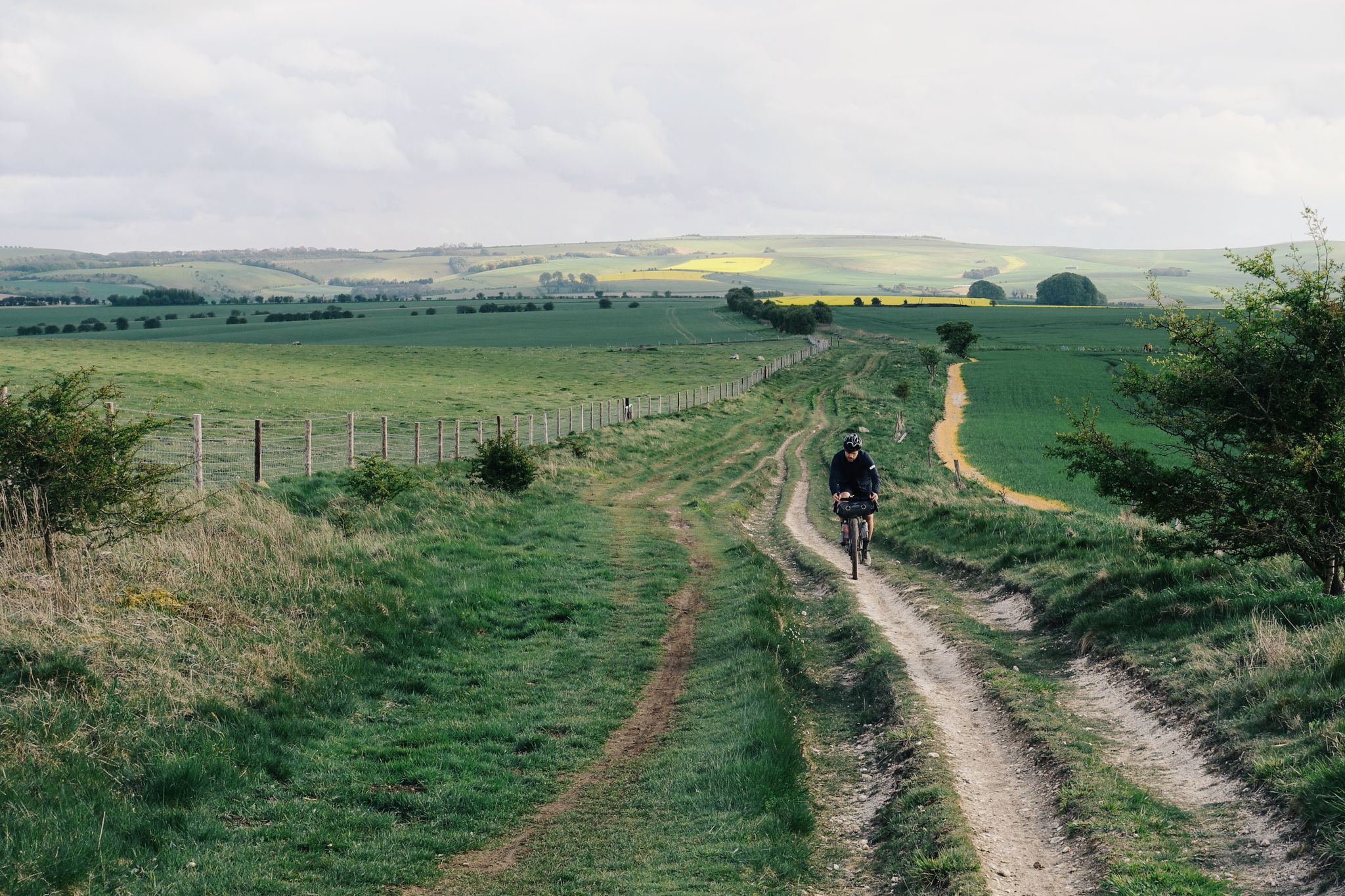
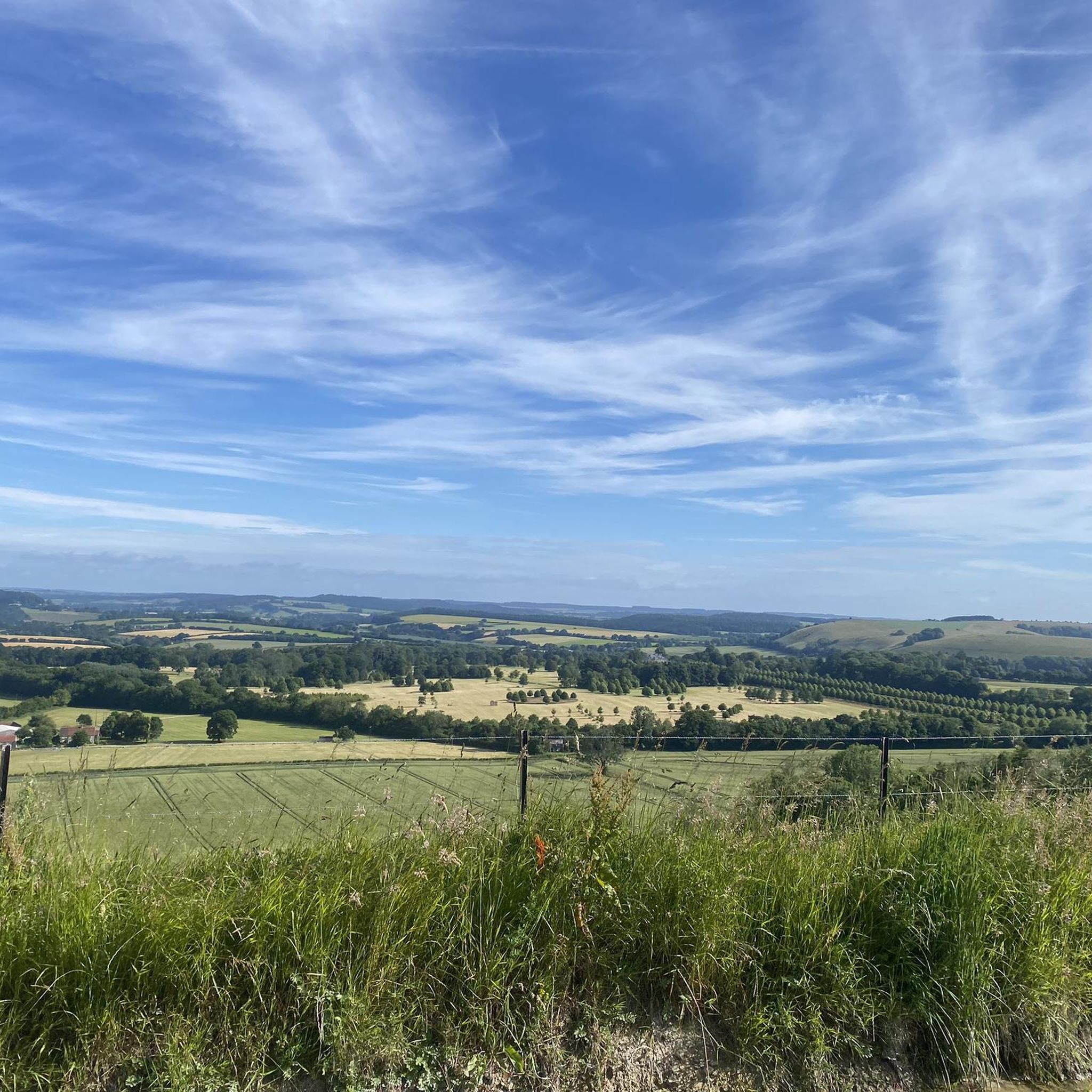
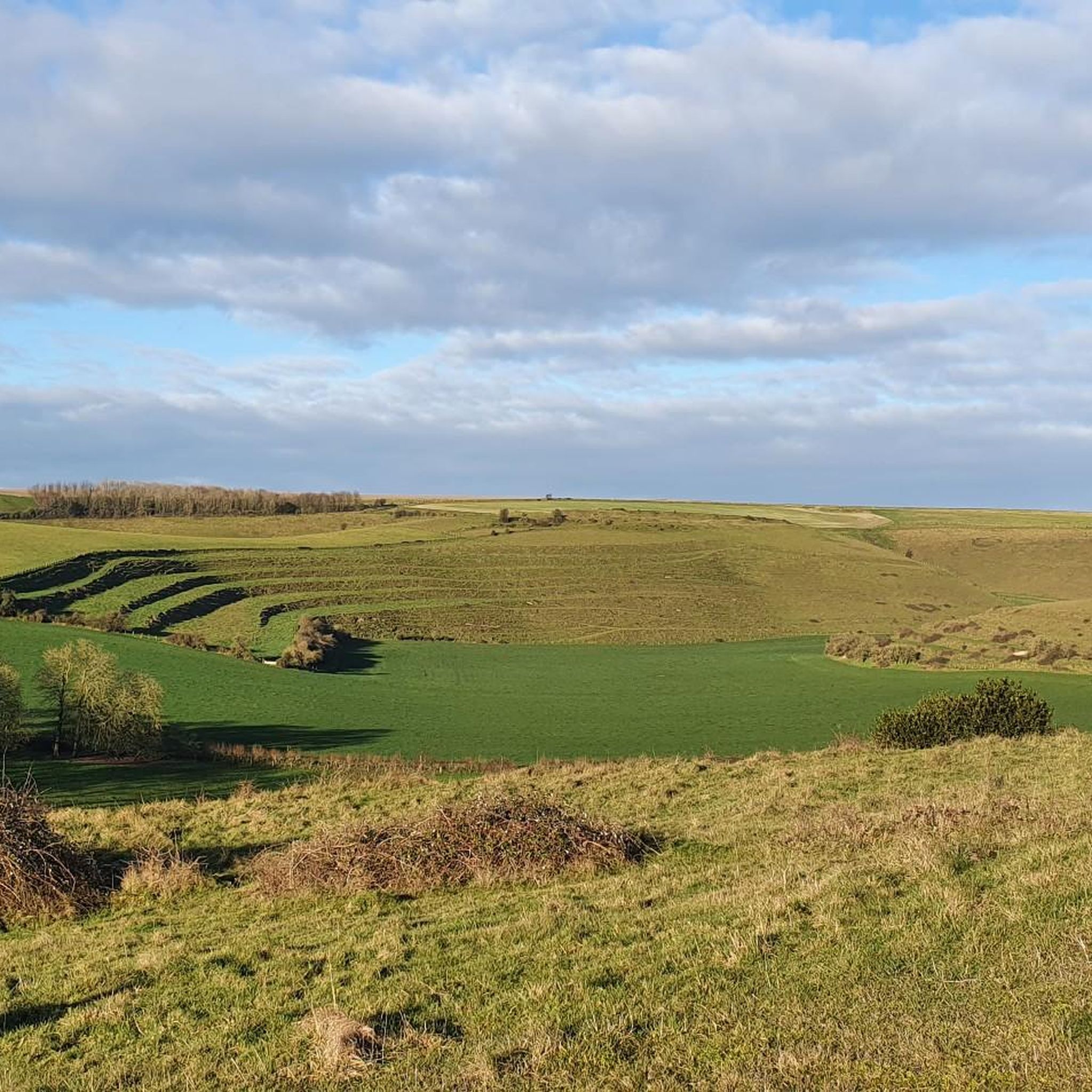
Jogging around Donhead St. Mary offers a diverse experience across a patchwork landscape of quiet lanes, ancient woodlands, and chalk downland. The region, situated within an Area of Outstanding Natural Beauty, features varied terrain including steep hills and accessible paths. Runners can explore natural features like Oysters Coppice Nature Reserve, Donhead Clift, and the River Nadder, providing a mix of challenging and gentle running routes. This area presents a rewarding environment for those seeking to immerse themselves in nature while…
Last updated: June 26, 2026
4.0
(1)
32
runners
Moderate run. Good fitness required. Mostly paved surfaces. Suitable for all skill levels.
23
runners
Moderate run. Good fitness required. Mostly paved surfaces. Suitable for all skill levels.

Sign up for free
17
runners
6.45km
00:41
100m
100m
Moderate run. Good fitness required. Mostly paved surfaces. Suitable for all skill levels.
14
runners
18.2km
02:02
350m
350m
Hard run. Very good fitness required. Mostly paved surfaces. Suitable for all skill levels.
8
runners
15.5km
01:45
240m
240m
Hard run. Very good fitness required. Mostly paved surfaces. Suitable for all skill levels.
Get access to more routes and recommendations from other explorers.
Sign up for free
Already have an account?
Our route recommendations are based on thousands of hikes, rides, and runs completed by other people on komoot.
Start today with a free account
Your next adventure awaits.
Login or Signup
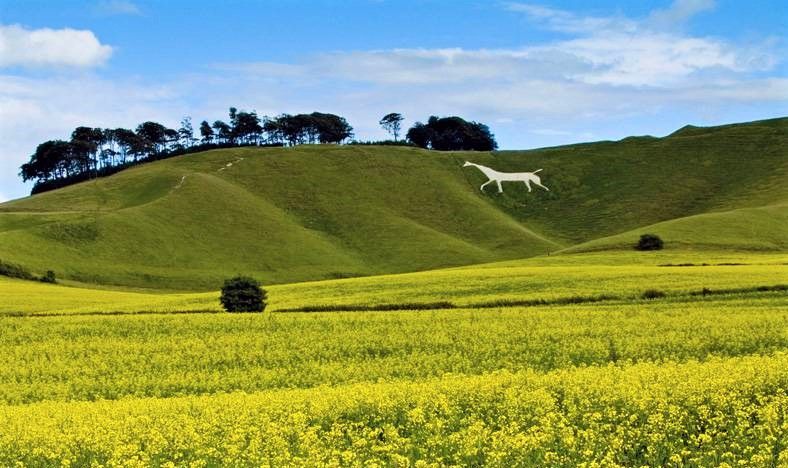
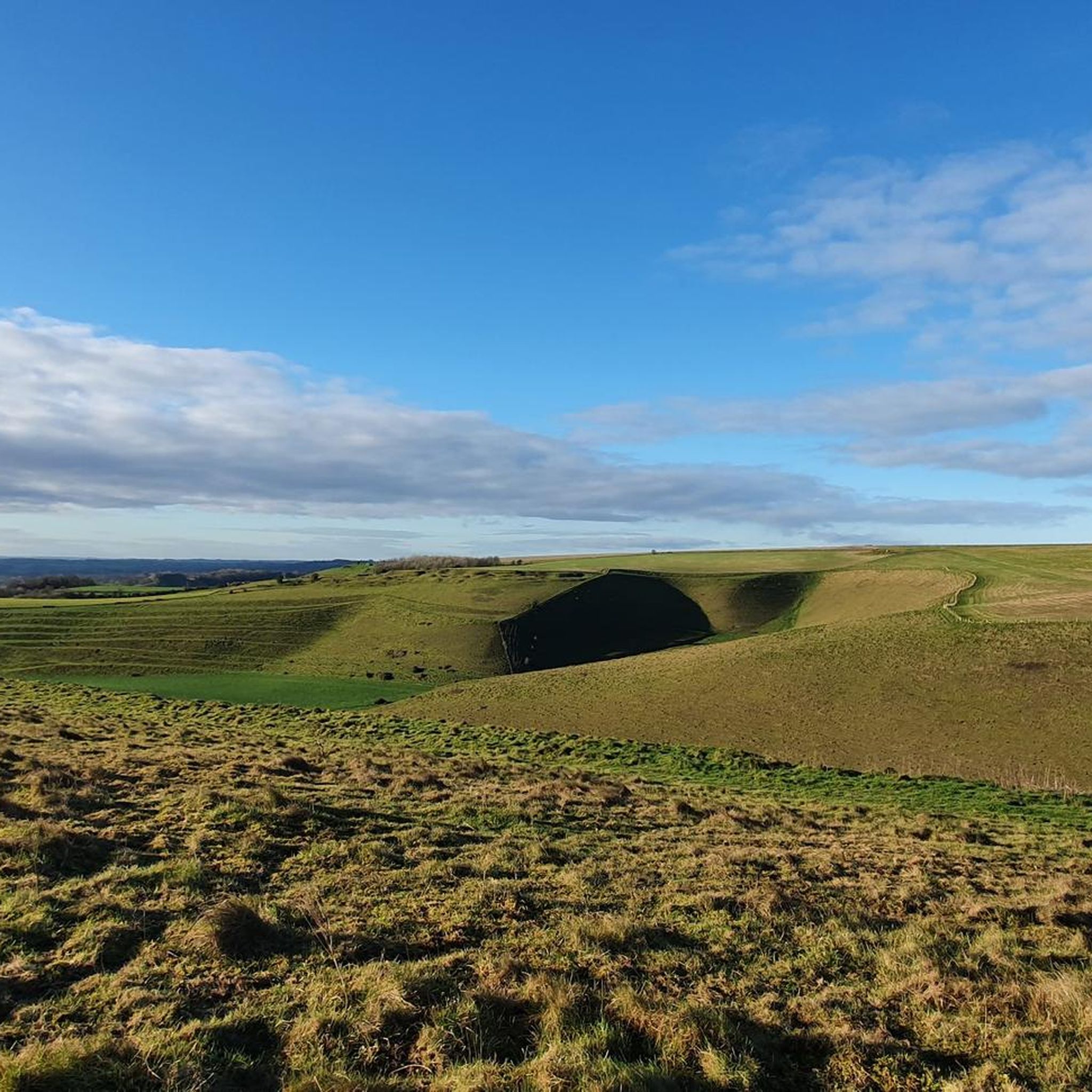
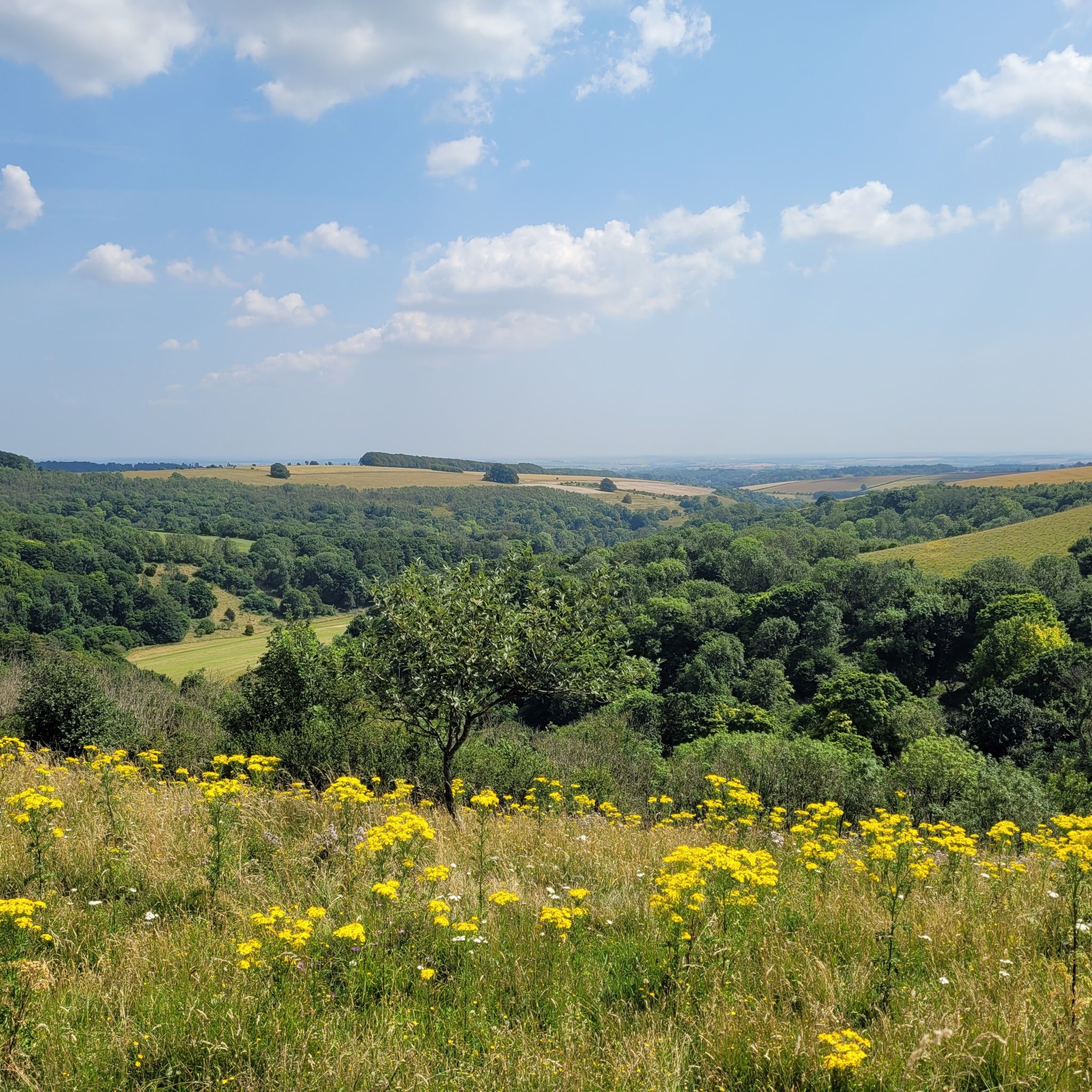
Other adventures around Donhead St. Mary


Tips from the Community

St Peter's Church is the oldest church in Shaftesbury, located at the top of the famous Gold Hill, right next to the ruins of Shaftesbury Abbey. It is a key historic building and a prominent part of the town's landscape. St Peter's Church was originally built in the 14th century to serve pilgrims visiting the nearby Shaftesbury Abbey. Due to economic hardships, such as the Black Death, its construction was prolonged, resulting in a mix of architectural styles, including Decorated and Perpendicular Gothic. The lower part of the tower is the oldest section of the current building. The nave and its arcades are from the 14th century, while the clerestory and the panelled oak roofs were added in the 15th and 16th centuries. The church also features a crypt under its south aisle. Decline and Restoration: By the late 19th century, St Peter's fell into disuse and disrepair. It was even used as a grain store during World War II. In 1971, it was officially declared redundant. However, a major restoration effort was launched by local groups, and in 1977, it was rededicated and became the parish church of Shaftesbury once again. It was the first church in the country to be re-established as a full-time parish church after being declared redundant.
0
0
Holy Trinity Church in Shaftesbury is a Grade II listed building with a rich history, but it is no longer a consecrated place of worship. Today, it is known as the Trinity Centre, a vibrant community hub. The current building, designed in the Early English Gothic Revival style by the famous architect Sir George Gilbert Scott, was largely built between 1841 and 1842 on the site of an even older medieval church. The new building featured a 100-foot-tall western tower and a chancel that was added in 1908. It was the principal Anglican parish church in Shaftesbury for over a century, even as the nearby St Peter's Church fell into disuse. However, with declining congregation numbers, Holy Trinity was made redundant as a parish church in 1977. Its congregation was transferred back to the newly restored St Peter's Church, and the Holy Trinity building was sold. I find it weird how a church can be sold off to become a selection of business's, while still keeping its graveyard.
0
0
Once one of the most important and wealthiest nunneries in England. The abbey's ruins, consisting mainly of its foundations and remnants of walls, are located in a peaceful walled garden next to the famous Gold Hill. Shaftesbury Abbey was founded by King Alfred the Great in 888 AD. It was the first religious house in England established exclusively for women, and Alfred's daughter, Æthelgifu, was its first abbess. The abbey grew in wealth and importance, particularly after it became the burial site and shrine of St Edward the Martyr, a Saxon king who was murdered at Corfe Castle in 978 AD. His shrine attracted a large number of pilgrims, which brought significant income to the abbey. By the time of the Dissolution of the Monasteries under King Henry VIII in 1539, Shaftesbury Abbey was the second wealthiest nunnery in the country. It was the last abbey to be dissolved, and its buildings were systematically destroyed, with locals taking the stone for their own buildings. The ruins we see today are the excavated foundations of the church and other parts of the abbey complex. Entry is free, and the lovely volunteers are happy to offer a little tour with some details on the Abbey. It must have looked mightily impressive in its day.
0
0
I'll say this for the car park. Must have been designed pre 4x4 days. Wowser it was tight in there.
0
0
Castle Hill is the site of a medieval fortified house or "adulterine castle," which was built without a royal license during the period of civil war between King Stephen and Empress Matilda in the mid-12th century. While no stone structures remain, the site is a Scheduled Monument protected by law. The earthworks, including a triangular enclosure, steep natural slopes, and a deep ditch, are still visible. Archaeological excavations have also uncovered a circular depression, thought to be the site of a former tower, and other historical artifacts. "Boltbury": The site is also known locally as "Boltbury" and, according to tradition, is the location of the old town of Shaftesbury. Today, Castle Hill is a nature reserve and a popular open space for both locals and visitors. It is officially designated as a Site of Nature Conservation Interest.
0
0
The main attraction of Park Walk is the breathtaking view. From this high vantage point, you can see for miles across the Dorset countryside, a landscape that inspired the works of author Thomas Hardy. The view is so renowned that a panoramic dial is installed on a stone plinth to point out the various landmarks you can see. Park Walk was originally laid out in the 1760s as a fashionable promenade for people to take walks and enjoy the scenery. It was given to the town in 1816 by a landowner named Robert Dyneley. Park Walk is a key part of the "Shaftesbury Loop," a walking route that takes visitors around the town and its surrounding countryside, passing by key historical and scenic spots like Gold Hill and the Abbey. It is a must-visit for anyone in Shaftesbury, offering a peaceful and beautiful place to stroll and take in the magnificent scenery.
1
0

Just a normal, paid parking lot 🤷
0
0

This unlocked gate facilitates access to a little-used public footpath across the Ashdown House property. It is NOT signed as a public path but it definitely is.
0
0
Frequently Asked Questions
How many running routes are available in Donhead St. Mary?
There are over 170 running routes around Donhead St. Mary documented on komoot, offering a wide variety of options for all fitness levels.
What kind of terrain can I expect on running trails around Donhead St. Mary?
The Donhead St. Mary area offers a diverse 'patchwork landscape' for runners. You'll find quiet, meandering lanes, ancient woodlands like Oysters Coppice Nature Reserve, and open chalk downland. The terrain varies from easily accessible paths to more strenuous routes with significant elevation changes, including steep hills.
Are there running routes suitable for beginners in Donhead St. Mary?
Yes, Donhead St. Mary offers a good selection of routes for beginners. There are 16 easy running routes available, perfect for those looking for a gentle jog or to start their running journey.
Can I find challenging running trails in Donhead St. Mary?
Absolutely. For experienced runners seeking a challenge, there are 21 difficult running routes in the area. These often feature significant elevation changes and longer distances, such as the Win Green Summit – Ox Drove Gravel Road loop from Win Green, which covers over 18 km with substantial climbs.
What scenic viewpoints or landmarks can I discover while running in Donhead St. Mary?
Many running routes in Donhead St. Mary offer stunning views and pass by notable landmarks. You can reach Win Green Summit, the highest point on Cranborne Chase, for panoramic vistas. Other highlights include Fontmell Down, known for its chalk downland flowers and impressive views, and the historic Hambledon Hill Iron Age hill fort.
Are there any ancient woodlands or nature reserves to explore on a run?
Yes, the region is rich in natural beauty. You can run through ancient woodlands like Oysters Coppice Nature Reserve, which provides a serene setting. Donhead Clift is another important woodland, and Gutch Common offers a valuable mosaic of oak, ash, and hazel woodland, along with large grassland meadows, perfect for diverse natural scenery.
Are there circular running routes available in Donhead St. Mary?
Many of the running routes in Donhead St. Mary are designed as circular loops, allowing you to start and finish at the same point. Examples include the popular Gold Hill, Shaftesbury – St Peter's Church, Shaftesbury loop from Shaftesbury and the Win Green Summit loop from Tollard Royal.
What do other runners enjoy most about jogging in Donhead St. Mary?
The running experience in Donhead St. Mary is highly rated by the komoot community, with an average score of 3.9 stars from over 18 reviews. Runners often praise the varied terrain, the tranquility of the ancient woodlands, and the stunning panoramic views from points like Win Green.
Are the running routes in Donhead St. Mary suitable for families?
Yes, the area offers various paths that can be adapted for family-friendly runs. While specific 'family-friendly' routes aren't explicitly listed, the presence of 'easy' routes and quiet lanes suggests options for families looking for less strenuous outings. Always check the route details for distance and elevation to ensure it suits your family's abilities.
Can I bring my dog on the running trails in Donhead St. Mary?
Many trails in the Donhead St. Mary area are suitable for dog walking and running, especially those through woodlands and open countryside. However, it's always recommended to keep dogs on a lead, particularly when passing through farmland with livestock or nature reserves to protect wildlife. Please check local signage for specific restrictions.
Are there any pubs or cafes near the running routes in Donhead St. Mary?
The charming villages of Donhead St. Mary and Donhead St. Andrew, which you might pass through on your run, often have local pubs or cafes. For example, the King Alfred's Kitchen – Bell Street Car Park loop from Shaftesbury starts near amenities in Shaftesbury, which has several options for refreshments after your run.
What is the best time of year to go running in Donhead St. Mary?
Donhead St. Mary offers rewarding running experiences year-round. Spring brings vibrant wildflowers to chalk downlands like Fontmell Down and bluebells to the woodlands. Summer provides longer daylight hours for exploring. Autumn showcases beautiful foliage in the ancient woodlands, while winter offers crisp, quiet runs, though some paths might be muddy. Always check weather conditions before heading out.
Most popular routes around Donhead St. Mary
Most popular attractions around Donhead St. Mary

Get inspired with the komoot mobile app


Explore more
Browse the best Running Trails & Routes in other regions.
