Attractions and Places To See around Poulshot - Top 20
Attractions and places to see around Poulshot, a village in Wiltshire, England, offer a blend of historical charm and natural beauty. This area provides a concentrated experience of English village life, featuring notable landmarks and natural features. The landscape includes the central Poulshot Green and various streams, contributing to its character. Visitors can explore historical sites and enjoy local trails within this setting.
Best attractions and places to see around Poulshot
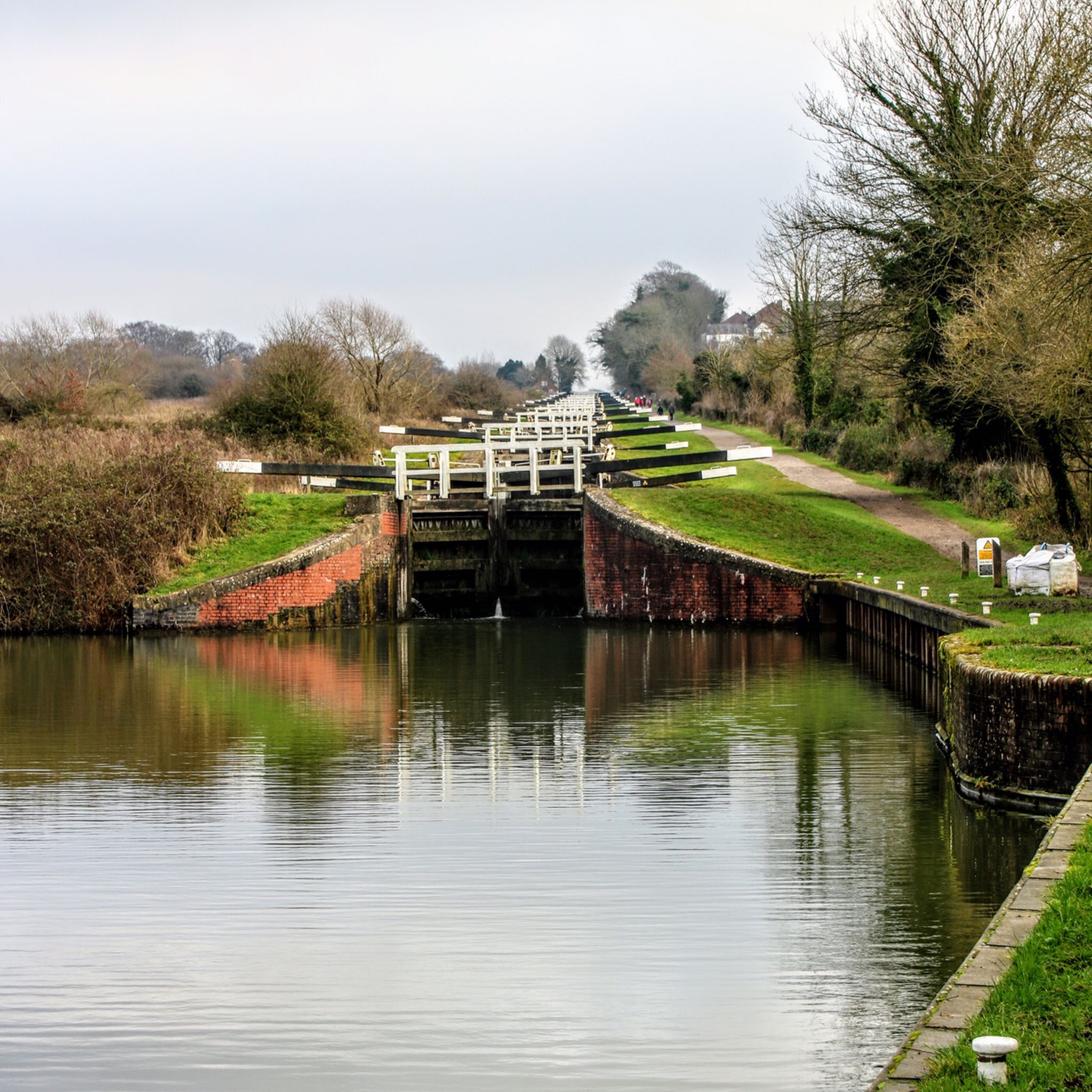
- The most popular attractions is Caen Hill Locks, a viewpoint that features an impressive set of 29 locks on the Kennet and Avon Canal. Engineered in the 18th century, these locks allow boats to climb a steep hill and are surrounded by nature.
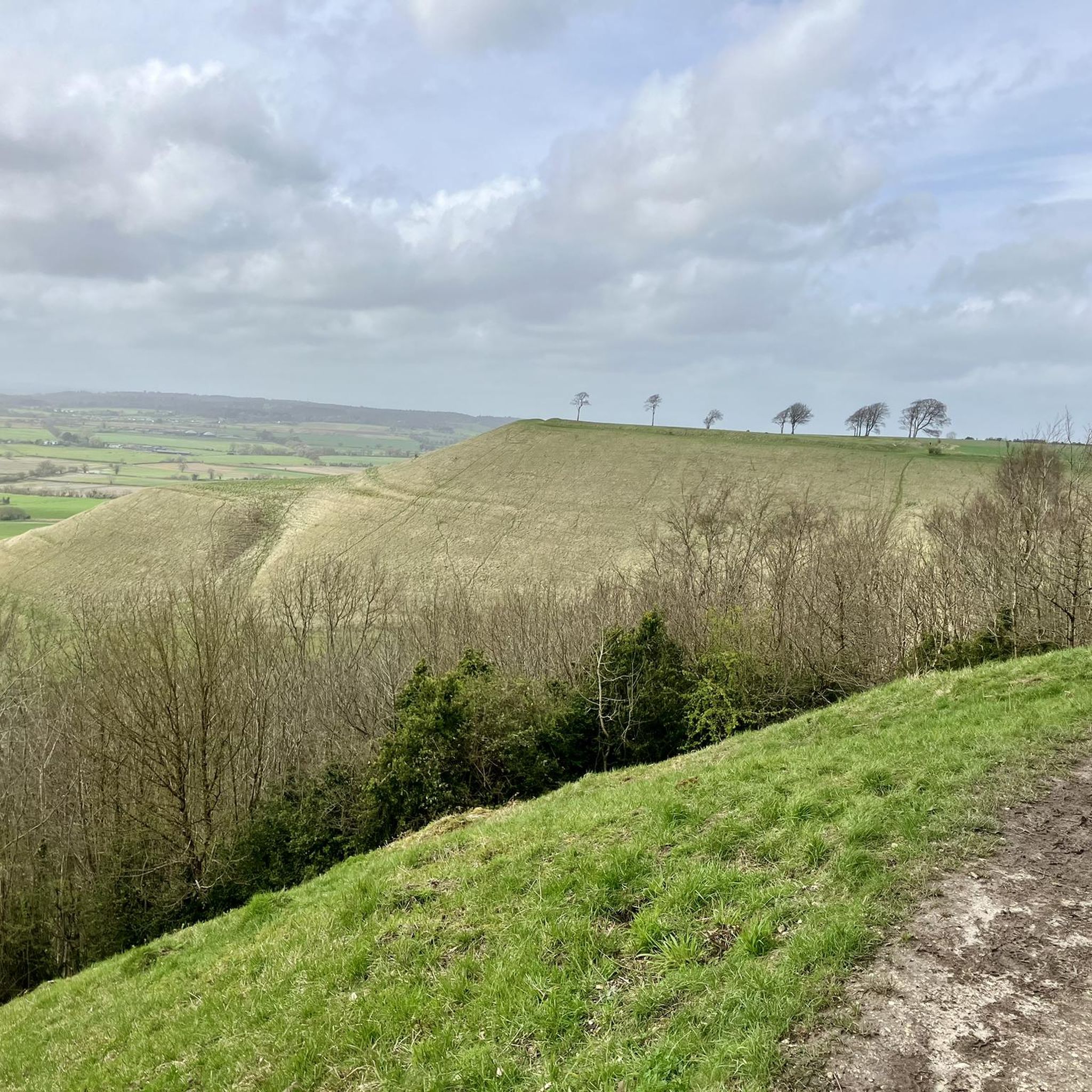
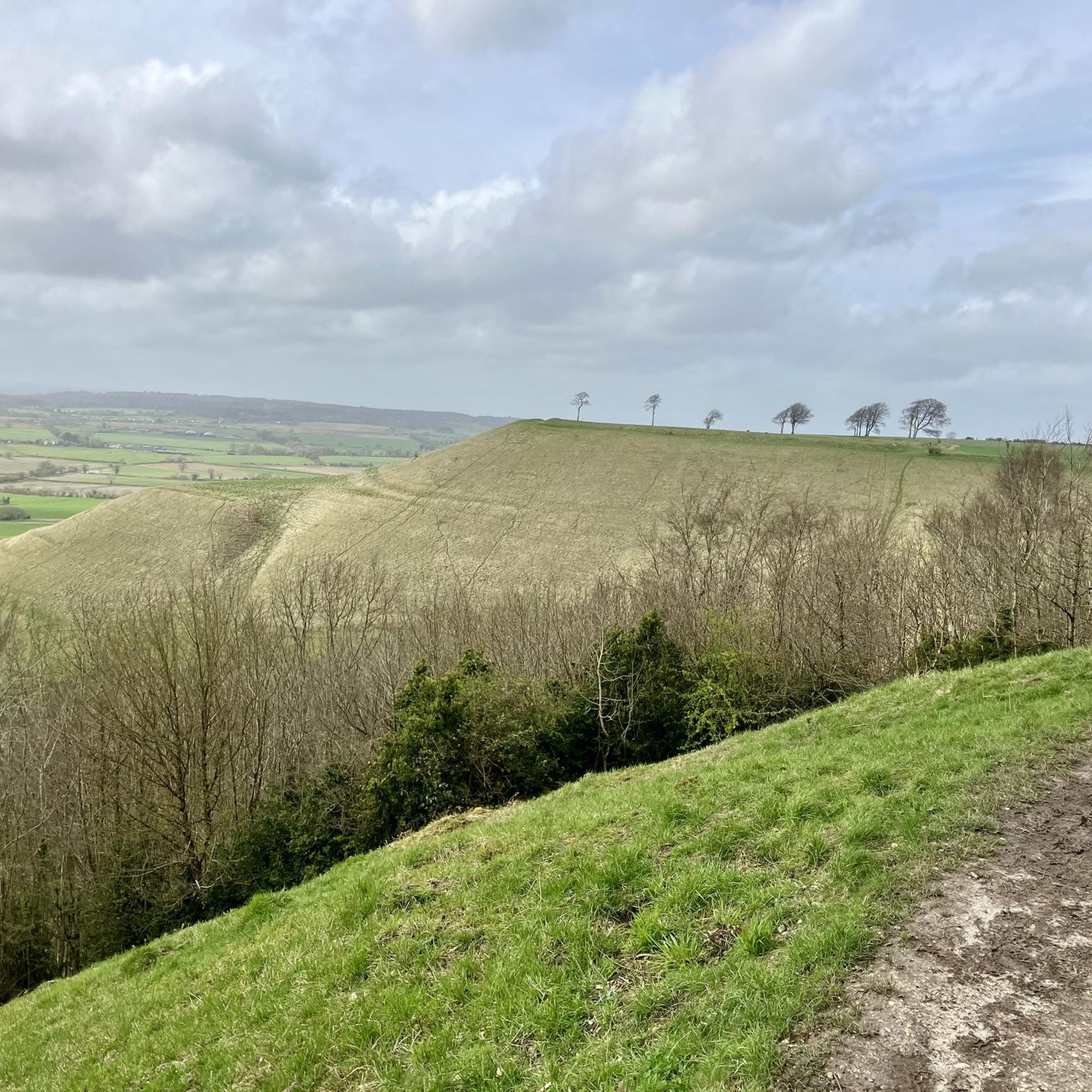
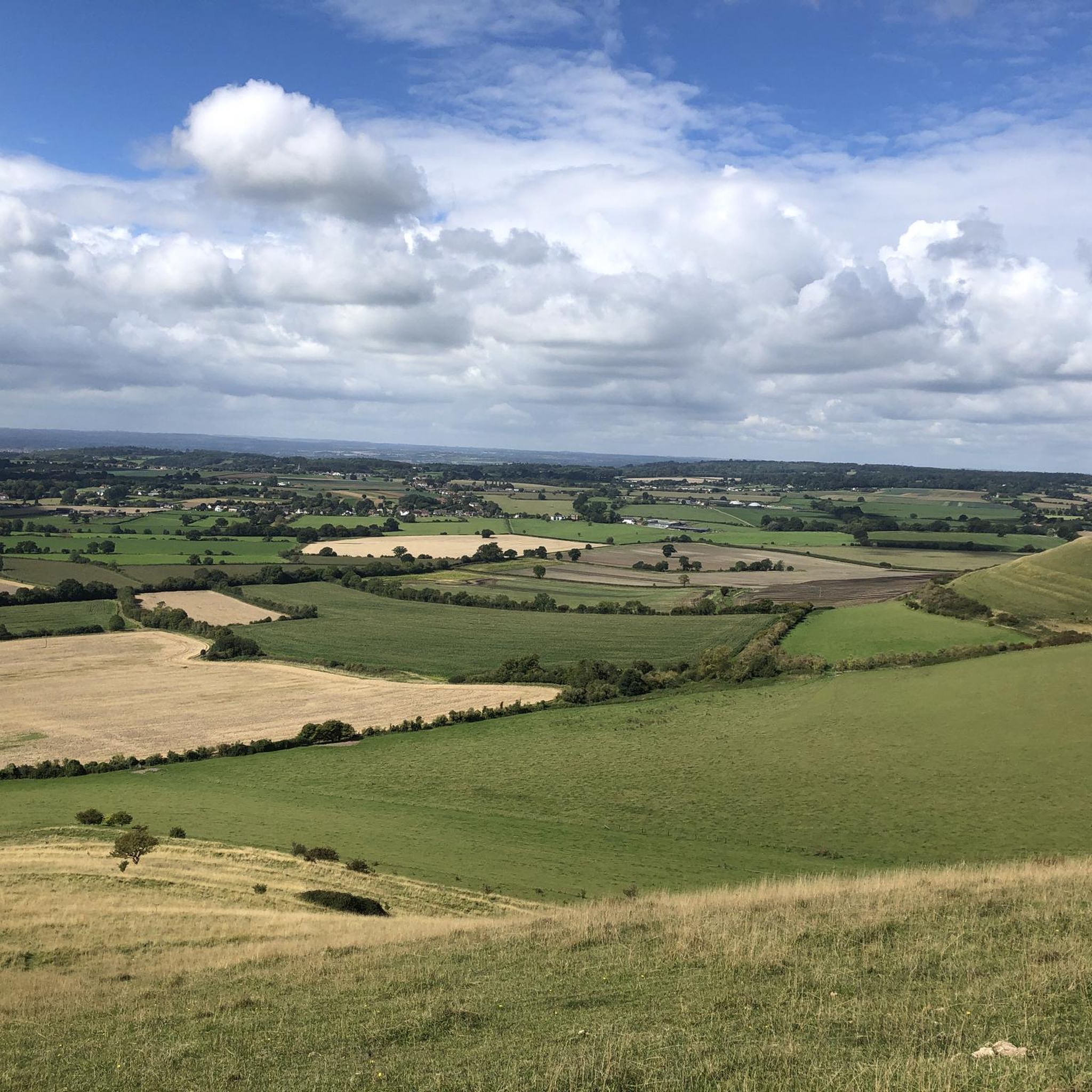
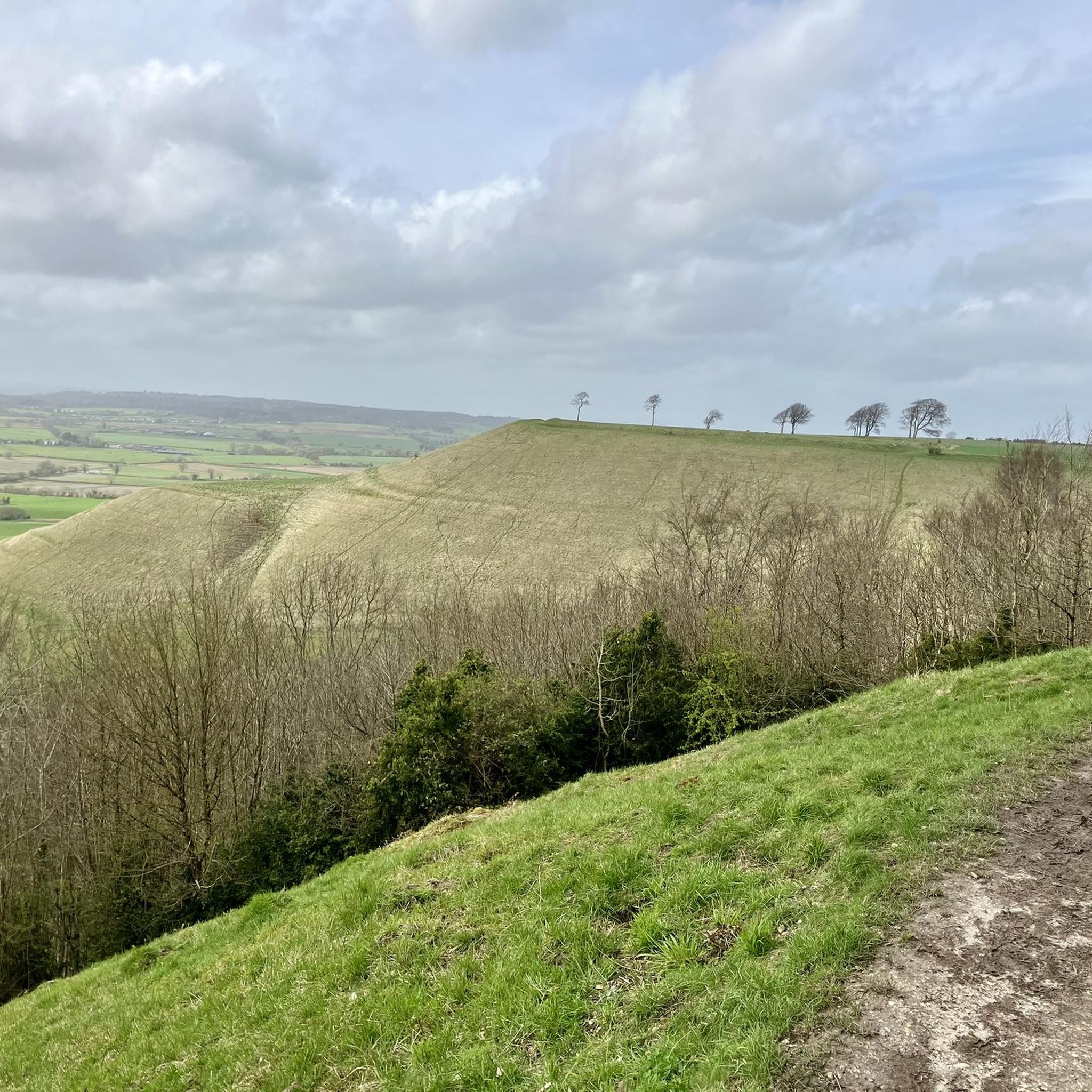
- Another must-see spot is Westbury White Horse and Bratton Camp, a historical site and natural monument. This location offers expansive views and features an Iron Age hillfort carved into the chalk downland over 2000 years ago.
- Visitors also love Mudmead Lane Bridleway, a cycle way with a solid, mostly fine gravel surface. This bridleway is suitable for various weather conditions and provides a route through the local landscape.
- Poulshot is known for its historical sites, natural features, and trails. The area offers a variety of attractions to see and explore, from ancient earthworks to canal engineering and village green spaces.
- The attractions around Poulshot are appreciated by the komoot community, with more than 190 upvotes and 65 photos shared by visitors.
Last updated: August 30, 2026
Caen Hill Locks
Highlight • Viewpoint
As thousands of trees were planted around the locks to mark the Queen’s Golden Jubilee, you’ll also find beautiful nature and wildlife here.
Tip by

Westbury White Horse
Highlight • Natural Monument
Today the hill's most defining feature is the striking white horse cut into its slopes. Records suggest that the horse was made at the end of the 17th century to commemorate the Battle of Ethandun.
Despite its turbulent past, Bratton Camp is now a relaxing place to take a stroll. The chalk grassland is teeming with wildlife and insects. Look out for the rare Adonis Blue butterfly which can be found here.
You can visit any time during daylight hours. Entrance is free.
Tip by
Sign up now to discover places like this
Get recommendations on the best single tracks, peaks, & plenty of other exciting outdoor places.
Sign up for free
St James' Church, Bratton
Highlight • Other
Tip by

The Wansdyke Path
Highlight • Trail
The path begins in Marlborough near the famous Marlborough White Horse before passing Savernake Forest, Knapp Hill and Tan Hill and finishing at Morgan's Hill.
Tip by

Mudmead Lane Bridleway
Highlight (Segment) • Cycleway
Tip by

Sign up for free to discover even more attractions around Poulshot.
Sign up for free
Already have an account?
Start today with a free account
Your next adventure awaits.
Login or Signup
Tips from the Community

The Path: The formal Wansdyke Path is a long-distance walking route that primarily follows the impressive East Wansdyke in Wiltshire. Route: It typically runs for about 13 miles (21 km) between Marlborough and Morgan's Hill. Experience: Walking the path offers a spectacular experience, with sections that allow you to walk along the top of the impressive bank, providing commanding views over the surrounding Marlborough Downs and Pewsey Vale. Connectivity: Parts of the Wansdyke Path coincide with other regional walking routes, such as the White Horse Trail and the Wessex Ridgeway.
0
0
The Wansdyke is traditionally divided into two main parts: East Wansdyke: The most impressive and best-preserved section, running between Savernake Forest near Marlborough and Morgan's Hill in Wiltshire. West Wansdyke: A less substantial section running from Monkton Combe (south of Bath) to the hill fort of Maes Knoll (south of Bristol). Middle Section: The section connecting the two is often marked by the line of the old London to Bath Roman road.
0
0
Dating and Purpose: It is generally believed to be post-Roman (late Roman or sub-Roman, possibly 5th or 6th century AD) and was likely built by the native Britons as a defensive measure against the expanding Anglo-Saxons.
0
0
A series of early medieval defensive linear earthworks consisting of a large bank and a deep ditch. The ditch generally faces north, suggesting it was built as a defence against invaders coming from the north. Location: The Wansdyke runs in an east-west direction through the West Country of England, stretching across parts of Wiltshire and Somerset. Name Origin: Its name, Wansdyke, is thought to be derived from "Woden's Dyke", referring to the Anglo-Saxon god Woden.
0
0

James the Greater (the Latin 'major' is not translated as 'great' in English), to whom this church near Bratton was dedicated, was, together with his brother, part of the inner circle of Jesus' disciples. In his version of the "Good News" (this is the meaning of the word "gospel"), the Evangelist Mark enumerates a list of the apostles: "James, the son of Zebedee, and John, the brother of James—them he surnamed Boanerges, which means Sons of Thunder" (Mark 3:17). They were said to have had strong tempers, but were faithful followers of Jesus Christ, in whom they recognized the promised Messiah. According to the Acts of the Apostles, James was executed for his faith. His tomb in Santiago de Compostela, Galicia (Spain), is one of the most famous and important pilgrimage destinations in the world.
0
0

Coming from Steeple Ashton direction, this is a gentle off-road climb up to a crest then a steady downhill developing into a fast descent down through the trees to sandpits lane. Just be aware the two bollards at the bottom! Then a steady climb up towards East Town then onto West Ashton. A personal favourite.
0
0
The Caen Hill Locks are one of the highlights of Route 4 on the Avon K Canal. Physically this is interesting. The water flows down the mountain, but the ship floats up the mountain lock by lock due to its own buoyancy.
0
0

The oldest of the Wiltshire white horses this was originally cut in 1772 and restored in 1778. There was evidence of an older horse here facing the other way, but no strong evidence suggests how old that was. In 1872/1873 the horse was considered to be losing its shape, it was re cut and edging stones added. In 1957 the horse was concreted to preserve it. For the runner the trails around the top of the horse are great fun and the 33-mile Imber trail also passes here. There are nice loops from the car park above the horse or from nearby Westbury.
1
0
Frequently Asked Questions
What historical sites can I explore around Poulshot?
Poulshot and its surroundings are rich in history. You can visit the ancient Westbury White Horse and Bratton Camp, an Iron Age hillfort carved into the chalk downland over 2000 years ago. Another significant site is St James' Church, Bratton, a striking 14th-century church with a 15th-century tower. Within Poulshot itself, the Church of St. Peter dates back to at least 1207, featuring 12th-century scalloped capitals and rare grisaille glass.
Are there any notable natural features or viewpoints near Poulshot?
Yes, the area offers several natural features and viewpoints. The central Poulshot Green is a key village feature. For expansive views, head to Westbury White Horse and Bratton Camp, which provides outstanding vistas. The Caen Hill Locks also offer scenic views alongside impressive engineering, with thousands of trees planted around them for the Queen’s Golden Jubilee, enhancing the natural beauty and wildlife.
What outdoor activities, like cycling or running, can I do near Poulshot?
The area around Poulshot is excellent for outdoor activities. For gravel biking, you can explore routes like the 'Avoncliff Aqueduct – Caen Hill Locks loop from Devizes' or the 'Caen Hill Locks – Canal Towpath Cycle Route loop from Rowde'. Cyclists have options such as the 'Caen Hill Locks – Avebury Stone Circle loop from Rowde'. Runners can enjoy trails like the 'Halfway Lock loop from Wilts, Somerset and Weymouth Railway (Devizes Branch)' or the 'Caen Hill Locks – Marsh Lane Bridge, Rowde loop from Poulshot'. You can find more details on these routes in the respective guides for gravel biking, cycling, and running trails around Poulshot.
Are there family-friendly attractions in the Poulshot area?
Absolutely. The Caen Hill Locks are a fantastic family-friendly destination, offering an impressive sight of 29 locks on the Kennet and Avon Canal. It's a great place for a stroll, and children often enjoy watching the boats navigate the locks. The surrounding nature and wildlife also provide opportunities for exploration.
What kind of trails are available for walking or cycling?
You'll find a variety of trails. The Mudmead Lane Bridleway is a fantastic option, featuring a solid, mostly fine gravel surface suitable for cycling and walking in most weather conditions. Additionally, the Wansdyke Path offers a lovely walk through the Wiltshire countryside, following an early medieval defensive earthwork.
What is the Church of St. Peter in Poulshot known for?
The Church of St. Peter, located southwest of Poulshot Green, is notable for its long history, dating back to at least 1207. Its nave is from the late 13th century, and it features distinctive 12th-century scalloped capitals in its north and south aisles. It also houses rare grisaille glass from around 1300 in the south window of the chancel, making it a significant historical and architectural site.
Where can I find amenities like cafes or pubs near the attractions?
For refreshments, The Raven Inn is a local pub within Poulshot itself, serving as a community hub. Near the Caen Hill Locks, there is a cafe, though it's always a good idea to check its opening times when planning your visit.
What is the significance of the Caen Hill Locks?
The Caen Hill Locks are an impressive feat of 18th-century engineering on the Kennet and Avon Canal. This set of 29 locks allows boats to climb a steep hill between Rowde and Devizes. Beyond their historical and engineering importance, the area is also known for its beautiful nature and wildlife, making it a popular spot for visitors.
Are there any hidden gems or less-known historical sites in the area?
While not a 'hidden gem' in the traditional sense, the Wansdyke Path offers a unique historical experience. It follows a series of early medieval defensive earthworks, believed to be post-Roman and built by native Britons. Walking this path provides insight into ancient defensive strategies and offers beautiful countryside views away from more crowded spots.
What are some of the historic buildings in Poulshot village?
Poulshot village is home to several listed buildings that showcase its architectural past. These include Manor Farmhouse and Church Farmhouse, both originating as timber-framed buildings from the 17th century before being re-fronted or re-cased later. Other notable listed properties include Barley Hill Farmhouse, Belle Vue Farmhouse, and Wattle Cottage, among others, offering a glimpse into traditional English village architecture.
What do visitors enjoy most about the attractions around Poulshot?
Visitors particularly enjoy the blend of historical significance and natural beauty. The impressive engineering and scenic walks at Caen Hill Locks are highly appreciated, often combined with a stop at the local cafe. The expansive views and historical depth of Westbury White Horse and Bratton Camp are also a major draw, providing perfect spots for picnics or relaxation amidst stunning scenery.
Most popular routes around Poulshot
Most popular attractions around Poulshot

Get inspired with the komoot mobile app


Explore more
Still not found the Highlight you’re looking for? See guides of the top attractions in other regions:
