Attractions and Places To See around Broad Chalke - Top 20
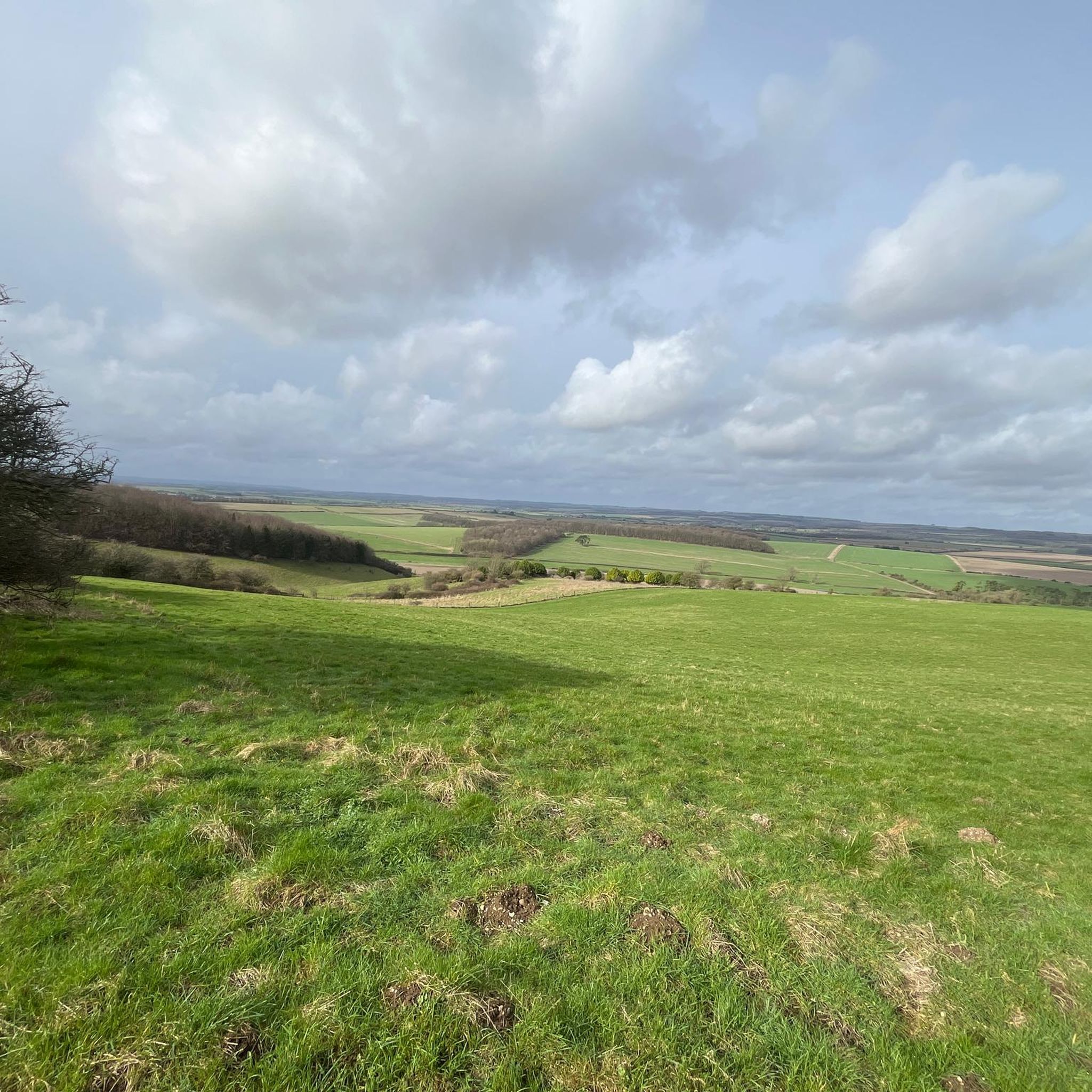
Attractions and places to see around Broad Chalke, a village in Wiltshire's Chalke Valley, offer a blend of historical sites and natural beauty. The area is situated within the Cranborne Chase and West Wiltshire Downs Area of Outstanding Natural Beauty, characterized by rolling chalk downs and chalk streams. Visitors can explore ancient settlements, historic churches, and extensive walking routes. The region provides a mix of cultural significance and diverse landscapes for exploration.
Best attractions and places to see around Broad Chalke
- The most popular attractions is Salisbury Cathedral, a religious building known for its 13th-century architecture and the tallest church spire in the UK. It houses one of the four original copies of the Magna Carta and features the largest cloisters in Britain.
- Another must-see spot is Old Sarum Ruins, an ancient settlement and castle site. Visitors can explore the footprint of Salisbury's first cathedral and the ruins of a royal castle, offering views across the Wiltshire countryside.
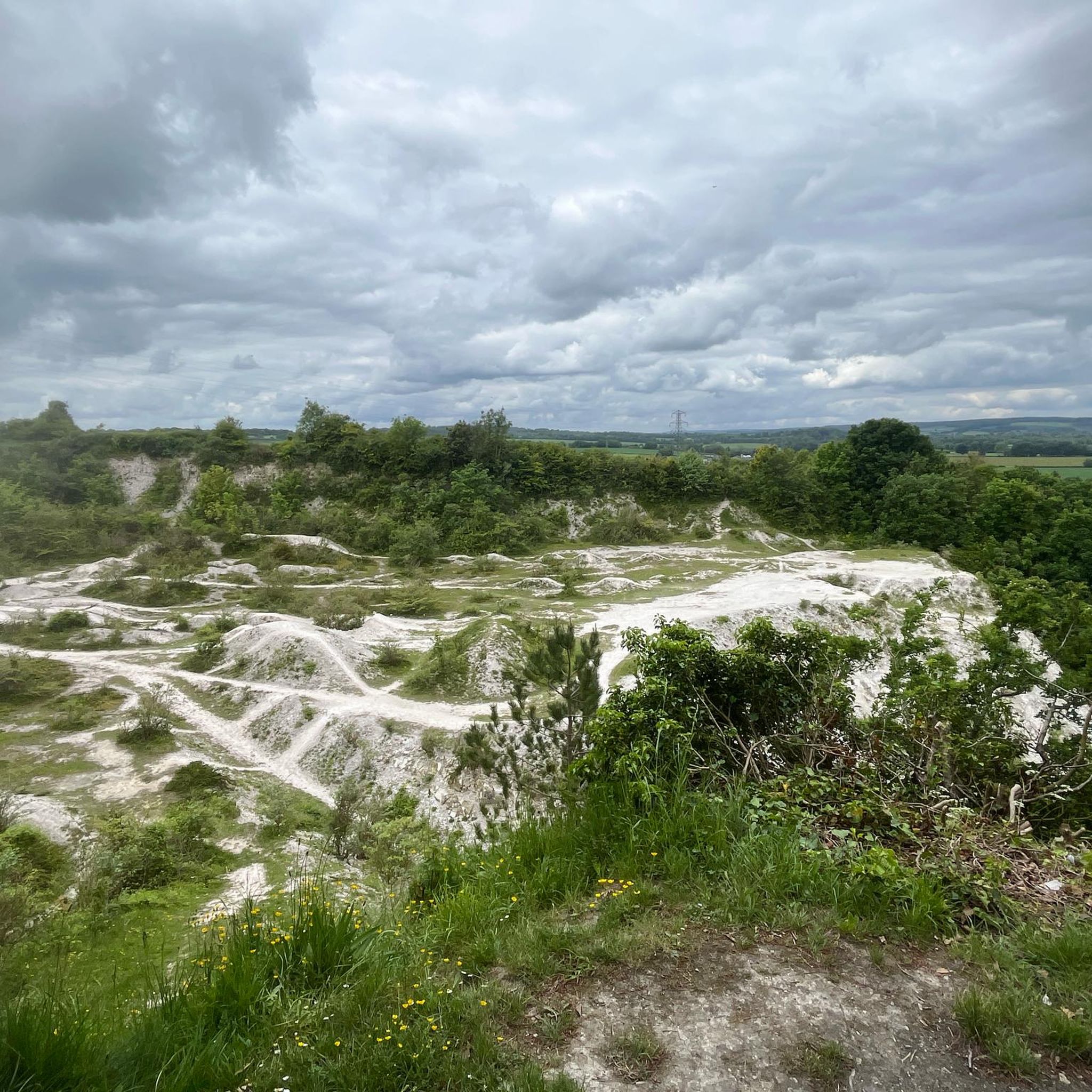
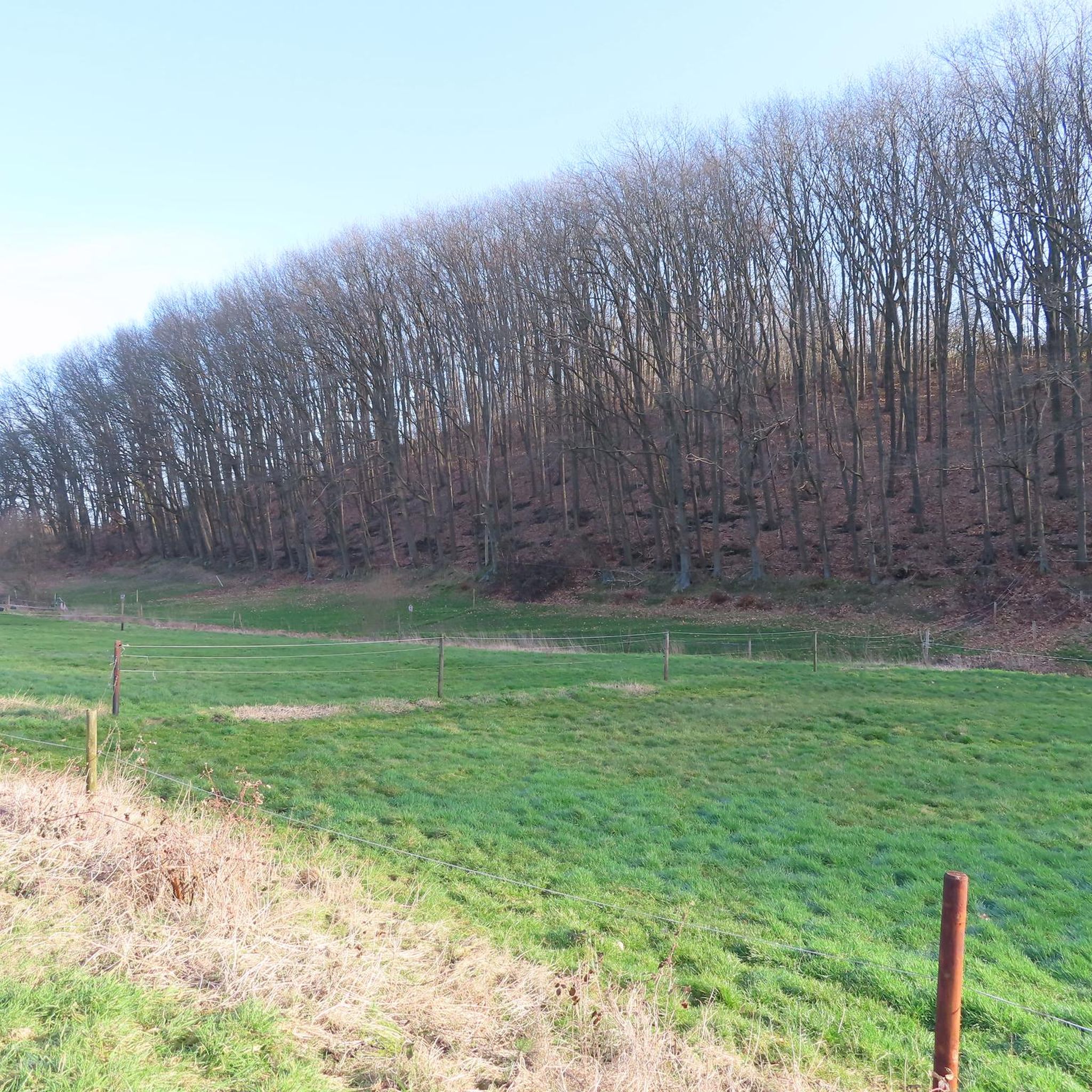
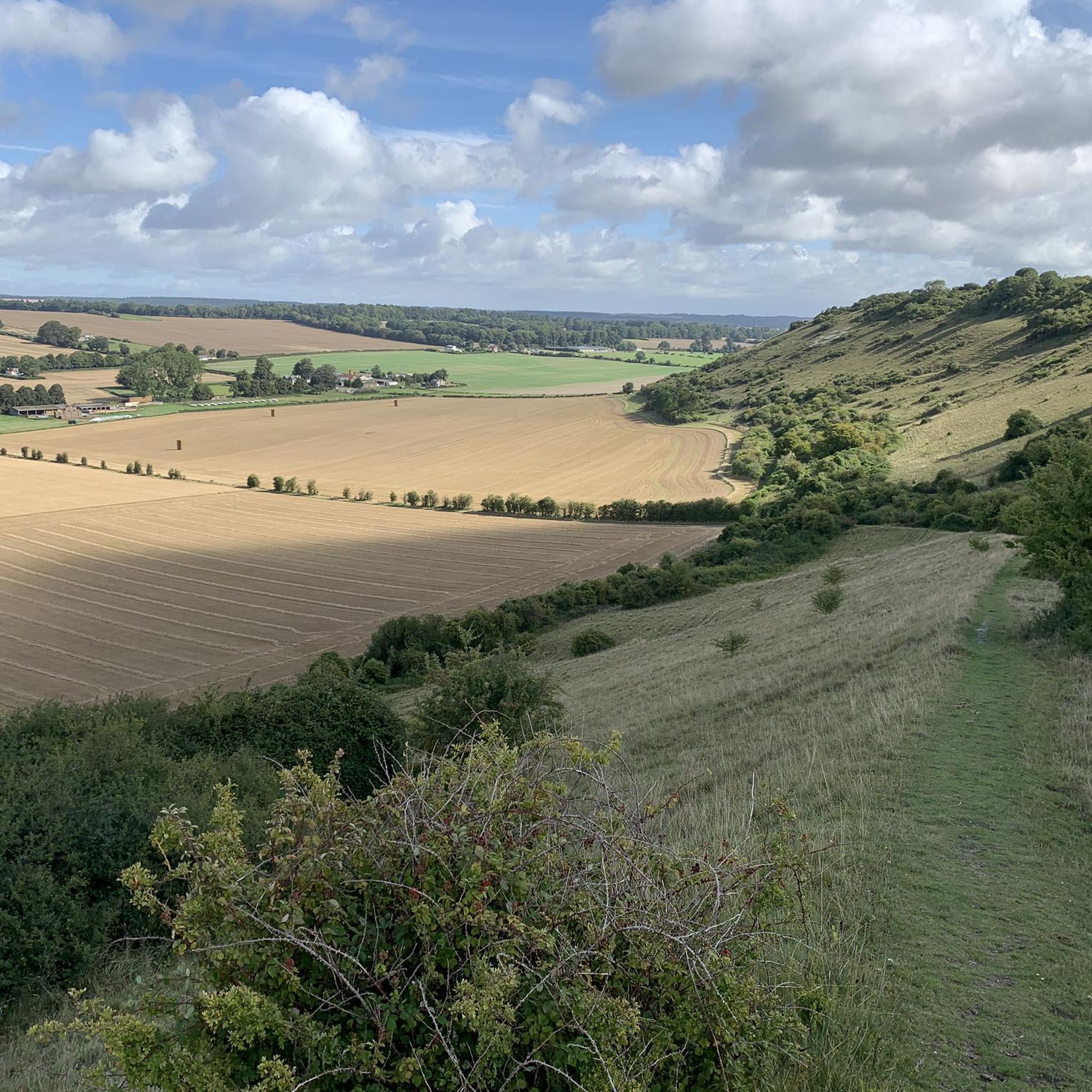
- Visitors also love Bokerley Dyke, a historical trail. This substantial linear earthwork, approximately 5.75 kilometers long, has a multi-period history dating back to the Bronze Age or Early Iron Age.
- Broad Chalke is known for its historical sites, ancient settlements, and natural trails. The area offers a variety of attractions to see and explore, from significant historical landmarks to extensive walking opportunities within a protected natural landscape.
- The attractions around Broad Chalke are appreciated by the komoot community, with more than 260 upvotes and over 245 photos shared by visitors.
Last updated: August 25, 2026
Salisbury Cathedral
Highlight • Religious Site
Think that’s enough? Not for Salisbury. The cathedral is home to the most well-preserved of four copies of the Magna Carta and has a verge and foliot clock, one of the oldest working clocks in the world. The subject of several John Constable paintings, it’s a beautiful sight and surrounded by stunning historic buildings.
Tip by

Old Sarum Ruins
Highlight • Viewpoint
Tip by

Sign up now to discover places like this
Get recommendations on the best single tracks, peaks, & plenty of other exciting outdoor places.
Sign up for free
Salisbury Market Square
Highlight • Settlement
Tip by

Queen Elizabeth Gardens
Highlight • Viewpoint
Take a stroll along the river, enjoy a picnic, or simply admire the scenery. The park is open year round.
Tip by
Bokerley Dyke
Highlight • Trail
Tip by

Sign up for free to discover even more attractions around Broad Chalke.
Sign up for free
Already have an account?
Start today with a free account
Your next adventure awaits.
Login or Signup

Tips from the Community

The Market Square in the historic center of Salisbury is one of England's most characteristic market squares. Trade has been regularly conducted here since the 13th century; the square remains the economic and social heart of the city to this day. Particularly defining are the medieval atmosphere, the historic half-timbered houses, and the famous Poultry Cross, one of the few surviving market crosses in England. The square impressively connects history and the present, as traditional weekly markets still take place and attract both locals and visitors.
1
0
Queen Elizabeth Gardens is a well-maintained park on the River Avon in the heart of Salisbury. With its colorful flowerbeds, old trees, and quiet walking paths, it offers a pleasant place to relax. The views of the river and the proximity to the historic old town are particularly beautiful.
1
0

Only the inner section of the hill fort is chargeable - you can see the footings for the cathedral and walk all around the ramparts for free.
0
0

Still very original and with a lot of charm - it is a pleasure to stroll here or just sit in a café and watch the hustle and bustle on the market square
3
0
This is a must-see if you are in the area; it is very impressive to be able to immerse yourself in the history of the country in this way.
2
0

Bokerley Dyke is a substantial linear earthwork, approximately 5.75 kilometers (3.6 miles) long, located on Cranborne Chase. It runs along part of the border between Dorset and Hampshire, specifically between Woodyates and Martin. It is part of a larger Scheduled Monument that also includes Grim's Ditch and other earthworks. The dyke has a multi-period history. It is believed to have originated in the Bronze Age or Early Iron Age as an important political and cultural boundary. In the 1st century, it was cut through by a Roman road, Ackling Dyke, which ran between Old Sarum and Badbury Rings. In the 4th century, the dyke was remodeled and brought back into use. During this period, the Roman road was blocked. A coin of Valens found during excavations dates this activity to shortly after 364 AD, with some sources suggesting it was built between 367-368 AD. This remodeling may have been a defensive measure against attacks on Britain by Picts, Scots, and Saxons. The Roman road was eventually reopened, but the dyke may have continued to be used as a boundary after the Roman administration ended. Today, it still forms part of the border between the counties of Dorset and Hampshire.
0
0
Frequently Asked Questions
What historical sites can I explore near Broad Chalke?
The area around Broad Chalke is rich in history. You can visit the magnificent Salisbury Cathedral and Historic City Centre, home to one of the original Magna Carta copies. Explore the ancient settlement of Old Sarum Ruins, the original site of Salisbury, or discover the impressive Bokerley Dyke, a multi-period linear earthwork. Further afield, you'll find the ruins of Old Wardour Castle, the ancestral home of Wilton House, and the world-renowned Stonehenge.
Are there opportunities for walking and hiking in the Broad Chalke area?
Yes, Broad Chalke is situated within the Cranborne Chase and West Wiltshire Downs Area of Outstanding Natural Beauty (AONB), offering excellent walking and hiking opportunities. You can explore rolling chalk downs, steep green hills, and chalk streams. A recommended route is the Broad Chalke and Fifield Downs Circular Route. For more detailed hiking trails, check out the Hiking around Broad Chalke guide, which includes routes like the 'Broad Chalke & Fifield Bavant loop'.
What natural landscapes characterize the area around Broad Chalke?
The region is defined by its location within the Cranborne Chase and West Wiltshire Downs AONB. This means you'll encounter rolling chalk downs, picturesque green hills, and clear chalk streams like the Rivers Ebble and Chalke. The highest point, Win Green, offers expansive views across several counties and is popular for walking. You can also visit the watercress beds, fed by a natural spring, which are a unique local feature.
Are there any family-friendly attractions around Broad Chalke?
Many attractions in the area are suitable for families. Salisbury Cathedral and Historic City Centre offers engaging history, and Old Sarum Ruins provides an interactive experience exploring an ancient settlement and castle. The extensive grounds of Wilton House and the historical significance of Stonehenge also appeal to families. Additionally, the numerous walking trails offer outdoor fun for all ages.
Where can I find unique local experiences or 'hidden gems' in Broad Chalke?
For a taste of local life, visit the award-winning Chalke Valley Stores, which includes a post office and coffee shop. The Queen's Head pub, dating back to 1865, is a thriving village center. Don't miss the watercress beds, where you can often purchase fresh watercress via an honesty box. For a unique cultural experience, consider visiting Messums Wiltshire, an arts center housed in a 13th-century tithe barn.
What kind of cycling routes are available near Broad Chalke?
The area offers a variety of cycling routes through its scenic landscapes. You can find routes ranging from moderate to difficult, exploring the Cranborne Chase & West Wiltshire Downs National Landscape. For specific routes and details, refer to the Cycling around Broad Chalke guide, which includes options like the 'Marshwood Farm Campsite – Coffee Darling Café loop'.
Can I find running trails around Broad Chalke?
Yes, there are several running trails available, catering to different fitness levels. You can find moderate to difficult routes that take you through the beautiful countryside. The Running Trails around Broad Chalke guide provides options such as the 'Gurston Down Hillclimb loop from Broad Chalke' and longer routes through Cranborne and Pentridge Hill.
What cultural events take place in Broad Chalke?
Broad Chalke is home to the hugely popular Chalke Valley History Festival, an annual event held in June. It offers a wide range of talks, discussions, and interactive living history experiences. You can find more information about this event on Visit Wiltshire.
What is the best time of year to visit Broad Chalke for outdoor activities?
The spring and summer months (April to September) are generally ideal for outdoor activities in Broad Chalke, offering pleasant weather for hiking, cycling, and exploring the natural landscapes. The Chalke Valley History Festival also takes place in June. However, the rolling downs and historic sites can be enjoyed year-round, with autumn providing beautiful foliage and winter offering crisp, quiet walks.
Are there any notable churches or religious buildings to visit?
Within Broad Chalke, the historic All Saints Church dates back to the late 13th and 14th centuries, featuring a 15th-century porch, Saxon Preaching Cross parts, and graphic carvings. Nearby, Salisbury Cathedral is a magnificent 13th-century structure with the tallest spire in England. Also in Salisbury, St Thomas’s Church is a beautiful building with impressive architecture and medieval wall paintings.
What do visitors particularly enjoy about the attractions around Broad Chalke?
Visitors appreciate the blend of historical significance and natural beauty. The komoot community has upvoted attractions over 110 times and shared more than 60 photos, highlighting the stunning architecture of Salisbury Cathedral, the historical depth of Old Sarum, and the extensive walking opportunities. Many enjoy the peaceful countryside, the charm of the local villages, and the sense of stepping back in time.
Where can I see military history reflected in the landscape?
You can observe the Fovant Badges, which are military badges carved into the chalk hillside. These are best viewed from the A30 road west of Fovant. Additionally, the Bokerley Dyke has a history tied to defensive measures, particularly during the Roman period against various attacks on Britain.
Most popular routes around Broad Chalke
Most popular attractions around Broad Chalke

Get inspired with the komoot mobile app


Explore more
Still not found the Highlight you’re looking for? See guides of the top attractions in other regions:
