Attractions and Places To See around Urchfont - Top 20
Best attractions and places to see around Urchfont include a blend of historical sites, natural landscapes, and cultural experiences within Wiltshire, England. The area features rolling hills, valleys, and woodlands, providing opportunities for outdoor exploration. Urchfont is recognized for its well-preserved village character and proximity to significant ancient earthworks and historical monuments. This region offers a variety of points of interest for visitors.
Best attractions and places to see around Urchfont
- The most popular attractions is Caen Hill Locks,…
Last updated: June 22, 2026
Caen Hill Locks
Highlight • Viewpoint
Tip by

West Kennet Long Barrow
Highlight • Historical Site
Tip by

Sign up now to discover places like this
Get recommendations on the best single tracks, peaks, & plenty of other exciting outdoor places.
Sign up for free
Walkers Hill
Highlight • Natural Monument
Tip by

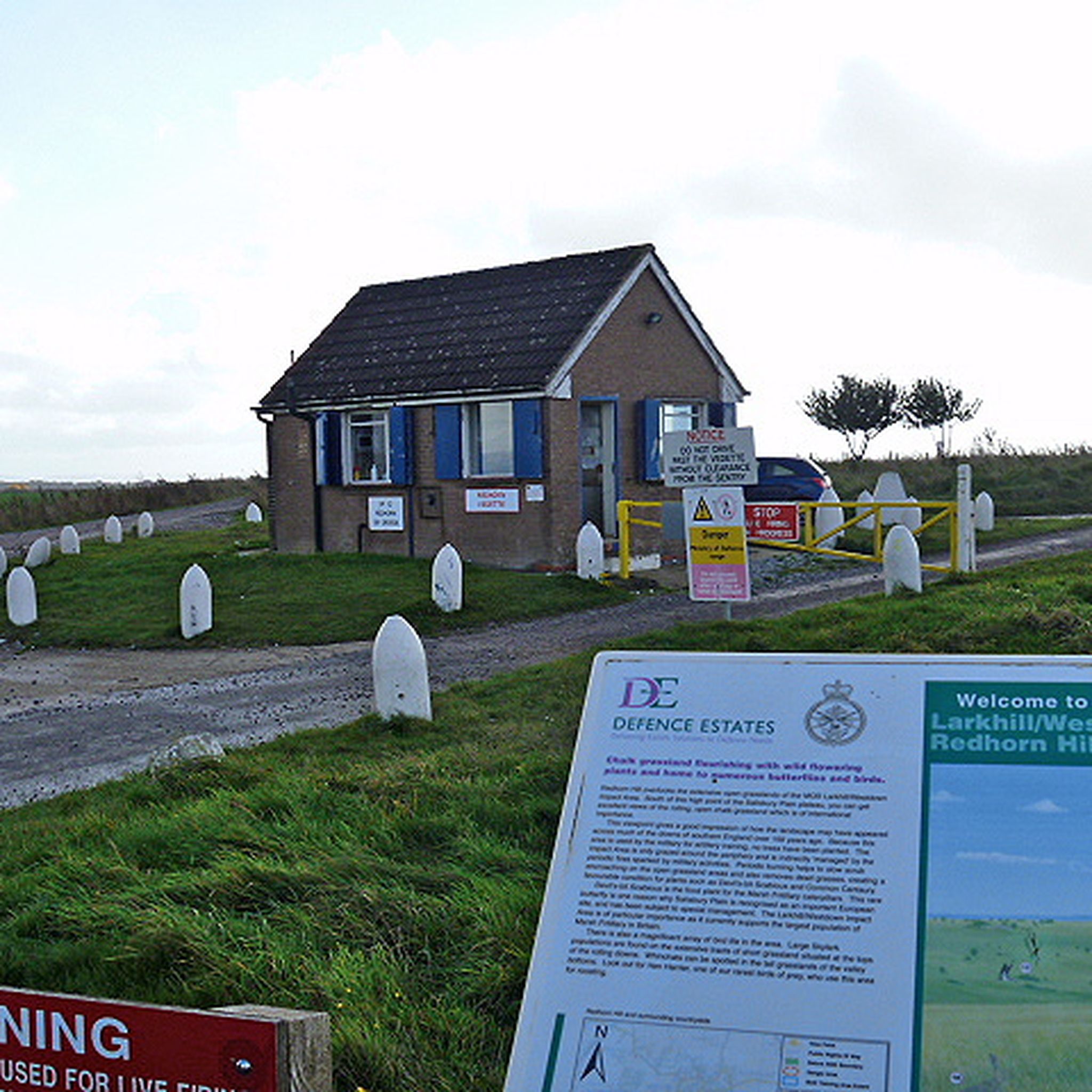
The Wansdyke Path
Highlight • Trail
The path begins in Marlborough near the famous Marlborough White Horse before passing Savernake Forest, Knapp Hill and Tan Hill and finishing at Morgan's Hill.
Tip by

Devizes Market Place and Landmarks
Highlight • Historical Site
Tip by
Sign up for free to discover even more attractions around Urchfont.
Sign up for free
Already have an account?
Start today with a free account
Your next adventure awaits.
Login or Signup
Tips from the Community

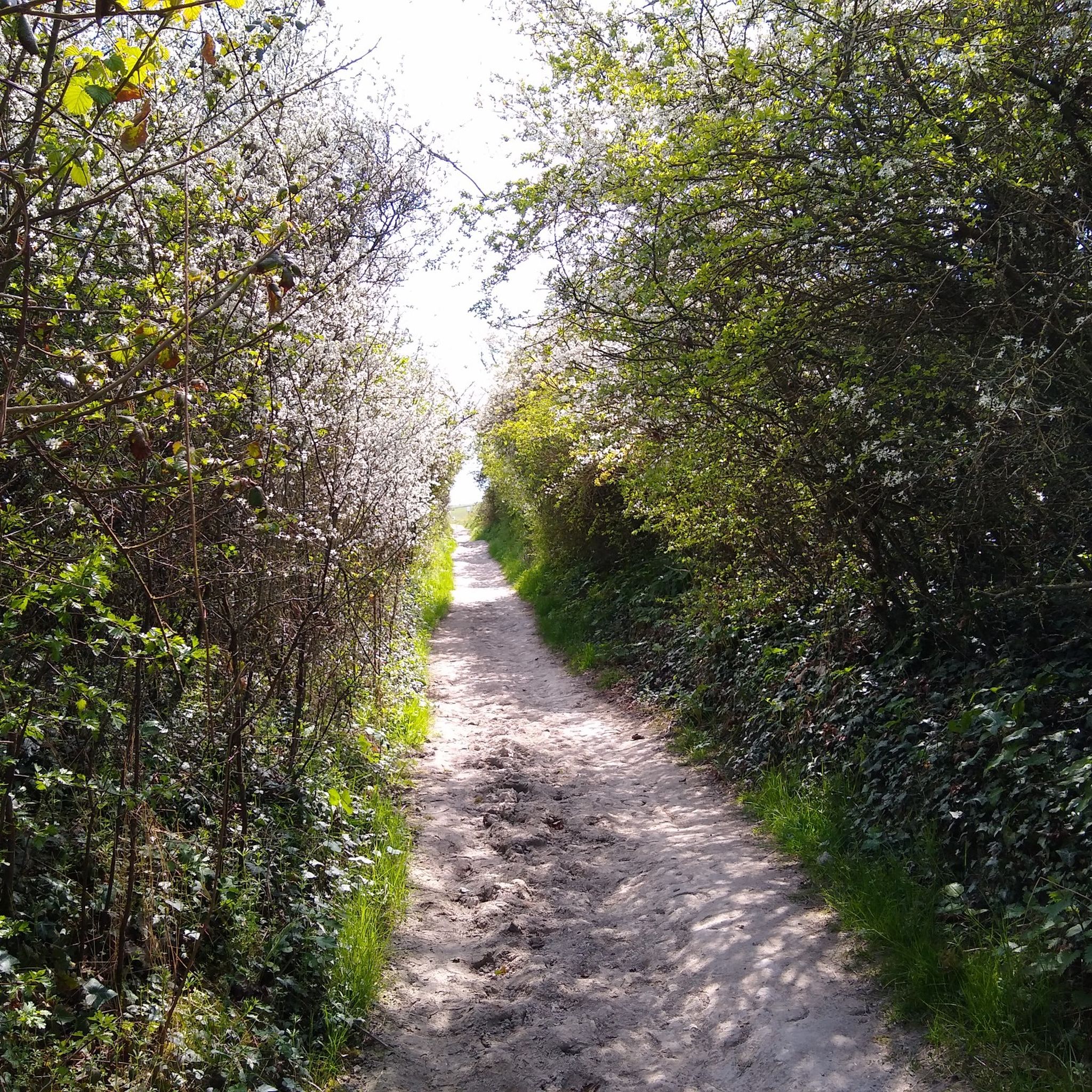
The Path: The formal Wansdyke Path is a long-distance walking route that primarily follows the impressive East Wansdyke in Wiltshire. Route: It typically runs for about 13 miles (21 km) between Marlborough and Morgan's Hill. Experience: Walking the path offers a spectacular experience, with sections that allow you to walk along the top of the impressive bank, providing commanding views over the surrounding Marlborough Downs and Pewsey Vale. Connectivity: Parts of the Wansdyke Path coincide with other regional walking routes, such as the White Horse Trail and the Wessex Ridgeway.
0
0
The Wansdyke is traditionally divided into two main parts: East Wansdyke: The most impressive and best-preserved section, running between Savernake Forest near Marlborough and Morgan's Hill in Wiltshire. West Wansdyke: A less substantial section running from Monkton Combe (south of Bath) to the hill fort of Maes Knoll (south of Bristol). Middle Section: The section connecting the two is often marked by the line of the old London to Bath Roman road.
0
0
Dating and Purpose: It is generally believed to be post-Roman (late Roman or sub-Roman, possibly 5th or 6th century AD) and was likely built by the native Britons as a defensive measure against the expanding Anglo-Saxons.
0
0
A series of early medieval defensive linear earthworks consisting of a large bank and a deep ditch. The ditch generally faces north, suggesting it was built as a defence against invaders coming from the north. Location: The Wansdyke runs in an east-west direction through the West Country of England, stretching across parts of Wiltshire and Somerset. Name Origin: Its name, Wansdyke, is thought to be derived from "Woden's Dyke", referring to the Anglo-Saxon god Woden.
0
0
A well preserved bell barrow, the mound of which measures 22m in diameter and stands up to 2.8m high. The mound is surrounded by a berm up to 5m in diameter and a ditch 0.7m deep and up to 6.2m wide. One of these two bell barrows produced a sherd of Bronze Age pottery and a fragment of a polished greenstone axe, both found by Owen Meyrick. A bell barrow, the mound of which measures 24m in diameter and stands 2.7m high. The berm and ditch which surround this barrow have been levelled by cultivation on three sides but survive as buried features on the fourth. From measurements on the western side it can be seen that the berm is c.3m wide and that the ditch is c.5m wide.
0
0
Who wouldn't want to walk into a neolithic burial chamber? anybody? no? didn't think so!!! It was amazing!!! The monument includes six prominent Bronze Age round barrows which form part of a larger round barrow cemetery north-east of West Kennett Farm and west of the Ridgeway track on Overton Hill. This is the site of a round barrow which, despite being ploughed level, will contain archaeological information; the old ground surface beneath the mound and the surrounding quarry ditch, from which material was quarried during construction of the monument, will survive as buried features. The area of the mound has a diameter of 33m; the surrounding ditch is c.2m wide. A bowl barrow, the mound of which measures 41.5m in diameter and stands up to 1.2m high. The mound is surrounded by a ditch which has become infilled over the years but which survives as a buried feature c.3m wide. This barrow has been partially excavated on two occasions, in 1857 by Thurnham and again in 1882 by W & H Cunnington. The primary cremation burial was not located but two secondary cremations were recovered. One was located north- west of the centre of the mound and was accompanied by a flint scraper and a serrated flint flake; the other was situated east of the centre and contained pottery sherds of two vessels, a beaker and an urn, as well as a piece of antler and several bone pins. A bowl barrow, the mound of which measures 42m in diameter and stands up to 0.7m high. The barrow has been partially excavated on two occasions, in 1857 by Thurnham and in 1882 by Ponting. These revealed that the barrow mound contained a crouched skeleton in a grave partly lined and roofed with sarsens. This was covered by a sarsen cairn, itself ringed by a double circle of sarsen stones c.1m outside the edge of the cairn. There was no evidence of a ditch around this barrow. Other finds included a later crouched skeleton covered with sarsen stones, the skeleton of a child, three large urns full of burnt bones and the perforated head of a bone pin. A well preserved bell barrow, the mound of which measures 26m in diameter and stands up to 3m high. The mound is surrounded by a gently sloping berm or platform c.3m wide and a ditch 0.5m deep and up to 6.4m wide.
0
0
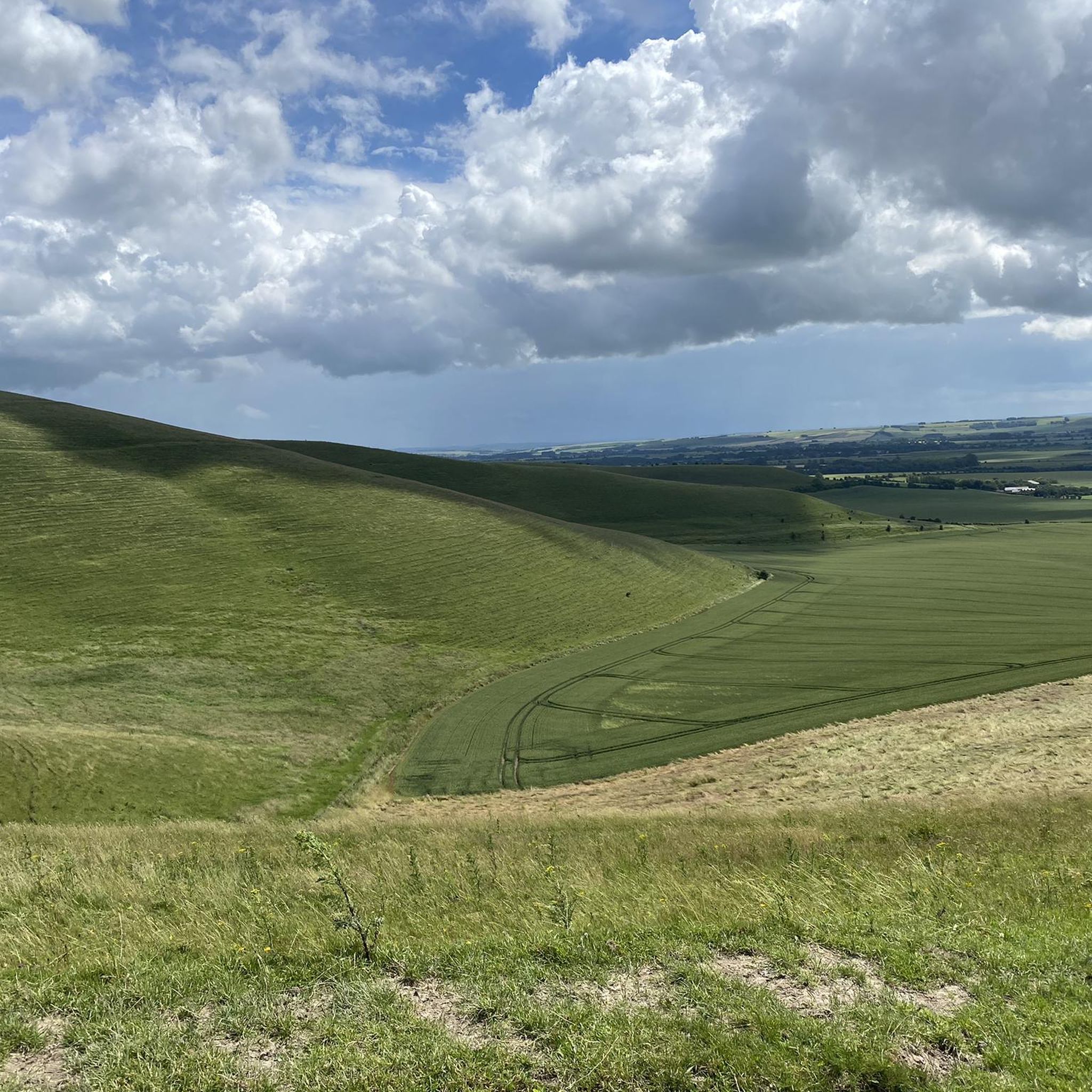
Adam’s Grave on Walker's Hill in Alton, the most dramatically located Neolithic long barrow in Wiltshire and the site of battles in 592 and 715. The area surrounding Walker's Hill is pitted and speckled with barrows and ditches of many sizes and shapes.
0
0

Frequently Asked Questions
What historical sites can I explore in and around Urchfont?
Urchfont and its surroundings are rich in history. You can visit West Kennet Long Barrow, a Neolithic burial chamber older than Stonehenge, where you can explore its internal chambers. Walkers Hill features Adam's Grave, another Neolithic long barrow, alongside ancient earthworks. The significant ancient earthwork, The Wansdyke Path, also runs through the Wiltshire countryside nearby. Within the village, St. Michael and All Angels Church dates back to the 13th century, and Urchfont Manor is a notable 17th-century manor house.
Are there any family-friendly attractions in the Urchfont area?
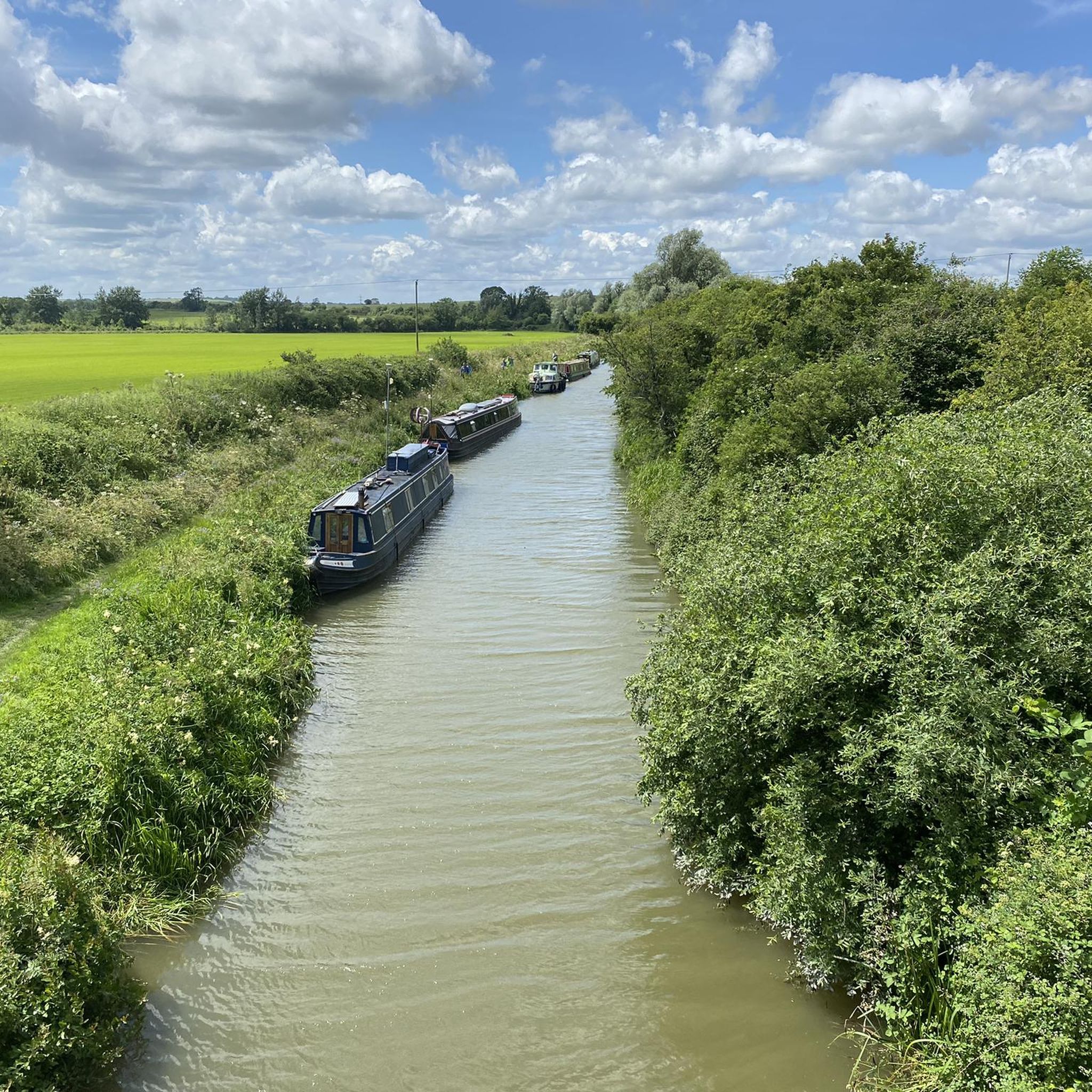
Yes, there are several family-friendly options. The Caen Hill Locks, an impressive set of 29 locks on the Kennet and Avon Canal, offers a fascinating sight and is surrounded by nature, making it suitable for families. The tranquil Village Pond, often called "Duckingham Palace," is a charming spot for children to see ducks. Additionally, the annual Urchfont Scarecrow Festival, held over the May Day Bank Holiday, is a highly popular and creative event for all ages.
Where can I enjoy natural landscapes and viewpoints near Urchfont?
For natural beauty and stunning views, head to Walkers Hill, which offers exceptional vistas of the Vale of Pewsey on clear days. Peppercombe Wood, on the edge of Urchfont, is an ancient woodland perfect for wildlife spotting, especially bluebells in spring. The Village Pond, fed by natural springs and fringed by weeping willows, provides a peaceful natural setting within the village itself. The Caen Hill Locks area also boasts beautiful nature and wildlife along the canal.
What outdoor activities and routes are available around Urchfont?
The area around Urchfont is ideal for outdoor enthusiasts. You can find numerous trails for walking and cycling through rolling hills, valleys, and woodlands. For specific routes, consider exploring the options for gravel biking, easy hikes, and cycling. Popular routes include those around the Kennet and Avon Canal and the Salisbury Plain Perimeter Path.
Are there any notable cultural events in Urchfont?
Urchfont is famous for its annual Scarecrow Festival, held over the May Day Bank Holiday weekend. This renowned event transforms the village with dozens of creative scarecrows, fostering a warm community atmosphere. It was the first of its kind in Wiltshire, established in 1997.
Where can I find local food and drink in Urchfont?
The Lamb Inn is a welcoming, traditional pub in Urchfont known for its delicious food and locally brewed ale. For local produce, including homemade cakes and artisanal cheeses, visit the community-run Village Shop and Post Office.
What do visitors enjoy most about the attractions around Urchfont?
Visitors particularly appreciate the blend of history and nature. For instance, the Caen Hill Locks are praised for their impressive engineering and surrounding nature. West Kennet Long Barrow is valued for its historical depth and the unique experience of exploring ancient chambers. The exceptional vistas and historical features of Walkers Hill also receive high acclaim.
What is the best time of year to visit Urchfont?
The best time to visit Urchfont largely depends on your interests. Spring (especially May Day Bank Holiday) is excellent for the Urchfont Scarecrow Festival and seeing bluebells in Peppercombe Wood. Summer offers pleasant weather for walking and cycling the countryside trails. The historical sites are accessible year-round, though a torch is recommended for exploring inside West Kennet Long Barrow.
Are there any ancient earthworks or archaeological sites to see?
Yes, the area is rich in ancient earthworks. Walkers Hill features Adam's Grave, a Neolithic long barrow, along with cross dykes, tumuli, and ditches. The Wansdyke Path follows a significant early medieval defensive linear earthwork. Slightly further afield, you can also find other notable sites like Silbury Hill and Avebury Stone Circle.
What is there to see in the nearby town of Devizes?
Less than 6 miles from Urchfont, the medieval market town of Devizes offers independent shops and a lively Thursday market at Devizes Market Place and Landmarks. It's also home to the impressive Caen Hill Locks on the Kennet & Avon Canal.
Can I find quiet, picturesque spots in Urchfont village?
Absolutely. The Village Pond is a tranquil 17th-century feature, fed by natural springs and surrounded by weeping willows, offering a peaceful retreat. St. Michael and All Angels Church, with its 13th-century origins and fine vaulting, provides a serene historical setting.
Most popular routes around Urchfont
Most popular attractions around Urchfont

Get inspired with the komoot mobile app


Explore more
Still not found the Highlight you’re looking for? See guides of the top attractions in other regions:
