Attractions and Places To See around North Newnton - Top 20
Best attractions and places to see around North Newnton, a civil parish in Wiltshire, England, offers a blend of historical sites and natural landscapes. Situated in the Vale of Pewsey, at the confluence of the River Avon and River Bourne, the area features varied terrain including floodplains and chalk slopes. This region is characterized by its ancient history, with numerous Neolithic and Bronze Age sites, alongside scenic views of the surrounding downland. Visitors can explore a range of outdoor activities…
Last updated: May 25, 2026
Silbury Hill
Highlight • Monument
Tip by

West Kennet Long Barrow
Highlight • Historical Site
Tip by

Sign up now to discover places like this
Get recommendations on the best single tracks, peaks, & plenty of other exciting outdoor places.
Sign up for free
Walkers Hill
Highlight • Natural Monument
Tip by

The Sanctuary, Avebury
Highlight • Historical Site
Tip by

The Wansdyke Path
Highlight • Trail
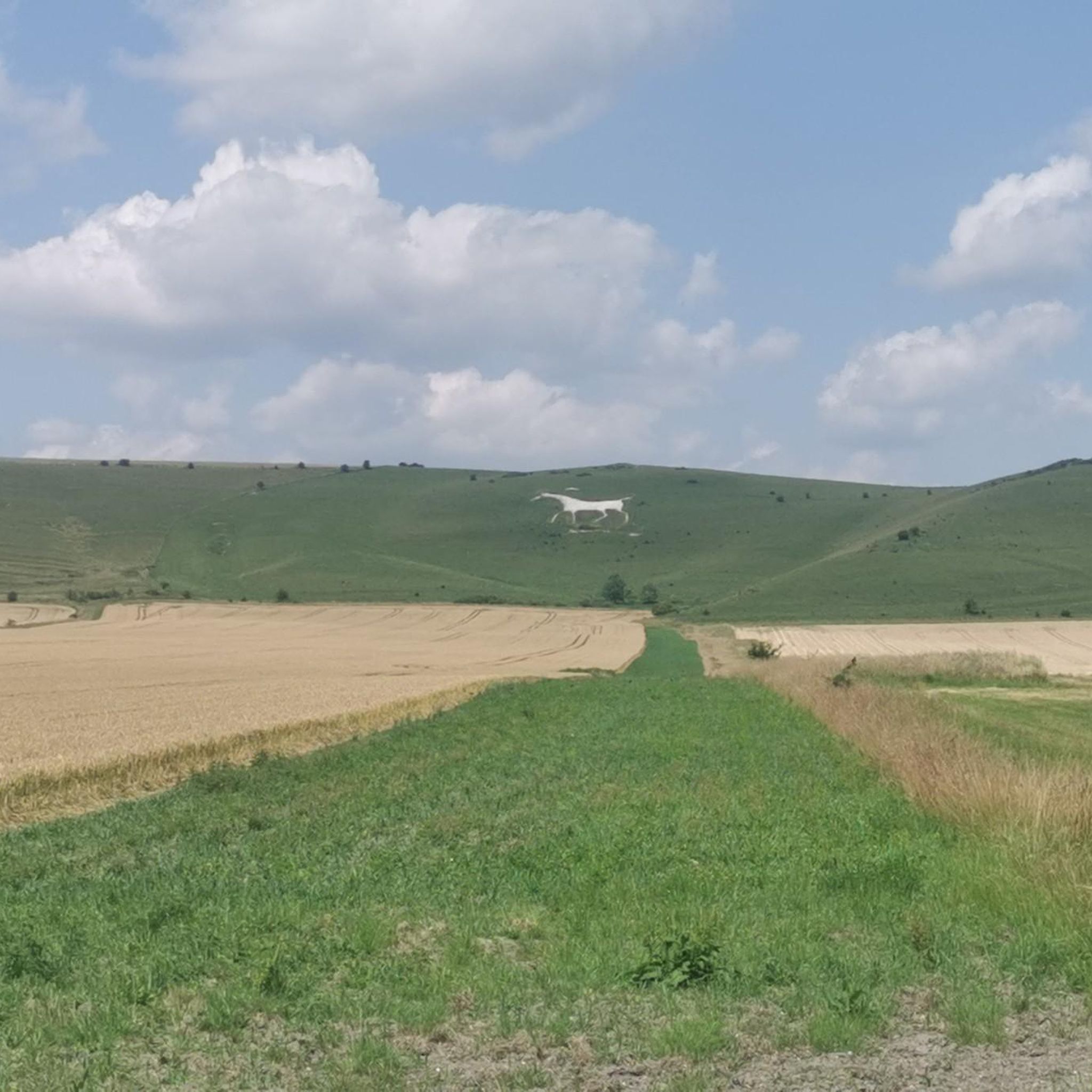
The path begins in Marlborough near the famous Marlborough White Horse before passing Savernake Forest, Knapp Hill and Tan Hill and finishing at Morgan's Hill.
Tip by

Sign up for free to discover even more attractions around North Newnton.
Sign up for free
Already have an account?
Start today with a free account
Your next adventure awaits.
Login or Signup

Tips from the Community

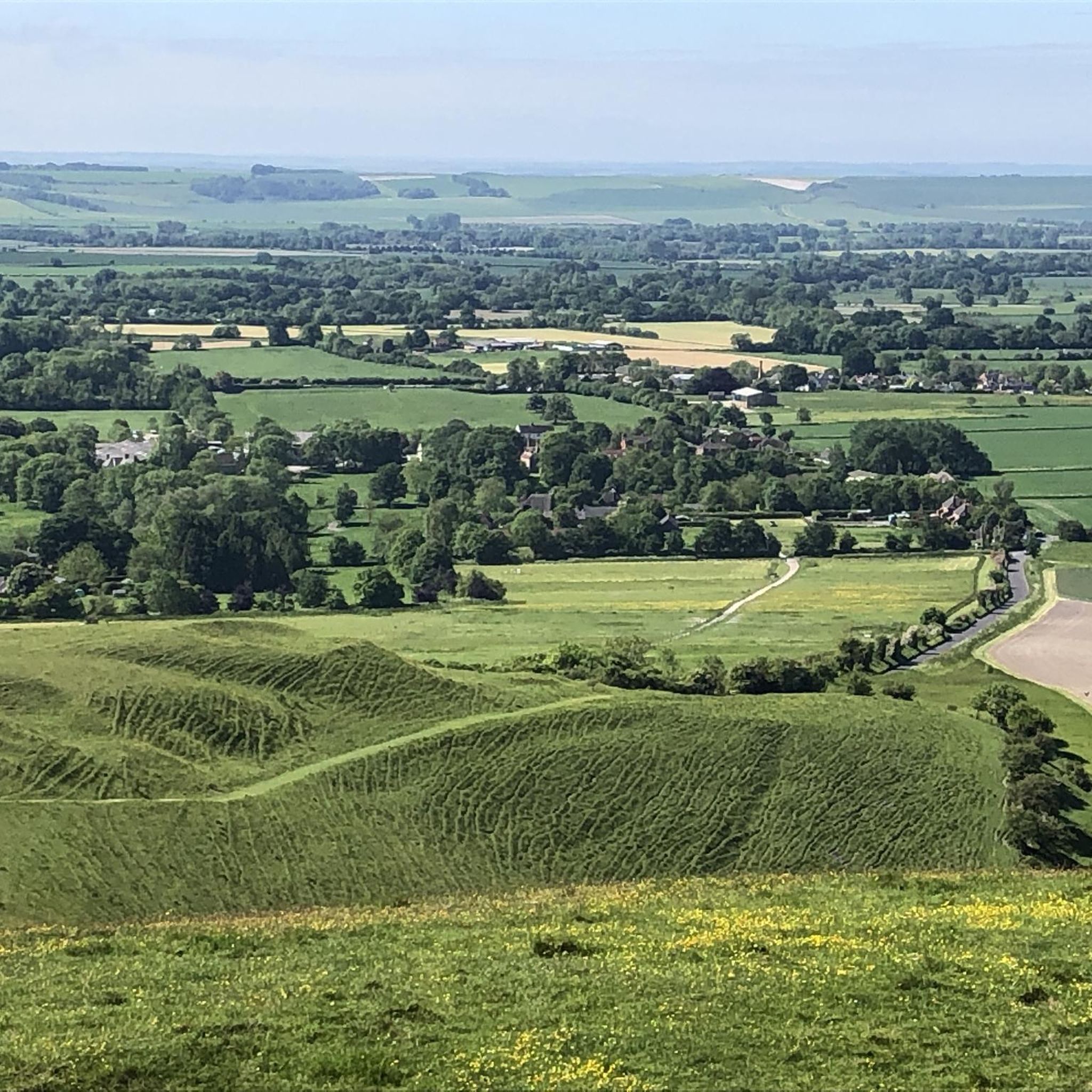
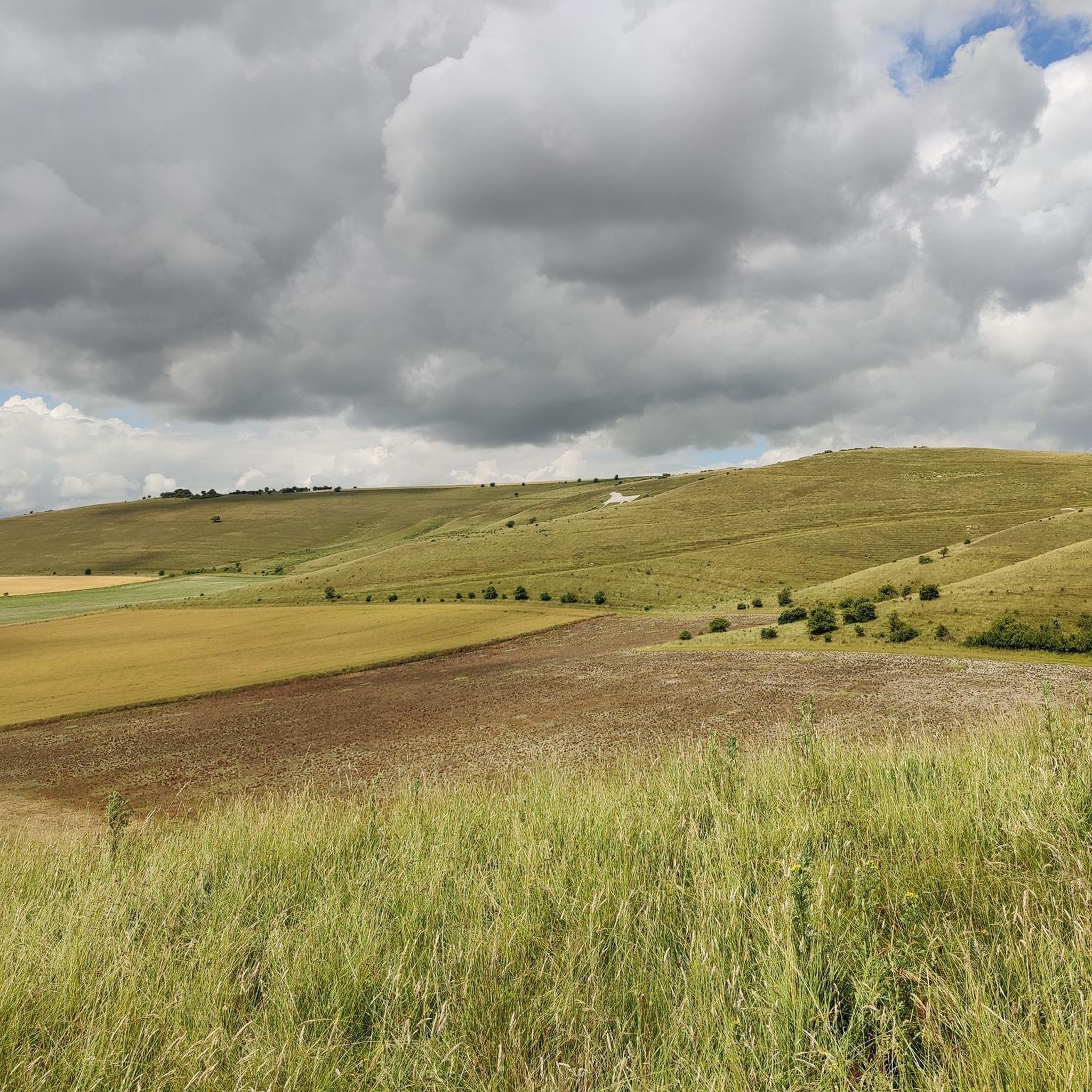
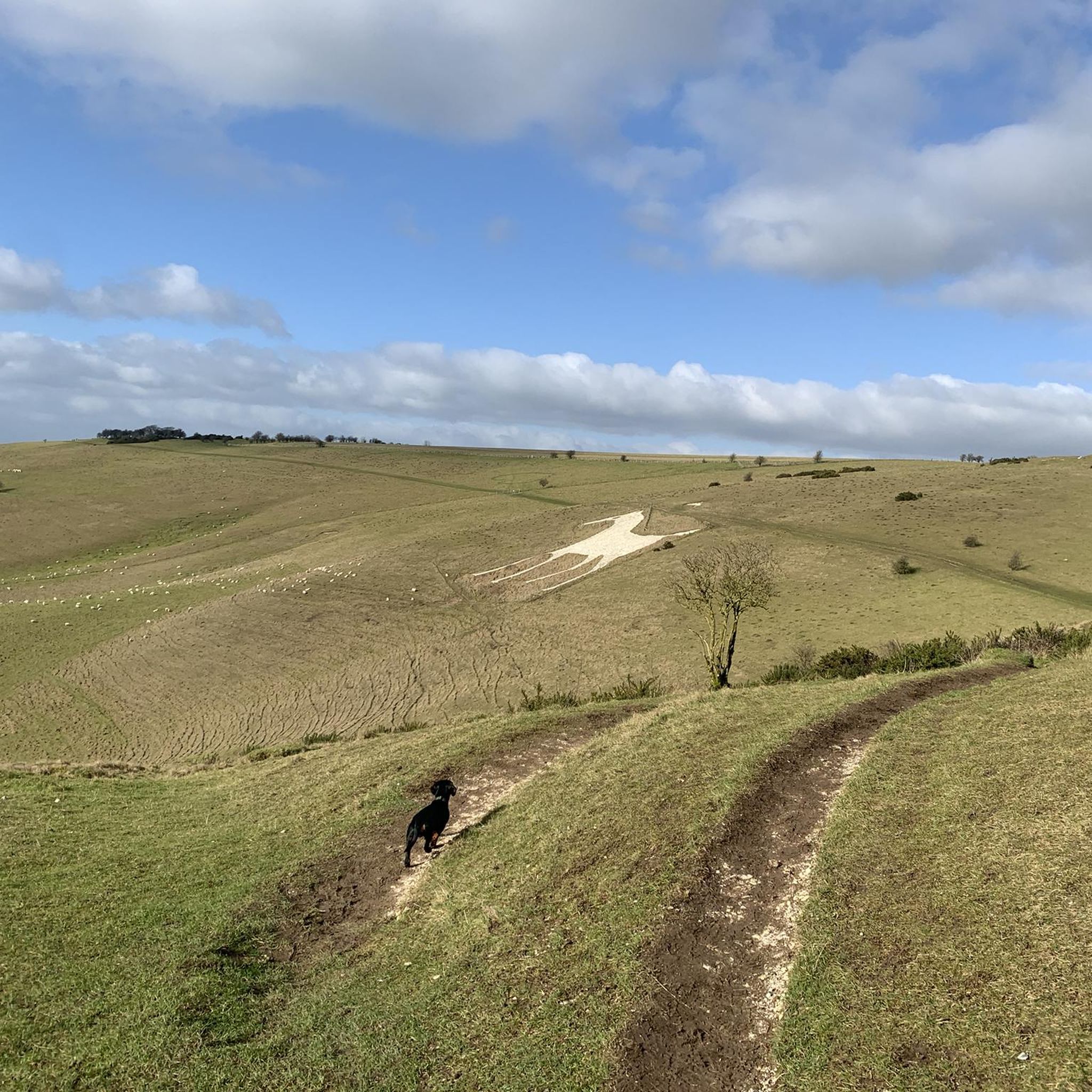
The Path: The formal Wansdyke Path is a long-distance walking route that primarily follows the impressive East Wansdyke in Wiltshire. Route: It typically runs for about 13 miles (21 km) between Marlborough and Morgan's Hill. Experience: Walking the path offers a spectacular experience, with sections that allow you to walk along the top of the impressive bank, providing commanding views over the surrounding Marlborough Downs and Pewsey Vale. Connectivity: Parts of the Wansdyke Path coincide with other regional walking routes, such as the White Horse Trail and the Wessex Ridgeway.
0
0
The Wansdyke is traditionally divided into two main parts: East Wansdyke: The most impressive and best-preserved section, running between Savernake Forest near Marlborough and Morgan's Hill in Wiltshire. West Wansdyke: A less substantial section running from Monkton Combe (south of Bath) to the hill fort of Maes Knoll (south of Bristol). Middle Section: The section connecting the two is often marked by the line of the old London to Bath Roman road.
0
0
Dating and Purpose: It is generally believed to be post-Roman (late Roman or sub-Roman, possibly 5th or 6th century AD) and was likely built by the native Britons as a defensive measure against the expanding Anglo-Saxons.
0
0
A series of early medieval defensive linear earthworks consisting of a large bank and a deep ditch. The ditch generally faces north, suggesting it was built as a defence against invaders coming from the north. Location: The Wansdyke runs in an east-west direction through the West Country of England, stretching across parts of Wiltshire and Somerset. Name Origin: Its name, Wansdyke, is thought to be derived from "Woden's Dyke", referring to the Anglo-Saxon god Woden.
0
0

Catch a sunrise here or star gaze at night. absolutely breath taking, and something so magical about the place.
0
0
Sidbury Hill, or Sidbury Camp, is the site of an Iron Age bivallate hillfort on the eastern edge of Salisbury Plain in Wiltshire, England. The site is sub-triangular in shape, approximately 17 acres in area, and is constructed on the site of a Neolithic settlement. The hill offers excellent defensive slopes on all sides, which have been supplemented by the double ditch and rampart earthworks. The settlement and hillfort were partially excavated in the 19th century and the 1950s; there were finds of pottery and other artefacts. A Neolithic settlement site was discovered during the excavation in the 1950s, being of a section of the south-east rampart of the hillfort. A number of flint flakes and tools were recovered. The site is a scheduled national monument. Trees planted in the 1960s were removed from 2002 and the area was allowed to revert to the natural chalk downland. Access to the site is difficult as it is on, or near, Ministry of Defence land, and there are many tank tracks and occasional artillery firing in the area. There are also numerous ditches, barrows, trackways, field systems, and tumuli in the area. Due to erosion issues climbing on the barrow is now forbidden. Such a shame, but understandable.
0
0
A well preserved bell barrow, the mound of which measures 22m in diameter and stands up to 2.8m high. The mound is surrounded by a berm up to 5m in diameter and a ditch 0.7m deep and up to 6.2m wide. One of these two bell barrows produced a sherd of Bronze Age pottery and a fragment of a polished greenstone axe, both found by Owen Meyrick. A bell barrow, the mound of which measures 24m in diameter and stands 2.7m high. The berm and ditch which surround this barrow have been levelled by cultivation on three sides but survive as buried features on the fourth. From measurements on the western side it can be seen that the berm is c.3m wide and that the ditch is c.5m wide.
0
0
Frequently Asked Questions
What historical sites can I explore around North Newnton?
North Newnton and its surroundings are rich in history. You can visit West Kennet Long Barrow, a Neolithic burial chamber older than Stonehenge, where you can even go inside. Another significant site is Silbury Hill, Europe's largest artificial mound, whose purpose remains a mystery. Further afield, explore the ancient defensive earthworks of The Wansdyke Path, or discover the Hatfield Earthworks (Marden Henge) and the site of a Roman Villa at Stowell.
Are there any notable natural features or viewpoints in the area?
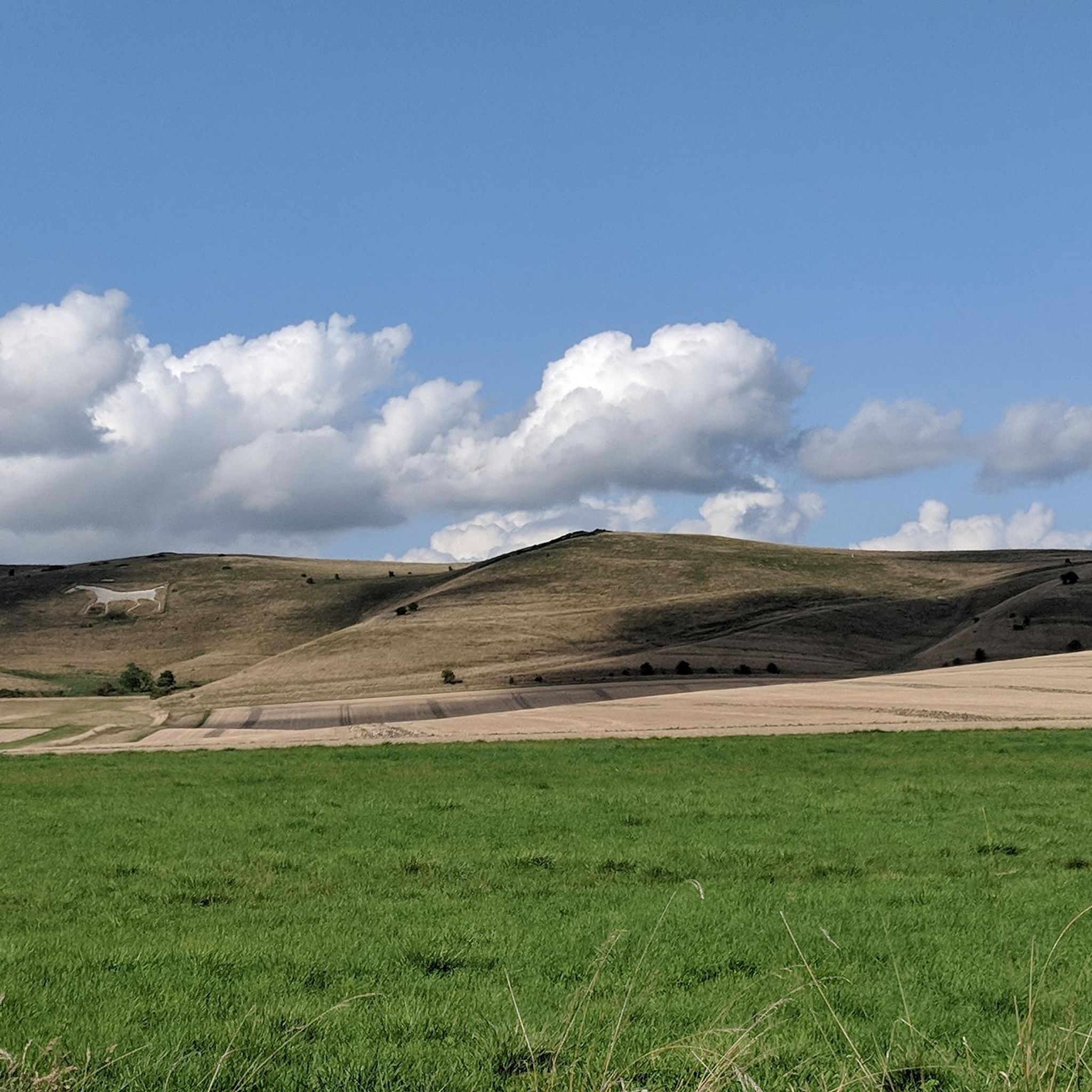
Absolutely. The region is nestled in the picturesque Vale of Pewsey, at the confluence of the River Avon and River Bourne, offering tranquil rural settings. For expansive views, head to Walkers Hill, which provides fantastic vistas of the Vale of Pewsey and the surrounding downland. You can also see the iconic Alton Barnes White Horse, a chalk hillside carving located within a beautiful chalk downland area.
What outdoor activities, like hiking or cycling, are available near North Newnton?
The surrounding countryside offers numerous opportunities for outdoor activities. For hiking, you can find easy trails like the 'Wilcot and Kennet & Avon Canal Trail' or more challenging routes such as the 'Walkers Hill – Giant's Grave Hillfort loop'. Cyclists can enjoy routes like the 'Pewsey White Horse – Marden Henge loop'. You can find detailed guides for these and many other routes at Hiking around North Newnton and Cycling around North Newnton.
Are there any family-friendly attractions or activities around North Newnton?
Many of the historical and natural sites can be enjoyed by families. Exploring the chambers of West Kennet Long Barrow can be an exciting adventure for children, and the vastness of Silbury Hill is impressive. Gentle walks along the River Avon or through the Vale of Pewsey are also suitable for families, allowing them to discover the local landscape and wildlife.
Where can I find a local pub or place to eat near the attractions?
The Woodbridge Inn, an early 19th-century pub, is located within the parish of North Newnton and offers a local gathering spot. For other options, exploring nearby villages will likely reveal additional pubs and cafes.
What is the significance of the Neolithic sites in this area?
The North Newnton area is a treasure trove of Neolithic history. Sites like West Kennet Long Barrow (built around 3650 BC) and Silbury Hill (completed around 2400 BC) are part of a larger complex of prehistoric monuments near Avebury. These sites, along with others like The Sanctuary and West Kennet Avenue, offer a glimpse into ancient burial practices, ceremonial rituals, and monumental construction from thousands of years ago.
Are there any ancient churches or religious sites to visit?
Yes, St James' Church in North Newnton is an Anglican church dating back to the 13th century, with parts of its structure, like the ashlar nave and chancel, from the 12th century. It's a significant historical structure reflecting centuries of local heritage. Additionally, the nearby Netheravon Dovecote, an elegant 18th-century brick structure, retains most of its original nesting boxes and offers a peaceful historical spot.
What kind of terrain can I expect on trails around North Newnton?
The terrain around North Newnton is varied. You'll find low-lying floodplains and water-meadows near the rivers, which are generally flat. However, to the north, the land gently rises onto the chalk slopes of the Salisbury Plain Escarpment, offering more undulating hills and elevated viewpoints like Walkers Hill. Trails can range from easy, flat paths to moderate and even challenging routes with some elevation gain.
Can I find any hidden gems or less-known historical spots?
Beyond the prominent sites, the area holds several lesser-known historical points. Earthworks near North Newnton church indicate the site of the original medieval manor house. You can also find Bronze Age Round Barrows on Stowell Hill and other high points, serving as ancient markers in the landscape. The buried remains of a Roman Villa at Stowell are also a Scheduled Ancient Monument, hinting at the area's prosperous past.
What do visitors enjoy most about the attractions near North Newnton?
Visitors frequently praise the combination of stunning natural beauty and profound historical significance. Many appreciate the opportunity to explore ancient sites like West Kennet Long Barrow and Silbury Hill, often noting the sense of history. The panoramic views from places like Walkers Hill and the picturesque Vale of Pewsey are also highly valued for their scenic beauty and tranquility.
Are there any specific walking routes that combine history and scenic views?
Yes, many routes in the area offer a blend of history and scenery. For instance, the trails around Walkers Hill not only provide exceptional views of the Vale of Pewsey but also feature historical elements like Adam's Grave (a Neolithic long barrow) and other prehistoric earthworks. The Wansdyke Path also takes you through beautiful Wiltshire countryside while tracing an ancient defensive earthwork.
Most popular attractions around North Newnton

Get inspired with the komoot mobile app


Explore more
Still not found the Highlight you’re looking for? See guides of the top attractions in other regions:
