Attractions and Places To See around Market Lavington - Top 20
Best attractions and places to see around Market Lavington include a variety of historical sites, natural features, and cultural points of interest. Situated on the northern edge of Salisbury Plain, the village provides access to expansive chalk downlands and woodlands. Market Lavington itself features historic buildings and a museum detailing local life. The surrounding area offers a blend of ancient monuments and scenic outdoor spaces for exploration.
Best attractions and places to see around Market Lavington
- The most popular attractions…
Last updated: August 30, 2026
Stonehenge
Highlight • Historical Site
Tip by

Caen Hill Locks
Highlight • Viewpoint
Tip by

Sign up now to discover places like this
Get recommendations on the best single tracks, peaks, & plenty of other exciting outdoor places.
Sign up for free
Sarsen Stone at Stonehenge Visitor Centre
Highlight • Monument
Translated by Google •
Tip by

Cursus Barrows
Highlight • Natural Monument
Translated by Google •
Tip by
St James' Church, Bratton
Highlight • Other
Tip by

Sign up for free to discover even more attractions around Market Lavington.
Sign up for free
Already have an account?
Start today with a free account
Your next adventure awaits.
Login or Signup
Popular around Market Lavington
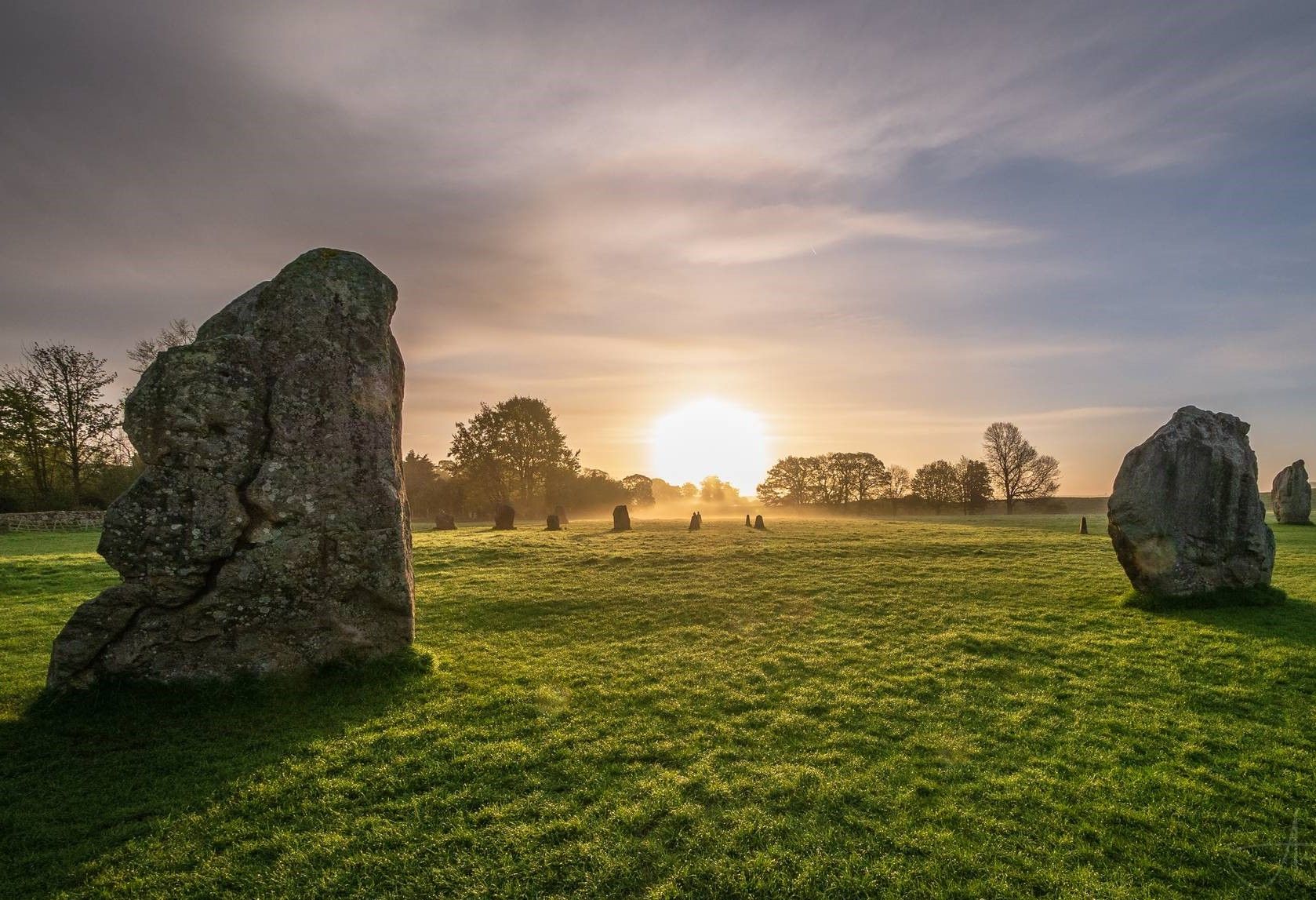
Celtic Way — An epic pilgrimage through prehistory and wild beauty
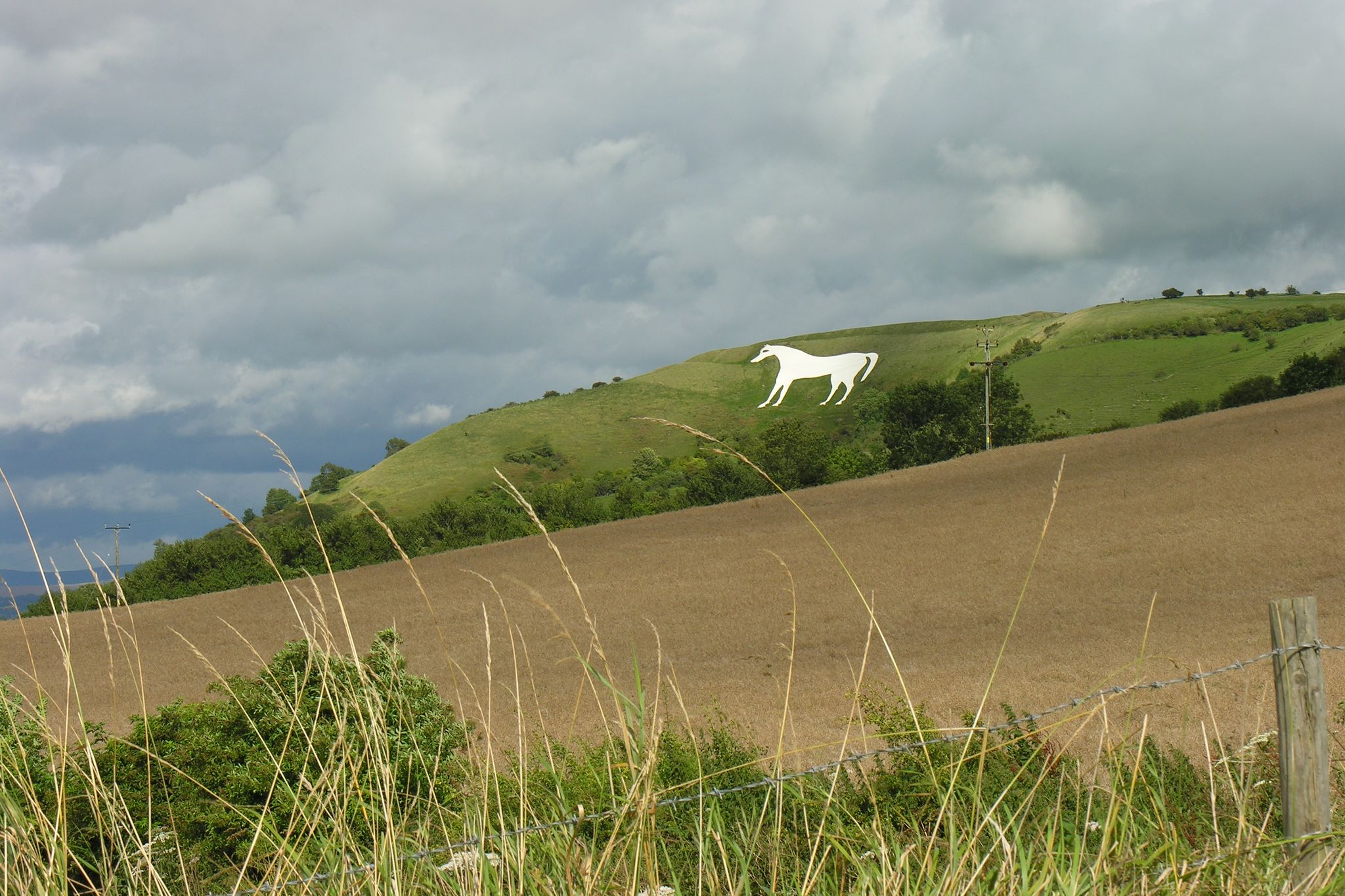
White Horse Trail — Linking Wiltshire's epic hill carvings
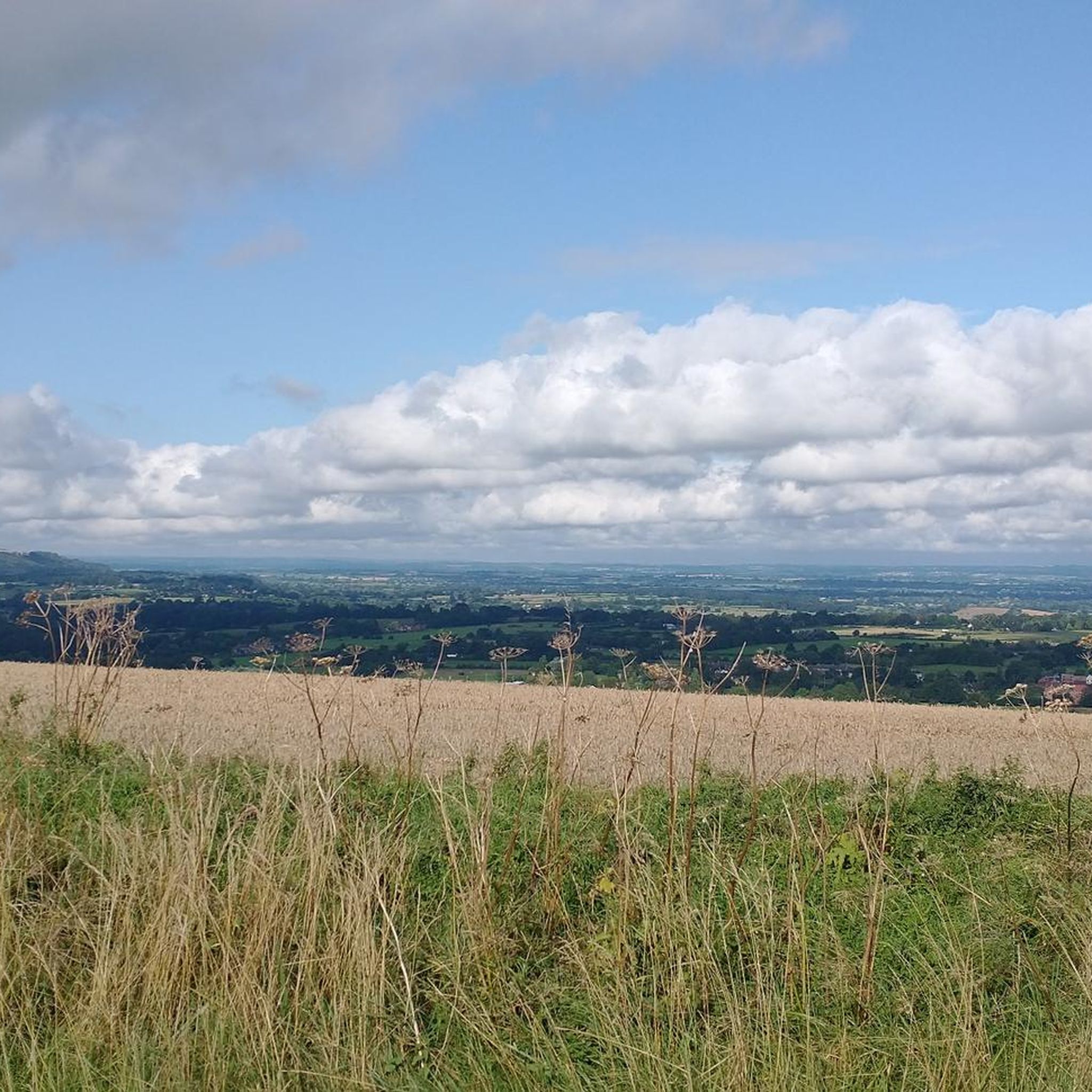
Hiking around Market Lavington
Gravel biking around Market Lavington
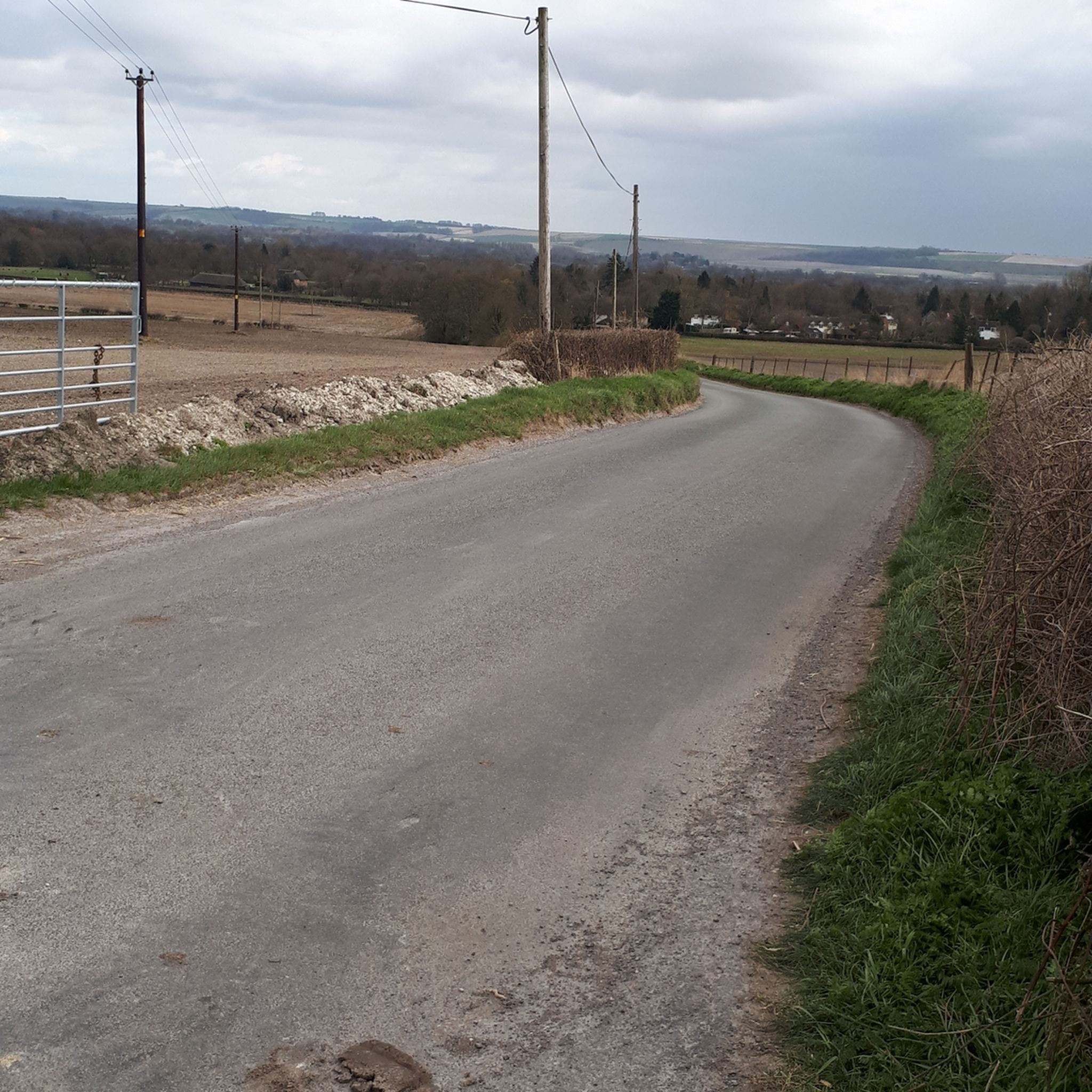
Road Cycling Routes around Market Lavington
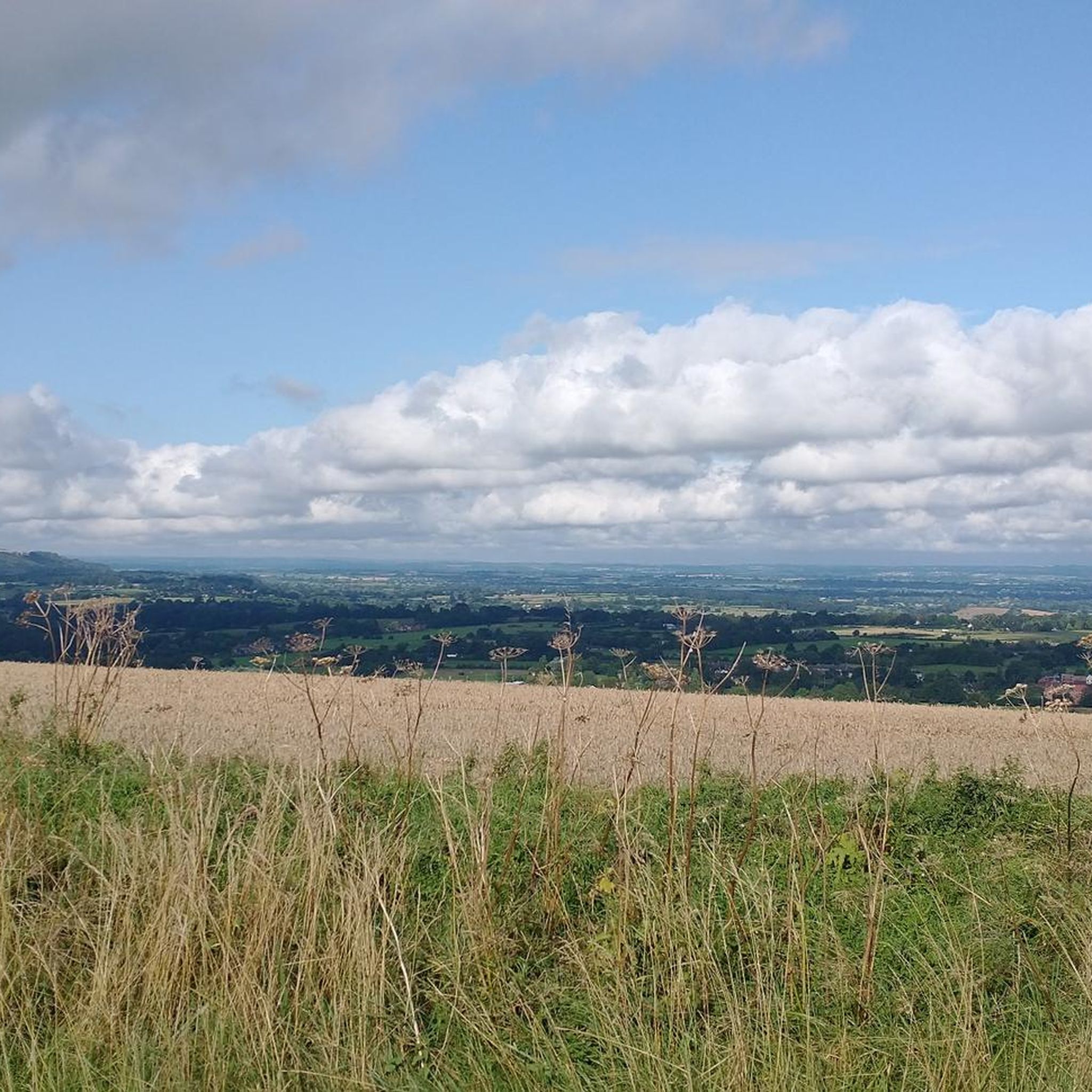
MTB Trails around Market Lavington
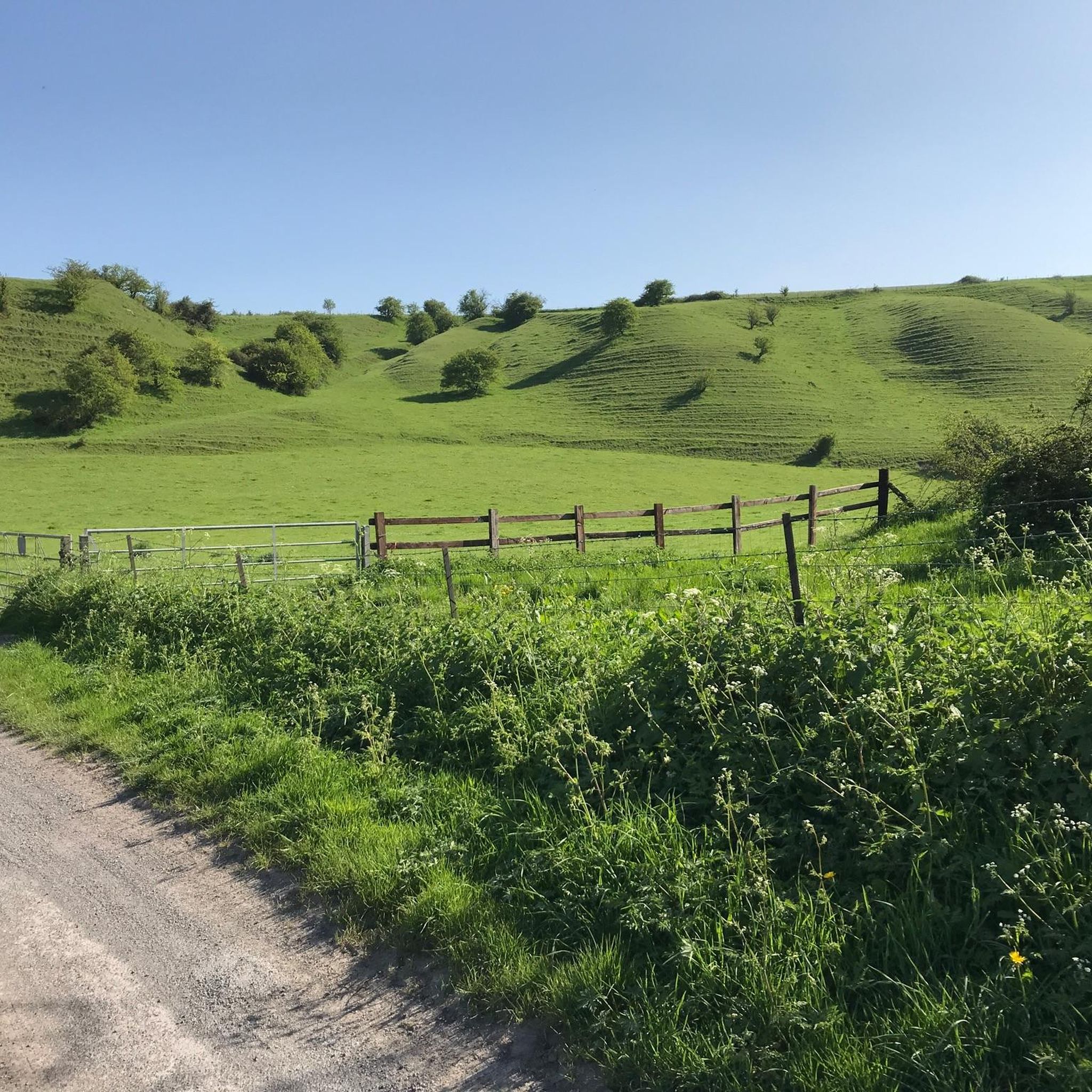
Cycling around Market Lavington
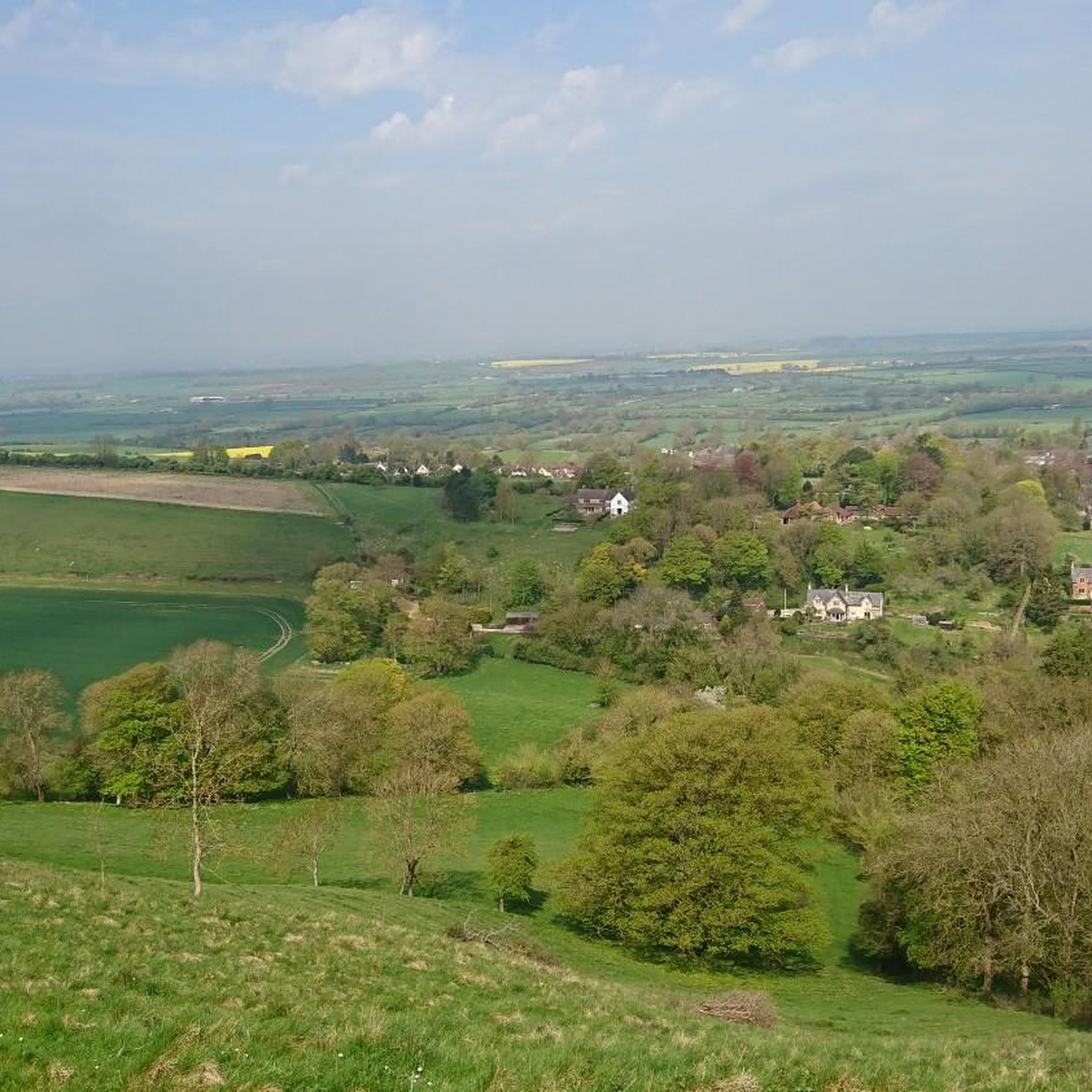
Running Trails around Market Lavington


Tips from the Community

Why exactly there? Archaeologists suspect several reasons: Line of sight From the mounds, there is a direct view of Stonehenge. Sacred landscape The entire plain was a ritual area with paths, graves, and ceremonial sites. Status symbol Important people were buried near the famous sanctuary. Interesting fact There are over 300 burial mounds in the vicinity of Stonehenge – one of the largest prehistoric burial landscapes in Europe.
0
0
Here is a simple overview map explaining the landscape south of Stonehenge and why the burial mounds are located there. Landscape south of Stonehenge The most important range of mounds is called Normanton Down Barrows. It lies about 1 km south of Stonehenge. There are over 40 burial mounds there, dating from 2600–1600 BC. The mounds are situated on a long ridge that faces directly towards Stonehenge. Simplified diagram of the location North ↑ Stonehenge ○ | | approx. 1 km | ───────────────── Hill ridge with many burial mounds (Normanton Down) ○ ○ ○ ○ ○ ○ ○ ○ ○ ○ ↓ South Important hills there One particularly famous burial mound is Bush Barrow A richly furnished grave of a Bronze Age prince, containing gold objects and weapons, was found there.
0
0

It's unbelievable what people have achieved and built in the past (without any technology) - it's simply impressive and breathtaking
2
0

James the Greater (the Latin 'major' is not translated as 'great' in English), to whom this church near Bratton was dedicated, was, together with his brother, part of the inner circle of Jesus' disciples. In his version of the "Good News" (this is the meaning of the word "gospel"), the Evangelist Mark enumerates a list of the apostles: "James, the son of Zebedee, and John, the brother of James—them he surnamed Boanerges, which means Sons of Thunder" (Mark 3:17). They were said to have had strong tempers, but were faithful followers of Jesus Christ, in whom they recognized the promised Messiah. According to the Acts of the Apostles, James was executed for his faith. His tomb in Santiago de Compostela, Galicia (Spain), is one of the most famous and important pilgrimage destinations in the world.
0
0

To the south lies a group of burial mounds called the Cursus Barrows. The footpath to the impressive stone circle leads across the fields with the burial mounds, which can be clearly seen and are well explained on a display board. Bone remains and various beads were found in the graves.
5
0
Sarsen stones are blocks of sandstone found in large numbers in England, it is a contraction of Saracen stone, where “Saracenic” is equivalent to “pagan”. In this respect, sarsen means something like “heathen stone”, “stone of the heathen”. The most famous sarsen stones can be found here in Stonehenge.
6
0

Here you can measure your strengths
4
0

The Cursus Barrows is the name given to a Neolithic and Bronze Age round barrow cemetery lying mostly south of the western end of the Stonehenge Cursus, in Wiltshire, England. The cemetery contains around 18 barrows scattered along an east-to-west ridge, although some of the mounds are no longer visible. The Cursus Barrows can be seen just north of the route between the Stonehenge Visitor Centre and Stonehenge. https://en.wikipedia.org/wiki/Cursus_Barrows
2
0
Frequently Asked Questions
What historical sites can I explore in Market Lavington itself?
Within Market Lavington, you can visit several historic landmarks. St Mary's Church, dating back to the late 13th century, features fragments of a 12th-century Norman structure. The Old House on Parsonage Road is a 14th-century manor house and the oldest residence in the village. You can also learn about local life at the Market Lavington Museum, located in the Old Schoolmaster's House, which showcases Victorian-era exhibits and local artifacts.
Where can I experience natural landscapes and outdoor activities near Market Lavington?
Market Lavington is situated on the northern edge of Salisbury Plain, offering access to expansive chalk downlands, open plains, and woodlands ideal for hiking and observing wildflowers and birdlife. Canada Woods, a semi-natural woodland, provides a tranquil setting with various trees and the spring-fed Easterton Brook. For more structured outdoor adventures, you can find numerous hiking routes, cycling tours, and MTB trails in the surrounding area.
Are there family-friendly attractions around Market Lavington?
Yes, several attractions cater to families. The world-renowned Stonehenge offers a visitor center with exhibitions and Neolithic houses. Caen Hill Locks provides an engaging experience watching boats navigate the impressive series of 29 locks on the Kennet and Avon Canal. At the Stonehenge Visitor Centre, you can interact with a Sarsen Stone, allowing visitors to measure their strength against these large sandstone blocks.
What are some notable historical monuments beyond Market Lavington?
Beyond the village, you can explore significant historical monuments. Stonehenge, a prehistoric monument, is approximately 10 miles away. The Westbury White Horse and Bratton Camp feature an Iron Age hillfort and a chalk figure carved into the downland. Additionally, the Cursus Barrows, a group of Neolithic and Bronze Age burial mounds, are located south of Stonehenge.
Can I find good hiking trails near Market Lavington?
Absolutely. The area around Market Lavington offers a network of hiking trails suitable for various fitness levels. You can find routes like the 'View from Littleton Down – Sandy Track loop from West Lavington' or the 'Brades Acre Campsite, Tilshead – Beech Woodland Path loop from Tilshead'. These trails provide sweeping views across the Vale of Pewsey and Salisbury Plain. For a comprehensive list of options, explore the hiking guide for Market Lavington.
Are there cycling or mountain biking opportunities in the area?
Yes, the region is well-suited for both cycling and mountain biking. Cyclists can enjoy routes such as the 'View of the Countryside – Redhorn Hill Byway loop from Market Lavington' or the 'Caen Hill Locks – Bulkington Country Road loop from Marston'. Mountain bikers have options like the 'Stonehenge – Stonehenge loop from Market Lavington' or the 'Salisbury Plain Perimeter Path – Stonehenge loop from Market Lavington'. Discover more routes in the cycling guide and MTB trails guide for Market Lavington.
What do visitors enjoy most about the attractions around Market Lavington?
Visitors frequently praise the historical significance and natural beauty of the area. Many appreciate the impressive engineering of Caen Hill Locks and the opportunity for a pleasant stroll along the canal. The panoramic views from sites like Westbury White Horse and Bratton Camp are also highly rated, often described as perfect for a mid-ride picnic. The sheer scale and mystery of Stonehenge continue to captivate visitors.
Are there any impressive viewpoints in the vicinity?
The area offers several impressive viewpoints. Caen Hill Locks provides a unique perspective on the canal system. The Westbury White Horse and Bratton Camp offer outstanding views across the surrounding landscape. Additionally, the expansive chalk downlands of Salisbury Plain provide numerous elevated spots with sweeping vistas across the Vale of Pewsey.
What are some other notable attractions within a short drive of Market Lavington?
Within a short drive, you can visit several other significant attractions. The Avebury Stone Circle, another major Neolithic monument, is about 11 miles away. Lacock Abbey, a National Trust property with historic grounds, is approximately 10 miles distant. Bowood House & Gardens, known for its extensive gardens, is also around 10 miles from the village.
Is there anything to see related to ancient burial sites near Market Lavington?
Yes, the region is rich in ancient burial sites. The Cursus Barrows, a collection of Neolithic and Bronze Age round barrows, are located south of the western end of the Stonehenge Cursus. Further south, the Normanton Down Barrows comprise over 40 burial mounds dating from 2600–1600 BC, including the famous Bush Barrow, which contained a richly furnished grave of a Bronze Age prince.
What kind of wildlife can I expect to see on walks around Market Lavington?
The chalk grasslands and woodlands around Market Lavington are home to diverse wildlife. On Salisbury Plain and near Bratton Camp, you might spot various wildflowers and birdlife. The area is particularly known for insects, including the rare Adonis Blue butterfly and the scarce forester moth, which thrive in the chalk grassland habitats.
Most popular routes around Market Lavington
Most popular attractions around Market Lavington

Get inspired with the komoot mobile app


Explore more
Still not found the Highlight you’re looking for? See guides of the top attractions in other regions:
