The best road cycling routes around Berwick St. John
4.6
(51)
1,729
riders
175
rides
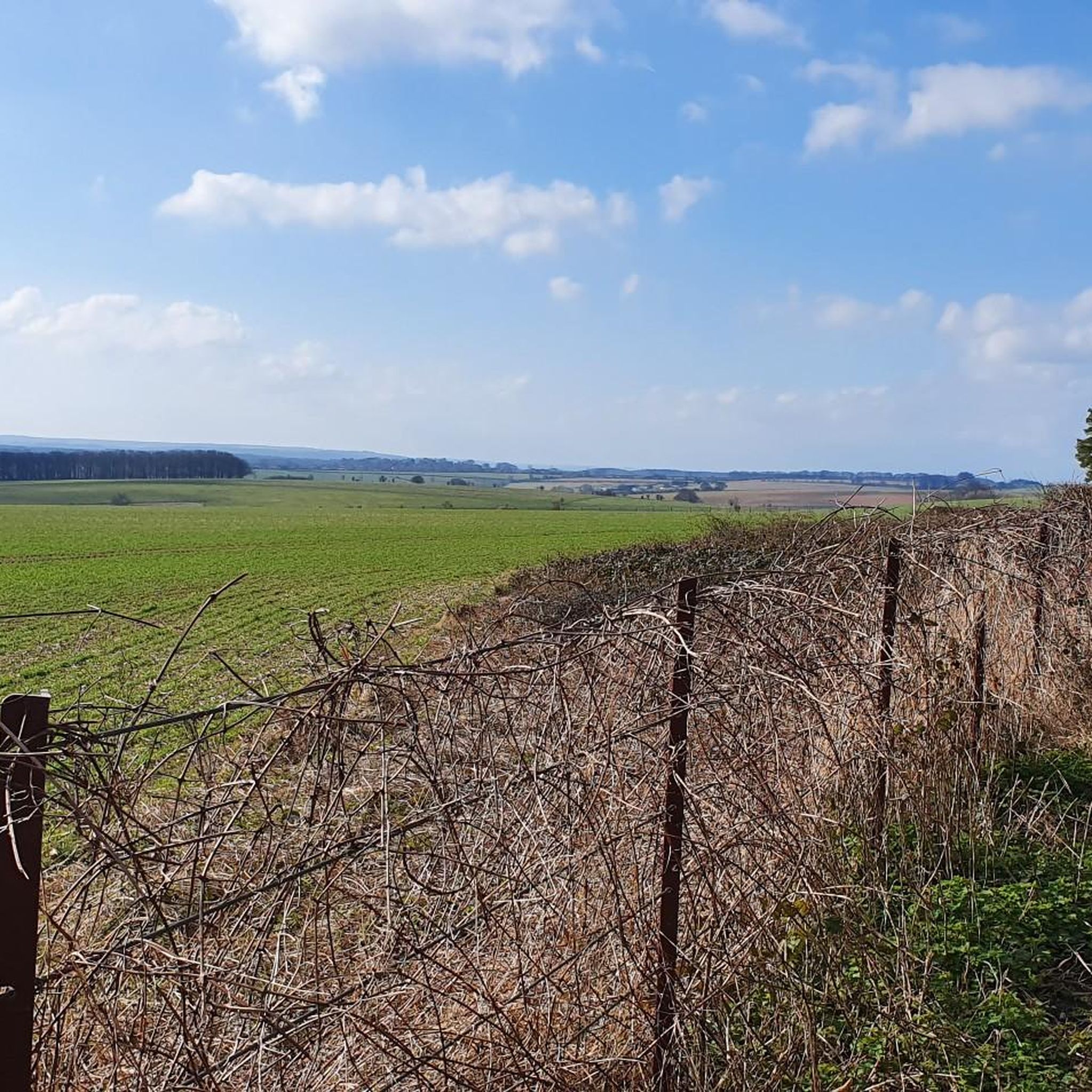
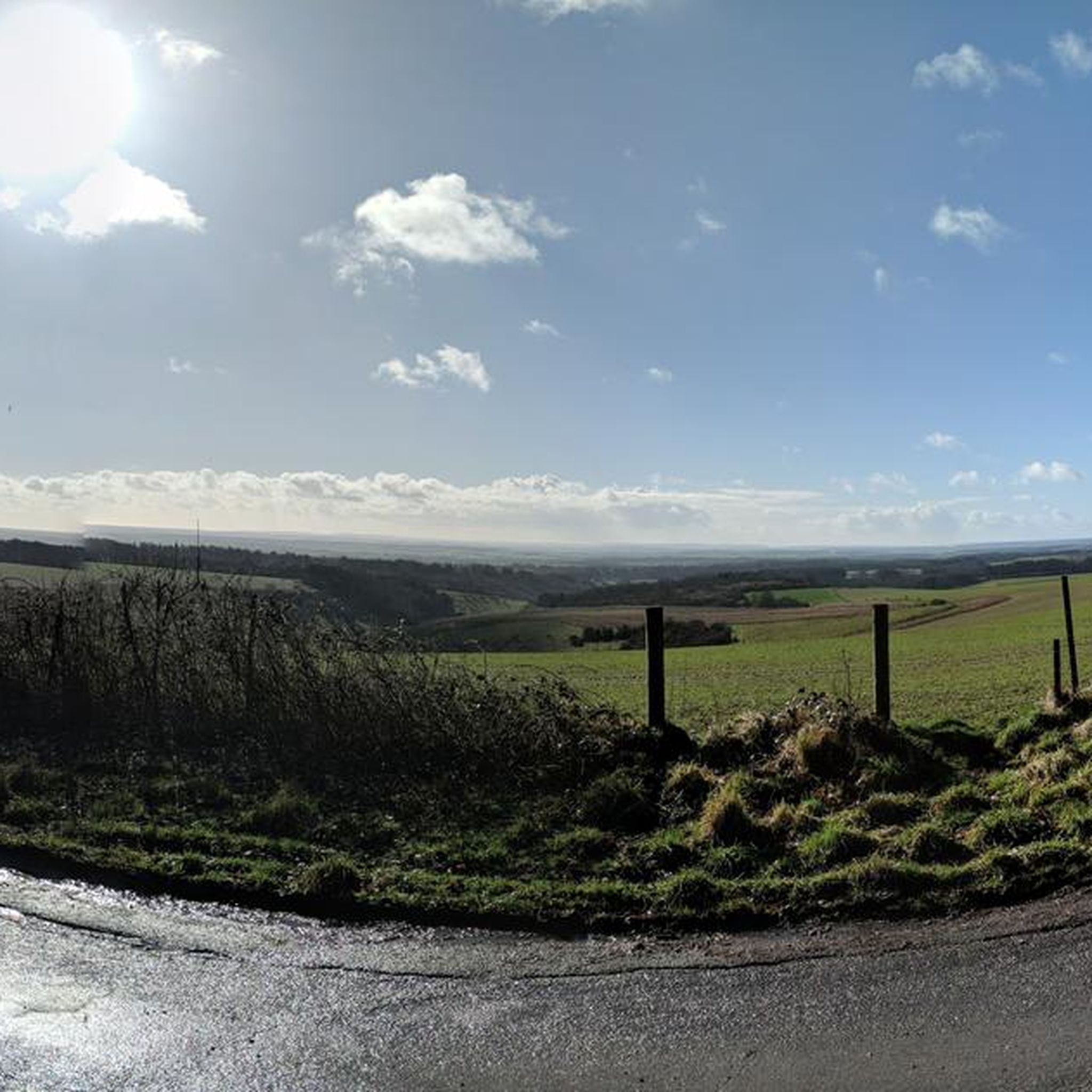
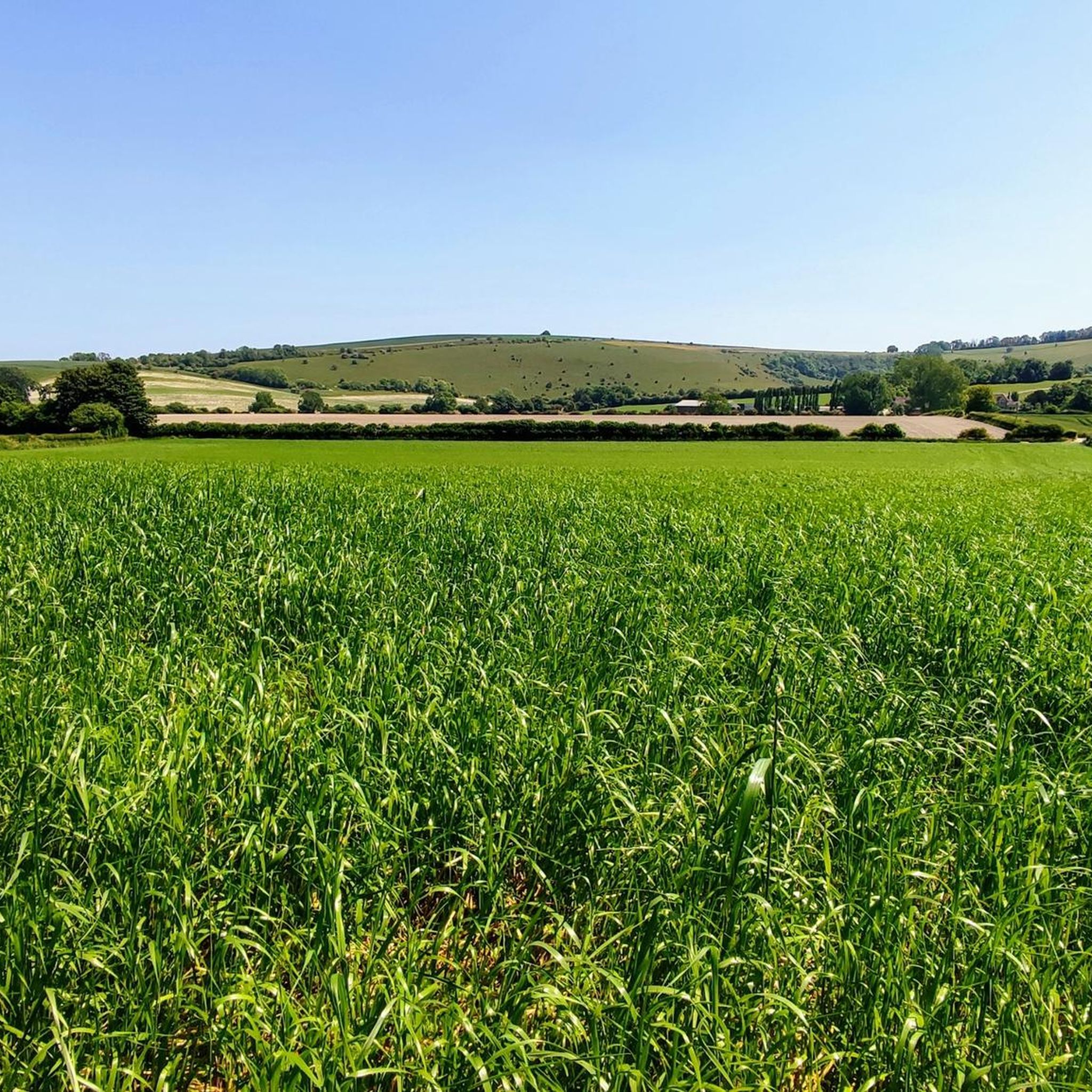
Road cycling around Berwick St. John is characterized by its location within the Cranborne Chase and West Wiltshire Downs Area of Outstanding Natural Beauty. The region features rolling hills, chalk downland, and distinctive ridges, providing varied terrain for cyclists. Cyclists can expect a dynamic experience with changes in elevation and direction across mostly paved surfaces. This landscape offers an ideal setting for road cycling routes.
Best road cycling routes around Berwick St. John
- The most popular road cycling route is…
Last updated: May 7, 2026
5.0
(3)
89
riders
Moderate road ride. Good fitness required. Mostly well-paved surfaces and easy to ride.
32
riders
91.2km
05:01
1,000m
1,000m
Hard road ride. Very good fitness required. Some segments of this route may be unpaved and difficult to ride.

Sign up for free
5.0
(1)
18
riders
Moderate road ride. Good fitness required. Mostly well-paved surfaces and easy to ride.
16
riders
Moderate road ride. Good fitness required. Mostly well-paved surfaces and easy to ride.
4.5
(2)
12
riders
35.4km
01:49
480m
480m
Moderate road ride. Good fitness required. Mostly well-paved surfaces and easy to ride.
Get access to more routes and recommendations from other explorers.
Sign up for free
Already have an account?
Our route recommendations are based on thousands of hikes, rides, and runs completed by other people on komoot.
Start today with a free account
Your next adventure awaits.
Login or Signup

Tips from the Community

St. Giles Church is known for its numerous monuments, particularly those dedicated to the Earls of Shaftesbury. Sir Anthony Ashley's Tomb: A historic highlight is the spectacular gilded tomb of Sir Anthony Ashley, dating to 1628. The tomb features intricate classical columns and symbolism. A curious detail is a sphere at his feet, which has been the subject of various theories, including that it represents a globe, a jewel, or even a cabbage. Ashley-Cooper Family Memorials: The church houses several other memorials to the Ashley-Cooper family, including tombs for the 1st, 3rd, 4th, 7th, and 9th Earls. The 1st Earl's memorial includes a bust by Rysbrack, and the 3rd Earl's is a grand wall monument by Scheemakers. Crusader Effigy: There is a much-restored 14th-century effigy of a crusading knight, believed to be Sir John de Plecy. Comper's Work: The interior is almost entirely a result of Sir Ninian Comper's restoration. This includes the highly decorated screen separating the nave and chancel, new stained glass windows, and the gilded tester over the altar.
1
0
19th-Century Gothic Revival: In the 19th century, the church was remodeled twice. The most significant work was in 1887, a Gothic Revival-style memorial to the 8th Earl of Shaftesbury. The 1908 Fire and Comper's Restoration: A catastrophic fire in 1908 destroyed most of the church's interior, leaving only the walls standing. The 9th Earl of Shaftesbury commissioned the renowned Gothic Revival architect Sir Ninian Comper to restore and rebuild the church. Comper's work, completed between 1908 and 1910, is considered one of his masterpieces. He kept the 18th-century external walls but completely redesigned the interior, adding a new north aisle and a lady chapel. His intricate work, including stained glass, a wooden screen, and numerous sculptures, makes the church a "treasure-house of Comper work," as described by Sir John Betjeman.
1
0
St. Giles Church is the parish church for the village of Wimborne St Giles in Dorset. It has a rich and complex history, marked by several rebuilds, a major fire, and the patronage of the Ashley-Cooper family, the Earls of Shaftesbury. The church's origins date back to at least the 13th century, with the first recorded rector in 1207. The current building is a fascinating mix of architectural styles due to its turbulent history. 18th-Century Georgian: The church was almost entirely rebuilt in 1732 by the Dorset architects John and William Bastard, who were also responsible for much of the reconstruction of the town of Blandford Forum after a fire. The exterior of the church, with its greensand and flint walls, still largely reflects this Early Georgian design.
1
0

Pro Tip: Salisbury Navigation — Start Smart, Finish Smarter Salisbury is a natural waypoint on the King Alfred’s Way — a scenic and historic city, but also a maze for a tired bikepacker. Here’s how to avoid the common pitfalls: 🧭 Navigation Hazards: The city layout can be disorienting after a long day in the saddle, especially with phone fatigue, low battery, or GPS signal issues. Preload your route offline and drop a pin at your parking location or train station before rolling out. 📱 Backup Nav: Bring a secondary form of navigation — a small power bank, a basic GPS unit, or even a paper map. If you’re relying on your phone, make sure screen timeouts and lockouts won’t leave you stranded (ask me how I know…). 📦 Start/End Point Logistics: If parking in Salisbury, choose a well-marked car park close to a landmark or note the street name. Trusting “Find My Parked Car” or memory alone can lead to a post-ride goose chase. A hidden hero? An AirTag stashed in your car. 🚴♂️ Ride Timing: Salisbury is a great place to begin or end a leg — just be aware of city traffic and tourist footfall, especially near the cathedral. Early starts and twilight returns can ease your flow through town.
0
0


The cloister is a highlight The baptismal font and the courtyard are very beautiful
4
0
Frequently Asked Questions
How many road cycling routes are available in Berwick St. John?
There are over 180 road cycling routes around Berwick St. John listed on komoot. These routes cater to various fitness levels, with 41 easy, 136 moderate, and 5 difficult options.
What kind of terrain can I expect when road cycling in Berwick St. John?
Road cycling in Berwick St. John primarily features chalk downland and rolling hills within the Cranborne Chase and West Wiltshire Downs Area of Outstanding Natural Beauty. You'll encounter varied terrain with significant elevation changes, including exhilarating descents and challenging climbs, mostly on paved surfaces. The area is known for its 'swooping hills' and ancient trackways like the Ox Drove, which are often paved and suitable for road bikes.
Are there any family-friendly road cycling routes in Berwick St. John?
While many routes in Berwick St. John involve significant elevation changes due to the hilly terrain, there are 41 routes classified as 'easy' on komoot, which may be more suitable for families or those seeking a less strenuous ride. Always check the route's elevation profile and distance before setting out to ensure it matches your family's ability.
What are some notable landmarks or viewpoints I can see along the routes?
The region offers several impressive landmarks and viewpoints. You can experience commanding views from Win Green Summit, the highest point of Cranborne Chase. Other notable spots include Zig Zag Hill Climb, Gold Hill, Shaftesbury, and the historic Bokerley Dyke. The View from Charlton Down also offers extensive vistas.
Are there any circular road cycling routes available?
Yes, many of the road cycling routes in Berwick St. John are designed as loops. For example, the moderate Ebble Valley Country Road – Salisbury Cathedral loop from Donhead St. Mary is a popular circular option. Another moderate choice is the Ashmore Village and Pond – View from Charlton Down loop from Donhead St. Mary.
What do other road cyclists think about the routes in Berwick St. John?
The road cycling routes in Berwick St. John are highly rated by the komoot community, with an average score of 4.6 stars from over 50 reviews. Cyclists often praise the stunning chalk downland landscapes, the challenging yet rewarding climbs, and the quiet country roads that allow for an immersive experience in the Area of Outstanding Natural Beauty.
What is the best time of year for road cycling in Berwick St. John?
The best time for road cycling in Berwick St. John is generally during the spring, summer, and early autumn months when the weather is milder and daylight hours are longer. The chalk downland can be exposed, so checking weather forecasts for wind and rain is advisable, especially during cooler seasons. Winter cycling is possible but may require more robust gear due to potentially colder and wetter conditions.
Are there any challenging road cycling routes for experienced riders?
Absolutely. Berwick St. John offers routes with significant elevation gains that will test experienced riders. For instance, the difficult Milton Abbas Village – View from Bulbarrow Hill loop from Donhead St. Mary covers over 90 km with nearly 1000 meters of ascent, providing a substantial challenge and panoramic views from Bulbarrow Hill.
Where can I find parking for road cycling routes in Berwick St. John?
While specific parking areas for each route are not always listed, many routes start from villages or accessible points where roadside parking or small public car parks might be available. It's recommended to check the starting point of your chosen route on komoot for any user-contributed parking information or local signage upon arrival.
Are there any cafes or pubs along the road cycling routes for a break?
Yes, many routes pass through or near picturesque villages where you can find local pubs and cafes. For example, the route View from Charlton Down – Beckford Pub loop from Win Green explicitly mentions a pub. It's always a good idea to check opening times in advance, especially in smaller villages.
What are the typical distances of road cycling routes in this area?
The road cycling routes around Berwick St. John vary significantly in distance. You can find shorter routes, such as the moderate View from Charlton Down – Beckford Pub loop from Win Green at around 35 km, up to longer, more challenging rides like the difficult Milton Abbas Village – View from Bulbarrow Hill loop from Donhead St. Mary which is over 90 km long.
Most popular attractions around Berwick St. John

Get inspired with the komoot mobile app


Explore more
Browse the best Road cycling routes in other regions.
