The best walks and hikes around Edmondsham
4.5
(676)
4,857
hikers
397
hikes
Hikes around Edmondsham explore the rolling chalk downland and ancient woodlands of the Cranborne Chase & West Wiltshire Downs Area of Outstanding Natural Beauty. The landscape is a mix of open fields, traditional pastures, and well-maintained estate tracks. Many routes follow permissive paths through the Edmondsham Estate, offering varied terrain for walkers.
Best hiking trails around Edmondsham
- The most popular hiking route is Hiking loop from Cranborne, a 4.9 mile (7.9 km) trail that takes 2 hours 9 minutes to complete. This moderate route follows a mix of paths and tracks through the local countryside.
- Another top favourite among local hiking enthusiasts is Gussage Hill and Pentridge Hill loop from Cranbourne — Cranbourne Chase & West Wiltshire Downs, a difficult 14.8 mile (23.8 km) path. This challenging hike involves ascents to hills with broad views across the landscape.
- Local hiking enthusiasts also love the Little Common – Boulsbury Wood loop from Cranborne, a 8.1 mile (13.1 km) trail leading through woodland, often completed in about 3 hours 32 minutes.
- Hiking around Edmondsham is defined by rolling chalk downland, large open fields, and extensive ancient woodlands. The network of trails includes both gentle walks and more challenging hikes with significant elevation.
- The routes in Edmondsham are highly rated by the komoot community with an average score of 4.6 stars from over 500 reviews. More than 3,700 hikers have used komoot to explore Edmondsham's varied terrain.
Last updated: August 20, 2026
3
hikers
Hard hike. Very good fitness required. Mostly accessible paths. Sure-footedness required.
4.7
(15)
76
hikers
7.95km
02:09
100m
100m
Moderate hike. Good fitness required. Easily-accessible paths. Suitable for all skill levels.

Sign up for free
4.5
(4)
15
hikers
9.90km
02:36
80m
80m
Moderate hike. Good fitness required. Easily-accessible paths. Suitable for all skill levels.
5.0
(2)
13
hikers
6.38km
01:41
50m
50m
Easy hike. Great for any fitness level. Easily-accessible paths. Suitable for all skill levels.
4.5
(2)
10
hikers
23.2km
06:10
240m
240m
Hard hike. Very good fitness required. Easily-accessible paths. Suitable for all skill levels.
Get access to more routes and recommendations from other explorers.
Sign up for free
Already have an account?
Our route recommendations are based on thousands of hikes, rides, and runs completed by other people on komoot.
Start today with a free account
Your next adventure awaits.
Login or Signup


Tips from the Community

Bokerley Dyke is a substantial linear earthwork, approximately 5.75 kilometers (3.6 miles) long, located on Cranborne Chase. It runs along part of the border between Dorset and Hampshire, specifically between Woodyates and Martin. It is part of a larger Scheduled Monument that also includes Grim's Ditch and other earthworks. The dyke has a multi-period history. It is believed to have originated in the Bronze Age or Early Iron Age as an important political and cultural boundary. In the 1st century, it was cut through by a Roman road, Ackling Dyke, which ran between Old Sarum and Badbury Rings. In the 4th century, the dyke was remodeled and brought back into use. During this period, the Roman road was blocked. A coin of Valens found during excavations dates this activity to shortly after 364 AD, with some sources suggesting it was built between 367-368 AD. This remodeling may have been a defensive measure against attacks on Britain by Picts, Scots, and Saxons. The Roman road was eventually reopened, but the dyke may have continued to be used as a boundary after the Roman administration ended. Today, it still forms part of the border between the counties of Dorset and Hampshire.
0
0

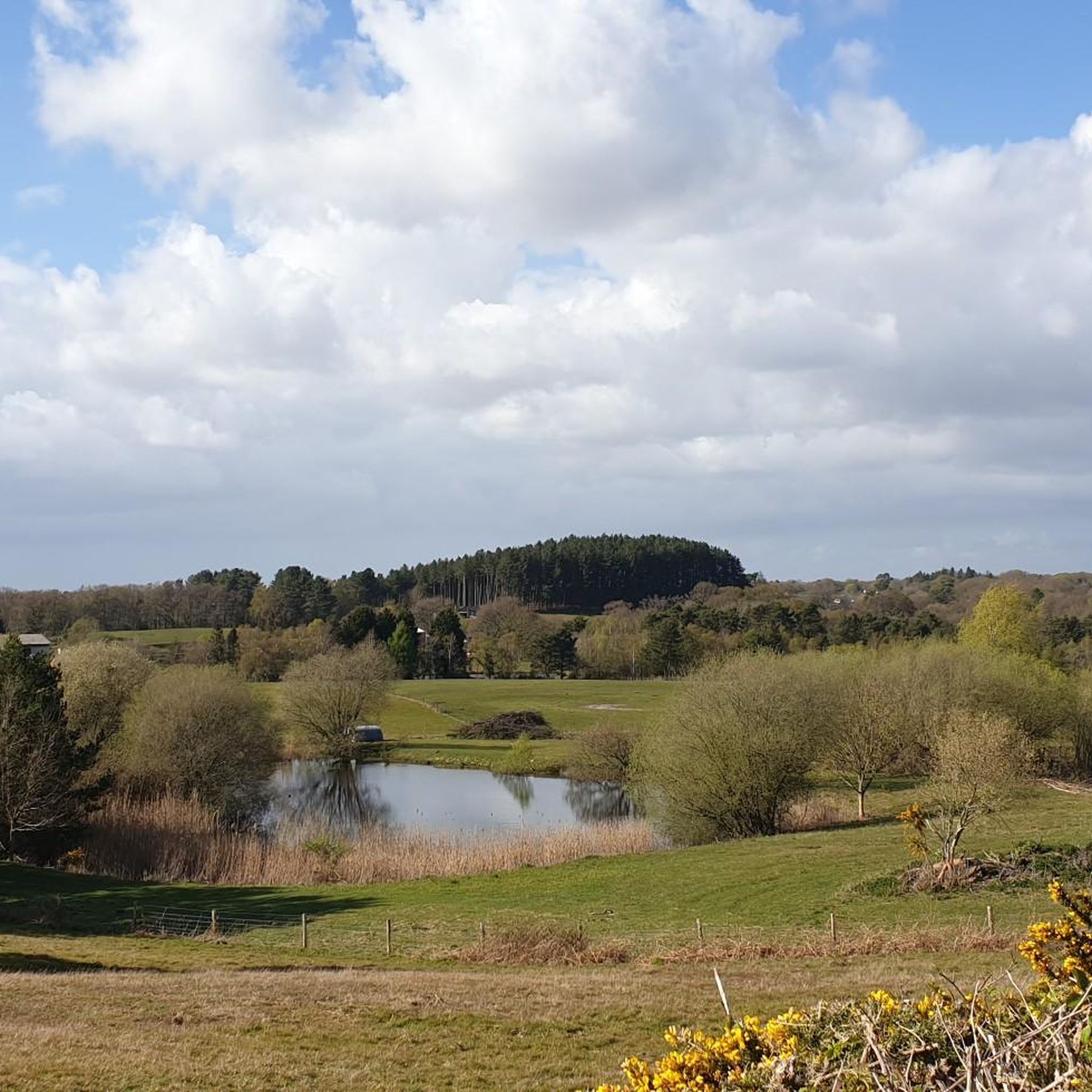
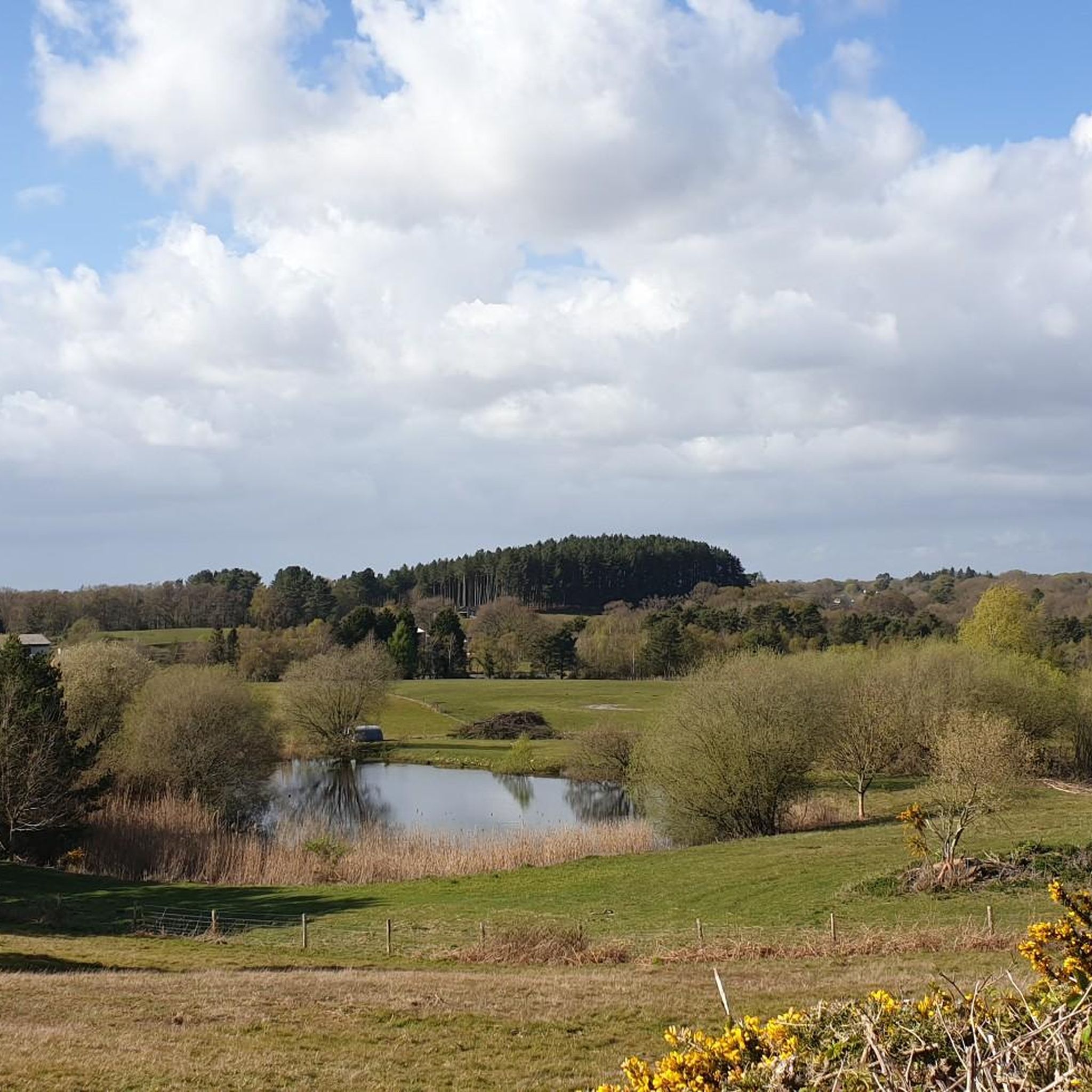
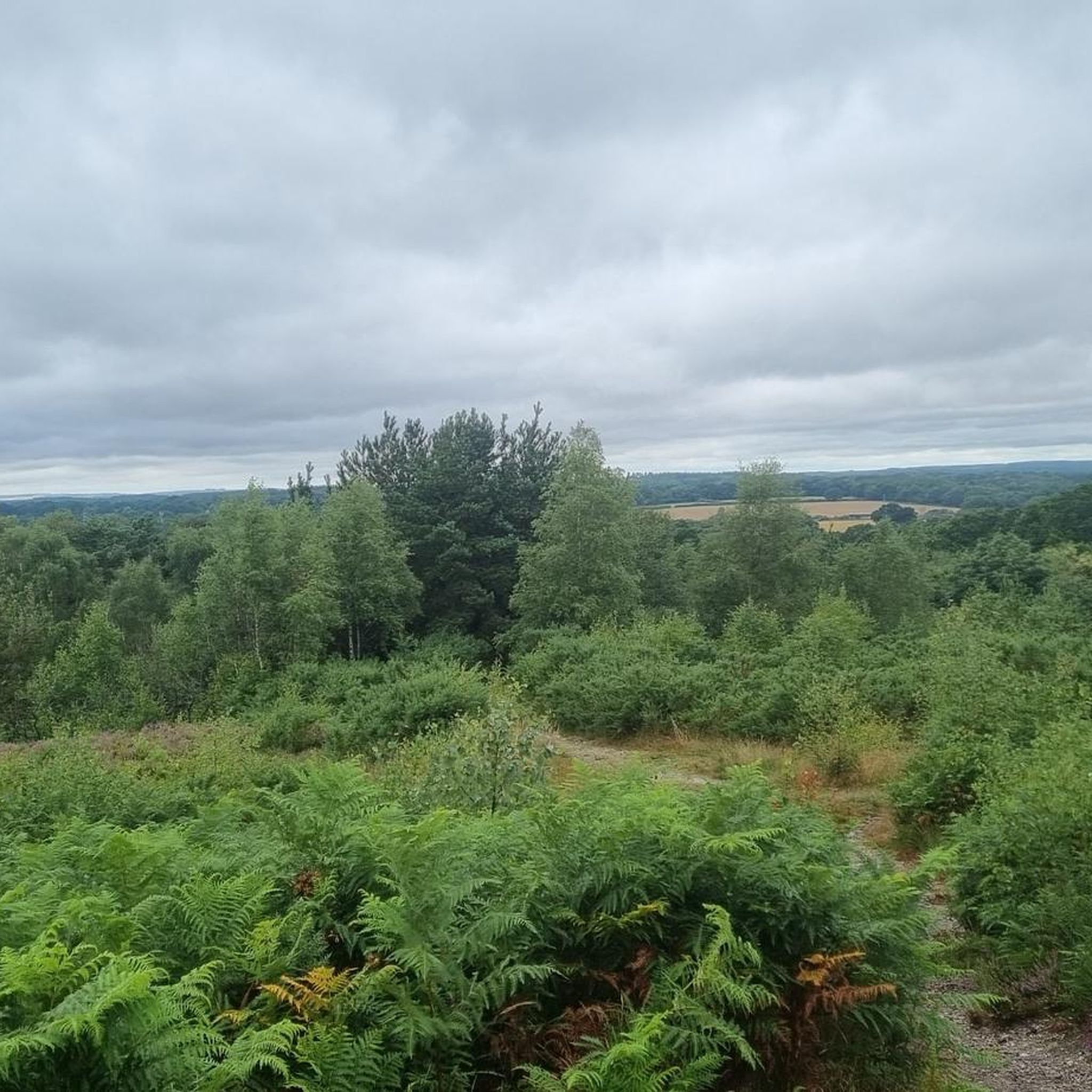
An ‘off the beaten track’ tranquil footpath through mixed woodland. Good path surface throughout.
1
0


Bokerley Dyke may have originated in the Bronze Age or Early Iron Age and formed a political and cultural boundary. It was cut through by a Roman Road (Ackling Dyke running between Old Sarum and Badbury Rings) in the 1st century.
0
0

Lovely little cafe with outdoor seating. Recommend the cheddar & chutney panini and Nutella milkshake!
0
0

This ancient earthwork lies on the Hampshire/Dorset Border, on the western edge of Martin Down. Estimates put the ditch's creation in the Bronze or Early Iron Age after which it was cut by the Romans to create one of their typically straight roads. Today, the ditch still forms part of the county border and offers plenty of wonderful hiking trails with vibrant wildlife.
2
0
Frequently Asked Questions
Are there many walking trails around Edmondsham?
Yes, there are over 300 hiking routes to explore around Edmondsham. The trails range from easy strolls through ancient woodlands to more challenging hikes across the rolling chalk downland of the Cranborne Chase Area of Outstanding Natural Beauty.
What do other hikers think of the trails in Edmondsham?
The area is highly rated by the komoot community, with an average score of 4.6 stars. Hikers often praise the well-maintained permissive paths on the Edmondsham Estate and the beautiful panoramic views from the hilltops.
Are there any easy, family-friendly walks?
Absolutely. The region offers over 150 easy hikes suitable for all fitness levels. Many routes follow gentle estate tracks and bridleways, making them ideal for a family outing through the Dorset countryside.
Can I bring my dog on hikes around Edmondsham?
Yes, many trails in the area are suitable for walking with a dog. However, you'll be crossing through farmland with livestock and areas with ground-nesting birds, so it's important to keep your dog on a lead and under close control.
Are there any good circular walks?
The area is perfect for circular hikes. A great example is the Wellingtons loop from Verwood. This moderate walk takes you through a mix of local fields and woods, offering a classic Dorset countryside experience.
Where can I find a challenging hike?
For a more strenuous day out, consider the Gussage Hill and Pentridge Hill loop. This difficult trail covers nearly 15 miles and rewards you with expansive views across the Cranborne Chase from the summits.
What are the 'permissive paths' on the Edmondsham Estate?
The Edmondsham Estate has created several new 'permissive paths', which are routes that the landowner has kindly given the public permission to use. These paths open up parts of the estate's private fields and woodlands, allowing for more varied and immersive walks.
Are there any historical sites to see on a walk?
Yes, many walks pass by significant historical landmarks. A popular destination is Cranborne Castle, the remains of a Norman motte and bailey castle on Castle Hill. You can also start or end a walk near the beautiful Tudor manor, Edmondsham House.
Where is the best place to park for a walk?
Many walks start from the village of Cranborne, where you can find on-street parking. For routes starting elsewhere, it's best to check the start point of your chosen komoot Tour for specific parking suggestions, as many trails begin in small lay-bys or rural car parks.
Can I get to the trails using public transport?
Accessing the trailheads by public transport can be challenging due to the rural nature of the area. The nearest main towns with better bus services are Wimborne and Ringwood. From there, you may need to use a local taxi service to reach the start of your walk.
Are there any pubs or cafes on the walking routes?
While the trails themselves are mostly rural, the nearby village of Cranborne offers pubs and cafes for refreshments before or after your hike. It's a good idea to plan your route to start or end there if you're looking for a meal or a drink.
What kind of scenery can I expect on a woodland walk?
The woodlands around Edmondsham are a key feature of the landscape, with some being remnants of the ancient Cranborne Chase hunting forest. You can expect to walk on shaded trails among stately ancient oaks, sycamores, and beech trees, with a rich variety of birdlife.
Most popular attractions around Edmondsham

Get inspired with the komoot mobile app


Explore more
Browse the best Hikes in other regions.
