Attractions and Places To See around Ferndown Town - Top 20
Best attractions and places to see around Ferndown Town include a mix of natural landscapes and cultural sites in East Dorset. The area features extensive woodlands, heathlands, and nature reserves, providing opportunities for outdoor activities. Ferndown Town also offers access to historical sites and recreational facilities, blending modern amenities with natural beauty. Its location provides a base for exploring both local points of interest and nearby cultural attractions.
Best attractions and places to see around Ferndown Town
- The most popular attractions is Castleman Trailway — gravel route from Ringwood, a cycle_way that follows a disused railway line. This route is suitable for cycling and walking, connecting to 3 country parks.
- Another must-see spot is Wimborne Minster and Chained Library, a religious_building and historical site. Visitors can explore the church, which dates back over 1300 years, and its rare chained library.
- Visitors also love Badbury Rings Iron Age hillfort, a viewpoint and historical site. This Iron Age hillfort features multiple ditches and ramparts, offering views of the surrounding area.
- Ferndown Town is known for its natural features, cultural sites, and recreational activities. The area offers a variety of attractions to see and explore, from heathlands to historical buildings.
- The attractions around Ferndown Town are appreciated by the komoot community, with 115 upvotes and 19 photos shared by visitors.
Last updated: August 16, 2026
Castleman Trailway — gravel route from Ringwood
Highlight • Cycleway
The trail runs for a distance of about 15 miles on a fairly flat path so it's a good ride for families or anyone looking for an easy, sheltered walk.
Tip by

Bournemouth Lower Gardens
Highlight • Parking
Packed with activities and particularly lovely in summer, these gardens have a raucous aviary, sub-tropical plants, mini-golf and food kiosks.
Tip by

Sign up now to discover places like this
Get recommendations on the best single tracks, peaks, & plenty of other exciting outdoor places.
Sign up for free
Wimborne Minster and Chained Library
Highlight • Religious Site
Tip by
Castleman Trailway
Highlight • Cycleway
Translated by Google •
Tip by
Moors Valley Forest Trails
Highlight • MTB Park
Tip by

Sign up for free to discover even more attractions around Ferndown Town.
Sign up for free
Already have an account?
Start today with a free account
Your next adventure awaits.
Login or Signup
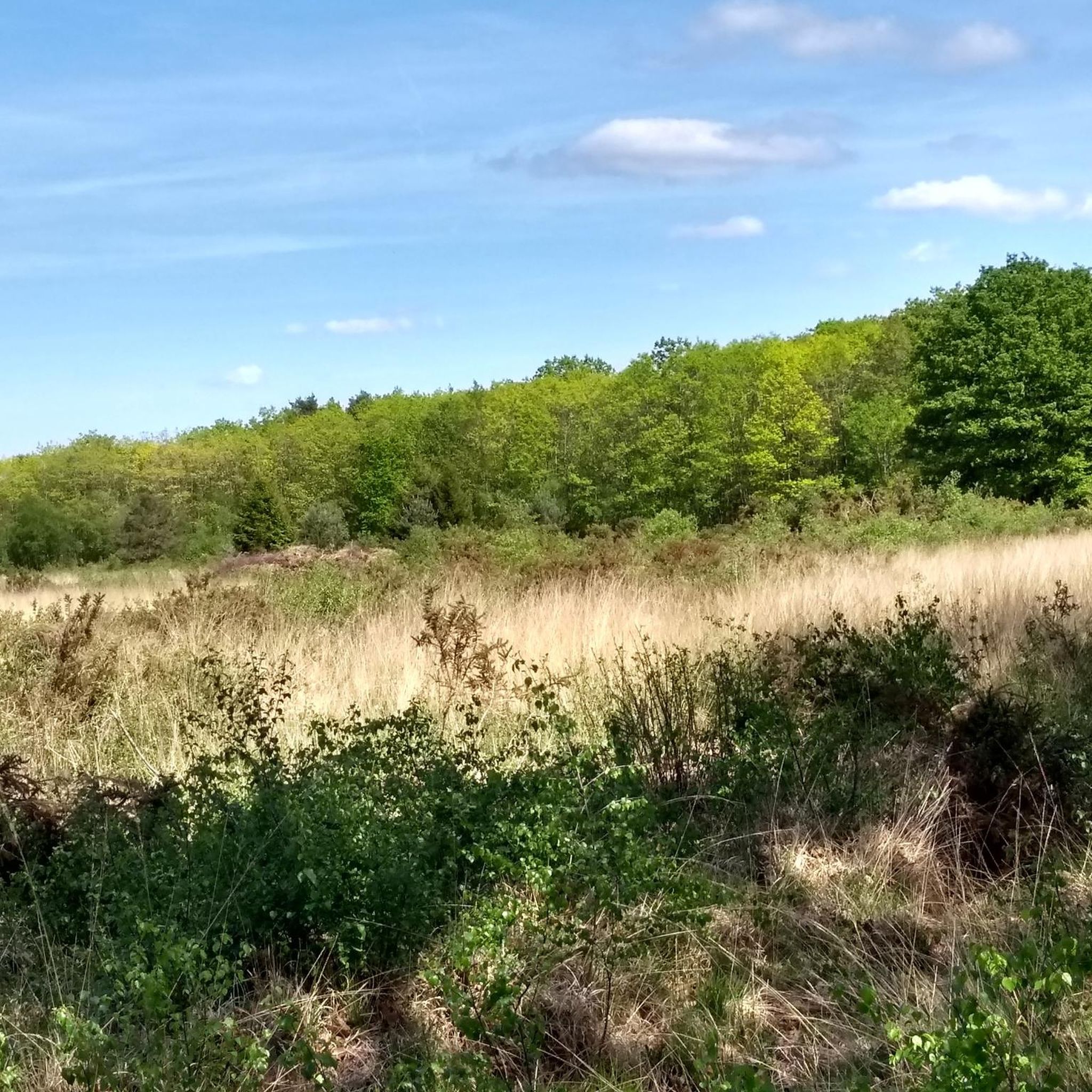
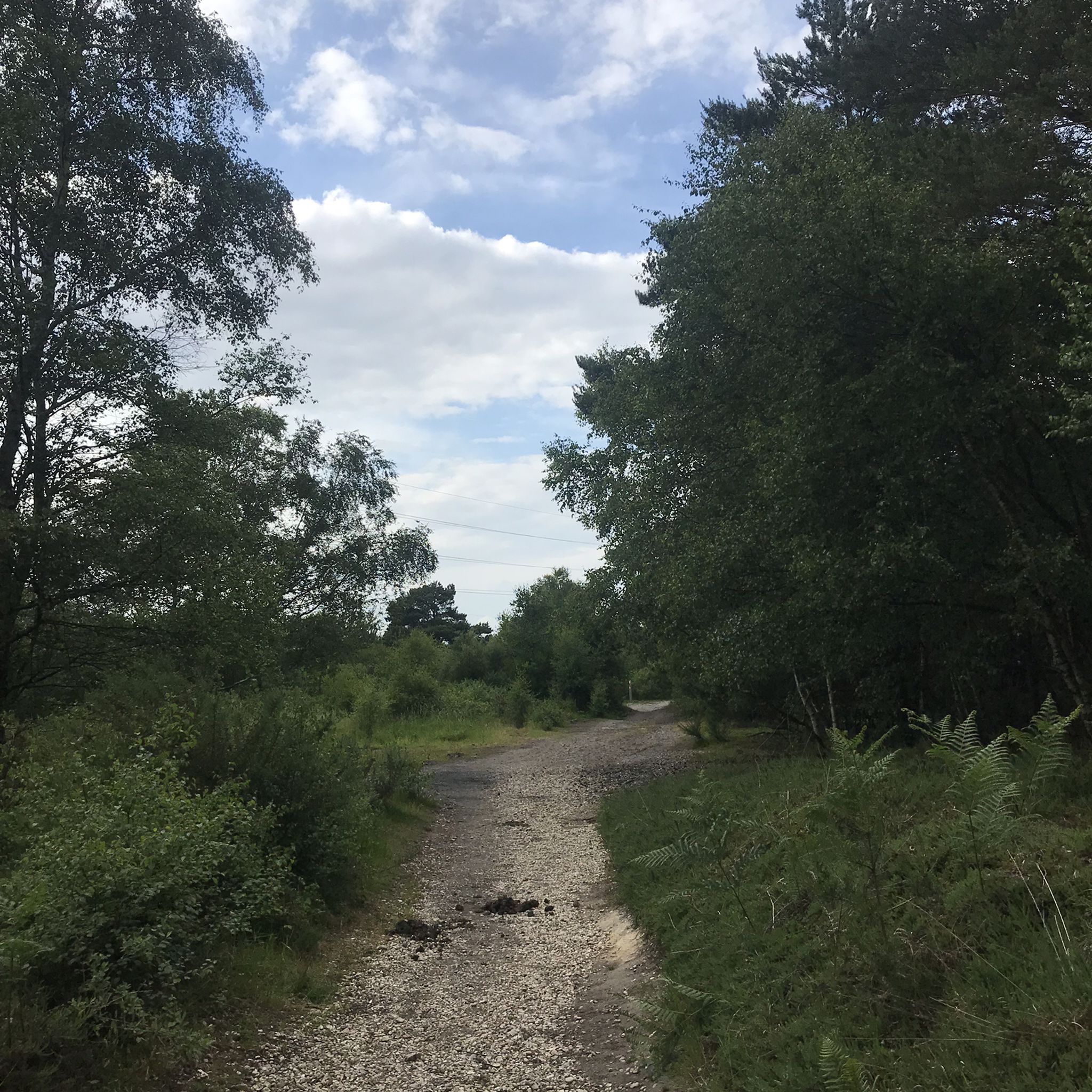
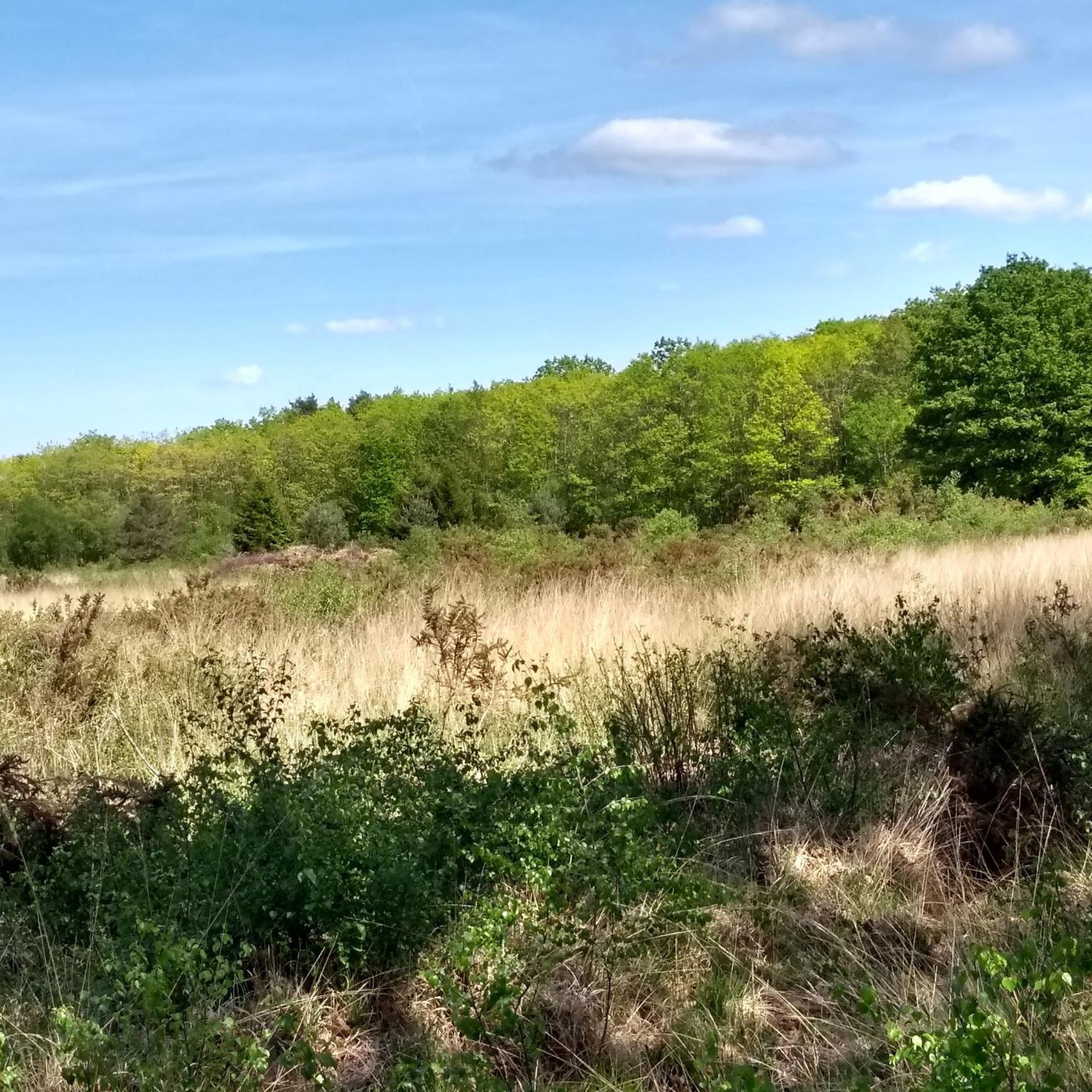
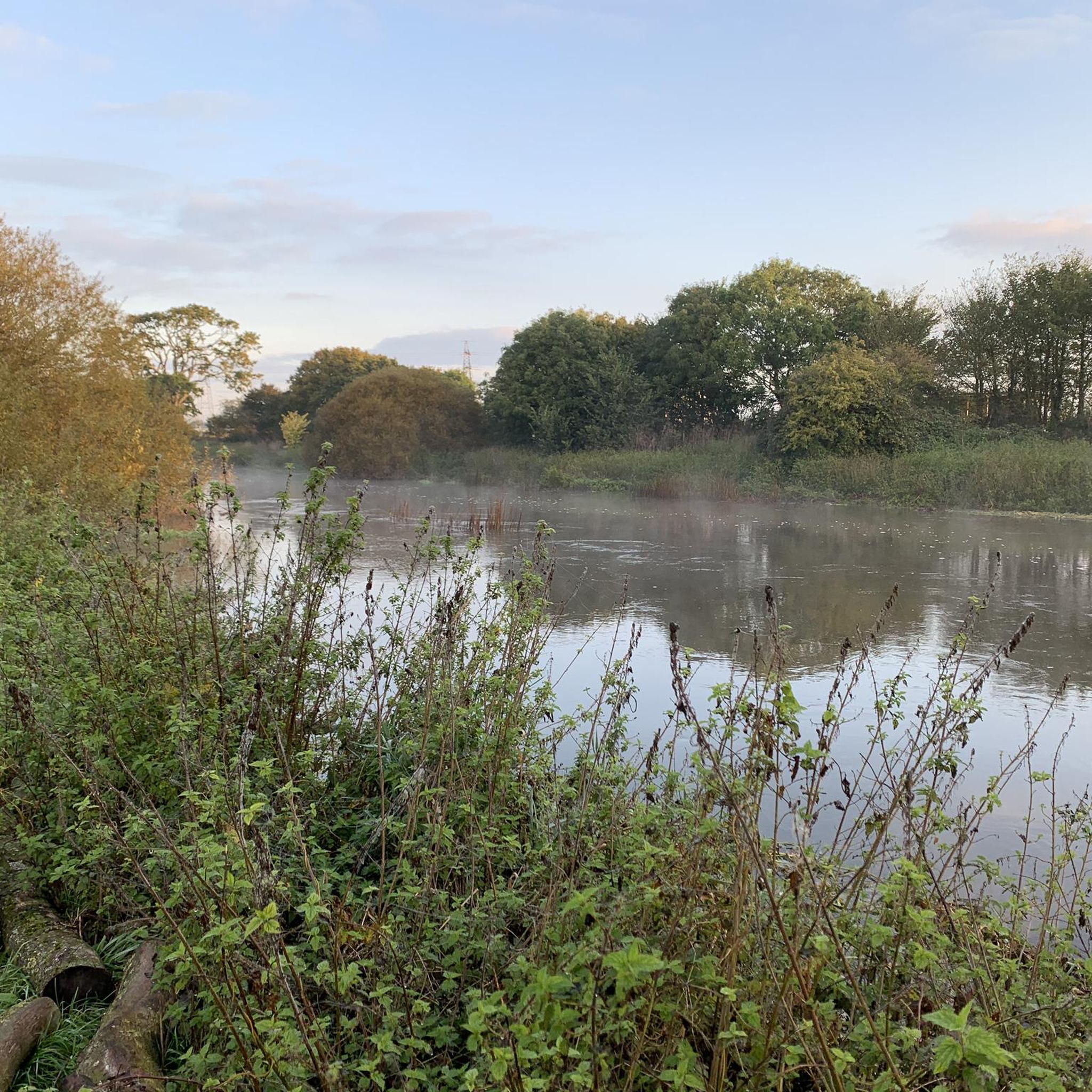

Tips from the Community

The Lower Gardens are a well-known park area in the center of Bournemouth. They extend from the city center towards the beach and offer spacious green areas, flower beds, and shaded walking paths. The park is a popular place for relaxation, picnics, and outdoor activities. Furthermore, events, markets, and seasonal attractions are regularly held there. With its well-kept landscape and central location, it is one of the city's most popular attractions.
1
0

Lovely place overall, but the visitor centre area can get very busy. We found the trails a bit tricky to locate at first—look out for the “dog wash area” and then the “bike hire” just after it; they’re good waypoints to find the trail access, which is to the right and slightly behind the visitor centre (when facing it from the car park). Also worth noting there’s free parking at Potterne Park, not far from the centre.
0
0

Nice wide pathways for a large section of this routes.
0
0

Great traffic free route for the whole family. Bit muddy at times
0
1

Unfortunately, I have to agree with Rona + Dad. Even during the day, the gangs and drug users were impossible to miss. The gardens are certainly beautiful in themselves, but I would think very carefully about how and, above all, when (!) I want to go there. Not an easy place, unfortunately.
2
0

Local’s opinion: NOT recommended, especially after dark! The lower gardens used to be lovely but in recent years the area’s sadly become a bit of a dive.
2
0

Bournemouth Gardens are Grade II listed gardens in the town of Bournemouth, Dorset, England. Created in the nineteenth century, the gardens follow the towns eponymous River Bourne three kilometres from the historic boundary with Poole south-eastwards into Bournemouth Town Centre. The Gardens are home to a number of significant Bournemouth landmarks and listed buildings such as; the Town Hall, the War Memorial, St. Andrew's Church and the Pavilion Theatre. Bournemouth Gardens have been Green Flag Award winners since 1999.
2
0
Wimborne Minster is the parish church of Wimborne, Dorset, England. The minster has existed for over 1300 years and is recognised for its unusual chained library (one of only a few surviving chained libraries in the world). The minster is a former monastery and Benedictine nunnery, and King Æthelred of Wessex is buried there. The Chained library is located upstairs, up a very windy stone staircase. No lifts to it. Until it was confiscated during Henry VIII's reign, the old Treasury held the wealth of the minster and numerous artefacts such as (reputed to be) a piece of the true cross, wood from the Manger and cloth from the Shroud. Since 1686 it has housed an important chained library. The chained library was one of the first public libraries in the UK, and it remains the second-largest. Some of the collections of the library include a manuscript written on lambskin in 1343, a book bound for the Court of Henry VIII, an incunabulum printed in 1495 on the works of Saint Anselm, and a Paraphrase of Erasmus printed in 1522 with a title page designed by Holbein. The library is run by volunteers and remains open to the public on week days 10.30-12.30 & 2-4 (closed in winter season). The Bells Since 1911 the west tower at the minster has been home to a ring of ten bells. The original tenor bell was housed in the central tower and was cast in 1385. The central tower was considered too structurally weak to add much more additional weight, so in 1464 the west tower was constructed in order to house five bells. In 1629 the tenor bell was recast. Besides the tenor, the minster at this time was home to the 'Bell of St. Cuthburga', 'The Fyfer Bell', 'The Jesus Bell' and 'The Morrow Mass Bell'; presumably all housed in the west tower. In 2012, the bells were augmented to 12 by Whitechapel Bell Foundry, with an additional semitone bell cast to make a total of 13 bells. Tombs The most important tomb in the church is that of King Ethelred, the brother of Alfred the Great. Ethelred was mortally wounded in a battle at Martin, near Cranborne. The exact location of the tomb however is unknown, though sources and legend indicate that it resides somewhere near the altar.
0
0
Frequently Asked Questions
What are the best outdoor activities to do around Ferndown Town?
Ferndown Town is surrounded by excellent options for outdoor enthusiasts. You can explore the Castleman Trailway, a disused railway line perfect for cycling, walking, and horse riding, connecting to several country parks. Nearby, Moors Valley Country Park and Forest offers extensive walks, cycle routes, and adventure play areas. For a more tranquil experience, visit Knoll Gardens or the internationally important Ferndown Common heathland.
Are there any historical sites or cultural attractions near Ferndown Town?
Yes, the area boasts several historical and cultural sites. A must-see is Wimborne Minster and Chained Library, a church dating back over 1300 years with a rare chained library. You can also visit Badbury Rings Iron Age hillfort, offering historical insights and panoramic views. In Wimborne Minster, explore the Model Town or the Museum of East Dorset.
What family-friendly attractions are available around Ferndown Town?
Families have plenty to enjoy. The Castleman Trailway is ideal for family walks and bike rides. Moors Valley Country Park and Forest features adventure play areas, a narrow-gauge steam train, and Go Ape. King George V Playing Fields in Ferndown offers a large playground, and nearby Adventure Wonderland provides an Alice in Wonderland-themed park with rides.
Where can I go for a walk or hike near Ferndown Town?
There are numerous walking opportunities. Besides the Castleman Trailway, you can explore woodlands and heathlands like Ferndown Forest, Uddens Plantation, and Holt Heath National Nature Reserve. Longham Lakes also provide scenic footpaths. For more detailed routes, check out the Hiking around Ferndown Town guide.
Are there any dog-friendly walks or attractions in the area?
Many of the natural areas around Ferndown Town are suitable for dogs. The Castleman Trailway is a great option for walks with your canine companion. Heathlands like Ferndown Common and Holt Heath National Nature Reserve also welcome dogs, though always check local signage for specific rules, especially regarding wildlife protection.
What natural features or green spaces can I explore in Ferndown?
Ferndown is rich in natural beauty. You can visit Knoll Gardens, known for its diverse plant collection, or explore the local woodlands and heathlands such as Ferndown Forest, Uddens Plantation, and the internationally important Ferndown Common. Holt Heath National Nature Reserve is another significant area for walking and birdwatching, especially beautiful when the heather blooms in summer.
What cycling routes are available around Ferndown Town?
Cyclists can enjoy the Castleman Trailway, a relatively flat gravel route suitable for families and leisure rides. For more varied terrain, Moors Valley Country Park and Forest offers dedicated cycle routes. You can find more options in the Road Cycling Routes around Ferndown Town and MTB Trails around Ferndown Town guides.
Are there any golf courses near Ferndown Town?
Yes, golf enthusiasts have several excellent choices. Ferndown Golf Club is highly regarded, often ranked among the top courses globally. Other options include Dudsbury Golf Club, which also features a hotel and spa, and Ferndown Forest Golf Course, offering an 18-hole pay-and-play course and a Toptracer Driving Range.
What is the best time of year to visit attractions around Ferndown Town?
The best time to visit largely depends on your interests. Spring and summer (April to September) are ideal for enjoying the natural beauty of the heathlands and gardens, with heather blooming in summer. Outdoor activities like walking and cycling are pleasant during these months. Historical sites and indoor attractions like Wimborne Minster are accessible year-round.
What do visitors enjoy most about the attractions around Ferndown Town?
Visitors frequently praise the diverse natural landscapes, from the easy-to-navigate Castleman Trailway to the expansive Moors Valley Country Park. The historical significance of sites like Wimborne Minster and Badbury Rings is also highly appreciated, offering a blend of outdoor activity and cultural exploration.
Are there any accessible trails or attractions for wheelchair users near Ferndown?
While specific wheelchair-accessible trails are not detailed for all locations, the Castleman Trailway, being a disused railway line, generally offers a relatively flat and wide path, which can be suitable for some wheelchair users. It's always recommended to check specific sections or contact individual attractions like Moors Valley Country Park for their accessibility provisions.
Most popular routes around Ferndown Town
Most popular attractions around Ferndown Town

Get inspired with the komoot mobile app


Explore more
Still not found the Highlight you’re looking for? See guides of the top attractions in other regions:
