The best running trails around Pamphill
4.7
(21)
2,406
runners
20
runs
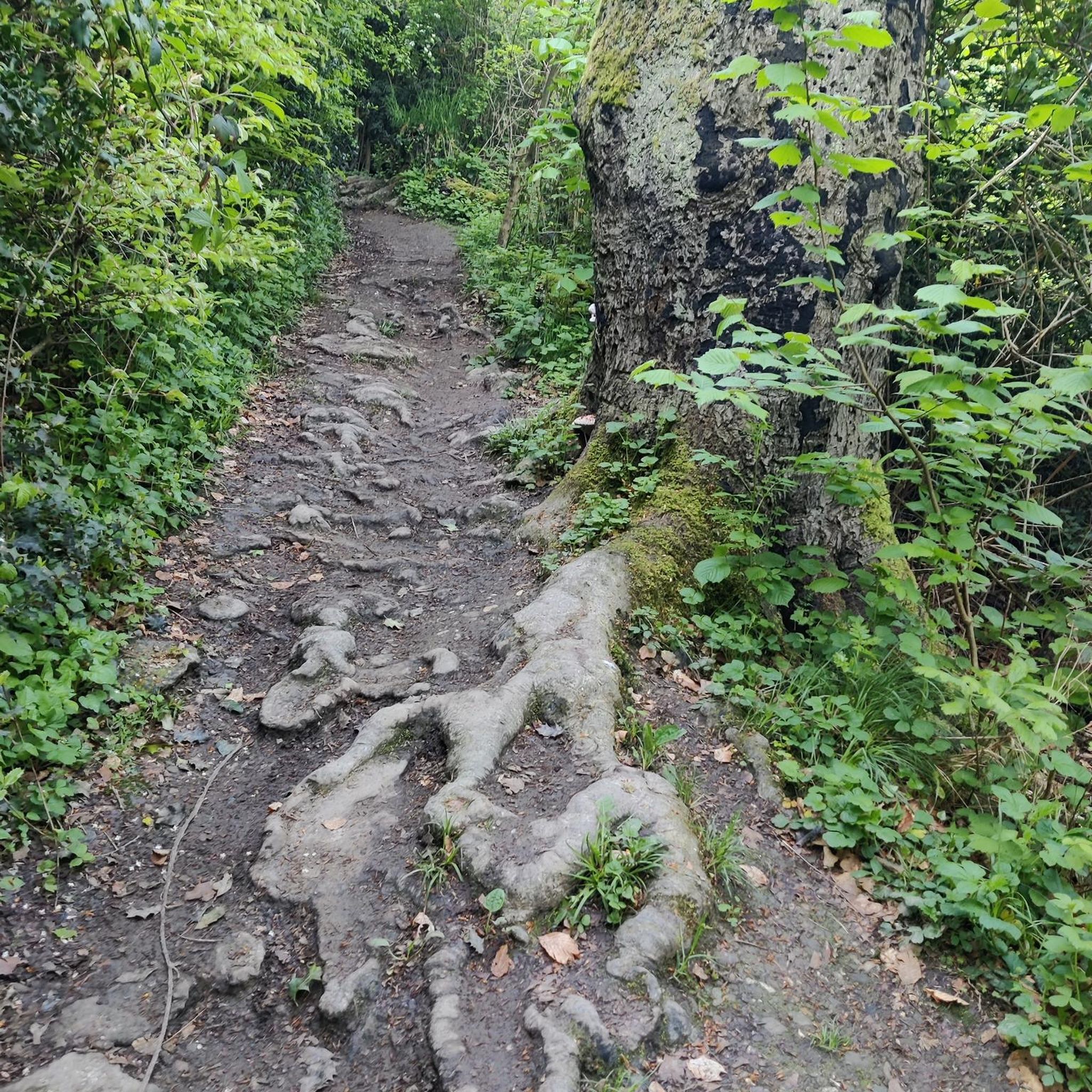
Jogging routes around Pamphill offer diverse terrain within the Cranborne Chase Area of Outstanding Natural Beauty. The region features ancient woodlands, rolling hills, and the tranquil River Stour Valley. Runners can expect a mix of grass and gravel tracks, with undulating paths providing easy ascents and descents. This varied landscape makes Pamphill a suitable destination for different running preferences and fitness levels.
Best jogging routes around Pamphill
- The most popular jogging route is The Hardy Way and Badbury Rings Loop, an 8.0 miles (12.9 km) trail that takes 1 hour 24 minutes to complete. This route explores the historic Badbury Rings, an Iron Age hill fort.
- Another top favourite among local runners is Shapwick Village Centre – Kingston Lacy loop from Wimborne Minster, a difficult 10.7 miles (17.2 km) path. This route connects through the expansive Kingston Lacy estate, offering scenic woodland sections.
- Local runners also love the Kingston Lacy – Kingston Lacy Woodland loop from Pamphill, a 3.0 miles (4.8 km) trail leading through woodlands and parkland, often completed in about 31 minutes.
- Jogging around Pamphill is defined by ancient woodlands, the River Stour Valley, and historical features like Badbury Rings. The network offers options for different ability levels, from easy loops to more challenging long-distance runs.
- The routes in Pamphill are highly rated by the komoot community with an average score of 4.7 stars from more than 16 reviews. More than 2,400 runners have used komoot to explore Pamphill's varied terrain.
Last updated: June 23, 2026
4.0
(1)
7
runners
12.9km
01:24
120m
120m
Embark on a moderate jogging route through the expansive Dorset countryside with The Hardy Way and Badbury Rings Loop. This 8.0-mile (12.9 km) journey, which you can complete in about 1 hour and 24 minutes, offers a varied experience with generally undulating terrain. As you jog, you will gain 388 feet (118 metres) in elevation, passing through woodlands where you might spot diverse wildlife like skylarks. The highlight is undoubtedly the Badbury Rings Iron Age hillfort, with its distinctive three rings providing a glimpse into ancient history. You will also pass by the notable Kingston Lacy estate, adding to the scenic and historical appeal of your run.
Before you set out, be aware that the area around Badbury Rings is managed by the National Trust; it is wise to check their guidelines for visitors. The paths can sometimes become muddy, especially after rainfall, so be sure to wear appropriate footwear to ensure a comfortable experience. While specific parking details are not provided for this exact route, many trails in the vicinity often begin from places like Kingston Lacy, suggesting parking options are available there or nearby. Planning your visit during drier periods might enhance your enjoyment of the trail.
This route stands out for its unique blend of natural beauty and historical significance, tracing parts of the famous Hardy Way. The Badbury Rings hillfort itself is a remarkable example of an Iron Age defensive structure, offering panoramic views that stretch across the landscape. Beyond the ancient earthworks, the trail introduces you to the rich biodiversity of the local woodlands, making it a rewarding experience for those who appreciate both history and nature. It is a perfect choice if you are looking for a moderate workout combined with cultural exploration in the heart of Dorset.
3.7
(3)
98
runners
17.2km
01:48
100m
100m
Hard run. Very good fitness required. Mostly paved surfaces. Suitable for all skill levels.

Sign up for free
27
runners
4.78km
00:31
30m
30m
Easy run. Great for any fitness level. Mostly paved surfaces. Suitable for all skill levels.
23
runners
Moderate run. Good fitness required. Mostly paved surfaces. Suitable for all skill levels.
5.0
(1)
18
runners
Moderate run. Good fitness required. Mostly paved surfaces. Suitable for all skill levels.
Get access to more routes and recommendations from other explorers.
Sign up for free
Already have an account?
Our route recommendations are based on thousands of hikes, rides, and runs completed by other people on komoot.
Start today with a free account
Your next adventure awaits.
Login or Signup
Tips from the Community


Old Roman rd dating 43 AD to 409 AD. Excavations on the line of the Dorchester road at Crab Farm revealed that it was above and therefore later than the filling of the three fortification ditches dating to the later 2nd century. Finds of coins above the road metalling were 3rd- 4th century in date. The Bath and Hamworthy roads are probably 1st or 2nd century in date. An earlier route to Old Sarum branches from the Bath and Hamworthy roads and is partly followed by the east boundary of the Batts Bed field. This was one of the key route centres of Roman Dorset, even more so if the Shapwick/ Pamphill parish boundary proves to be on the line of a road to Hod Hill and Ilchester. Apart from Dorchester there are no other crossroads like this in Dorset and because it is not occupied by a town it is often used in text books as an example of the Roman communications network.
0
0
White Mill is an 18th-century water powered corn mill near Sturminster Marshall in Dorset on the River Stour which is in the care of the National Trust. The first record of a mill on the site is from Domesday Book; the current watermill was rebuilt in 1776 and extensively repaired in 1994. It still retains its original elm and applewood machinery though this can no longer be used. The mill and house are both built of brick with tiled roofs. The mill house has two stories whist the mill has three with an attic. The house has a single story lean-to extension and a timber porch. The machinery and mill stones remain but the two water wheels are no longer present. The present mill is thought to be on the site of an earlier one, probably one of those mentioned in Domesday Book. The current mill was rebuilt in 1776 on older foundations. The tenancy of the mill was the held by successive members of the Joyce family. The mill worked under water power until 1866 when a severe winter flood caused damage that was deemed beyond economic repair. The miller at the time was also a baker and he converted half of the mill to run from a portable steam engine to supply his bakery with flour. The last miller retired at the end of the 19th-century and the mill was not used again
1
0
Shapwick is a village and civil parish in east Dorset, England, situated on the River Stour five miles south-east of Blandford Forum and eight miles north of Poole. The village has a population of around 200 people, 9 dogs, 12 cats and 3 sheep, and an angry squirrel named Dennis. In Roman times there was a Roman Fort at Crab Farm, between Shapwick and Badbury Rings. Just to the west of the fort was a small Romano-British town, believed to be that listed in the Antonine Itinerary as Vindocladia.
0
0
Badbury Rings is an Iron Age hill fort and Scheduled Monument in east Dorset, England. In the Roman era a temple was located immediately west of the fort, and there was a Romano-British town known as Vindocladia ( Known today as Shapwick ) a short distance to the south-west. It sits over 300 feet above sea level, and there are two main phases of construction; the first covered 18 acres and was defended by multiple ditches, while the second was more than twice the size, covering 41 acres and defended by a single ditch and rampart. These ramparts make for great walking, but imagine the terror of trying to scale one whilst under attack from the occupants. Once you'd scaled one, there were more waiting for you. No wonder it was the last fort to be sacked by the Romans. Wonder just how many soldiers died trying to take it. Until 1983 Badbury Rings was privately owned as part of the Kingston Lacy estate, and the owners discouraged investigation of the site.[2] The site now belongs to the National Trust.[2] A survey of the hillfort by the RCHME was begun in 1993. The summit area was cleared of undergrowth by the National Trust in 1997 and the conifer plantation was thinned out. A survey in 1998, which recorded 28 potential hut sites within the ramparts, although some depressions are probably caused by uprooted trees. The first excavations, led by Martin Papworth, took place in 2004, when three evaluation trenches were dug. Almost all of the pottery found was dated to the Late Iron Age. The current evidence does not suggest that the hillfort was a principal settlement in the Early Iron Age. It seems likely that the hillfort became depopulated towards the end of the Late Iron Age, perhaps as the Vindocladia settlement near Shapwick developed.
1
0
Eye Bridge in Wimborne is on the River Stour. It has plenty of parking right next to the river, however, it can quickly fill up on a summers weekend. Eyebridge is a lovely spot to Paddleboard, you can head up stream for a good 5+ miles and there’s also a pub stop off at the end (Coventry Arms) if you fancy it.
0
0
Frequently Asked Questions
How many running routes are available in Pamphill?
Pamphill offers a good selection of running routes, with over 20 different trails to explore. These routes cater to various fitness levels, ranging from easy loops to more challenging long-distance runs.
Are there easy running routes suitable for beginners or families?
Yes, Pamphill has several easy running routes. For instance, the Kingston Lacy – Kingston Lacy Woodland loop from Pamphill is an easy 3-mile trail that takes about 30 minutes to complete, perfect for a gentle run through woodlands and parkland. There are 5 easy routes in total.
Can I find running trails with historical landmarks or interesting sights?
Absolutely. Pamphill's running routes often pass by significant historical sites. You can explore the ancient earthworks of Badbury Rings Iron Age hillfort, or discover the unique Knowlton Church and Neolithic Henge. The area also features historical footpaths like All Fools Lane, offering a distinctive experience beneath a canopy of trees.
Are there any circular running routes in Pamphill?
Many of the running paths in Pamphill are designed as circular routes, allowing you to start and finish in the same location. For example, the Kingston Lacy loop from Wimborne Minster is a moderate 4.2-mile circular trail that takes you through the scenic Kingston Lacy estate.
What kind of terrain can I expect on Pamphill's running trails?
The terrain in Pamphill is quite varied, offering a mix of grass, gravel tracks, and undulating paths. You'll encounter easy ascents and descents, particularly around the rolling hills and ancient woodlands. Some routes, like 'All Fools Lane,' are described as 'green ways' cut deep into the landform, providing a unique running surface.
Are the running trails in Pamphill dog-friendly?
Pamphill is generally a very dog-friendly area, with many public footpaths and permissive paths through woodlands and open spaces. While specific routes may have local restrictions, the expansive Kingston Lacy Park and various common lands offer great opportunities for running with your dog. Always keep dogs under control, especially near livestock or wildlife.
What do other runners say about the routes in Pamphill?
The running routes in Pamphill are highly regarded by the komoot community, boasting an average rating of 4.7 stars from over 16 reviews. Runners often praise the diverse terrain, the beauty of the ancient woodlands, and the historical points of interest like Badbury Rings that make each run unique and engaging.
Are there options for longer, more challenging runs in Pamphill?
Yes, for those seeking a greater challenge, Pamphill offers several longer and more difficult routes. The Roman Road to Old Sarum – Silky Smooth Gravel Road loop from Pamphill is a moderate 5.4-mile route with a good amount of elevation gain, providing a more strenuous workout. There are 2 difficult routes available in the area.
Are there any routes that offer scenic viewpoints?
Yes, several routes provide excellent viewpoints. Badbury Rings Iron Age hillfort, for example, sits over 300 feet above sea level and offers panoramic views of the surrounding landscape, combining historical exploration with stunning vistas.
What are the best times of year to go running in Pamphill?
Pamphill is beautiful year-round, but spring is particularly enchanting with bluebells blooming in ancient woodlands like Abbott Street Copse. Autumn offers vibrant foliage, especially in the beech plantations around Kingston Lacy Park. Summer provides lush greenery, while winter runs can be crisp and quiet, though some paths may become muddy after heavy rain.
Are there any routes that might be particularly muddy after rain?
Given Pamphill's varied terrain, which includes natural earth paths and woodland trails, some routes can become muddy after significant rainfall. Areas within ancient woodlands and along the River Stour Valley are more prone to muddy conditions. It's always advisable to wear appropriate footwear and check local conditions if running after wet weather.
Are there any unique natural features to look out for while running?
Pamphill is rich in natural beauty. Keep an eye out for the diverse tree species, from prominent beeches around Kingston Lacy to oaks near Pamphill itself. The tranquil River Stour Valley offers serene views and opportunities for birdwatching, while ancient woodlands like Abbott Street Copse are known for their stunning bluebell displays in spring.
Most popular routes around Pamphill
Most popular attractions around Pamphill

Get inspired with the komoot mobile app


Explore more
Browse the best Running Trails & Routes in other regions.
