The best cycling routes around Iwerne Stepleton
4.6
(126)
1,725
riders
164
rides
Touring cycling around Iwerne Stepleton is characterized by its varied terrain, encompassing gentle river valleys and undulating parkland. The area's chalk soil provides well-drained paths, suitable for cycling in diverse conditions. Cyclists can explore routes along the River Iwerne, or venture towards the more challenging ascents of nearby hills like Hambledon Hill and the Cranborne Chase. This landscape offers a mix of flat, scenic rides and more strenuous climbs.
Best touring cycling routes around Iwerne Stepleton
- The most popular touring cycling route is Hod Hill Entrance – Durweston Mill loop from Durweston, a 26.1 miles (42.1 km) trail that takes 2 hours 38 minutes to complete. This moderate route offers varied terrain near the historic Hod Hill.
- Another top favourite among local touring cyclists is Durweston Mill – North Dorset Trailway loop from Stourpaine, an easy 7.2 miles (11.6 km) path. This route utilizes sections of the North Dorset Trailway, providing a relatively flat and accessible cycling experience.
- Local touring cyclists also love the Gold Hill Organic Farm Café – Pig Pen Paradise loop from North Dorset, a 14.0 miles (22.5 km) trail leading through the rural landscapes of North Dorset, often completed in about 1 hour 28 minutes.
- Touring cycling around Iwerne Stepleton is defined by river valleys, undulating parkland, and chalk hills. The network offers options for different ability levels, from easy, flat paths to more challenging climbs.
- The routes in Iwerne Stepleton are highly rated by the komoot community with an average score of 4.6 stars from over 120 reviews. More than 1,700 touring cyclists have used komoot to explore Iwerne Stepleton's varied terrain.
Last updated: May 14, 2026
23
riders
42.1km
02:38
330m
330m
Moderate bike ride. Good fitness required. Mostly paved surfaces. Suitable for all skill levels.
26
riders
11.6km
00:41
70m
70m
Easy bike ride. Great for any fitness level. Mostly paved surfaces. Suitable for all skill levels.

Sign up for free
4.0
(2)
12
riders
22.4km
01:27
130m
130m
Easy bike ride. Great for any fitness level. Mostly paved surfaces. Suitable for all skill levels.
17
riders
Easy bike ride. Great for any fitness level. Mostly paved surfaces. Suitable for all skill levels.
3.0
(1)
5
riders
40.5km
02:39
450m
450m
Moderate bike ride. Good fitness required. Mostly paved surfaces. Suitable for all skill levels.
Get access to more routes and recommendations from other explorers.
Sign up for free
Already have an account?
Our route recommendations are based on thousands of hikes, rides, and runs completed by other people on komoot.
Start today with a free account
Your next adventure awaits.
Login or Signup

Tips from the Community

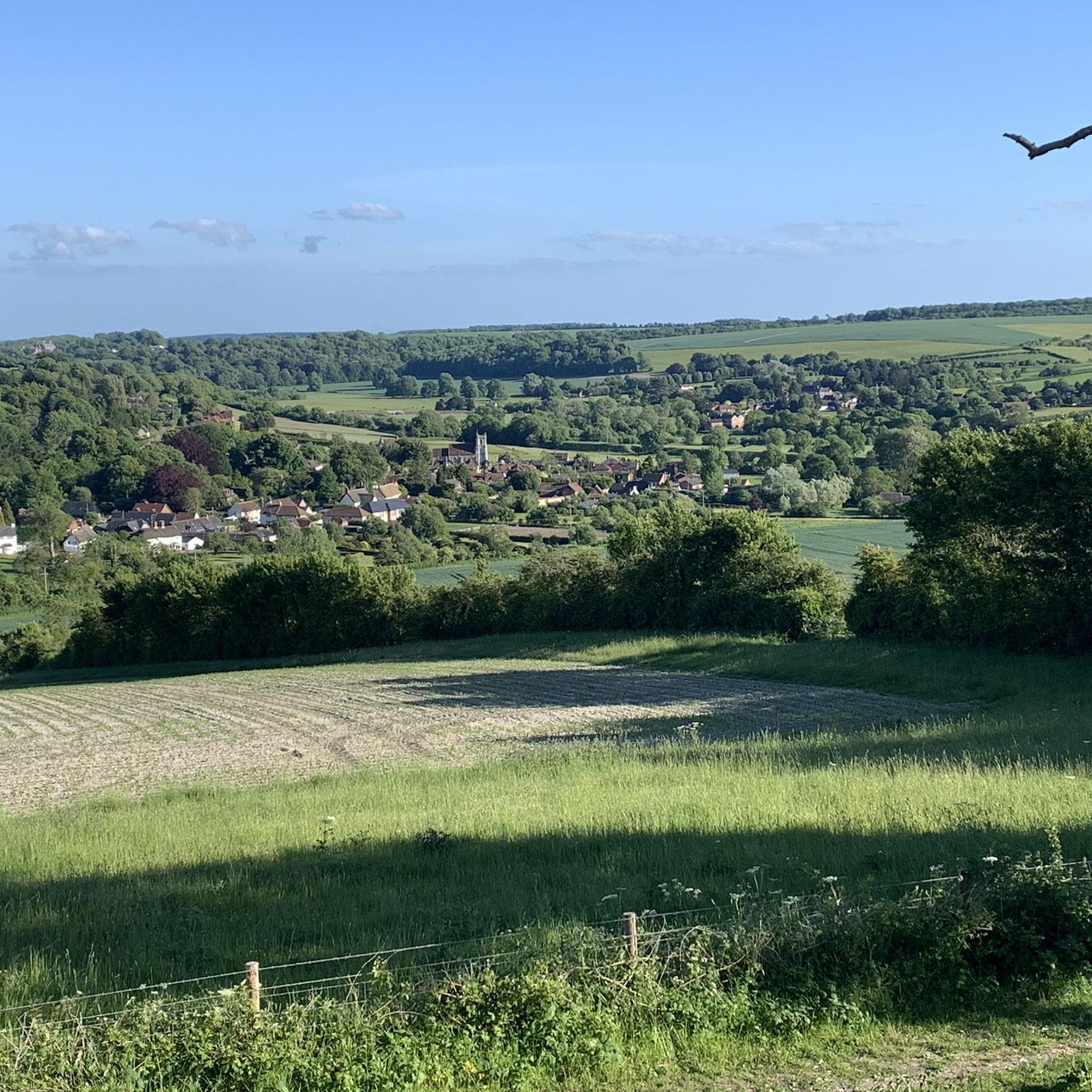
Pig pens all along the side of road, so many little piglets!!!
1
0
Architectural Features: Chancel: Features single-stage angle-buttresses at the northeast and southeast corners. The east window is a well-proportioned 13th-century design with modern glass. There's a narrow 13th-century doorway in the north wall. Nave: Retains its original late 12th or early 13th-century north wall. It has 15th-century windows and a notable timber roof from the mid-15th century or later, supported by three trusses with moulded principals and tie-beams, decorated with wooden foliate bosses. Font: A 14th-century octagonal bowl on a modern plinth. Pulpit: Dates from 1635 and is an assembly of oak panels with incised ornamentation. Reredos: A late 14th or early 15th-century stone reredos depicting the Crucifixion with figures of saints. It was acquired in 1945. Porch: Added in the 16th century, constructed with Corallian limestone rubble walls and Shaftesbury Sandstone quoins.
0
0
17th Century: A pulpit from 1635 is a notable feature. 19th Century Restorations: The chancel arch was rebuilt and the nave extended to the west in 1885. A wooden belfry was also added in 1885. A more extensive restoration took place in 1896, costing £900. Building Materials: The church incorporates various local Dorset building stones, including Shaftesbury Sandstone, Corallian limestone from Marnhull, and Forest Marble.
0
0
History and Development: Foundation: The church was founded in the 13th century, with the first recorded Rector in 1297. Early Construction: The north wall of the nave, likely from the late 12th or early 13th century, is the oldest surviving part. It was originally an aisleless, two-compartment building. 13th Century Expansion: Around the mid-13th century, the chancel was rebuilt on a larger scale. A project to build a larger nave was started, with the south wall being built, but it was not completed to match the chancel's axis. 15th Century Additions: In the 15th century, new windows were added to the old north wall, and the nave was re-roofed.
0
0
The Church of St Paul in Hammoon, Dorset, is a charming and historically significant parish church, notable for its age and architectural features. It is a Grade I listed building, signifying its exceptional architectural and historic interest. Here's a breakdown of what makes St Paul's Church, Hammoon, special:
0
0


Using the power of moving water to drive a mill wheel is an ancient invention of the human spirit of discovery, the origins of which can be traced back to times long past. Thanks to such a construction, a watercourse - natural or artificial - could simply replace human or animal muscle power with the power of the natural elements, for example to grind grain into corn or to press oil from fruit. There are essentially two different ways of driving watermills: * Either the flowing water simply hits the blades of the water wheel from below to set it in motion; or * the water is guided - usually through a so-called "mill channel" - above the wheel and falls onto the blades; this type of construction is more efficient due to natural gravity.
0
0
Frequently Asked Questions
How many touring cycling routes are available around Iwerne Stepleton?
There are over 160 touring cycling routes in the Iwerne Stepleton area, offering a wide range of options for different skill levels and preferences. The komoot community has rated these routes highly, with an average score of 4.6 stars.
What kind of terrain can I expect when touring cycling in Iwerne Stepleton?
The terrain around Iwerne Stepleton is quite varied. You'll find gentle routes along the scenic River Iwerne valley and through undulating parkland. The area's chalk soil ensures well-drained paths, which is beneficial in various weather conditions. For those seeking more challenge, there are routes that venture towards the significant climbs of nearby hills like Hambledon Hill and the Cranborne Chase.
Are there easy touring cycling routes suitable for beginners or families?
Yes, there are 28 easy touring cycling routes around Iwerne Stepleton. A great option for a relaxed ride is the Durweston Mill – North Dorset Trailway loop from Stourpaine, which is 7.2 miles (11.6 km) long and utilizes sections of the relatively flat North Dorset Trailway.
Where can I find more challenging touring cycling routes in the area?
For more challenging rides, explore the 46 difficult routes available. These often include ascents into the hills surrounding Iwerne Stepleton, such as those leading towards Hambledon Hill or the Cranborne Chase, offering more strenuous climbs and expansive views. The Gold Hill Organic Farm Café – Hammoon Hollow Road loop from Shroton is a moderate route with significant elevation gain.
Are there any circular touring cycling routes around Iwerne Stepleton?
Yes, many of the touring cycling routes in the area are circular, allowing you to start and finish at the same point. An example is the popular Hod Hill Entrance – Durweston Mill loop from Durweston, a 26.1-mile (42.1 km) moderate route that takes you through varied terrain near the historic Hod Hill.
What interesting landmarks or viewpoints can I see along the touring cycling routes?
The routes around Iwerne Stepleton offer access to several notable landmarks and viewpoints. You can cycle past the historic Hod Hill, an Iron Age hill fort, or ascend to Win Green Summit, the highest point in Cranborne Chase, which provides panoramic views. Another significant site is Hambledon Hill Iron Age hill fort, offering breathtaking vistas over the Blackmore Vale.
What do other touring cyclists enjoy most about cycling in Iwerne Stepleton?
The area is highly rated by the komoot community, with an average score of 4.6 stars from over 120 reviews. Cyclists often praise the diverse landscape, which offers a mix of gentle river valleys and challenging hill climbs, as well as the well-drained chalk paths. The historical sites and scenic viewpoints are also frequently highlighted as enjoyable aspects of the rides.
Is there public transport available to access cycling routes, particularly the North Dorset Trailway?
While Iwerne Stepleton itself is a small village, the North Dorset Trailway is accessible from various points in the wider region. For specific public transport options to access different sections of the trailway, it's best to check local bus services or train connections to nearby towns like Blandford Forum or Sturminster Newton, which may offer closer access points.
Are there cafes or pubs along the touring cycling routes for refreshments?
Yes, several routes pass by or near villages and towns where you can find cafes and pubs. For instance, the Gold Hill Organic Farm Café – Pig Pen Paradise loop from North Dorset explicitly mentions a cafe in its name, indicating opportunities for refreshments along the way. It's always a good idea to check opening times in advance, especially in smaller, rural locations.
What is the best time of year to go touring cycling in Iwerne Stepleton?
The chalk soil in the Iwerne Stepleton area means paths tend to be well-drained, making cycling enjoyable in various conditions. Spring and autumn offer pleasant temperatures and beautiful scenery, with fewer crowds. Summer is also popular, though routes can be busier. Even in winter, the well-drained trails can be suitable, but always check local weather forecasts and trail conditions.
Are there any family-friendly touring cycling routes in the area?
Absolutely. With 28 easy routes, many are suitable for families. The sections of the North Dorset Trailway, such as those included in the Hodway Lane Trail Intersection – Shillingstone Railway Station loop from Stourpaine, offer relatively flat and safe cycling experiences away from heavy traffic, perfect for families with children.
Where can I park my car when starting a touring cycling route?
Parking availability varies by route start point. Many routes begin in or near villages like Durweston or Stourpaine, where public parking may be available. For routes utilizing the North Dorset Trailway, specific parking areas are often designated along its length. Always check local signage for parking restrictions and fees.
Most popular attractions around Iwerne Stepleton

Get inspired with the komoot mobile app


Explore more
Browse the best Cycling routes in other regions.
