The best walks and hikes around Anderson
4.6
(434)
3,393
hikers
249
hikes
Hiking around Anderson is characterized by generally flat to gently rolling terrain, with many trails winding along shorelines or through bottomland hardwood forests and wetlands. The region is defined by prominent water bodies like Lake Hartwell and the Savannah River, offering extensive opportunities for lakeside trails. It is also situated in the foothills of the Blue Ridge Mountains, providing a scenic backdrop for recreation. Anderson is home to pristine wetlands, bottomland hardwoods, and mixed-age hardwood forests, providing habitats for diverse wildlife.
Best hiking trails around Anderson
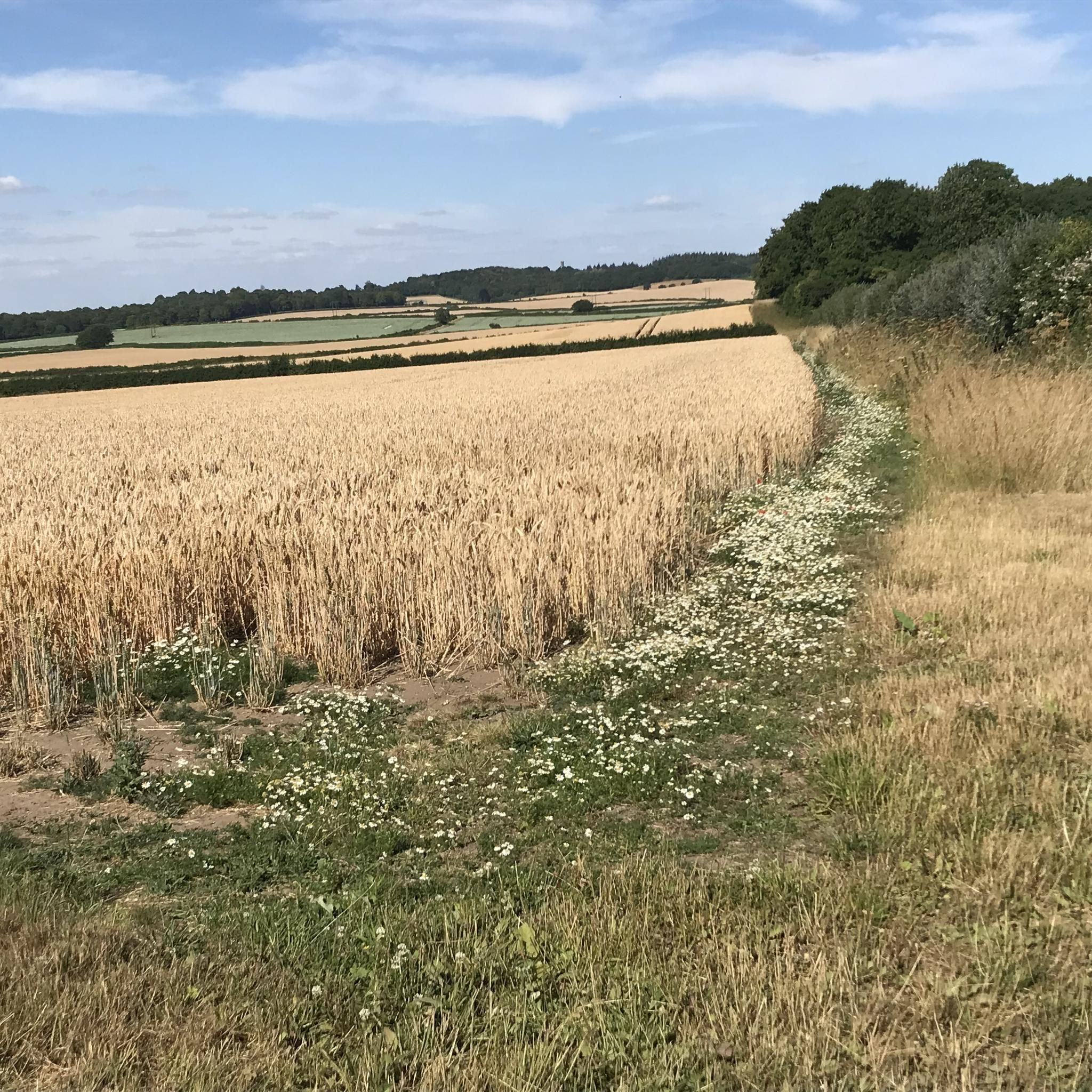
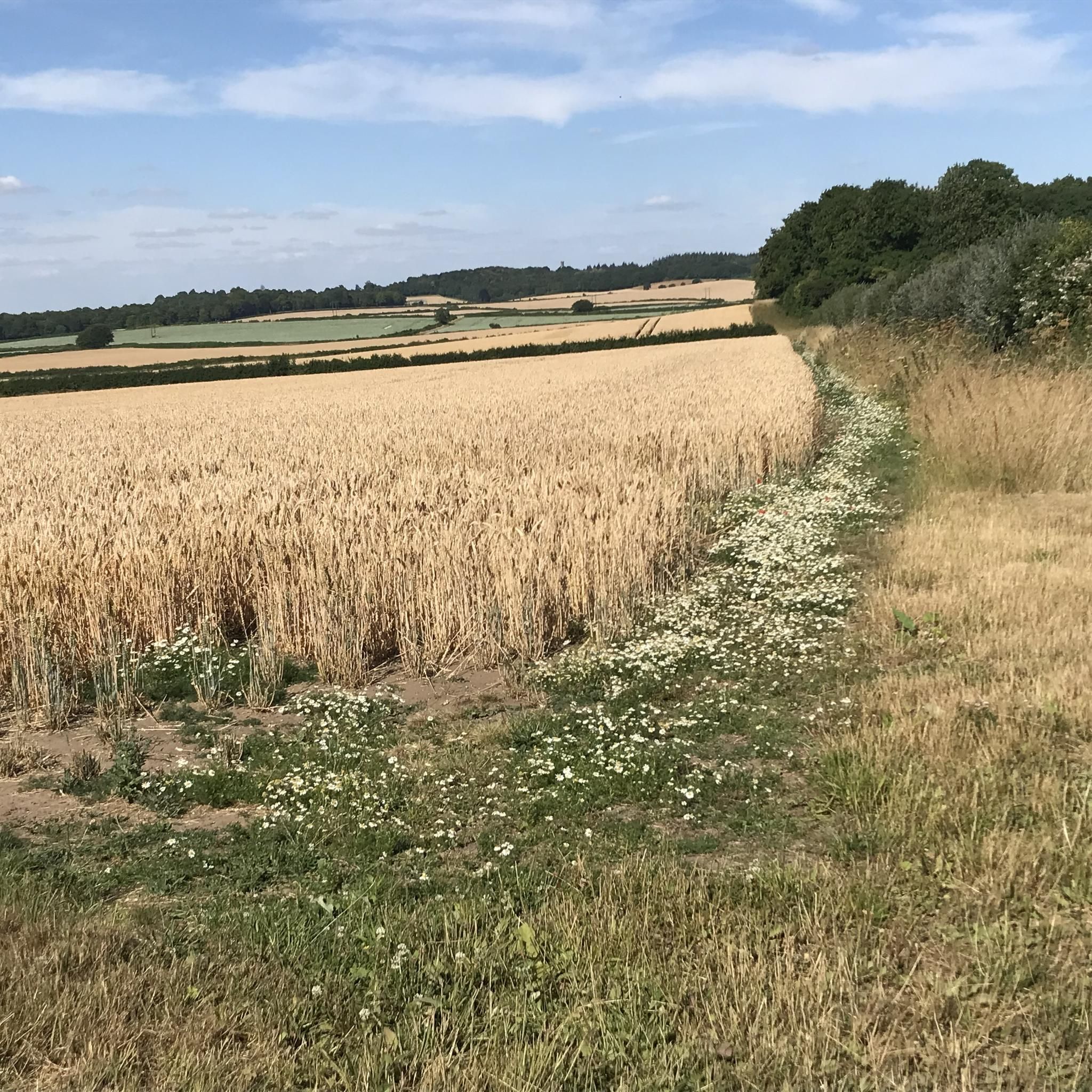
- The most popular hiking route is Field of White Flowers – St Nicholas Church loop from Winterborne Kingston, a 3.0 miles (4.8 km) trail that takes 1 hour 17 minutes to complete. This easy route features gentle gradients through open fields.
- Another top favourite among local hikers is View of Gorcombe – View of Wheat Fields loop from Winterborne Kingston, a moderate 5.8 miles (9.3 km) path. This trail offers expansive views across agricultural landscapes.
- Local hikers also love the View of Wheat Fields – View of Gorcombe loop from Morden, a 7.9 miles (12.7 km) trail leading through open countryside, often completed in about 3 hours 21 minutes.
- Hiking around Anderson is defined by lakeside paths, bottomland hardwood forests, and gently rolling hills. The network offers options for various ability levels, from easy walks to moderate excursions.
- The routes in Anderson are highly rated by the komoot community with an average score of 4.6 stars from over 400 reviews. More than 3000 hikers have used komoot to explore Anderson's varied terrain.
Last updated: August 20, 2026
4.0
(2)
10
hikers
Easy hike. Great for any fitness level. Easily-accessible paths. Suitable for all skill levels.
4.7
(6)
10
hikers
9.23km
02:28
100m
100m
Moderate hike. Good fitness required. Easily-accessible paths. Suitable for all skill levels.

Sign up for free
5.0
(2)
5
hikers
12.8km
03:23
110m
110m
Moderate hike. Good fitness required. Easily-accessible paths. Suitable for all skill levels.
3.5
(2)
5
hikers
17.7km
04:44
200m
200m
Moderate hike. Good fitness required. Easily-accessible paths. Suitable for all skill levels.
5
hikers
9.79km
02:35
90m
90m
Moderate hike. Good fitness required. Easily-accessible paths. Suitable for all skill levels.
Get access to more routes and recommendations from other explorers.
Sign up for free
Already have an account?
Our route recommendations are based on thousands of hikes, rides, and runs completed by other people on komoot.
Start today with a free account
Your next adventure awaits.
Login or Signup

Tips from the Community

2. Architectural History 13th Century Origins: The church is primarily Early English in style, dating back to the 1200s. The 1889 Restoration: Much of what you see today is the result of a very sympathetic late-Victorian restoration. The church was in poor condition until the manor’s owners at the time funded its repair. Exterior: It is tiny and simple—built of flint and stone with a small bell-cote (rather than a full tower) at the west end. 3. Interior Highlights The Box Pews: Similar to Winterborne Tomson, it retains lovely old woodwork, though it feels a bit more "polished" because of the 19th-century restoration. Medieval Windows: There are several original 13th and 14th-century windows that have survived, including a triple-lancet window at the east end. The Atmosphere: It is incredibly quiet. Since it is no longer used for regular services, it has a "sleeping" quality to it. 4. Important Visiting Info Access: Because it is so close to the private manor house, access can be tricky. While technically redundant and historically open to the public, the driveway often feels private. The National Gardens Scheme (NGS): The best way to see the church is when Anderson Manor Gardens opens for the NGS (usually a few days a year). During these openings, the church is almost always open for visitors to wander through. Conservation: Like Tomson, it has been saved from ruin by dedicated historians, but it is not under the care of the Churches Conservation Trust—it is maintained through a long-standing agreement with the manor.
0
0
Continuing your journey through the "Winterbornes," St Michael’s in Anderson (sometimes called Winterborne Anderson) is the most elusive of the three. It feels less like a public space and more like a private discovery. While St Andrew’s (Tomson) is a rugged "time capsule" and St Mary’s (Zelston) is a classic village parish, St Michael’s is a redundant church that effectively serves as a private chapel for the neighboring manor house. 1. The Setting: Part of the Manor St Michael’s is situated right on the doorstep of Anderson Manor, a stunning Grade I listed Jacobean house built in 1622. A "Private" Feel: Unlike most churches that stand in the center of a village, St Michael’s is tucked away down a private drive. It looks and feels like an extension of the manor’s gardens. The River Winterborne: The same stream you saw in Zelston flows right past the church and under the manor’s garden walls.
0
0
The "Local" Pooh Sticks Bridge While not the literary original, the bridge in Winterborne Zelston is a favorite for this game because of the geography of the village: The Winterborne Stream: The village is named after the stream that runs through it. This is a "winterborne" (a stream that only flows when the water table is high, usually in winter and spring). The Village Bridge: There is a small, picturesque bridge near the center of the village (close to the church and the red phone box) where the water flows clearly over a shallow bed. Local Tradition: Because the stream is so central to the village's charm, it has become a popular spot for local children (and adults) to play Pooh Sticks. It offers the perfect "low-stakes" version of the famous game without the Sussex crowds.
0
0
4. The Churchyard & Setting The Lyre-Gate: The entrance to the churchyard is quite picturesque, sitting near the chalk stream (the Winterborne) that gives the village its name. The Parish Room: Located in the churchyard, this was originally a boys' school. It has a quirky history—local boys from a nearby industrial school used to be marched there in pairs for lessons.
0
0
St Mary’s in Winterborne Zelston offers a different kind of beauty. It is a mix of genuine 15th-century architecture and a very high-quality Victorian reconstruction. 1. The Ancient Core The most historic part of the church is the West Tower, which dates to the 15th century. It is built from rubble stone and "Heathstone" (a local iron-rich sandstone). The Gargoyle: Look up at the west wall of the tower to see a surviving carved medieval gargoyle. The "Stair Turret": The tower features a semi-octagonal stair turret on the north side, which is a classic feature of Dorset perpendicular architecture. 2. The Victorian Rebuild (1866) Most of what you see today (the nave, chancel, and north aisle) was rebuilt in 1866 by the architect Thomas Henry Wyatt. He was a prolific Victorian architect, but here he was careful to reuse old materials: The Banding: The exterior walls have a distinctive "striped" or banded look, alternating between flint and stone. Medieval Survivors: Wyatt incorporated several much older pieces into the new walls, including: A 13th-century lancet window in the north wall. A 14th-century doorway in the south vestry. Two 16th-century windows in the north wall. 3. Key Interior Features The Font: One of the church's prize possessions. It dates from 1450 and actually came from Milton Abbey. It features a rare "vine" emblem carved around the top. The Roofs: The chancel has a beautiful wagon roof (similar to Winterborne Tomson) with moulded ribs and a battlemented cornice, while the nave features a more open arch-braced collar beam roof. Stained Glass: There is a notable window from 1866 by Lavers and Barraud, who were leading stained-glass artists of the Victorian Gothic Revival.
0
0
3. The "Thomas Hardy" Connection: By the early 1920s, the church was in a state of "picturesque ruin." It had been abandoned since 1896 and was literally being used as a stable for donkeys and pigs by the neighboring farm.Its rescue is one of the most famous stories in British conservation: The Sale of Manuscripts: The Society for the Protection of Ancient Buildings (SPAB) wanted to save it but lacked funds. They sold a collection of Thomas Hardy’s original manuscripts to raise the money for the restoration.AR Powys: The restoration was led by the famous architect and conservationist A.R. Powys. He was so devoted to the project that he is buried in the churchyard ( the only grave, it is surreal ). 4. Visiting Today Location: It sits in a field next to a manor house in the tiny hamlet of Winterborne Tomson. Ownership: It is now a redundant church cared for by the Churches Conservation Trust. It is no longer used for regular Sunday services but remains consecrated and open to the public.Vibe: It is tiny (only 40 feet long) and possesses a profound silence. As the writer Simon Jenkins put it, it is "one of the loveliest in Dorset." Note: If you visit, look for the plaque commemorating A.R. Powys and the "silvered" oak pews—they have a unique, soft texture from centuries of being untouched by modern varnish.
0
0
St Andrew’s Church in Winterborne Tomson is a tiny, hauntingly beautiful Norman building that feels like a time capsule. It is widely considered a "gem" of Dorset architecture, famous not just for its age, but for its near-miraculous survival.Here is what makes it so special: 1. Architecture & Design The Rare Norman Apse: It is one of the few churches in England—and the only one in Dorset—to retain its original semi-circular apse (the rounded east end). Built in the early 12th century, its floor plan hasn't changed in over 800 years.The "Upturned Boat" Roof: Inside, the 15th-century wagon roof (or barrel vault) is a masterpiece. The timber ribs actually curve to follow the shape of the apse, making the ceiling look like the inside of an ancient wooden ship. It is decorated with carved Tudor rose bosses. Construction: The walls are a rustic mix of flint, rubble, and stone, giving it the weathered appearance of a farm building. 2. The Interior: A Georgian Treasure While the structure is Norman, the fittings are pure 18th-century Georgian. Archbishop’s Gift: The silver-grey oak box pews, pulpit, and screen were all donated by William Wake, the Archbishop of Canterbury (1716–1737), whose family lived nearby. Unspoiled Atmosphere: Because the church never underwent a "Victorian restoration" (which often stripped away older features), it feels incredibly authentic. The walls are simple limewash, and the floor is made of uneven stone flags.
0
0
The Greyhound is a classic 16th-century thatched pub where "local charm" meets "excellent gravy." Expect roaring fires, real ales, and a warm Dorset welcome. It’s the perfect pitstop after getting lost in a cornfield or browsing the phone box library. Friendly, rustic, and very, very British. Cheers!
0
0
Frequently Asked Questions
How many hiking trails are there in Anderson?
Anderson offers a wide variety of hiking opportunities, with over 260 routes available for exploration. These trails cater to different skill levels, from easy strolls to more moderate excursions through diverse landscapes.
Are there easy hiking trails suitable for beginners or families in Anderson?
Yes, Anderson has numerous easy trails perfect for beginners and families. Many routes wind along the shorelines of Lake Hartwell or through gentle forests. For example, the Field of White Flowers – St Nicholas Church loop from Winterborne Kingston is an easy 3-mile trail with gentle gradients. The South Carolina Botanical Garden also features an easy 1.9-mile loop around its ponds, and the Hartwell Dam Walking Trail offers a paved, scenic 1.5-mile path.
What kind of landscapes can I expect to see while hiking in Anderson?
Hiking in Anderson offers diverse landscapes, primarily characterized by generally flat to gently rolling terrain. You'll find many trails winding along the shorelines of Lake Hartwell and the Savannah River, or through bottomland hardwood forests and wetlands. The region is also situated in the foothills of the Blue Ridge Mountains, providing scenic backdrops. Areas like Rocky River Nature Park feature pristine wetlands and mixed-age forests.
Are there any dog-friendly hiking trails in Anderson?
Many outdoor areas and parks in Anderson are dog-friendly, provided pets are kept on a leash. Sadlers Creek State Park, for instance, welcomes pets in most outdoor areas. It's always a good idea to check specific park regulations before heading out with your furry companion.
Are there any circular hiking routes in Anderson?
Yes, Anderson features several enjoyable circular routes. The View of Gorcombe – View of Wheat Fields loop from Winterborne Kingston is a moderate 5.8-mile path offering expansive views. Another option is the View of Wheat Fields – View of Gorcombe loop from Morden, a 7.9-mile trail through open countryside.
What are some notable natural attractions or landmarks to see near Anderson's hiking trails?
The Anderson area is rich in natural beauty and historical sites. You can explore the Badbury Rings Iron Age hillfort or the Woolsbarrow Hillfort. Natural monuments like the Bluebell Woodland and Culpeppers Dish also offer unique sights. Lake Hartwell itself is a major attraction, providing extensive lakeside views and recreational opportunities.
What do other hikers enjoy most about hiking in Anderson?
The hiking trails around Anderson are highly rated by the komoot community, with an average score of 4.6 stars from over 400 reviews. Hikers often praise the serene natural areas, accessible trails, and the beautiful scenery, especially along Lake Hartwell and through the diverse forests and wetlands.
Are there opportunities for water activities or wild swimming near hiking trails?
Lake Hartwell, a prominent feature of the region, offers extensive opportunities for water-based recreation. While specific wild swimming spots near trails aren't explicitly highlighted, the lake is popular for kayaking, fishing, and boating, and Sadlers Creek State Park provides a designated swimming area. Many trails run directly alongside the lake, offering easy access to its shores.
Are there any parks or green spaces within Anderson for shorter walks or relaxation?
Yes, Anderson's Parks and Recreation department maintains various facilities for leisure and reflection. Carolina Wren Park in downtown Anderson and Darwin H. Wright Park on Lake Hartwell are excellent choices for shorter walks or simply enjoying the outdoors. Rocky River Nature Park also offers nearly two miles of scenic trails through wetlands and forests, ideal for a peaceful stroll.
What is the best time of year to go hiking in Anderson?
Anderson's diverse natural landscapes make it suitable for hiking throughout much of the year. Spring and fall generally offer the most pleasant temperatures for outdoor activities, with vibrant foliage in autumn and blooming flora in spring. Summers can be warm and humid, while winters are typically mild, allowing for comfortable hiking on many days.
Are there any trails that offer historical insights or lead to historical sites?
Yes, the region around Anderson has historical significance. The Badbury Rings Iron Age hillfort and Woolsbarrow Hillfort are notable historical sites that can be explored. Additionally, the North Dorset Trailway is a former railway line now converted into a trail, offering a glimpse into the area's past.
Where can I find more information about parks and outdoor activities in Anderson?
For more details on the various parks and outdoor activities in the area, you can visit the official tourism site for Anderson. They provide information on several parks you need to explore, as well as peaceful parks for relaxation. You can find more information at visitanderson.com and visitanderson.com/peaceful-parks/.
Most popular attractions around Anderson

Get inspired with the komoot mobile app


Explore more
Browse the best Hikes in other regions.
