The 6 Most Amazing Peaks around Stalbridge
Best mountain peaks around Stalbridge are characterized by a hilly landscape within the Blackmore Vale, rather than prominent mountain peaks. The town itself is situated on a low limestone ridge, with its streets often following the natural gradients of the terrain. Notable elevated areas include Church Hill, which leads past the historic 15th-century St. Mary's parish church, and Barrow Hill, which features residential housing and a park. This geography contributes to Stalbridge's character, offering a peaceful environment for exploration.
Best…
Last updated: June 29, 2026
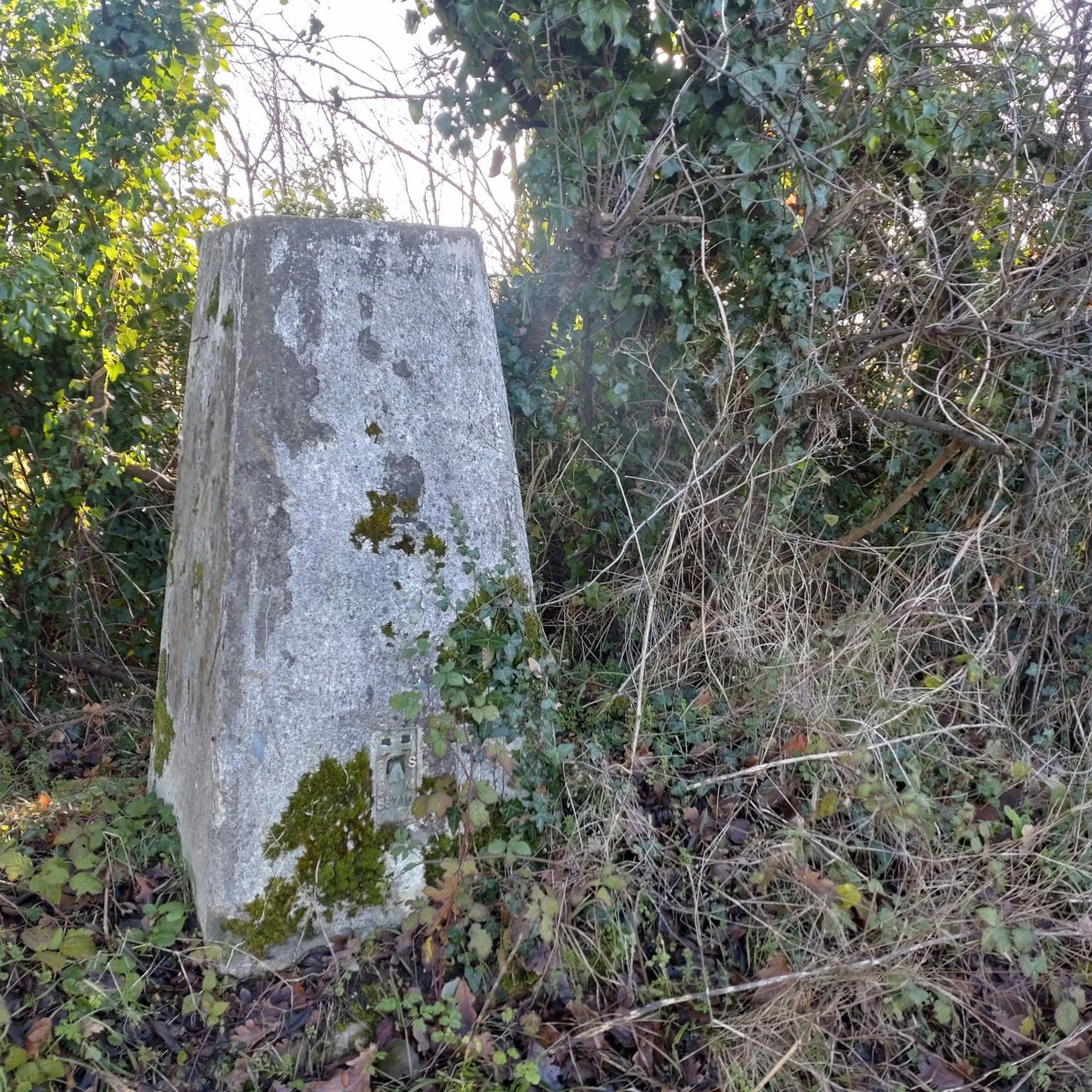
Hambledon Hill Iron Age hill fort
Highlight • Viewpoint
Tip by

Hambledon Hill Ramparts
Highlight • Historical Site
Tip by

Sign up now to discover places like this
Get recommendations on the best single tracks, peaks, & plenty of other exciting outdoor places.
Sign up for free
View from Hambledon Hill
Highlight • Viewpoint
Tip by

View from Bulbarrow Hill
Highlight • Viewpoint
Tip by

Holway Hill and Sandford Orcas Village
Highlight • Forest
Tip by
Sign up for free to discover even more peaks around Stalbridge.
Sign up for free
Already have an account?
Start today with a free account
Your next adventure awaits.
Login or Signup
Tips from the Community

Pop into the cricketers pub before or after your hike it’s in the village (shroton)
0
0

The hill is now a National Nature Reserve (NNR) with common plants including milkwort, salad burnet, horseshoe vetch, squinancywort, pyramidal orchid and wild thyme. Rarer species include bastard toadflax, meadow saxifrage, early gentian and dwarf sedge. Butterflies include dingy skipper, grizzled skipper, chalkhill blue and Adonis blue. In August 2014, Hambledon Hill fort was acquired by the National Trust for £450,000. The money to buy the hill had come from a Natural England grant and a legacy gift left to benefit Dorset countryside. The hillfort is a Scheduled Monument, as is the adjacent Neolithic causewayed camp.
2
0
Hambledon Hill is a prehistoric hill fort in Dorset, England, in the Blackmore Vale five miles northwest of Blandford Forum. The hill itself is a chalk outcrop, on the southwestern corner of Cranborne Chase, separated from the Dorset Downs by the River Stour. It is owned by the National Trust. Hambledon Hill is the first in a series of Iron Age earthworks,] which continues with Hod Hill, Spetisbury Rings, Buzbury Rings, Badbury Rings and Dudsbury Camp. The Iron Age port at Hengistbury Head forms a final Iron Age monument in this small chain of sites. The ramparts are a lot longer than you think, amazing fun getting around them all though.
1
0

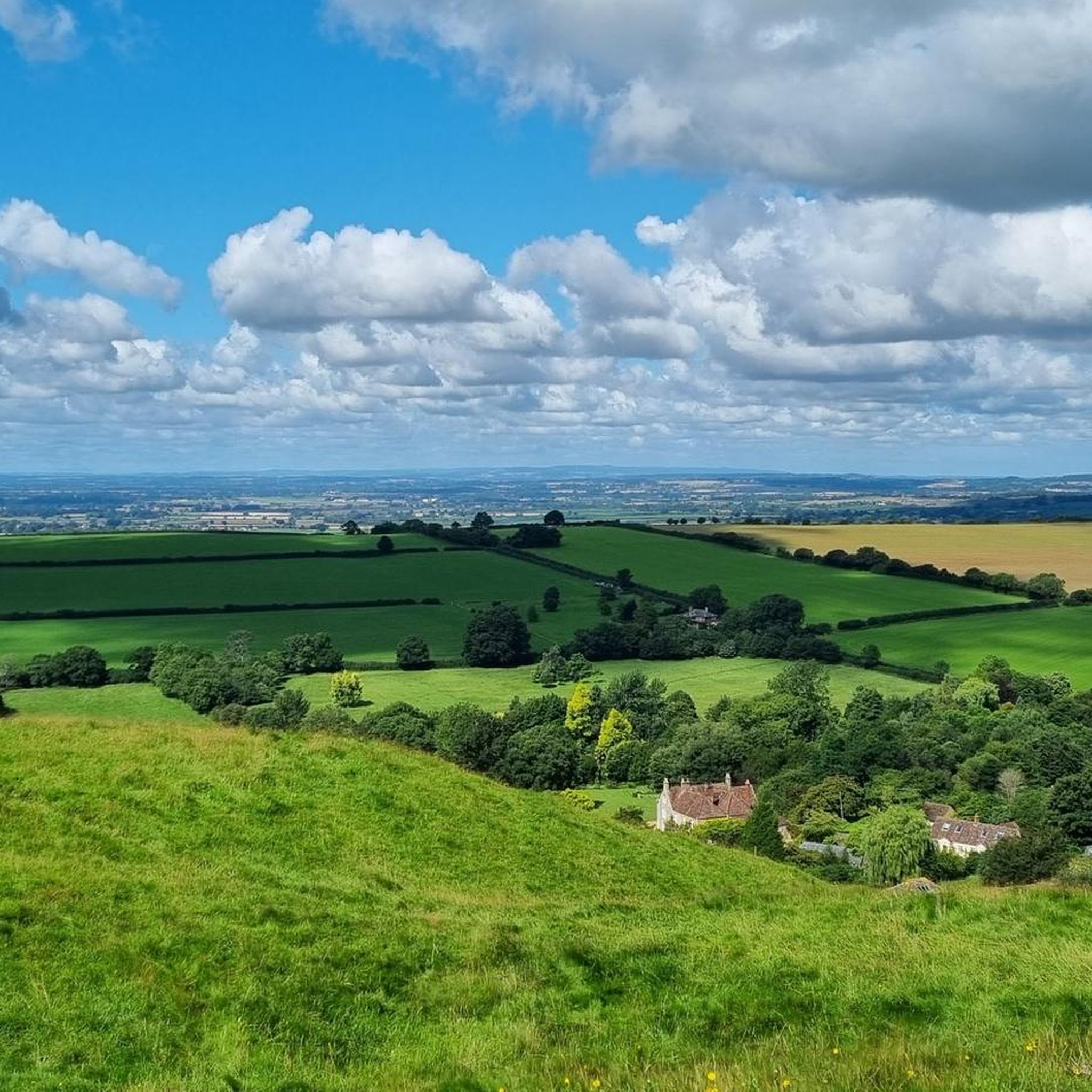
Sandford Orcas sits beneath Holway Hill, where the summit stands at 172m. The village itself is full of English history, with the Manor house built around 1550 AD and the church of Saint Nicholas thought to be from the 13th century. Surrounded by the Dorset countryside, it is a beautiful place to explore and to embrace its distinctive characteristics.
0
0
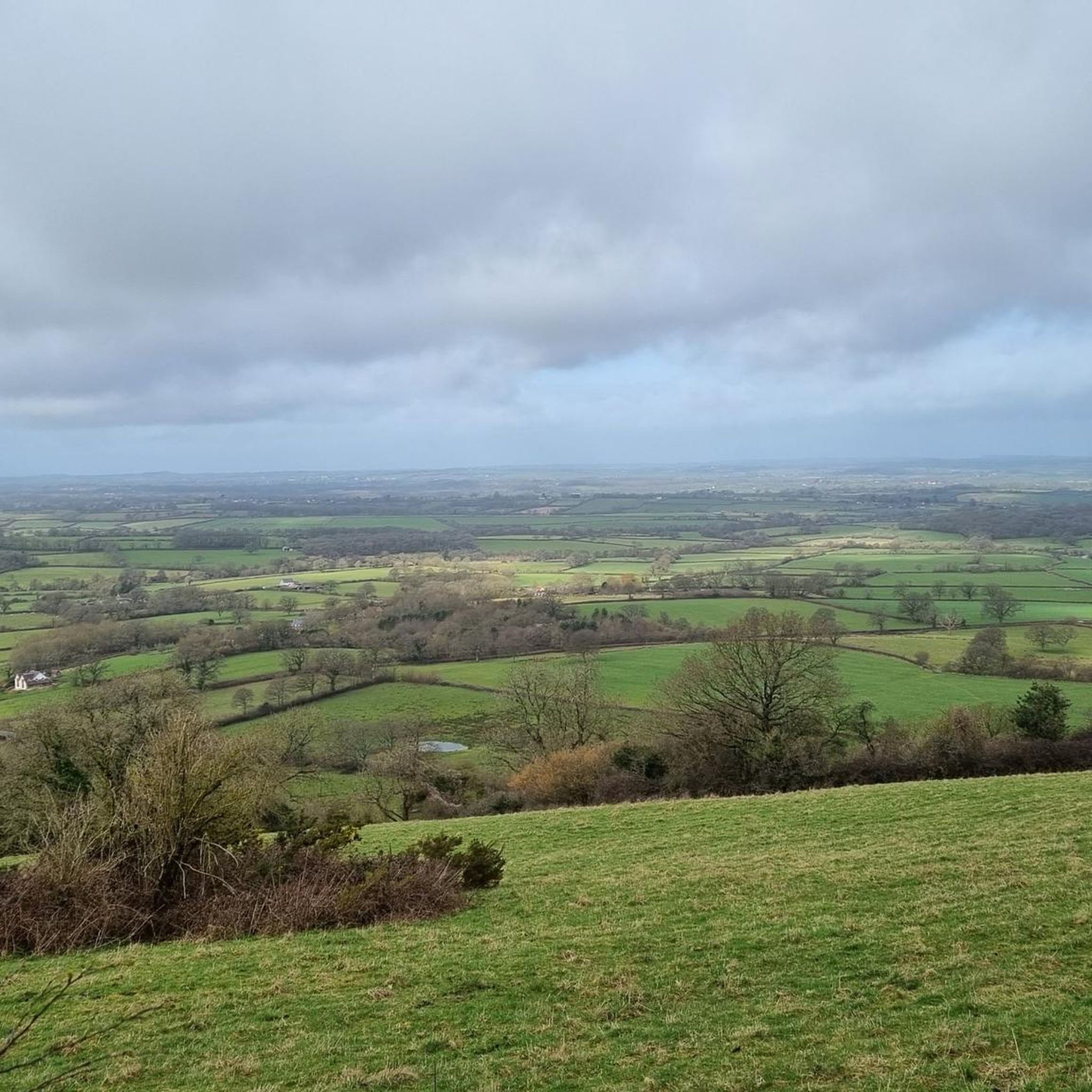
Bulbarrow Hill is situated within the Dorset Area of Outstanding Natural Beauty, which is known for its scenic landscapes and diverse ecosystems. The hill is part of the Dorset Downs, a range of chalk hills that extend across the county. It is one of the highest points in Dorset, with an elevation of around 274 meters (899 feet) above sea level. Due to its height, it provides panoramic views of the surrounding countryside, including the rolling hills, farmland, and picturesque villages that make up the Dorset landscape.
0
0

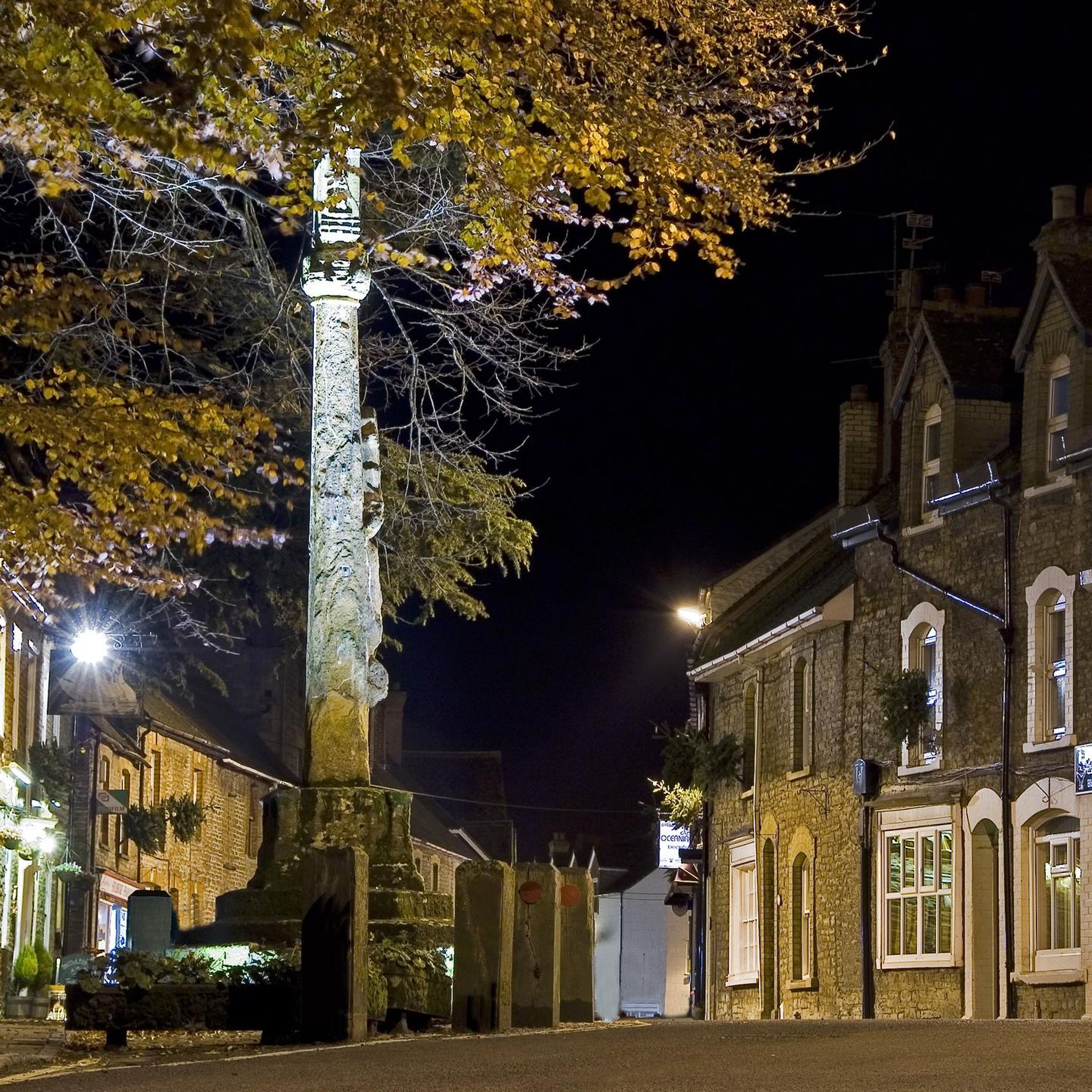
From this vantage point you get a good idea of the scale of the three ramparts which formed the fortifications of the hill. The steep banks and ditches would have made it a formidable defensive fort.
1
0
A very impressive Iron Age hill fort.
1
0
Frequently Asked Questions
What are the most notable elevated areas around Stalbridge?
Stalbridge is characterized by a hilly landscape rather than prominent mountain peaks. Within the town,
Church Hill, leading past the historic 15th-century St. Mary's parish church, and Barrow Hill, with its residential housing and park, are key elevated areas.
Further afield, significant elevated points include Hambledon Hill Iron Age hill fort, towering 190 meters above the Blackmore Vale, Bulbarrow Hill, one of Dorset's highest points at 274 meters, and Holway Hill, which overlooks Sandford Orcas village.
What makes Hambledon Hill a significant location near Stalbridge?
Hambledon Hill Iron Age hill fort is considered one of the best-preserved Iron Age hill forts in Britain and a significant Neolithic landscape. It offers breathtaking views stretching into Wiltshire and Somerset. The site is also a National Nature Reserve, home to rare plant and animal species, and features impressive Hambledon Hill Ramparts, which highlight the scale of its ancient fortifications.
What kind of views can I expect from the elevated points around Stalbridge?
From elevated points like View from Hambledon Hill, you can enjoy great views across Dorset, including the Iron Age hill fort, burial mounds, and Hod Hill to the south. Bulbarrow Hill, being one of the highest points in Dorset, provides panoramic views of the surrounding countryside, rolling hills, farmland, and picturesque villages.
Are there any historical sites among the elevated areas near Stalbridge?
Yes, several elevated areas near Stalbridge are rich in history. Hambledon Hill is a prominent Iron Age hill fort and Neolithic landscape. The Hambledon Hill Ramparts are a testament to its ancient defensive structures. Additionally, Holway Hill overlooks Sandford Orcas village, which features a Manor house built around 1550 AD and a 13th-century church of Saint Nicholas.
What is the highest point near Stalbridge?
The highest point near Stalbridge is Bulbarrow Hill, with an elevation of approximately 274 meters (899 feet) above sea level. Hambledon Hill is also a significant elevated point, reaching 190 meters (623 feet).
What outdoor activities can I do near the elevated areas around Stalbridge?
The hilly landscape around Stalbridge offers various outdoor activities. You can explore numerous routes for hiking, including moderate trails like the Milborne Port and Stourton Caundle loop. There are also options for cycling, with routes like the Marnhull and Stalbridge loop over the River Stour. For mountain biking enthusiasts, MTB trails are available, such as the Hod Hill & Hambledon Hill route from Sturminster Newton.
Are there family-friendly walks or activities around the elevated areas?
While specific 'family-friendly' categories aren't listed for the peaks themselves, the general landscape of Stalbridge, with its gentle slopes and park areas like Barrow Hill, offers a peaceful environment suitable for families. Many of the walking routes in the area, such as the easy St Mary’s Church – North Dorset Trailway loop from Sturminster Newton, can be enjoyed by families. The recreational facilities at Barrow Hill also provide family activities.
What is the best time of year to visit the elevated areas around Stalbridge?
The region's landscape, with its unimproved calcareous grassland on hills like Hambledon Hill, is home to many rare plant species and butterflies. Visiting during spring and summer would allow you to see these natural features in bloom, including milkwort, pyramidal orchid, and various butterflies like dingy skipper and chalkhill blue. A sunny day is ideal for enjoying the panoramic views.
What do visitors enjoy most about the elevated areas near Stalbridge?
Visitors particularly appreciate the breathtaking views from points like Hambledon Hill, which stretch into neighboring counties. The historical significance of the Iron Age hill forts and Neolithic landscapes is also a major draw. The komoot community has shown strong engagement, with the locations receiving 50 upvotes and 35 photos, highlighting their popularity for exploration and scenic beauty.
Are there any cafes or pubs near the walking trails around Stalbridge?
While specific cafes directly on the elevated trails are not mentioned, the region research indicates that Stalbridge itself has a 'timeless character' and offers a peaceful environment. For those exploring Hambledon Hill, a tip suggests visiting the Cricketers pub in the nearby village of Shroton before or after your hike.
How accessible are the elevated areas around Stalbridge by public transport or parking?
The region research mentions that Stalbridge's streets often follow the natural gradients of the terrain, suggesting a degree of walkability within the town. For accessing specific elevated areas like Hambledon Hill, it is managed by the National Trust, which typically provides visitor information regarding access and parking. For detailed public transport options, local Dorset Council resources or specific highlight pages might offer more precise guidance.
Most popular routes around Stalbridge
Most popular attractions around Stalbridge

Get inspired with the komoot mobile app


Explore more
See even more amazing summits around Stalbridge with these guides:
