The best walks and hikes around Bryanston
4.6
(493)
3,010
hikers
250
hikes
Hiking around Bryanston, an affluent suburb of Sandton, offers diverse outdoor experiences ranging from local green spaces to more extensive natural reserves. The area is characterized by accessible urban parks and bird sanctuaries, providing tranquil settings for nature walks. Its strategic location also grants easy access to larger natural features like the Klipriviersberg Nature Reserve and the rugged Magaliesberg Mountains, which offer more challenging terrain. This blend of local trails and nearby wilderness makes Bryanston a notable starting point for exploring the varied landscapes of Gauteng.
Best hiking trails around Bryanston
- The most popular hiking route is Bryanston Urban Greenbelt Trail, a 6.8 miles (10.9 km) trail that takes about 2 hours 50 minutes to complete, offering a mix of paved and natural paths through local parks.
- Another top favourite among local hikers is Cumberland Bird Sanctuary Loop, an easy 3.0 miles (4.8 km) path. This route provides a peaceful walk through a protected natural area, ideal for birdwatching and gentle exercise.
- Local hikers also love the Magaliesberg Foothills Explorer, a 9.5 miles (15.3 km) trail leading through varied terrain with moderate ascents, often completed in about 4 hours 30 minutes.
- Hiking around Bryanston is defined by urban green spaces, tranquil bird sanctuaries, and proximity to the more rugged Magaliesberg Mountains. The network offers options for different ability levels, from leisurely strolls to more demanding wilderness experiences.
- The routes in Bryanston are highly rated by the komoot community with an average score of 4.6 stars from over 400 reviews. More than 2,900 hikers have used komoot to explore Bryanston's varied terrain.
Last updated: June 26, 2026
5.0
(5)
37
hikers
Moderate hike. Good fitness required. Easily-accessible paths. Suitable for all skill levels.
4.2
(6)
10
hikers
14.1km
03:41
100m
100m
Moderate hike. Good fitness required. Easily-accessible paths. Suitable for all skill levels.

Sign up for free
19
hikers
7.50km
01:58
60m
60m
Easy hike. Great for any fitness level. Easily-accessible paths. Suitable for all skill levels.
5.0
(4)
15
hikers
Easy hike. Great for any fitness level. Easily-accessible paths. Suitable for all skill levels.
16
hikers
Moderate hike. Good fitness required. Easily-accessible paths. Suitable for all skill levels.
Get access to more routes and recommendations from other explorers.
Sign up for free
Already have an account?
Our route recommendations are based on thousands of hikes, rides, and runs completed by other people on komoot.
Start today with a free account
Your next adventure awaits.
Login or Signup
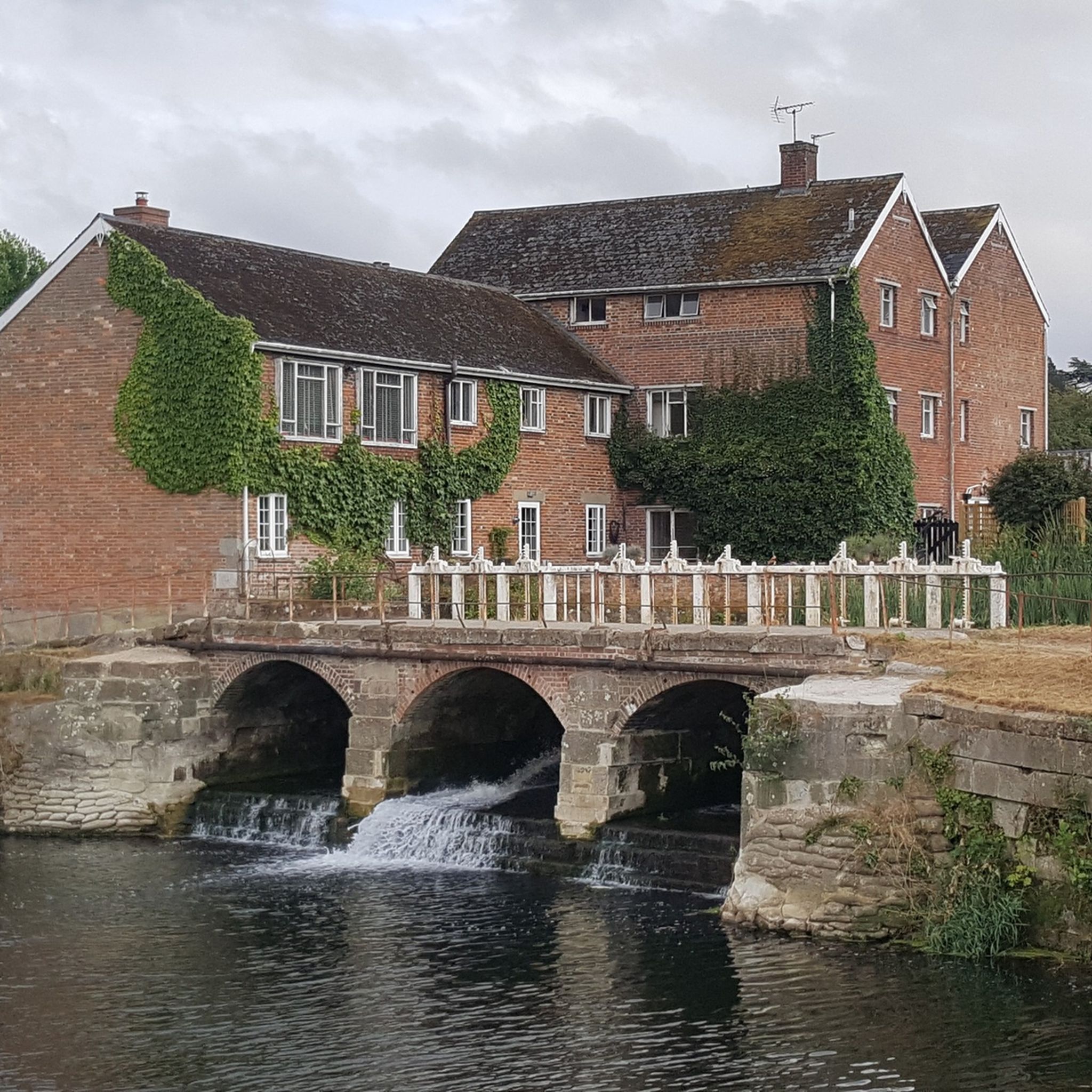

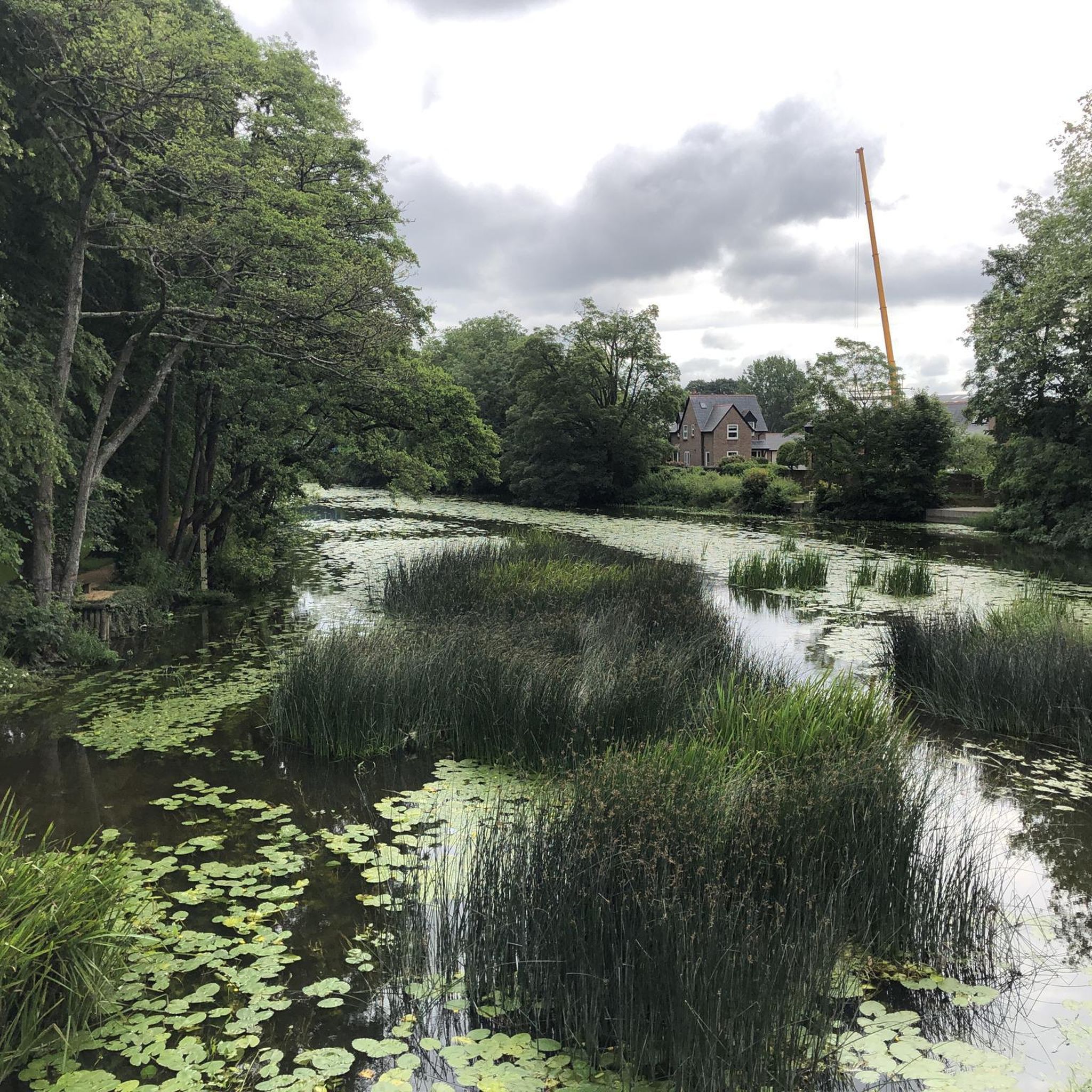
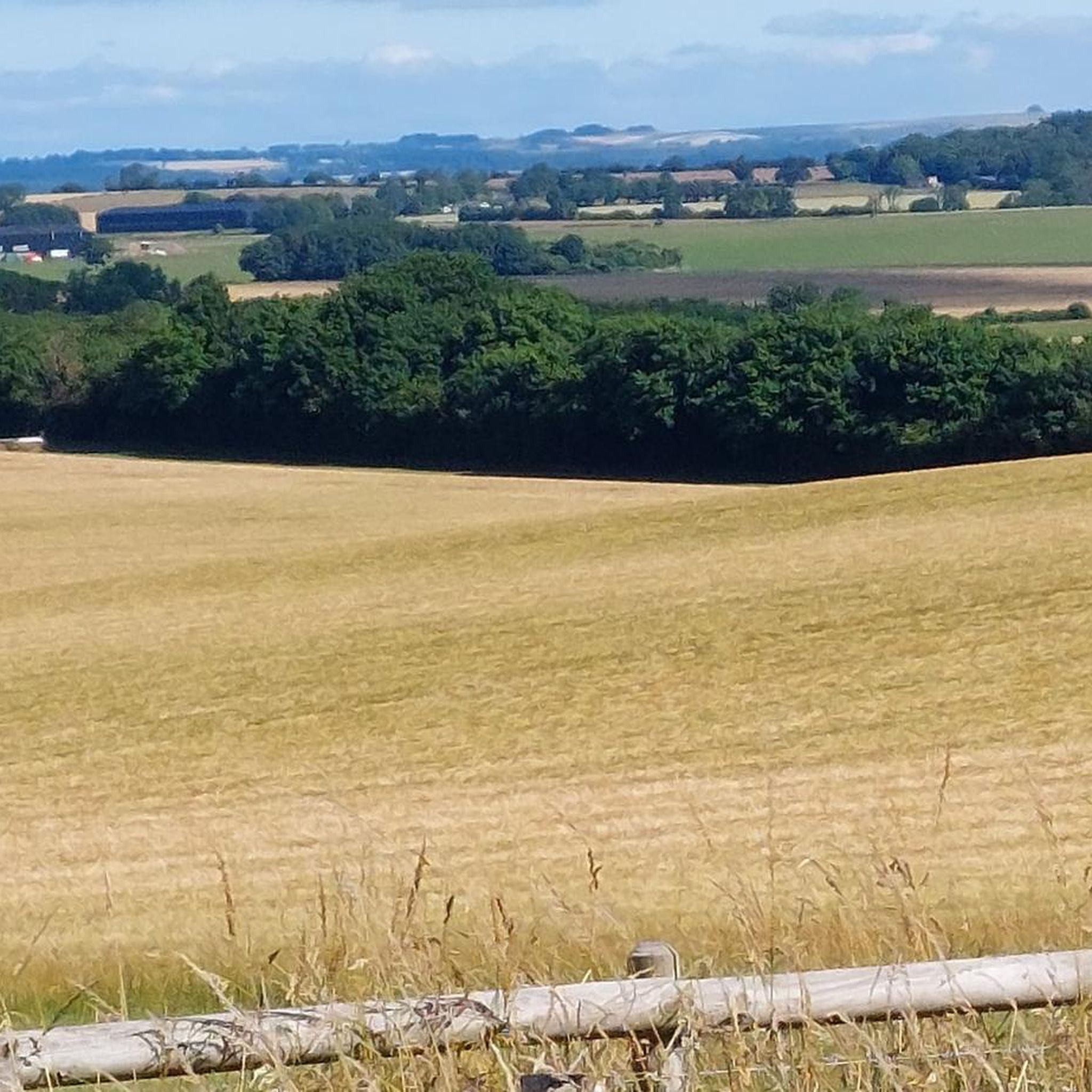

Tips from the Community

The stretch of the old Somerset & Dorset Joint Railway (S&DJR) line at Spetisbury and Blandford area provides a tangible connection to the past and is a key part of the modern landscape. This crucial cross-country route connected the English Channel at Poole/Bournemouth with the Bristol Channel and Bath, allowing direct passenger and freight services from the Midlands and the North to the South Coast. Track Doubling: While initially a single track, the line at Spetisbury was upgraded to double track around 1901. This required the construction of the second platform (the 'Up' platform) and a signal box to manage the crossover points. Down Line: Trains travelling towards Bailey Gate, Wimborne, and Bournemouth used the Down platform (the original platform). Up Line: Trains travelling towards Blandford, Templecombe, and Bath (Green Park) used the Up platform (the new platform). The Scenery: The line through Spetisbury was known for its gentler curves and gradients compared to the difficult northern section over the Mendip Hills, allowing for fast running. It offered picturesque views over the River Stour Valley, which you can still enjoy today. Closure: The tracks at Spetisbury saw their final passenger services (the main S&D line closure) in March 1966. The rails were lifted a few years later in 1970.
0
0
The North Dorset Trailway Connection Today, Spetisbury Station is a popular access point for the North Dorset Trailway. Trailhead: The section of the Trailway running from Spetisbury north to Sturminster Newton, largely following the old railway bed, is a well-maintained, traffic-free path for walking, cycling, and riding. Visitor Stop: The former station site makes a perfect place to stop, rest, and picnic while exploring the Trailway, offering fine views over the Stour Valley. It's a wonderful example of local history being preserved and repurposed for community and recreation!
0
0
The Spetisbury Station Project Unlike the bridge at Blandford, which remains a preserved structure, the Spetisbury station site is being actively restored by volunteers. The Project: The Spetisbury Station Project Group was formed in 2012 by dedicated volunteers to clear and preserve the abandoned site. What You Can See: While the original station buildings were demolished shortly after the 1956 closure, the project has cleared the site to reveal the foundations of the station buildings, the booking office, and the signal box. Ambience: The site is now a peaceful, landscaped green space featuring picnic areas, benches, and information boards. Volunteers have added replica signage and restored the platforms to recreate the atmosphere of the former country station. Wildlife Haven: The site is also managed to be a haven for local wildlife, with features like a wildlife pond, bat boxes, and specific flower borders.
0
0
The Railway and Closure Original Line: Spetisbury Station was located on the Somerset & Dorset Joint Railway (S&DJR), which connected Bath to Bournemouth. Opening: It originally opened on November 1, 1860, as part of the Dorset Central Railway's line from Wimborne to Blandford. It initially had a single platform. Double Track: Around 1901, the line was doubled through the station, and a second platform and a signal box were added to handle the increased traffic. Downgrade: Like many rural stations seeking to cut costs, it was downgraded to an unstaffed "halt" in 1934. Passenger Closure: The station closed completely to passengers on September 17, 1956, one of the early closures on the S&D line. Line Closure: Although the station itself was closed, the main S&DJR line through the site continued to operate passenger services until the whole route closed in March 1966. Goods traffic ceased in 1969, and the track was lifted in 1970.
0
0
The structure you see today stands in isolation in the flood meadows and acts as a major landmark for the area. North Dorset Trailway: The former railway line's route, including the embankment leading up to the remaining arches, has been repurposed as the North Dorset Trailway. This popular multi-use path is enjoyed by walkers, cyclists, and horse riders, and stretches for miles along the former trackbed. Stour Meadows Park: The park itself is a beautiful area for recreation and nature walks, situated next to the River Stour, and the preserved arches are a key historic feature on the route. Essentially, the remaining spans of the railway bridge are a powerful, tangible reminder of a celebrated piece of British railway history that once played a vital role in the commercial and social life of Blandford Forum.
0
0
The former railway bridge in Stour Meadows (part of the wider flood meadows near the River Stour) is significant for several reasons: The Line: It carried the Somerset & Dorset Joint Railway line, which ran a crucial cross-country route connecting Bath to Bournemouth. The Town's Station: The bridge was essential for the railway to reach the final location of Blandford Forum Station, which opened north of the River Stour in 1863. This required the extension of the line from its original temporary terminus south of the river at Blandford St Mary. Closure: The entire S&DJR line, often referred to simply as the "S&D," was closed as a result of the infamous Beeching Cuts. The Blandford station closed to passengers in March 1966, with the track eventually lifted around 1969. Demolition & Preservation: Following the line's closure, the original railway bridge that crossed the River Stour was largely demolished. However, two of its arches/spans were saved and are still visible in the meadows today. This is thanks to the efforts of local groups, like the Blandford Railway Arches Trust, who recognized their historical importance.
1
0
Historic Significance: It is a Grade I Listed Building (the highest level of protection), noted for its special architectural and historic interest. Age: The first record of the bridge dates back to 1334, suggesting its medieval origins, with parts of the current structure likely dating to the 15th century. Construction: It is built of coursed rubble and ashlar stone and features nine semi-circular arches. Widening: The bridge was widened in 1819. The upstream side is the original, medieval part and features triangular cut-waters which extend up to form pedestrian refuges. The downstream side is the later, plainer widening. Inscriptions: There is a reset stone on the east side of the bridge inscribed with the year 1719. Name Origin: The bridge is named Crawford Bridge because it carries the road from Spetisbury to Tarrant Crawford. The nearby area of Spetisbury was historically one of three manors, including Great Crawford.
0
0

Single lane beware of on coming vehicles
0
0
Frequently Asked Questions
How many hiking trails are available around Bryanston?
Bryanston and its surrounding areas offer a wide variety of hiking opportunities, with over 260 routes recorded on komoot. These range from easy strolls through local green spaces to more challenging trails in nearby nature reserves.
What types of terrain can I expect on hikes near Bryanston?
The terrain around Bryanston is quite diverse. You'll find accessible urban parks and tranquil bird sanctuaries offering relatively flat paths, such as the Cumberland Bird Sanctuary Loop. For more challenging experiences, areas like the Magaliesberg Mountains, accessible from Bryanston, feature rugged, mountainous terrain with varying elevations and technical sections.
Are there any family-friendly hiking options in Bryanston?
Yes, Bryanston offers several family-friendly options. Local parks and the Cumberland Bird Sanctuary provide gentle, accessible paths suitable for families with children. These areas are perfect for nature walks and enjoying the outdoors without strenuous climbs.
Can I bring my dog on the hiking trails around Bryanston?
Many local parks and green spaces in and around Bryanston are dog-friendly, though specific rules may apply regarding leashes. It's always best to check the regulations of individual parks or reserves before visiting to ensure a pleasant experience for both you and your pet.
What are some notable natural features or landmarks to look out for while hiking?
While hiking near Bryanston, you can explore various natural features. The Cumberland Bird Sanctuary is excellent for birdwatching, and the Magaliesberg Mountains offer dramatic landscapes and rock formations. For historical interest, you might encounter sites like the Hambledon Hill Iron Age hill fort or the Shillingstone Railway Station & Museum, which provide a glimpse into the region's past.
Are there any circular hiking routes available?
Yes, many of the trails around Bryanston are designed as circular routes, allowing you to start and end at the same point. For example, the Remains of the Old Railway Bridge – North Dorset Trailway loop offers a convenient circular path through varied landscapes.
What is the best time of year to go hiking in Bryanston?
The best time to hike in Bryanston generally depends on personal preference, but cooler, drier months (typically autumn and winter in South Africa) are often preferred to avoid the intense summer heat and potential thunderstorms. This also helps in avoiding muddy conditions that can occur during the rainy season.
Are there options for public transport to reach hiking areas?
While Bryanston is primarily a residential suburb, some local parks and greenbelts might be accessible via public transport routes within Johannesburg. However, for more remote natural reserves like the Magaliesberg Mountains or Klipriviersberg Nature Reserve, private transport is generally recommended for easier access.
What do other hikers enjoy most about hiking in Bryanston?
The hiking experiences around Bryanston are highly rated by the komoot community, with an average score of 4.6 stars from over 400 reviews. Hikers often praise the accessibility of urban green spaces, the tranquility of bird sanctuaries, and the diverse options available, from leisurely walks to more demanding wilderness adventures in nearby regions.
Are there any easy hiking trails suitable for beginners?
Absolutely. Bryanston offers numerous easy trails perfect for beginners or those looking for a relaxed walk. The Remains of the Old Railway Bridge – Stour Meadows Park loop is an easy option, providing a gentle path through scenic areas.
Where can I find parking for hiking trails in Bryanston?
Parking availability varies by location. Local parks and nature reserves typically have designated parking areas. For urban greenbelts, street parking might be an option, but it's always advisable to check specific parking information for your chosen trailhead beforehand.
Are there any cafes or amenities near the hiking trails?
Given Bryanston's suburban nature, many hiking areas, especially those within the suburb or close by, are often near cafes, restaurants, or shops where you can grab refreshments before or after your hike. For trails further afield in nature reserves, amenities might be more limited, so it's wise to pack accordingly.
Most popular attractions around Bryanston

Get inspired with the komoot mobile app


Explore more
Browse the best Hikes in other regions.
