Attractions and Places To See around Woolland - Top 20
Best attractions and places to see around Woolland, a hamlet in North Dorset's Area of Outstanding Natural Beauty, offer a focus on natural beauty and local history. The surrounding area features a variety of attractions, including ancient landmarks, cultural sites, and picturesque natural features. This region provides opportunities to explore historical sites and enjoy the diverse landscape.
Best attractions and places to see around Woolland
- The most popular attractions is Shillingstone Railway Station & Museum, a historical site that…
Last updated: August 26, 2026
Shillingstone Railway Station & Museum
Highlight (Segment) • Historical Site
Tip by

Hambledon Hill Iron Age hill fort
Highlight • Viewpoint
Tip by

Sign up now to discover places like this
Get recommendations on the best single tracks, peaks, & plenty of other exciting outdoor places.
Sign up for free
North Dorset Trailway
Highlight (Segment) • Trail
Tip by

Hod Hill
Highlight • Viewpoint
Tip by

Milton Abbas Village
Highlight • Historical Site
Tip by
Sign up for free to discover even more attractions around Woolland.
Sign up for free
Already have an account?
Start today with a free account
Your next adventure awaits.
Login or Signup
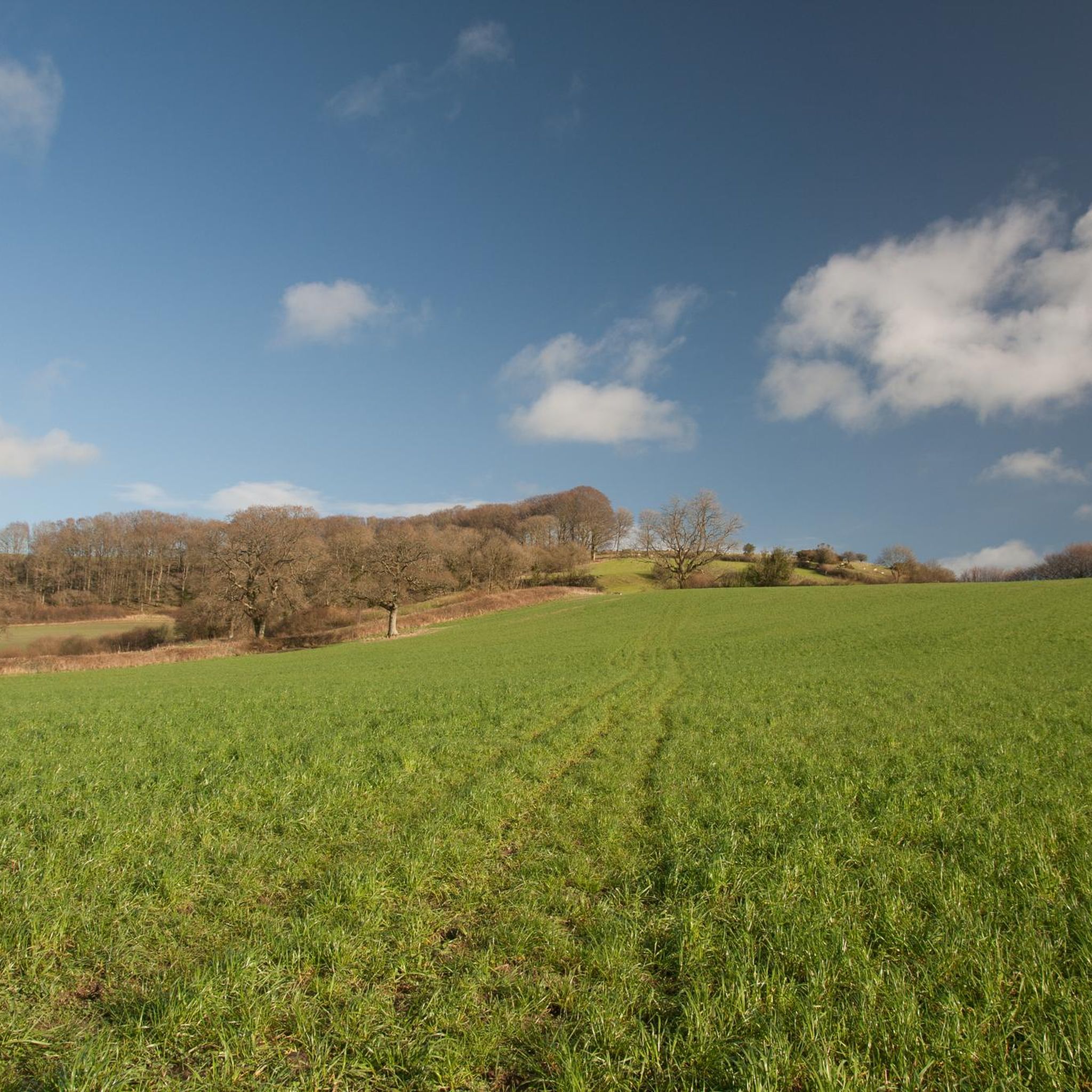
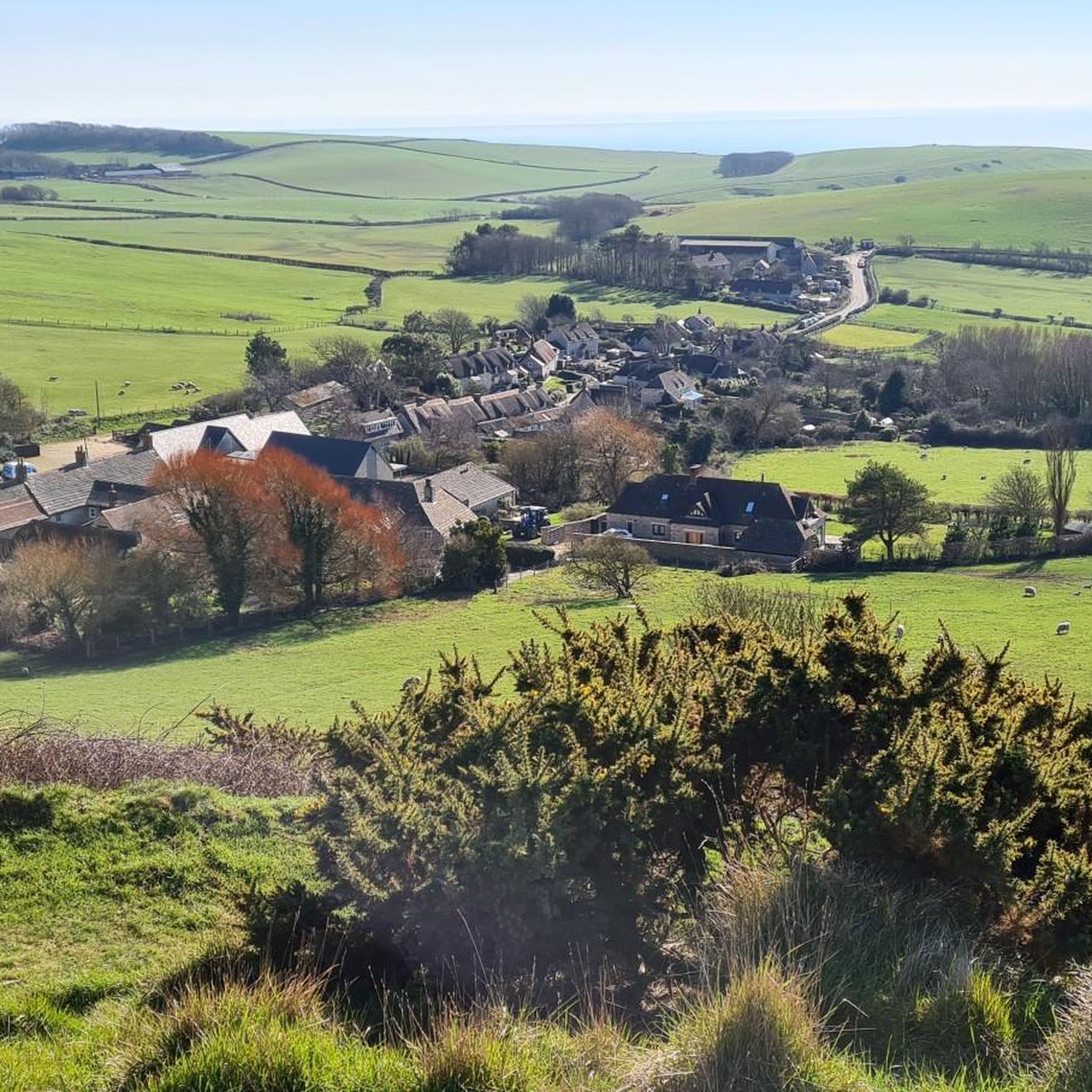
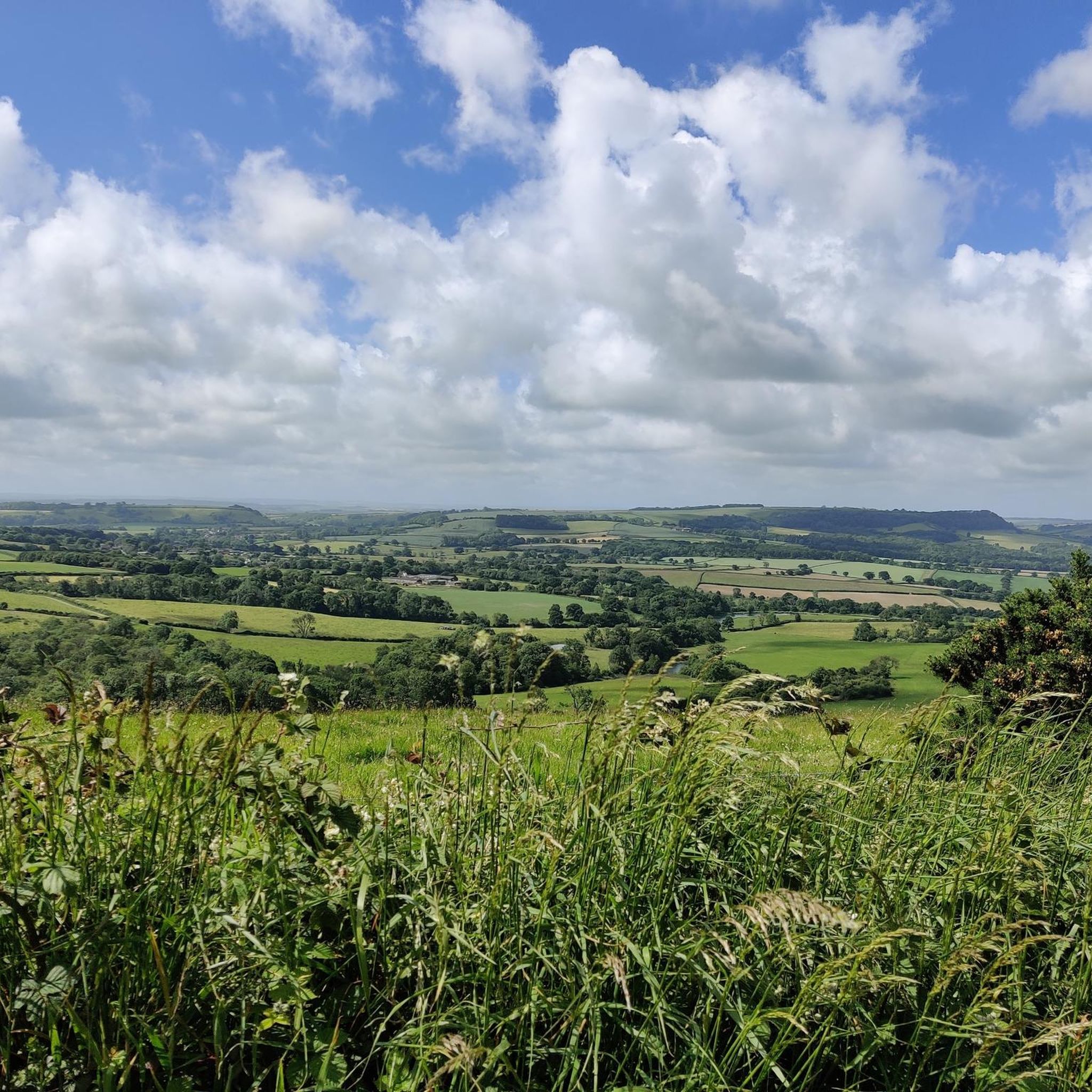

Tips from the Community

notable for being one of the first planned settlements in England. In the 1770s, the owner of Milton Abbey, Joseph Damer (later Lord Milton and Earl of Dorchester), decided the original village of Middleton was spoiling his view and commissioned architect Sir William Chambers and landscape gardener Capability Brown to design a new village in a nearby wooded valley. The old village was demolished, and most of its residents were relocated to this new model village, now known as Milton Abbas. The village is characterized by its single, sinuous main street lined with 36 almost identical whitewashed and thatched cottages. These were originally designed to house two families each.
0
0


What a beautiful place to ride a bike! Nothing too demanding along this route. A mixture of cyclists, dog walkers, hikers and pushchair parents. highly recommend this route.
1
0
Shillingstone railway station was a station on the Somerset and Dorset Joint Railway (S&DJR), serving the village of Shillingstone in the English county of Dorset. Shillingstone is the last surviving example of a station built by the Dorset Central Railway (one of the forerunners of the S&DJR). The station closed in 1966, when services were withdrawn from the S&DJR route. Since 2001, enthusiasts have been working to re-open the station as a heritage railway attraction.[1] The main building has now been renovated, and opened to the public as a museum, shop and refreshment room in 2008.[ The station was opened on 31 August 1863 by the Somerset and Dorset Railway, although planned and designed by one of its two predecessors, the Dorset Central Railway. Initial train services were provided by the London and South Western Railway (LSWR). In 1875, the Midland Railway and the LSWR together took over a joint lease of the line, forming the Somerset and Dorset Joint Railway.
0
0
The hill is now a National Nature Reserve (NNR) with common plants including milkwort, salad burnet, horseshoe vetch, squinancywort, pyramidal orchid and wild thyme. Rarer species include bastard toadflax, meadow saxifrage, early gentian and dwarf sedge. Butterflies include dingy skipper, grizzled skipper, chalkhill blue and Adonis blue. In August 2014, Hambledon Hill fort was acquired by the National Trust for £450,000. The money to buy the hill had come from a Natural England grant and a legacy gift left to benefit Dorset countryside. The hillfort is a Scheduled Monument, as is the adjacent Neolithic causewayed camp.
2
0
Frequently Asked Questions
What historical sites can I visit around Woolland?
The area around Woolland is rich in history. You can explore the well-preserved Iron Age hill forts of Hambledon Hill and Hod Hill, both offering insights into ancient civilizations. Don't miss the Shillingstone Railway Station & Museum, a restored Victorian station with rolling stock. Additionally, Sturminster Newton Mill, still milling flour today, provides a glimpse into industrial heritage. Within Woolland itself, the 19th-century Woolland Church and an ancient yew tree, believed to be over 1000 years old, are also points of interest.
Which locations offer the best views of the surrounding countryside?
For breathtaking panoramic views, head to Hambledon Hill Iron Age hill fort. From its summit, you can see across the Blackmore Vale and River Stour, extending into Wiltshire and Somerset. Hod Hill also provides fantastic vistas, especially along the Stour Valley Way path that runs through its center.
Are there family-friendly attractions around Woolland?
Yes, several attractions cater to families. Shillingstone Railway Station & Museum is a fun and educational visit with its restored trains. Both Hambledon Hill and Hod Hill are great for active families, offering space to explore and deep ramparts that children often enjoy. The North Dorset Trailway is a largely flat, traffic-free path perfect for family cycling or walks. For animal lovers, Monkey World - Ape Rescue Centre is a short drive away, and The Tank Museum offers an impressive collection of vehicles.
What kind of natural landscape can I expect to see near Woolland?
Woolland is nestled in the North Dorset Area of Outstanding Natural Beauty, characterized by gentle rolling downland, woodlands, and nature reserves. You'll find winding country lanes, bridle paths, footpaths, and rivers teeming with wildlife. The area is known for its unimproved calcareous grasslands, home to rare plant and animal species, particularly at sites like Hambledon Hill and Hod Hill.
What outdoor activities can I do near these attractions?
The region offers excellent opportunities for outdoor activities. You can enjoy hiking on trails like those found in the Hiking around Woolland guide, which includes routes around Bulbarrow Hill and The Dorset Gap. For cycling, the North Dorset Trailway provides a traffic-free experience. Mountain biking enthusiasts can find trails in the MTB Trails around Woolland guide, with options ranging from easy to difficult. Running routes are also available, as detailed in the Running Trails around Woolland guide.
Are there any easy walking trails suitable for all abilities?
Yes, the North Dorset Trailway is an excellent option for easy walking. This off-road gravel path is largely flat and traffic-free, making it suitable for families and those seeking a gentle stroll. It runs between Sturminster Newton and Blandford Forum, offering pleasant views of the countryside.
What is the best time to visit the attractions around Woolland?
The spring and summer months (April to September) are particularly rewarding. During this time, the calcareous grasslands of Hambledon Hill and Hod Hill are vibrant with wildflowers, insects, and butterflies. The weather is also generally more favorable for outdoor activities like hiking and cycling. Some attractions, like Sturminster Newton Mill, operate seasonally, so it's advisable to check their opening hours if planning a visit outside of peak season.
Are there any notable cultural sites or towns nearby?
Beyond Woolland's immediate vicinity, you can explore several charming towns. Blandford Forum is known for its Georgian architecture, while Sturminster Newton is an old market town. Dorchester, the county town, offers Roman history, museums, and connections to Thomas Hardy. Shaftesbury and Sherborne are also historical towns with unique character and attractions worth visiting.
What do visitors enjoy most about the attractions around Woolland?
Visitors frequently praise the stunning views from the hill forts, particularly Hambledon Hill, which offers expansive vistas across the Blackmore Vale. The historical significance of sites like the Iron Age hill forts and the restored Shillingstone Railway Station is also highly appreciated. Many enjoy the peaceful, natural beauty of the area, making it ideal for walking, cycling, and observing local wildlife.
Can I find any unique natural features or wildlife in the area?
Yes, the area is known for its unique natural features. Hambledon Hill is recognized for its unimproved calcareous grassland, home to rare plant species like milkwort and pyramidal orchid, and butterflies such as the chalkhill blue. Hod Hill also boasts abundant insect, butterfly, and plant life. Keep an eye out for local otters near Sturminster Newton Mill.
Are there any long-distance trails or routes that pass through the area?
The Stour Valley Way path runs directly through the center of Hod Hill, offering scenic views along this mostly low-lying trail. Additionally, the North Dorset Trailway provides a significant off-road route for walking and cycling, connecting several towns in the region.
What are some other attractions a short drive from Woolland?
Within a short driving distance, you can explore Dorset's Jurassic Coast, England's first natural World Heritage Site, offering stunning coastal scenery and fossil hunting. Other options include Monkey World - Ape Rescue Centre, The Tank Museum in Bovington, and Warmwell Holiday Park, which offers various activities like a ski slope and high ropes.
Most popular attractions around Woolland

Get inspired with the komoot mobile app


Explore more
Still not found the Highlight you’re looking for? See guides of the top attractions in other regions:
