Top 5 Castles around Church Knowle
Best castles around Church Knowle are found in a charming Dorset village, an ideal base for exploring historical sites. The area is primarily associated with the dramatic Corfe Castle, located just over a mile away. Its strategic position offers commanding views of the Purbeck region and surrounding countryside. The village itself is built from characteristic grey Purbeck limestone, providing a picturesque setting for exploration.
Best castles around Church Knowle
- The most popular castles is Corfe Castle Town Hall, a…
Last updated: June 29, 2026
Corfe Castle Town Hall
Highlight • Historical Site
Tip by

Durlston Castle
Highlight • Viewpoint
Translated by Google •
Tip by

Sign up now to discover places like this
Get recommendations on the best single tracks, peaks, & plenty of other exciting outdoor places.
Sign up for free
Lulworth Castle
Highlight • Historical Site
Tip by

Lulworth Castle
Highlight • Castle
Translated by Google •
Tip by

Start today with a free account
Your next adventure awaits.
Login or Signup
Tips from the Community


Nice cafe. Usually art installations downstairs. Walks along coast and not far to Swanage. https://www.durlston.co.uk/
0
0

Lulworth Castle is a prominent historic site in Dorset, England, with a rich history spanning centuries. Built in the early 17th century as a hunting lodge, it has served as a family seat, a venue for royalty, and a tourist attraction, according to the Lulworth Estate. The castle has undergone significant renovations and is now open to the public, offering visitors a glimpse into its past and a chance to explore its beautiful grounds, says English Heritage.
1
0
Built by W.M. Hardy in 1886-87 entirely of local stone. The 'castle' was never a real castle: it was purpose-built by Burt as a restaurant for the visitors to his estate. The castle played a part in the evolution of radio and telecommunications. A team of Marconi's engineers used the roof of the castle in the 1890s for some of their early wireless experiments to transmit to the Isle of Wight. The castle passed through the hands of many owners until in 1973 it was bought by Dorset County Council. It was designated as a listed building at Grade II in 1983.
0
0

amazing visitor centre, views, galleries, exhibtions shop etc
0
0

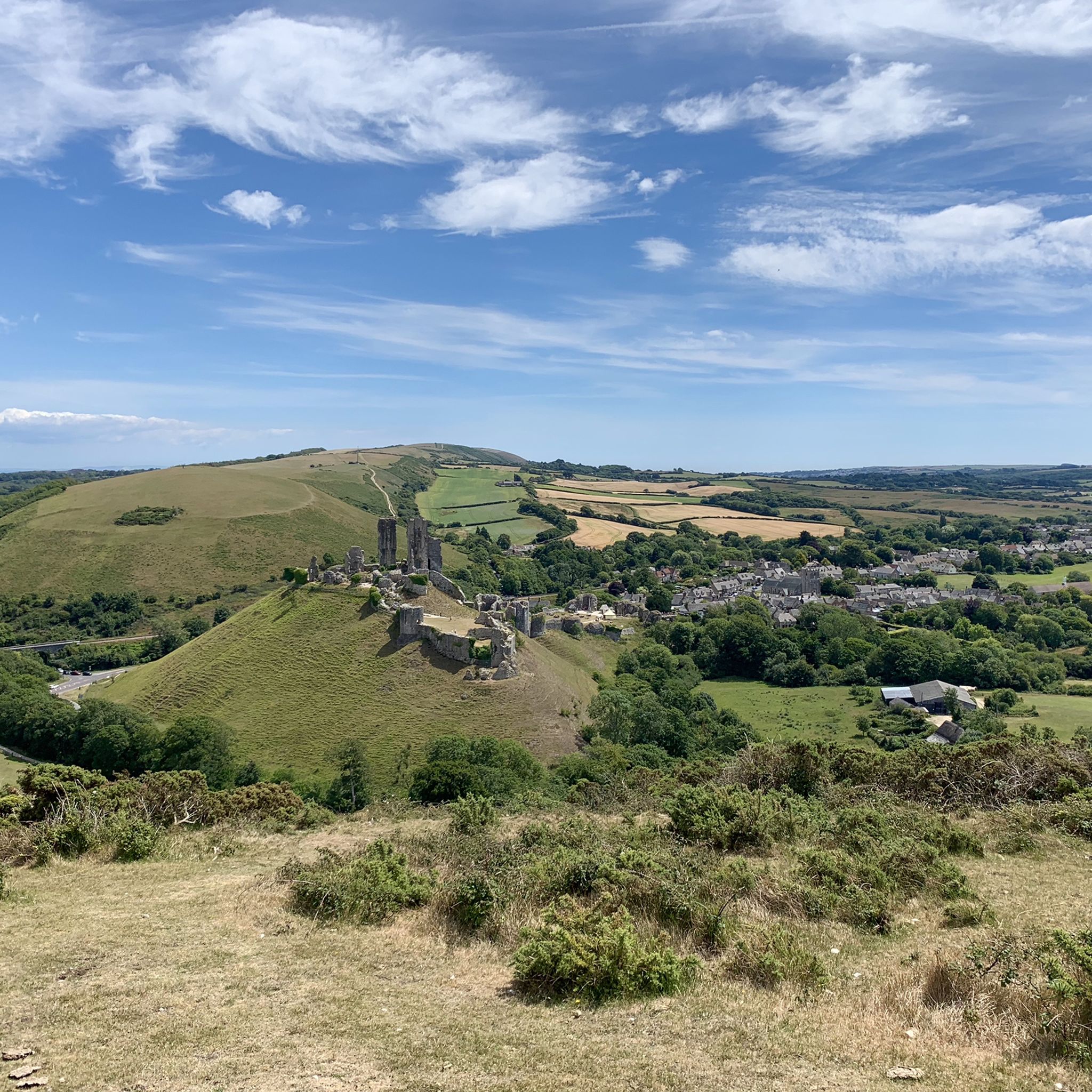
Named after the dramatic castle ruins that sit on the high above the village, Corfe Castle is a delight to explore. Built strategically at a gap in the Purbeck Ridge, the castle dates back to the 10th century and is today owned by the National Trust. The village is built from characteristic grey Purbeck limestone and boasts a wealth of places to eat and drink, as well as many accommodation options. The walking in the region is superb, with the heaths, hills and, of course, the excellent coast path.
2
0
Get here early and on a clear day.... you'll be hard pushed to find a better place to catch a beautiful sunrise. John Mowlem, a Swanage-born man, was a stonemason and builder. He was the founder of the quarrying and construction company Mowlem. He and his nephew and business partner George Burt wanted to give something back to their home town, which was the source of their Portland and Purbeck limestone, popular for building at the time. John Mowlem built the Mowlem Institute, a reading room and public library, in 1862. George Burt purchased an undulating tract of land covering Durlston Head during the same year. This estate, the Durlston Estate, included quarries that supplied their firm with limestone. Burt developed this estate as a tourist attraction. Burt established the Durlston Estate upon the crest of the hill and here he built his folly Durlston Castle. The castle was designed by the Weymouth architect G.R. Crickmay (1830-1907) and built by W.M. Hardy in 1886-87 entirely of local stone. The 'castle' was never a real castle: it was purpose-built by Burt as a restaurant for the visitors to his estate. The castle played a part in the evolution of radio and telecommunications. A team of Marconi's engineers used the roof of the castle in the 1890s for some of their early wireless experiments to transmit to the Isle of Wight. The castle passed through the hands of many owners until in 1973 it was bought by Dorset County Council. It was designated as a listed building at Grade II in 1983.
1
0

Unique village with it's own iconic ruin as well as great village shop, bakery and a few pubs.
0
0
Frequently Asked Questions
What is the history behind Corfe Castle?
Corfe Castle is a dramatic and historically significant ruin with origins dating back to the 10th century. Its existing ruins are largely from the 11th century, further fortified around 1280. It served as a Royalist stronghold during the English Civil War and was famously 'slighted' (destroyed) by Parliamentary troops in 1646, leaving its striking, crooked walls and gates visible today. The castle is now owned by the National Trust.
What makes Durlston Castle unique?
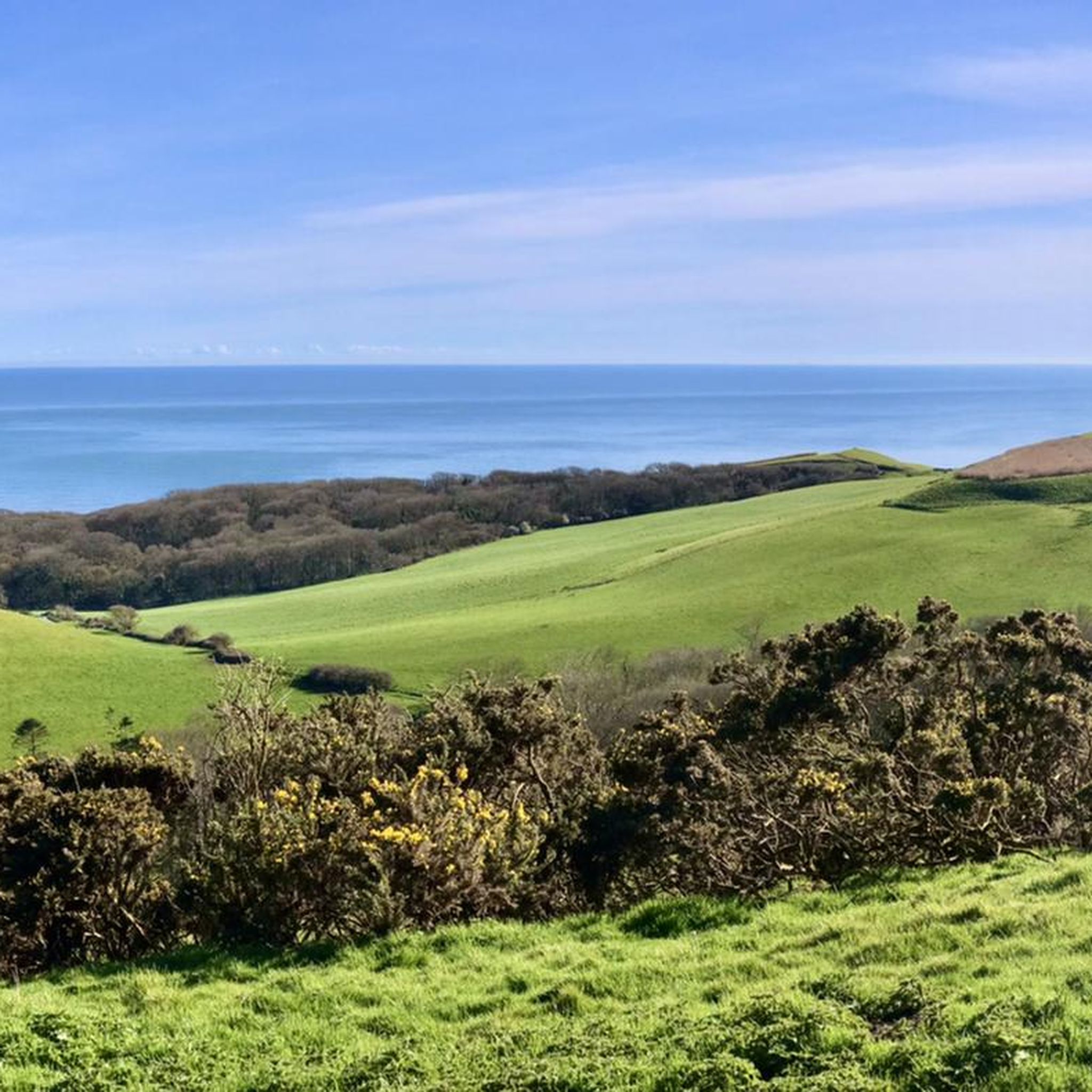
Durlston Castle, located on Durlston Head, offers wonderful views of rocky cliffs and the UNESCO World Heritage Jurassic coastline. It was built in 1886-87 not as a defensive fortress, but as a folly and restaurant for visitors to the Durlston Estate. It also played a role in early wireless experiments by Marconi's engineers in the 1890s.
Is Lulworth Castle worth visiting?
Yes, Lulworth Castle is a prominent 17th-century historical site that originally served as a hunting lodge for aristocracy and royalty. After being destroyed by fire in 1929, it has been restored and is now open to the public, offering a glimpse into its past and beautiful grounds. It is also considered family-friendly.
Are there family-friendly castles to visit near Church Knowle?
Yes, both Lulworth Castle and Corfe Castle Town Hall (which refers to the village and the dramatic castle ruins above it) are highlighted as family-friendly. The ruins of Corfe Castle itself offer an engaging historical experience for all ages.
What outdoor activities can I do near these castles?
The area around Church Knowle and its castles is a 'walker's paradise' with numerous footpaths. You can also find various cycling opportunities. For example, there are many Road Cycling Routes, Gravel Biking routes, and Running Trails that pass by or offer views of these historical sites.
How long does it take to visit Corfe Castle from Church Knowle?
Corfe Castle is located just over a mile from Church Knowle, making it a very short drive or a pleasant walk. The time spent exploring the castle itself can vary, but visitors often spend a few hours appreciating the ruins, the village, and the panoramic views.
What natural features or viewpoints can I find near the castles?
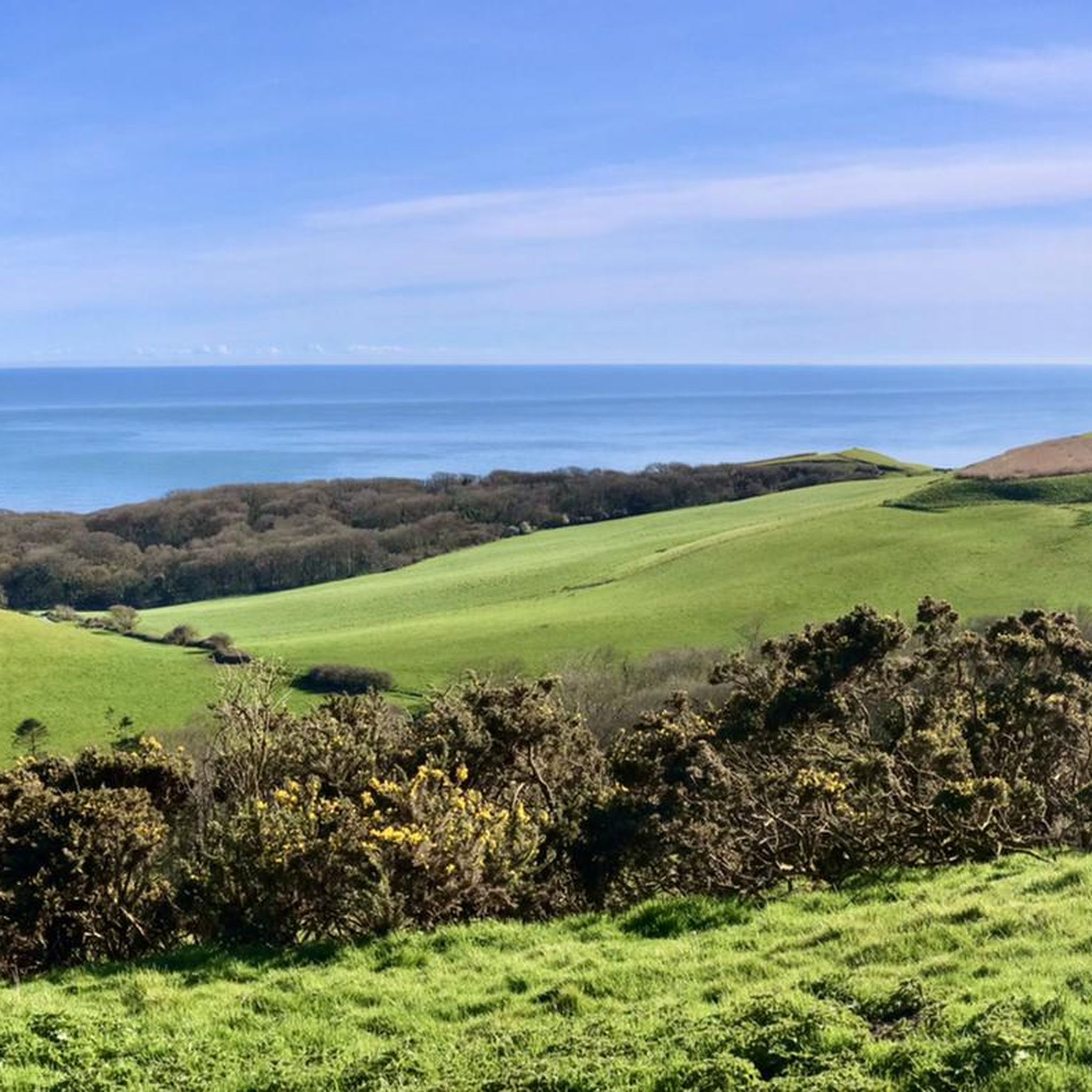
The castles are set amidst stunning natural beauty. Corfe Castle Ruins offer marvellous panoramic views of the Purbeck region and surrounding countryside from its prominent hill. Durlston Castle provides wonderful views of rocky cliffs and the sea. The entire area is known for its scenic Purbeck Hills and coastal paths.
Are there public transport options to castles near Church Knowle?
While Church Knowle itself is a charming village, public transport options directly to all castles might be limited. Corfe Castle village is accessible by public transport, and its proximity to Church Knowle makes it the most convenient option. It's advisable to check local bus schedules for specific routes to other sites like Lulworth Castle.
What is the best time of year to visit castles near Church Knowle?
The area is beautiful year-round, but spring and summer offer the most pleasant weather for exploring the ruins and enjoying the surrounding walks. Autumn provides stunning colours, and even winter can be dramatic, though you should dress warmly. The 'walker's paradise' aspect means good weather enhances the experience.
What is the village of Corfe Castle like?
The picturesque village of Corfe Castle, built from characteristic grey Purbeck limestone, is a delight to explore. It boasts a wealth of places to eat and drink, as well as accommodation options. The village is named after the dramatic castle ruins that sit high above it, making it a perfect base for historical exploration and walking.
Can I find cafes or pubs near the castles?
Yes, the village of Corfe Castle, adjacent to the Corfe Castle Ruins, has numerous pubs and cafes. Durlston Castle also features a cafe with a sun terrace, offering a pleasant spot to relax and enjoy the views.
Are there specific walking trails that offer views of Corfe Castle?
Yes, the area around Corfe Castle is excellent for walking. Trails like the Corfe Castle and Knowle Hill walk provide excellent views and a chance to get away from the crowds. Many footpaths in the Purbeck Hills offer different perspectives of the castle and the scenic countryside.
Most popular routes around Church Knowle
Most popular attractions around Church Knowle

Get inspired with the komoot mobile app


Explore more
Looking for the best castles somewhere else? Discover other guides around Church Knowle:
