Attractions and Places To See around Wareham St. Martin - Top 20
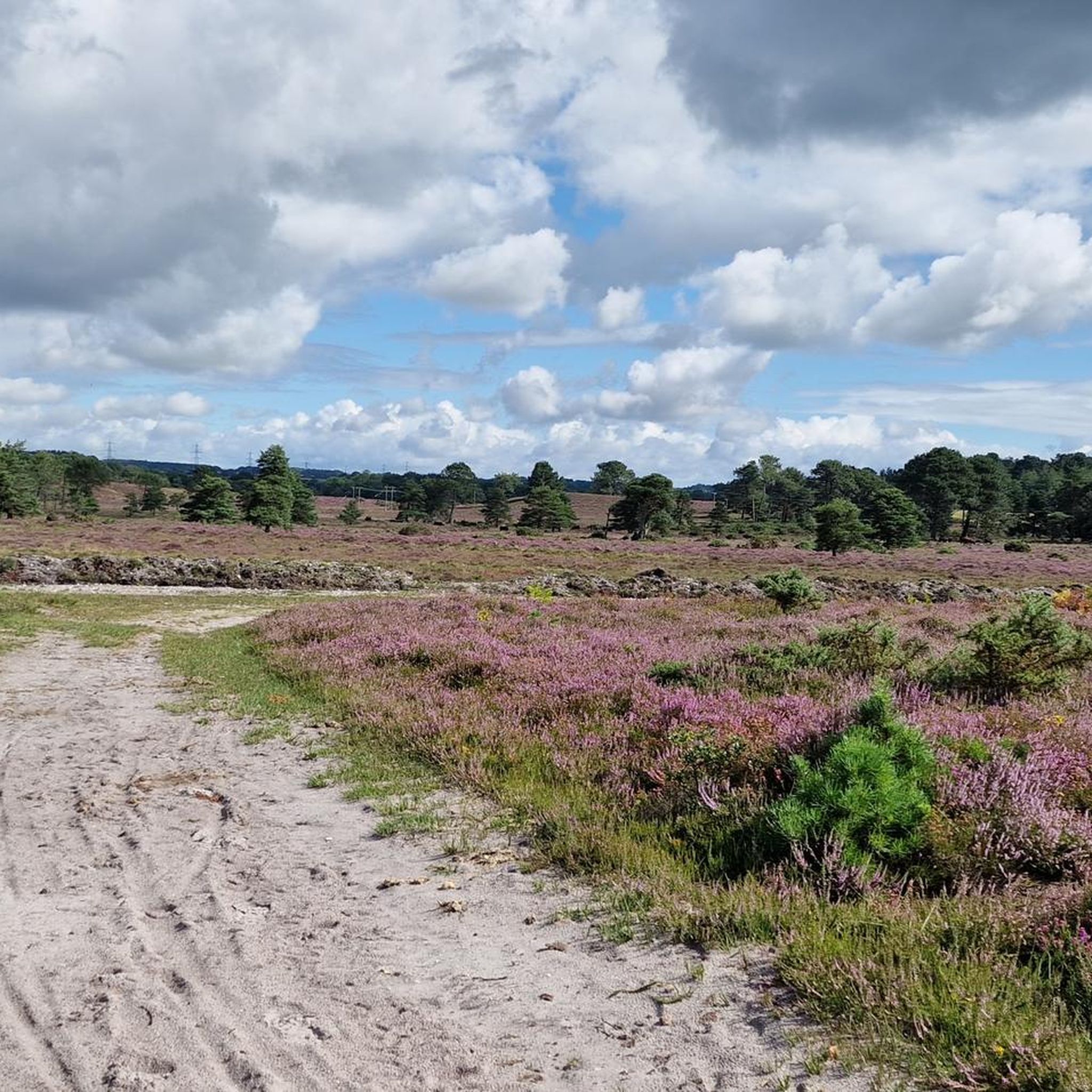
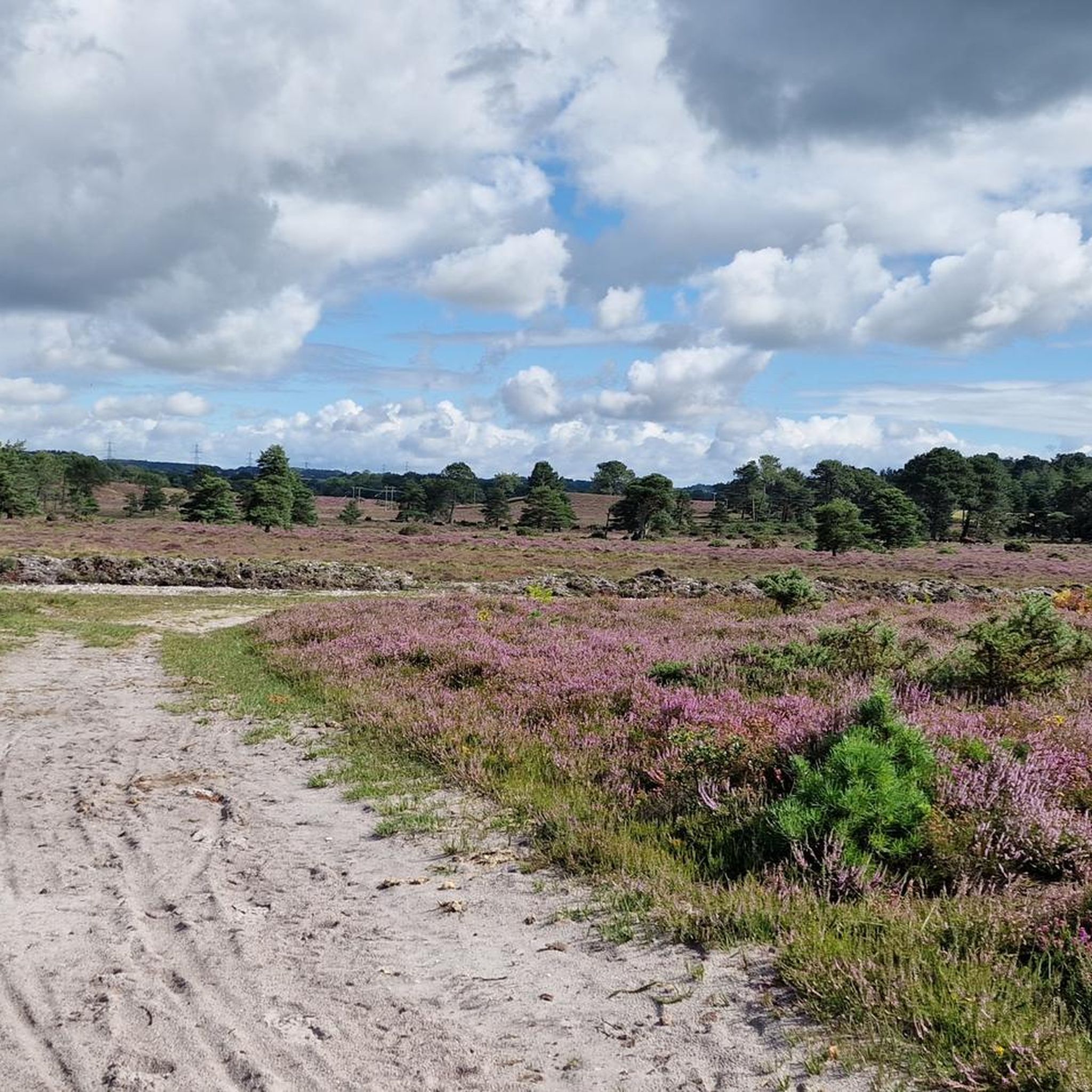
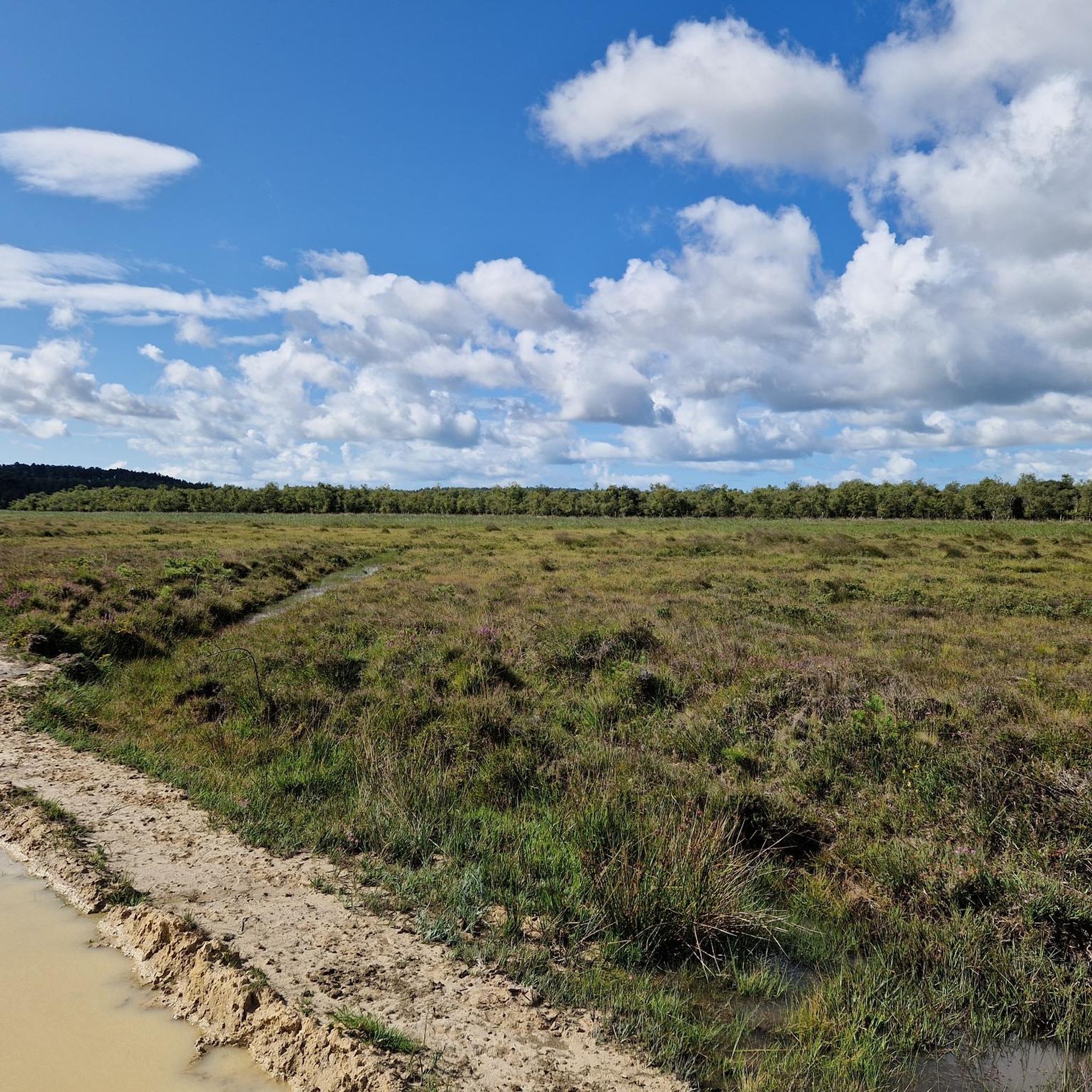
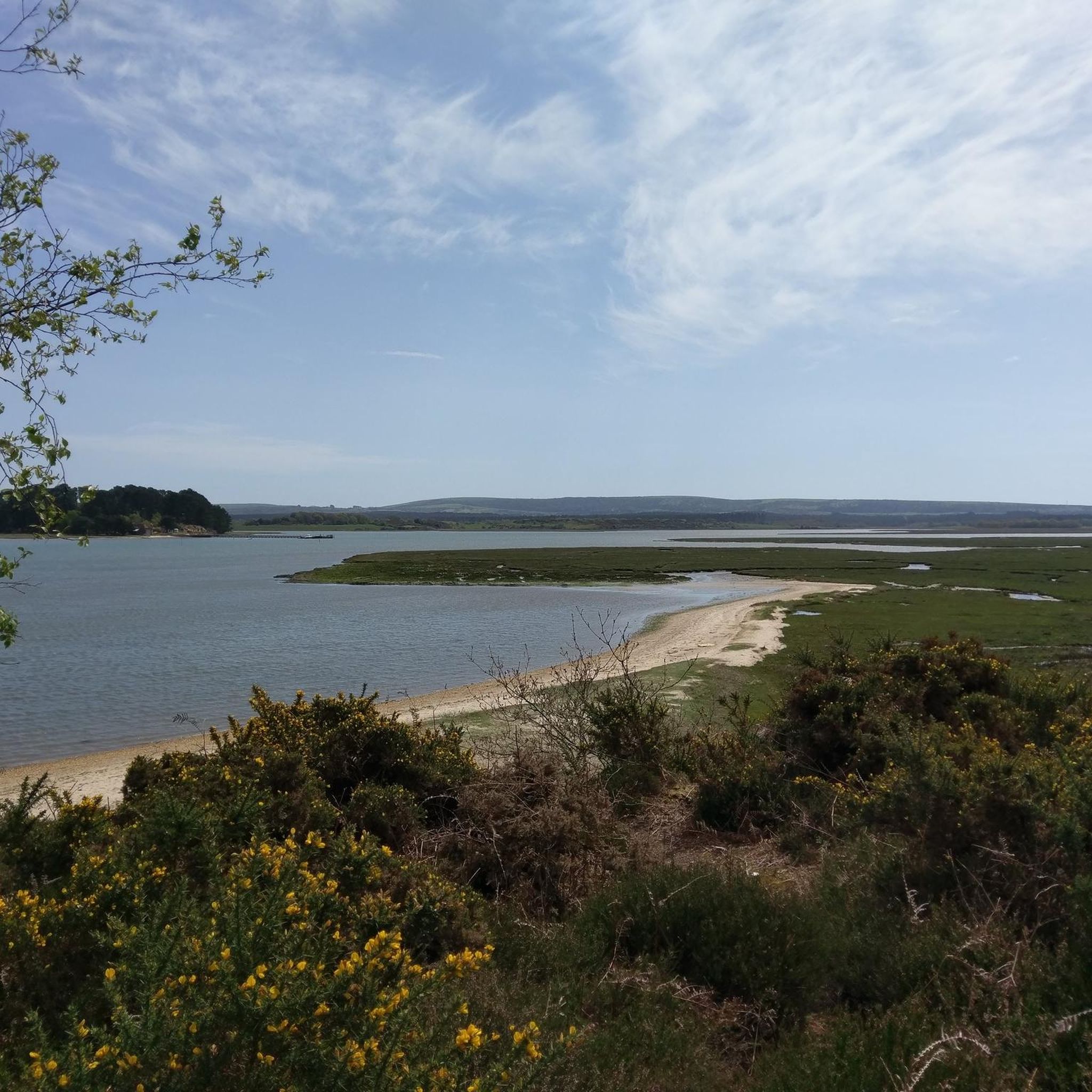
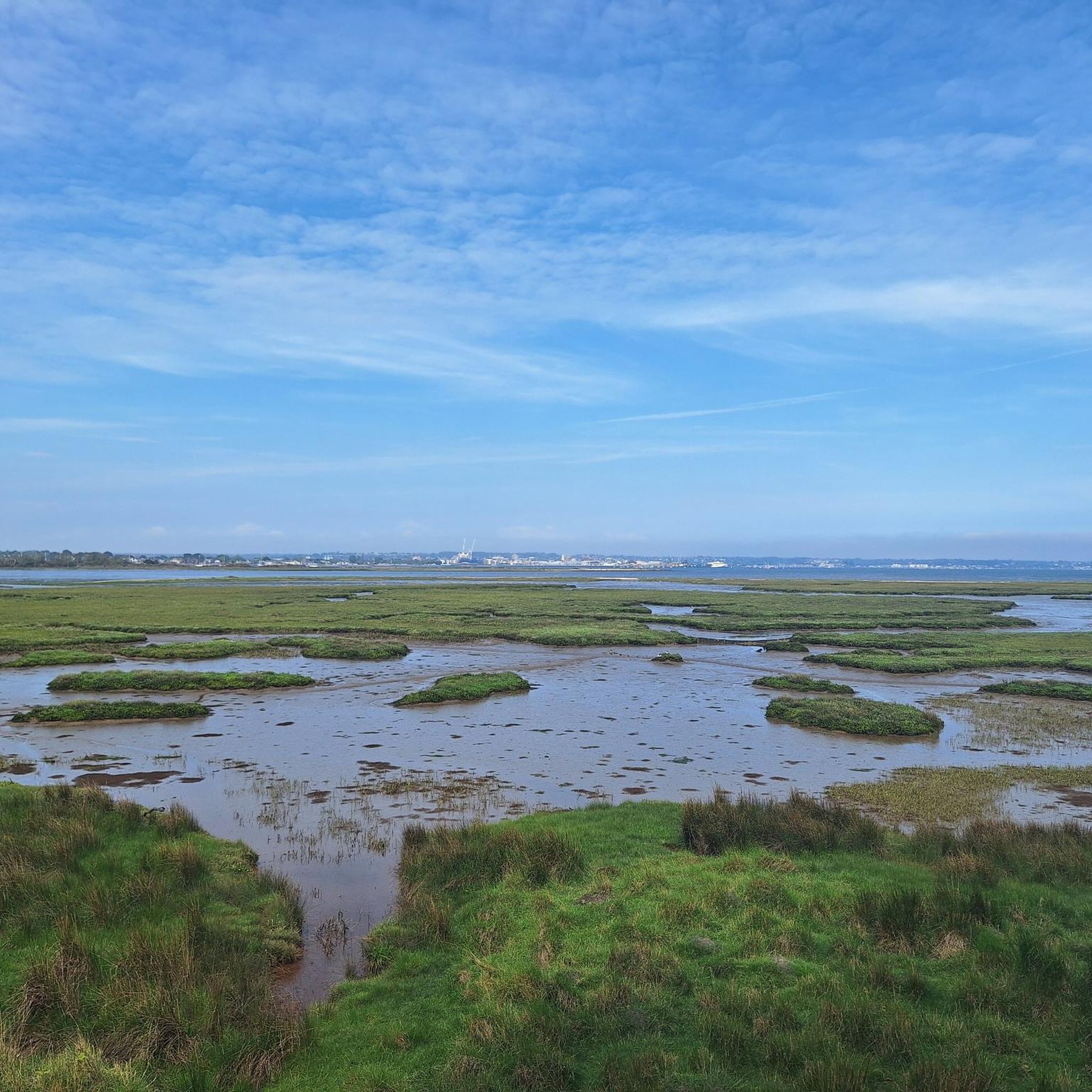
Best attractions and places to see around Wareham St. Martin include a mix of historical sites, natural landmarks, and scenic routes. This rural parish, located north of Wareham town, is characterized by its extensive heathlands and woodlands, notably Wareham Forest. The area also features ancient Anglo-Saxon structures and is in proximity to the Rivers Piddle and Frome. Visitors can explore a diverse landscape that combines historical significance with natural beauty.
Best attractions and places to see around Wareham St. Martin
…Last updated: October 9, 2026
Sandbanks Ferry
Highlight • Structure
Check out more at sandbanksferry.co.uk/timetable.php
Tip by

Kimmeridge Bay and Clavell Tower
Highlight • Viewpoint
Tip by

Sign up now to discover places like this
Get recommendations on the best single tracks, peaks, & plenty of other exciting outdoor places.
Corfe Castle Town Hall
Highlight • Historical Site
Tip by

Agglestone Rock
Highlight • Natural Monument
Tip by
Clavell Tower
Highlight • Monument
Tip by

Sign up for free to discover even more attractions around Wareham St. Martin.
Already have an account?
Start today with a free account
Your next adventure awaits.
Tips from the Community

The Old Town Hall in Corfe Castle, Dorset, is famous as the smallest town hall in England. Rebuilt around 1774 following a fire, its ground floor utilizes stone salvaged from the historic castle ruins. The tiny building features a 350-square-foot former council chamber on the first floor. Today, it is managed by the Corfe Castle Town Trust and houses a free local history museum on its ground floor.
0
0


Formerly an "anvil" shape with a flat top, in 1970 it fell on one end and one side, leaving the top at an angle of about 45°.
0
0
also known as the "Devil's Anvil," is a large, distinctive sandstone block located on a conical hill on Godlingston Heath near the village of Studland in south Dorset, England. This impressive rock, weighing approximately 400 tonnes, is a popular landmark and a local curiosity. Local legends offer a more dramatic explanation for the rock's existence. The most famous myth says the Devil, standing on The Needles on the Isle of Wight, hurled the massive rock with the intention of hitting Corfe Castle, Bindon Abbey, or Salisbury Cathedral. However, his aim was poor, and the rock landed short of its target, where it now sits. Before it toppled over in 1970, the rock had a flat top and an anvil-like shape, which led to its nickname "the Devil's Anvil." Some folklore also suggests that the rock was a holy stone or a Druidical altar.
0
0


- Built in **1830** as a folly by Reverend John Clavell, likely as an observatory or romantic coastal landmark. - Moved **25 meters inland** in 2008 to save it from cliff erosion—an engineering feat involving dismantling and rebuilding stone-by-stone. - Inspired writer **Thomas Hardy**, who featured it in his novel *The Well-Beloved*. - Now a unique **holiday rental** managed by the Landmark Trust, offering panoramic views of Kimmeridge Bay and the Jurassic Coast. - Its Tuscan-style design and mysterious history (no clear original purpose) add to its allure as a coastal curiosity.
1
0

Named after the dramatic castle ruins that sit on the high above the village, Corfe Castle is a delight to explore. Built strategically at a gap in the Purbeck Ridge, the castle dates back to the 10th century and is today owned by the National Trust. The village is built from characteristic grey Purbeck limestone and boasts a wealth of places to eat and drink, as well as many accommodation options. The walking in the region is superb, with the heaths, hills and, of course, the excellent coast path.
2
0
Frequently Asked Questions
What historical sites can I explore in and around Wareham St. Martin?
The area is rich in history. Within the parish, you can visit St. Martin's Church, one of Dorset's most complete late-Saxon churches, featuring a tomb effigy of T.E. Lawrence. Also, explore Woolsbarrow Hillfort, an ancient Iron Age site within Wareham Forest. Nearby, the monumental Saxon Walls of Wareham town, believed to be built by King Alfred the Great, offer a glimpse into the past. Further afield, Corfe Castle Town Hall provides a fascinating historical stop.
Where can I find unique natural landmarks near Wareham St. Martin?
For natural wonders, head to Agglestone Rock, a mysterious 400-tonne sandstone formation on Godlingston Heath. The stunning Kimmeridge Bay and Clavell Tower offers rock pools, snorkeling, and views of the iconic Clavell Tower. The expansive Wareham Forest itself is a significant natural area with heathlands and woodlands, part of the Purbeck Heaths National Nature Reserve.
Are there good walking routes or hiking trails around Wareham St. Martin?
Yes, the area offers numerous walking opportunities. Wareham Forest has many miles of tracks through ancient landscapes. You can also explore trails around Woolsbarrow Hillfort. The nearby River Piddle and River Frome provide picturesque riverside walks. For more detailed routes, you can explore various walking guides available for the region.
What cycling opportunities are available near Wareham St. Martin?
The region is excellent for cycling. You can find a variety of routes for different types of bikes. For road cycling, explore options like the 'Entrance Road to Corfe Castle – Wareham Quay loop'. Touring cyclists can enjoy routes such as 'Morden Heath – Sika Trail loop'. Gravel biking enthusiasts have options like 'Woolsbarrow Hillfort – Singletrack With Jumps loop'. Find more routes in the Road Cycling Routes around Wareham St. Martin, Cycling around Wareham St. Martin, and Gravel biking around Wareham St. Martin guides.
Are there family-friendly attractions in the Wareham St. Martin area?
Absolutely. Many natural sites like Wareham Forest and Kimmeridge Bay are great for families to explore. The nearby Wareham Quay often hosts local events. For animal lovers, Monkey World is a short drive away, and The Tank Museum offers an engaging experience for all ages. Corfe Castle Town Hall is also listed as family-friendly.
What are some of the best viewpoints in the area?
The region offers several scenic viewpoints. From Woolsbarrow Hillfort, you can enjoy views of the undulating heathland. Kimmeridge Bay and Clavell Tower provides sweeping scenes across the bay, especially from the folly itself. The wider Jurassic Coast, easily accessible from Wareham, boasts world-famous views like Durdle Door and Lulworth Cove.
What wildlife can I spot in Wareham St. Martin?
Wareham Forest, part of the Purbeck Heaths National Nature Reserve, is a hotspot for wildlife. It's home to unique plants like Dorset Heath heather and various animals including Natterer's Bat, Sand Lizards, and Smooth Snakes. The nearby RSPB Arne Nature Reserve offers excellent birdwatching opportunities with diverse habitats and breathtaking views across Poole Harbour.
Is there public transport access to attractions around Wareham St. Martin?
While Wareham St. Martin is primarily rural, the town of Wareham itself is a hub for local buses. Some attractions, particularly those closer to Wareham town or on main routes, may be accessible by public transport. However, for many of the more remote natural sites and hillforts, personal transport or cycling is often more convenient. It's advisable to check local bus schedules for specific destinations.
What is the Sandbanks Ferry and how does it operate?
The Sandbanks Ferry is a chain ferry connecting Sandbanks to Studland, providing a convenient way to access coastal areas. It operates frequently, typically every 20 minutes, from 7 am until 11 pm. It's a popular choice for cyclists, costing only £1 to cross by bike, and offers a scenic journey across the water.
What is the best time to visit Wareham St. Martin for outdoor activities?
The spring and summer months (April to September) generally offer the most pleasant weather for outdoor activities like walking, cycling, and exploring the natural landscapes. The heathlands are particularly beautiful when the heather is in bloom. However, the area's forests and historical sites can be enjoyed year-round, with autumn offering vibrant foliage and winter providing crisp, quiet walks.
Are there any accessible attractions for visitors with mobility considerations?
The Sandbanks Ferry is listed as wheelchair accessible, providing an easy way to cross to Studland. While many natural trails can be uneven, some sections of Wareham Forest and paths along the River Frome might offer flatter, more accessible routes. It's always recommended to check specific trail conditions or contact venues directly for detailed accessibility information.
What do visitors enjoy most about the attractions near Wareham St. Martin?
Visitors frequently praise the stunning natural beauty and historical significance of the area. They particularly enjoy the unique rock formations like Agglestone Rock, the picturesque views from Kimmeridge Bay, and the charm of historical sites like Corfe Castle Town Hall. The diverse walking and cycling opportunities through heathlands and along the coast are also highly valued.
Most popular routes around Wareham St. Martin
Most popular attractions around Wareham St. Martin

Get inspired with the komoot mobile app


Explore more
Still not found the Highlight you’re looking for? See guides of the top attractions in other regions:
