The best cycling routes around Moreton
4.6
(37)
343
riders
27
rides
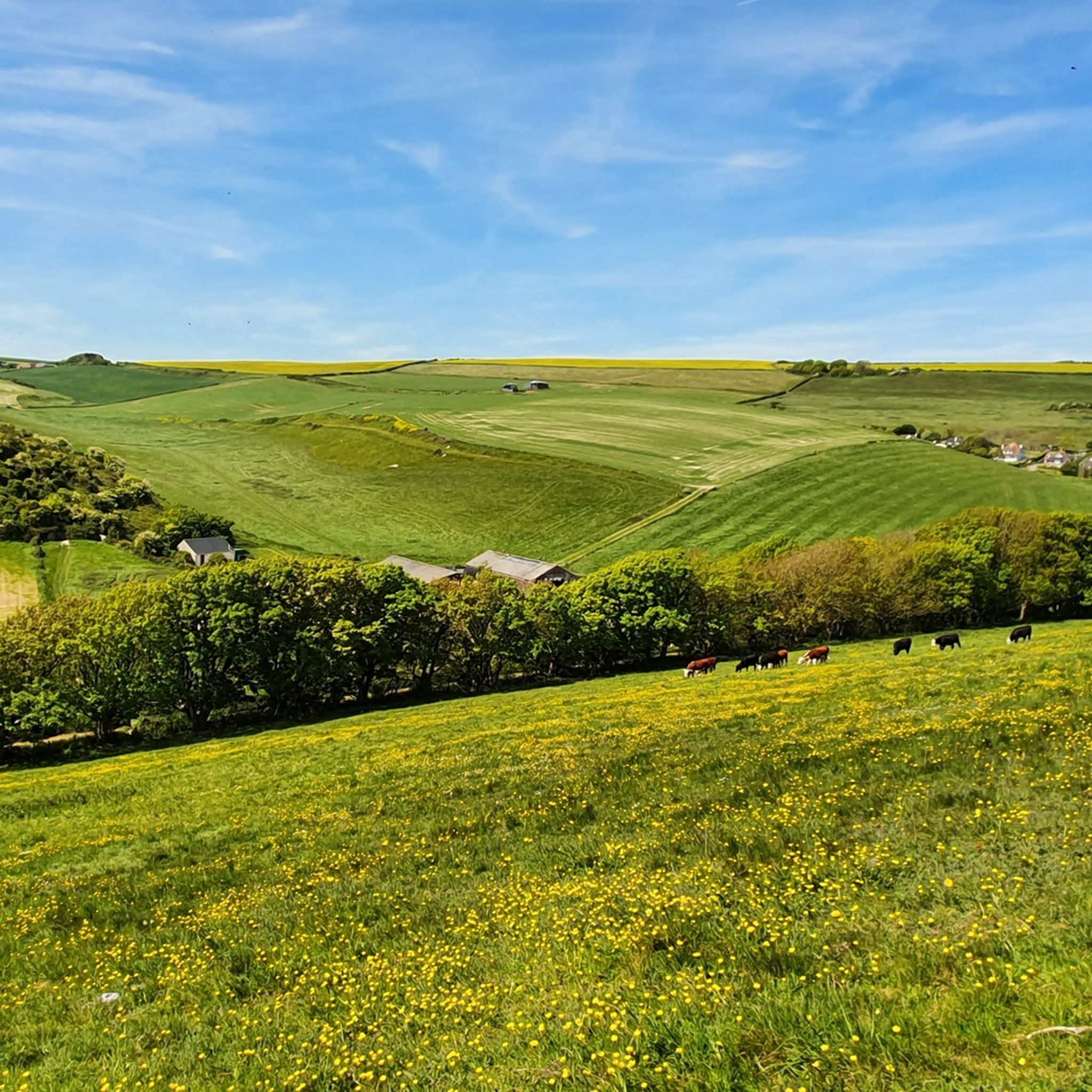
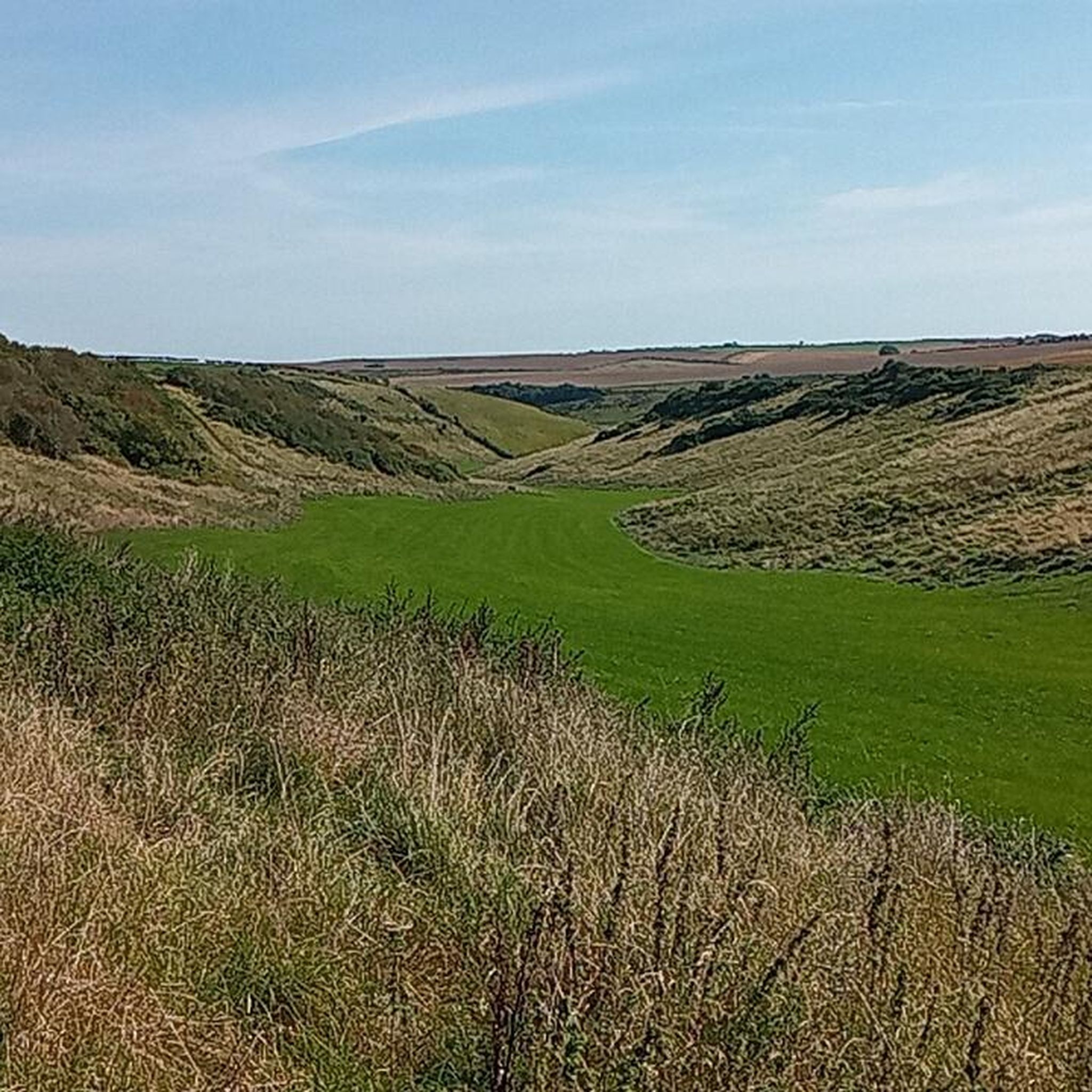
Touring cycling routes around Moreton traverse a landscape characterized by rolling hills, ancient woodlands, and rural scenery. The region features quiet country roads and paths that connect traditional villages. Terrain varies, offering options from mostly flat sections to routes with longer distances and steeper ascents.
Best touring cycling routes around Moreton
- The most popular touring cycling route is Studland Bay & Old Harry Rocks loop from Moreton — Isle of Purbeck, a 52.6 miles (84.7 km) trail that takes…
Last updated: August 23, 2026
3.0
(2)
41
riders
84.7km
05:29
860m
860m
Hard bike ride. Very good fitness required. Some segments of this route may be unpaved and difficult to ride.
5.0
(1)
57
riders
46.0km
02:54
410m
410m
Moderate bike ride. Good fitness required. Mostly paved surfaces. Suitable for all skill levels.

Sign up for free
5.0
(1)
55
riders
74.5km
04:49
730m
730m
Hard bike ride. Very good fitness required. Mostly paved surfaces. Suitable for all skill levels.
5.0
(3)
44
riders
51.2km
03:10
410m
410m
Moderate bike ride. Good fitness required. Mostly paved surfaces. Suitable for all skill levels.
3.8
(4)
43
riders
37.9km
02:12
150m
150m
Moderate bike ride. Good fitness required. Mostly paved surfaces. Suitable for all skill levels.
Get access to more routes and recommendations from other explorers.
Sign up for free
Already have an account?
Our route recommendations are based on thousands of hikes, rides, and runs completed by other people on komoot.
Start today with a free account
Your next adventure awaits.
Login or Signup
Tips from the Community

The castle cannot be visited. Everything was locked.
0
0
A stand with fruit and vegetables for a small fee.
0
0

The "Why" Behind the Hill Burt didn't just put it there because it looked nice. He dedicated it to his uncle and mentor, John Mowlem (another massive figure in Swanage history). But there was a practical side, too: A Landmark: It served as a waypoint for ships navigating the tricky waters around Old Harry Rocks. The View: Burt was obsessed with showing off the beauty of his hometown. By placing it on the ridge, he essentially gave people a reason to climb the hill and look down at the town he was helping to build. The Great Disappearing Act (WWII) If you look closely at the obelisk today, it looks remarkably "clean." That’s because the one you see now is a reconstruction. During World War II, the original stone obelisk was considered a "navigational hazard." The British military was worried that German pilots would use the tall, white stone pillar as a landmark to help them find their bearings for bombing raids on nearby Bournemouth or Poole. So, in 1941, they knocked it down. For decades, it lay in pieces in the grass. It wasn't until 1973 that the Encombe Estate and local residents gathered the resources to rebuild it (using a mix of the original stone and some fresh Purbeck masonry) to celebrate "Plant a Tree in '73"—though ironic, as there isn't a tree in sight on that windy ridge!
0
0
If you’ve been hiking those ridges, that lone stone pillar standing guard over Swanage has likely caught your eye. It’s officially known as the Ballard Down Obelisk (or the Burt Memorial), and the story behind it is a classic tale of Victorian pride, a bit of eccentricity, and some very literal "re-gifting." The "Stolen" Monument The obelisk wasn't originally built for the Purbeck Hills. It actually started its life in London. In the mid-1800s, it served as a monument to a man named James Thompson, standing near the entrance to the Vauxhall Bridge. However, when the bridge was being rebuilt in the late 19th century, the obelisk became an "obstruction" and was destined for the scrap heap. Enter George Burt: The Man Who Moved London Swanage looks the way it does today largely because of George Burt, a local businessman who ran a massive masonry firm in London. He had a habit of taking "architectural leftovers" from London and shipping them back to Swanage as ballast on his empty stone boats. When he saw the obelisk was going to be demolished in 1892, he stepped in. He didn't just save it; he dismantled it, shipped it down the coast, and hauled it all the way to the top of Ballard Down.
0
0
Standing tall like a vibrant, four-sided stick of rock, the Jubilee Clock is Weymouth’s ultimate "meet you there" landmark. Built in 1888 to celebrate Queen Victoria’s Golden Jubilee, this red, gold, and white Victorian masterpiece looks like it was plucked straight from a giant’s toy box. It used to sit on a stone base right in the sand, but the Esplanade grew around it! Today, it survives every coastal gale with royal dignity. It’s the perfect backdrop for a selfie—just don't blame the clock if you're late for your fish and chips!
0
0
The Oasis Café is your ultimate beachfront "pit stop" at Preston Beach. Forget fancy—think hearty breakfasts, fresh crab sandwiches, and epic views of the Jurassic Coast. It’s the perfect place to watch the waves crash while you tackle a massive slice of cake. Sandy paws and salty hair are definitely welcome!
0
0

Quite casually, you'll find yourself standing in the middle of a millennia-old place, which Celts, Romans, Anglo-Saxons, and Normans have repeatedly reshaped to suit their culture and needs. Those familiar with Old Sarum will recognize or compare many things (Salisbury). Two information panels allow you to immerse yourself in this tranquil place.
0
0
What a wonderful place: time seems to have stood still here. While some of the furniture has been reconstructed, it's fortunate that Hardy's house has been so completely preserved: a fascinating journey into the Victorian England of one of the world's leading authors... the room where he wrote many of his poems and novels, an enchanting garden, and even the somewhat quirky "Pet Sematary," where several dogs and cats were buried. So much of the atmosphere is still preserved here: a must-see, ideally with a guided tour: it's worth it.
0
0
Frequently Asked Questions
How many touring cycling routes are available around Moreton?
There are over 25 touring cycling routes around Moreton, offering a variety of experiences for different skill levels. The komoot community has explored these routes more than 300 times, contributing to their high average rating of 4.7 stars.
Are there touring cycling routes suitable for beginners or families in Moreton?
Yes, Moreton offers several routes suitable for beginners and families. There are 9 easy routes and 14 moderate routes available. These often feature quieter country roads and less challenging terrain, allowing for a more relaxed cycling experience.
What kind of terrain can I expect on touring cycling routes around Moreton?
The touring cycling routes around Moreton traverse a landscape characterized by rolling hills, ancient woodlands, and rural scenery. You'll find quiet country roads and paths connecting traditional villages. The terrain varies, offering options from mostly flat sections to routes with longer distances and steeper ascents, particularly on routes that venture towards the coast.
Are there any challenging touring cycling routes for experienced riders in Moreton?
Yes, for experienced riders seeking a challenge, Moreton offers 4 difficult touring cycling routes. An example is the Studland Bay & Old Harry Rocks loop from Moreton — Isle of Purbeck, which is 84.7 km long with significant elevation gain, offering views of the coastline and iconic rock formations.
Can I find circular touring cycling routes in the Moreton area?
Many of the touring cycling routes around Moreton are designed as loops, allowing you to start and finish in the same location. For instance, the Weymouth Jubilee Clock – Weymouth Harbour loop from Moreton and the Wareham Quay – Wareham Bridge and the River Frome loop from Moreton are popular circular options.
What natural attractions or landmarks can I see along the touring cycling routes?
The routes around Moreton offer access to stunning natural landmarks. You can cycle past iconic formations like Durdle Door, explore the picturesque Lulworth Cove, or discover the unique Stair Hole rock arches. Other highlights include Bat's Head and Butter Rock, and tranquil spots like Rushy Pond.
Are there opportunities for wildlife spotting on these routes?
Yes, given the region's ancient woodlands, rural scenery, and coastal proximity, there are opportunities for wildlife spotting. Cyclists might encounter various bird species, local fauna in the woodlands, and marine life along the coastal sections, especially near areas like Studland Bay and the Isle of Purbeck.
What do other cyclists say about touring cycling in Moreton?
The touring cycling routes in Moreton are highly rated by the komoot community, with an average score of 4.7 stars from over 30 reviews. Cyclists often praise the diverse landscapes, from rolling hills to coastal views, and the well-maintained paths that connect charming traditional villages.
Is it easy to find parking near the touring cycling routes in Moreton?
Moreton and the surrounding villages typically offer public parking facilities, especially in market towns and near popular attractions. It's advisable to check local parking information for specific starting points of your chosen route, particularly during peak seasons.
How can I reach the touring cycling routes around Moreton using public transport?
Moreton is served by a railway station, providing connections to larger towns and cities. Local bus services also operate within the region, connecting Moreton to nearby villages and trailheads. Cyclists should check public transport schedules and bicycle carriage policies in advance, especially for longer routes or those starting further afield.
Are there places to stop for refreshments or accommodation along the routes?
Yes, the routes often pass through or near traditional villages and market towns where you can find pubs, cafes, and shops for refreshments. Many areas also offer various accommodation options, from guesthouses to hotels, making it convenient for multi-day touring or a comfortable stop after a ride.
When is the best time of year for touring cycling in Moreton?
The spring and summer months (April to September) generally offer the most pleasant weather for touring cycling in Moreton, with milder temperatures and longer daylight hours. However, the autumn can also be beautiful with changing foliage, and some routes are accessible year-round, though conditions may be cooler and wetter in winter.
Most popular routes around Moreton
Most popular attractions around Moreton

Get inspired with the komoot mobile app


Explore more
Browse the best Cycling routes in other regions.
