Attractions and Places To See around Whitcombe - Top 20
Attractions and places to see around Whitcombe offer a diverse range of experiences, from significant historical sites to expansive natural landscapes. The region features ancient Iron Age hillforts, tidal lagoons vital for wildlife, and notable coastal formations. Visitors can explore a variety of natural monuments, historical landmarks, and scenic viewpoints.
Best attractions and places to see around Whitcombe
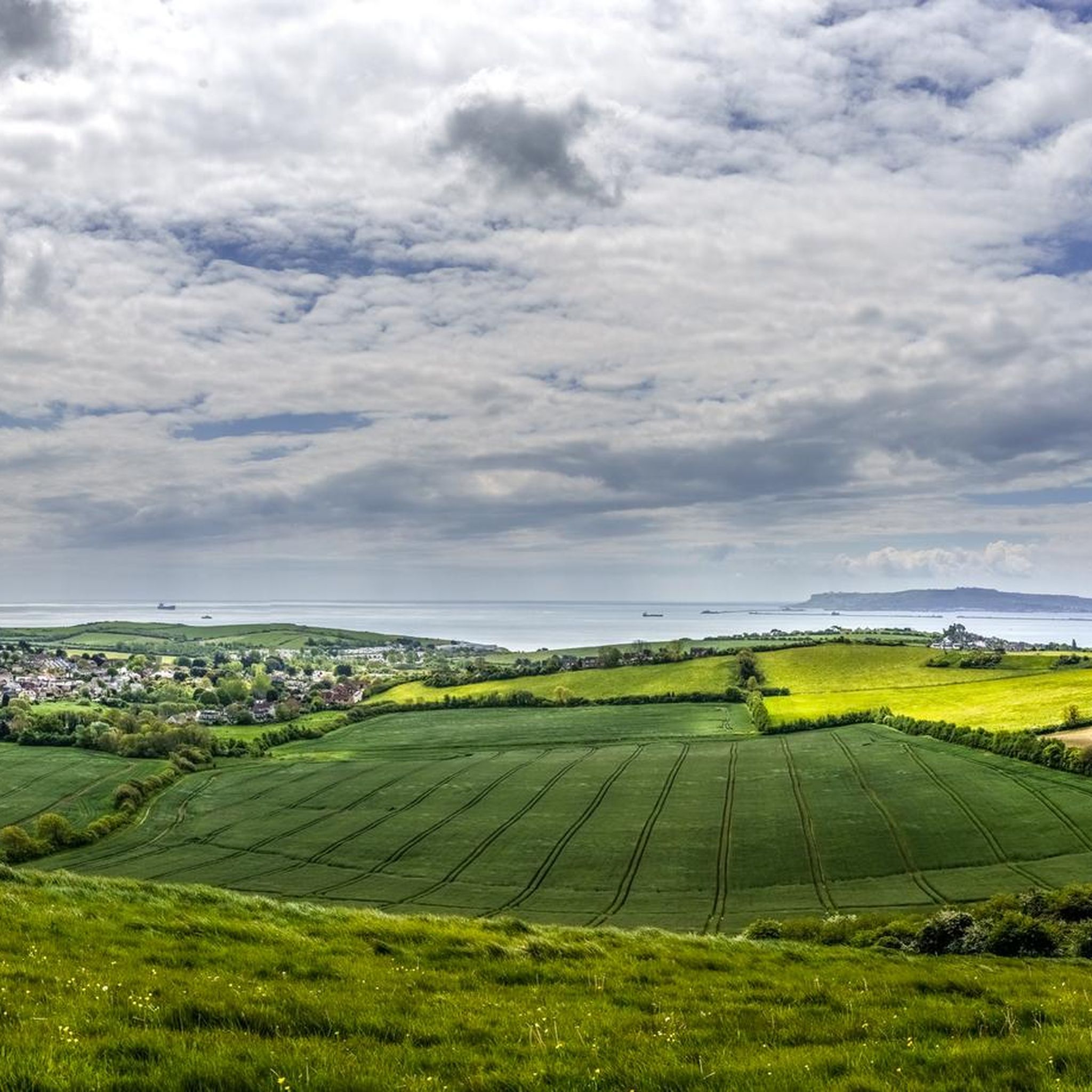
- The most popular attractions is Bat's Head and Butter Rock, a natural monument that features a chalk headland with a small cave and a distinctive chalk rock in the sea. From atop the cliffs, visitors are afforded views over the coastline.
- Another must-see spot is Maiden Castle hillfort, an archeological site and natural monument. This Iron Age hillfort is one of Europe’s largest and most complex, featuring massive earthworks that once protected a community.
- Visitors also love The Fleet Lagoon, a viewpoint and other natural feature. This extensive and shallow body of water is England’s largest tidal lagoon, serving as a vital habitat for various wildlife and birds.
- Whitcombe is known for its historical sites, natural monuments, and coastal viewpoints. The area provides a variety of attractions to see and explore, catering to different interests.
- The attractions around Whitcombe are appreciated by the komoot community, with over 200 upvotes and 80 photos shared.
Last updated: July 2, 2026
Bat's Head and Butter Rock
Highlight • Natural Monument
Translated by Google •
Tip by

Jubilee Clock Tower, Weymouth
Highlight • Monument
Tip by

Sign up now to discover places like this
Get recommendations on the best single tracks, peaks, & plenty of other exciting outdoor places.
Sign up for free
The Fleet Lagoon
Highlight • Viewpoint
Tip by

Maiden Castle hillfort
Highlight • Viewpoint
Tip by
Ringstead Bay
Highlight • Viewpoint
Tip by

Sign up for free to discover even more attractions around Whitcombe.
Sign up for free
Already have an account?
Start today with a free account
Your next adventure awaits.
Login or Signup

Tips from the Community

Dominating the Dorset landscape, Maiden Castle is one of Europe’s largest and most complex Iron Age hillforts. Its massive, labyrinthine earthworks were engineered around 400 BC to protect a thriving community of hundreds. The site is famous for its "war cemetery," detailing a fierce struggle against the Roman Second Legion in 43 AD. Today, its sweeping ramparts remain a masterclass in ancient defensive architecture.
0
0

The Jubilee Clock Tower in Weymouth is always worth a photo, as it's a charming and historic landmark that perfectly captures the beauty and character of the town. Its elegant architecture and location near the seafront make it a popular subject for photographs, whether at sunrise, sunset, or during bustling town life. It's a symbol of Weymouth's history and provides a beautiful backdrop for capturing memories.
0
0

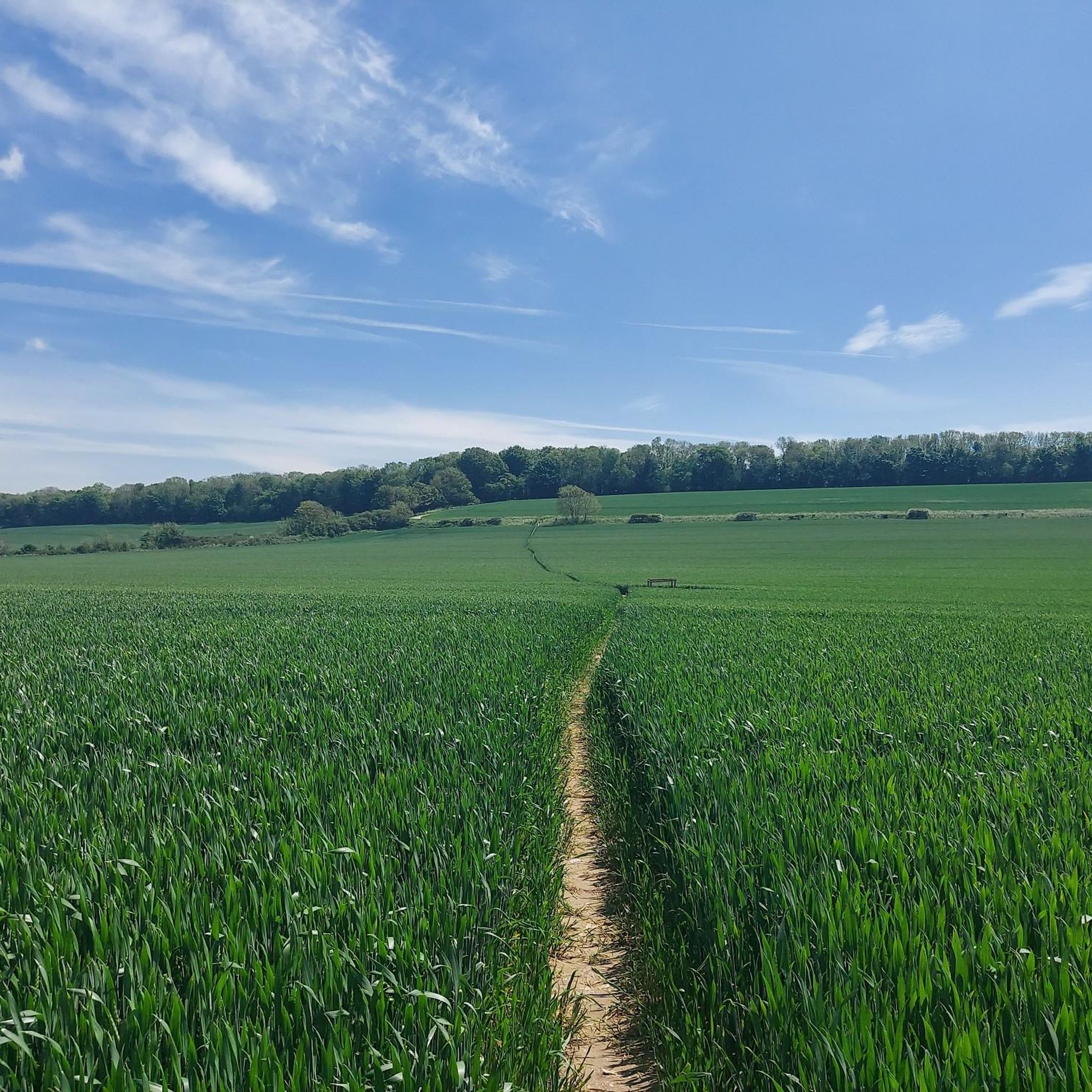
A picturesque trek, with relatively easy paths and very enjoyable.
0
0

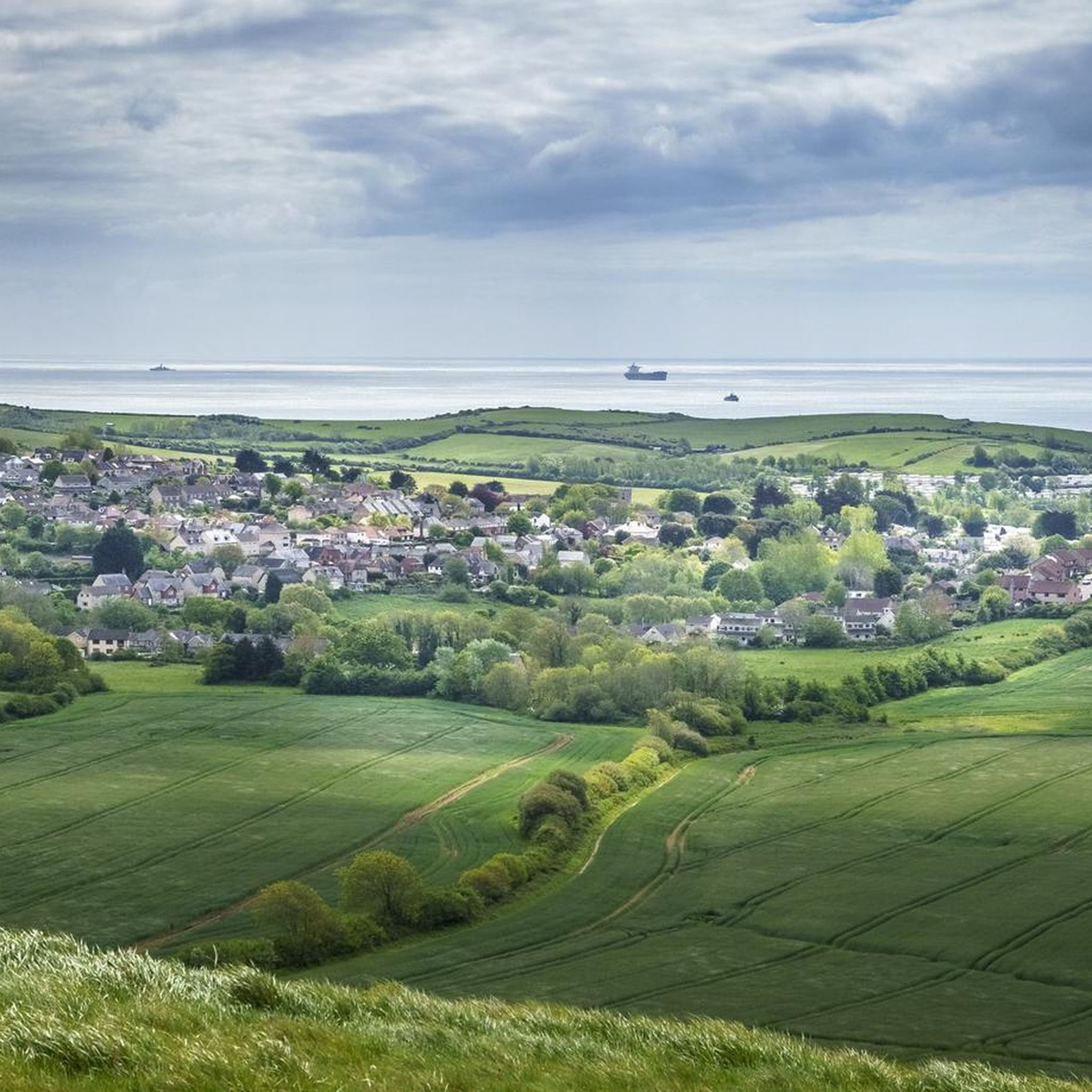
A wonderful area. Breathtaking views of the cliffs and the sea; it's worth coming here for hiking and, in the summer, definitely for swimming. I recommend staying at the nearby Durdle Door Holiday Park.
0
0

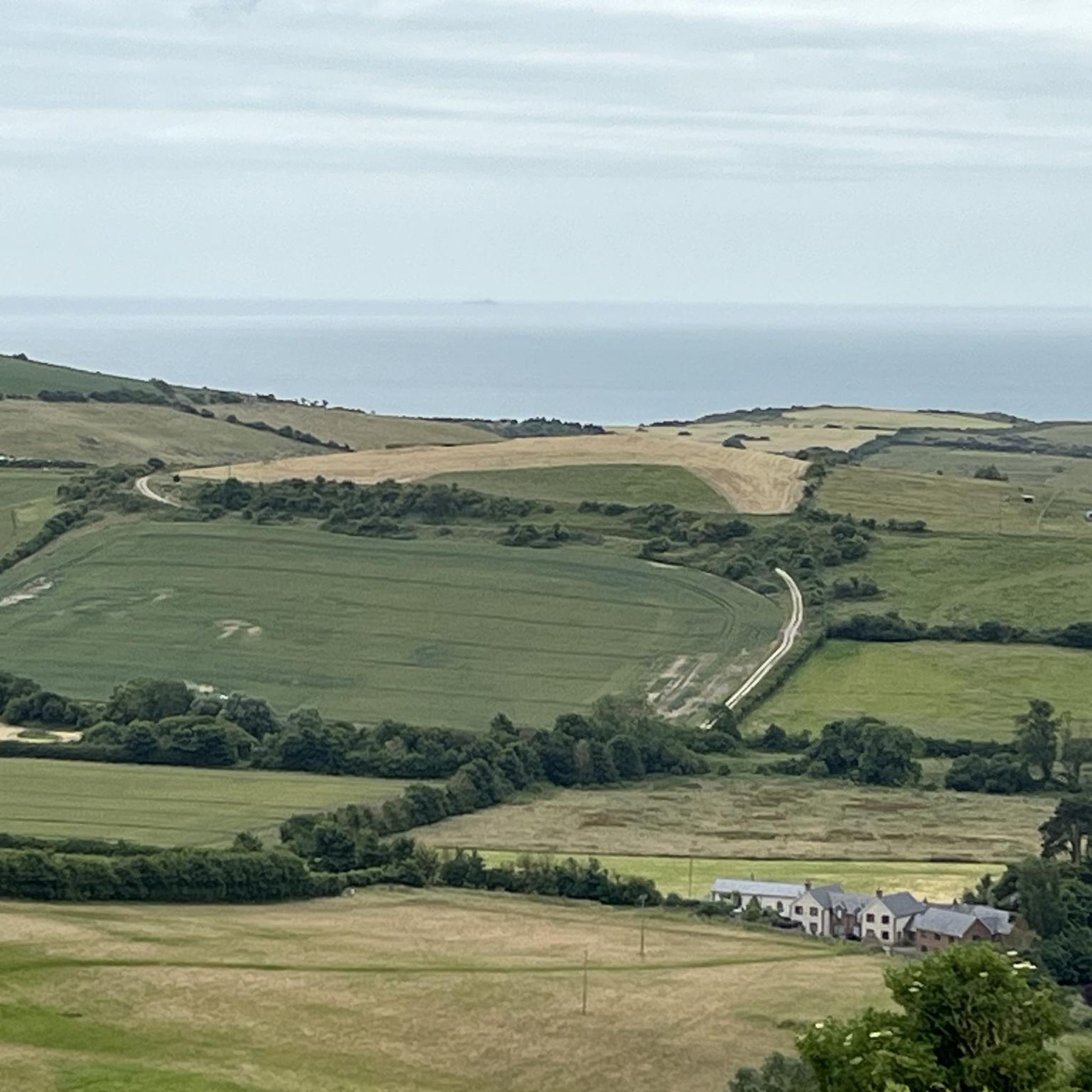
It is very impressive to walk along the extensive ramparts and enjoy the view of the surrounding countryside.
1
0
An extensive oasis of relative calm compared with the open sea across Chesil Beach, the Fleet Lagoon is a vital shelter and feeding area for wildlife. This long, shallow stretch of water is England’s largest lagoon at around 480 hectares. Home to the famous Abbotsbury Swannery and large numbers of over-wintering Brent geese, the Lagoon draws wildlife watchers to its shores. Visitors can also see other resident and migrant birds like little terns, wigeon, pochard, coots, even an occasional passing osprey. In addition to its birds, the Fleet Lagoon Marine Protected Area also protects numerous plants and animals. Several marine plants like seagrasses, stoneworts and salt marsh, and animals like lagoon sandworms, lagoon sand shrimps and the rare DeFolin’s lagoon snail all benefit from the Fleet’s status as an MPA. The Fleet Lagoon is also an important nursery area for several types of fish like bass, black bream, sand smelt, mullets and gobies. Commercial fishing does occur in the Fleet although it is tightly controlled and limited in its extent. Toward the seaward end, oysters are also farmed commercially.
0
0
Built to commemorate Queen Victoria's 50 year reign. The clock tower was unveiled on 31 October 1888. Historic England described the clock as being a "florid but characteristic enrichment to the sea-front" and "boldy coloured". It is built of cast and wrought-iron and set on a Portland stone base.
1
0

It stands pretty much in the middle of the promenade, the clock as a reminder of Victoria's anniversary. It is huge (the clock) and so big, I hadn't imagined it. There are lots of benches and cafes around it, and in summer you can also rent deck chairs on the beach
3
0
Frequently Asked Questions
What historical sites can I explore in Whitcombe, UK?
In Whitcombe, Dorset, you can visit the impressive Maiden Castle hillfort, one of Europe's largest Iron Age hillforts, and the historic Jubilee Clock Tower in Weymouth. The area also features the earthwork remains of a deserted Medieval Settlement. In Great Whitcombe, Gloucestershire, you can discover the remains of a Roman Villa, including parts of a bathhouse and mosaic floor.
Are there any natural attractions or scenic viewpoints in Whitcombe?
Yes, Whitcombe offers several natural attractions. In Dorset, you can find Bat's Head and Butter Rock, a chalk headland with a distinctive rock formation, offering wonderful coastal views. The Fleet Lagoon, England's largest tidal lagoon, is a vital habitat for wildlife and birds. Additionally, Ringstead Bay features a pebble and shingle beach with offshore reefs visible at low tide.
What kind of outdoor activities can I do around Whitcombe?
The Whitcombe area is excellent for outdoor activities, especially hiking and running. You can find various routes, from easy strolls to more challenging trails. For example, there are easy hikes like 'The Springhead Pub loop from Preston' and 'Dorchester Borough Gardens loop from Dorchester'. For more moderate options, consider 'View of Osmington White Horse – View of Eweleaze Beach loop from Preston'. You can explore more options on the hiking guide or running trails guide for Whitcombe.
Are there family-friendly attractions in the Whitcombe region?
Yes, there are family-friendly options. The Fleet Lagoon is a great spot for wildlife watching, particularly birds, which can be an engaging activity for families. In Gloucestershire, though a few miles from Little Whitcombe, Prinknash Abbey has grounds that now host an animal park and family attraction. The Edgar Whitcomb Nature Park in Indiana, USA, also offers a secluded retreat for nature exploration.
Where can I find unique natural areas in the Whitcombe-related locations in the United States?
In the United States, you can visit the Whitcomb Flats Natural Area Preserve in Washington, a small sandy island critical for nesting seabirds like western gulls and Caspian terns. In Indiana, the Edgar Whitcomb Nature Park offers a 144-acre secluded retreat with limestone and sandstone outcroppings overlooking the Ohio River.
What is special about The Fleet Lagoon?
The Fleet Lagoon is England's largest tidal lagoon, stretching 8 miles long. It's a Site of Special Scientific Interest due to its magnificent variety of wildlife, including large numbers of overwintering Brent geese, little terns, and even occasional ospreys. It's also a Marine Protected Area, sheltering diverse plants and animals like seagrasses and rare snails, and serves as an important nursery for fish.
Are there any wheelchair-accessible attractions around Whitcombe?
Yes, the Jubilee Clock Tower in Weymouth is noted as wheelchair accessible, making it an inclusive historical landmark to visit.
What is the significance of Maiden Castle hillfort?
Maiden Castle hillfort is one of Europe’s largest and most complex Iron Age hillforts, built around 400 BC. Its massive earthworks were engineered to protect a thriving community and offer breathtaking views over the Dorset landscape. It's also famous for its 'war cemetery,' detailing a fierce struggle against the Roman Second Legion in 43 AD.
What do visitors enjoy most about the attractions around Whitcombe?
Visitors particularly enjoy the stunning views from places like Bat's Head and Butter Rock and the extensive ramparts of Maiden Castle hillfort. The natural beauty and tranquility of areas like The Fleet Lagoon, with its abundant wildlife, are also highly appreciated. The clear waters and scenic coastal paths at Ringstead Bay are also popular for walks and relaxation.
Can I find any unique cultural heritage sites related to Whitcombe in the US?
Yes, in Indianapolis, Indiana, you can visit the James Whitcomb Riley Museum Home. This historic home offers a glimpse into the life of the renowned poet James Whitcomb Riley, featuring many original furnishings and knowledgeable guides.
Are there any famous annual events near Whitcombe?
Near Little Whitcombe, Gloucestershire, Cooper's Hill is famous for its historic annual Cheese Rolling event each spring. This unique and traditional event draws many spectators.
Most popular attractions around Whitcombe

Get inspired with the komoot mobile app


Explore more
Still not found the Highlight you’re looking for? See guides of the top attractions in other regions:
