The 20 Most Amazing Peaks around Dunford
Best mountain peaks around Dunford are found within a landscape characterized by moorland plateaus, gritstone formations, and peat bogs. This region offers a variety of summits and viewpoints, many of which are marked by trig points. The terrain includes both rugged, remote areas and locations with notable rock formations. Dunford provides access to elevated areas that offer extensive views of the surrounding Peak District.
Best mountain peaks around Dunford
- The most popular mountain peaks is Back Tor Trig Point,…
Last updated: May 9, 2026
Higher Shelf Stones Summit and Trig Point
Highlight • Viewpoint
Tip by

Back Tor Trig Point
Highlight • Summit
Tip by

Sign up now to discover places like this
Get recommendations on the best single tracks, peaks, & plenty of other exciting outdoor places.
Sign up for free
Black Hill Trig Point
Highlight • Natural Monument
Tip by
Bleaklow Head
Highlight • Natural Monument
Tip by
Black Chew Head Summit Cairn
Highlight • Natural Monument
Tip by
Sign up for free to discover even more peaks around Dunford.
Sign up for free
Already have an account?
Start today with a free account
Your next adventure awaits.
Login or Signup
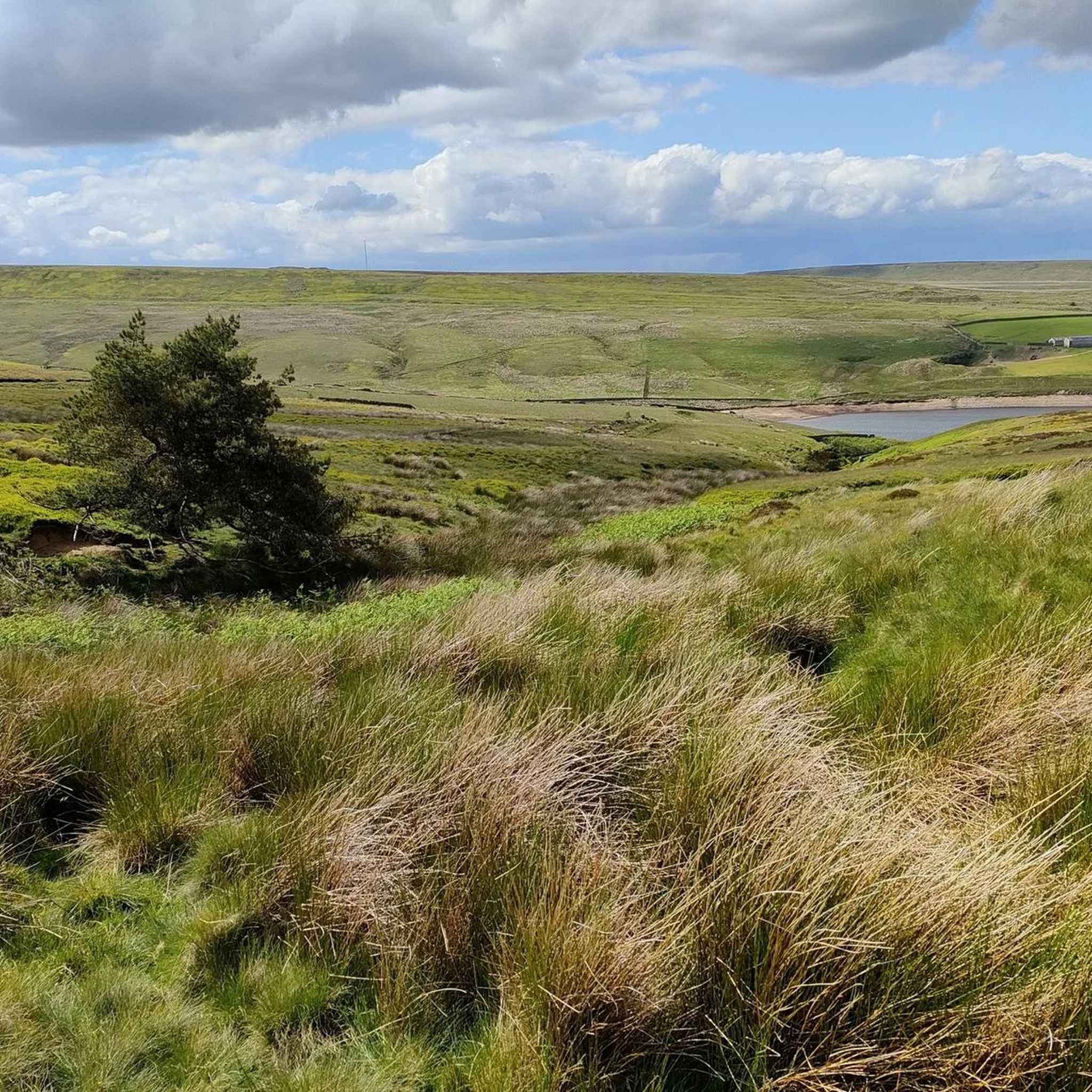
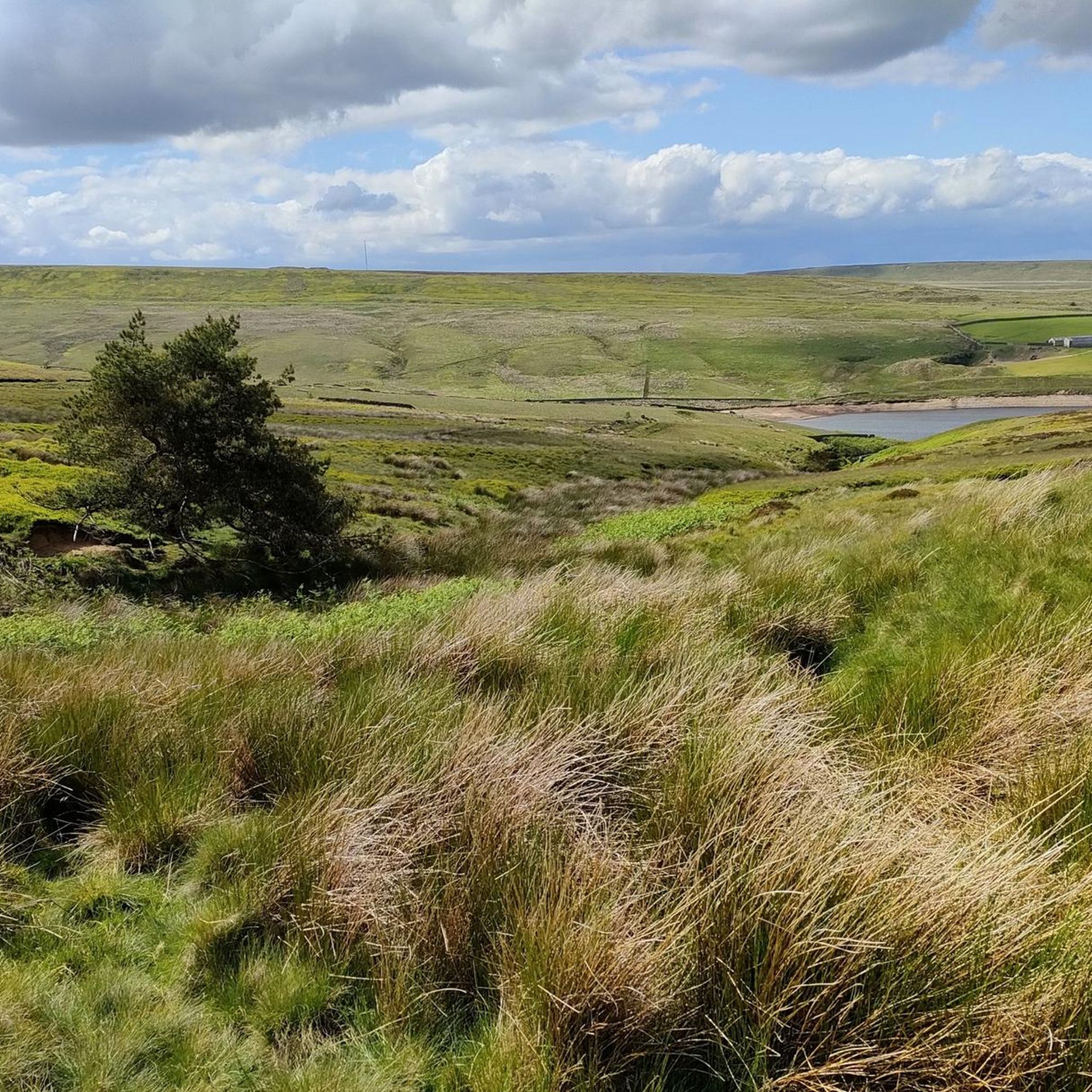
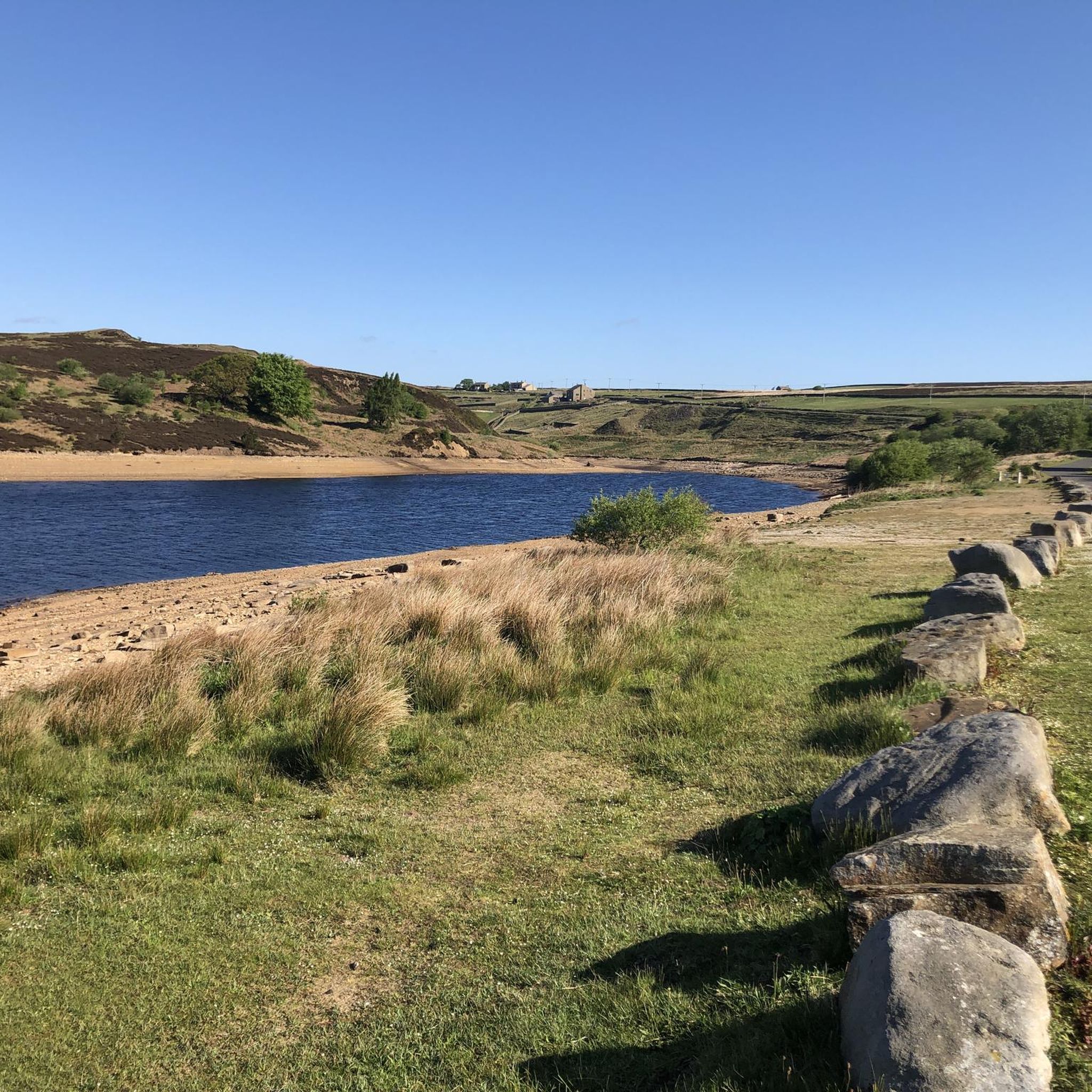
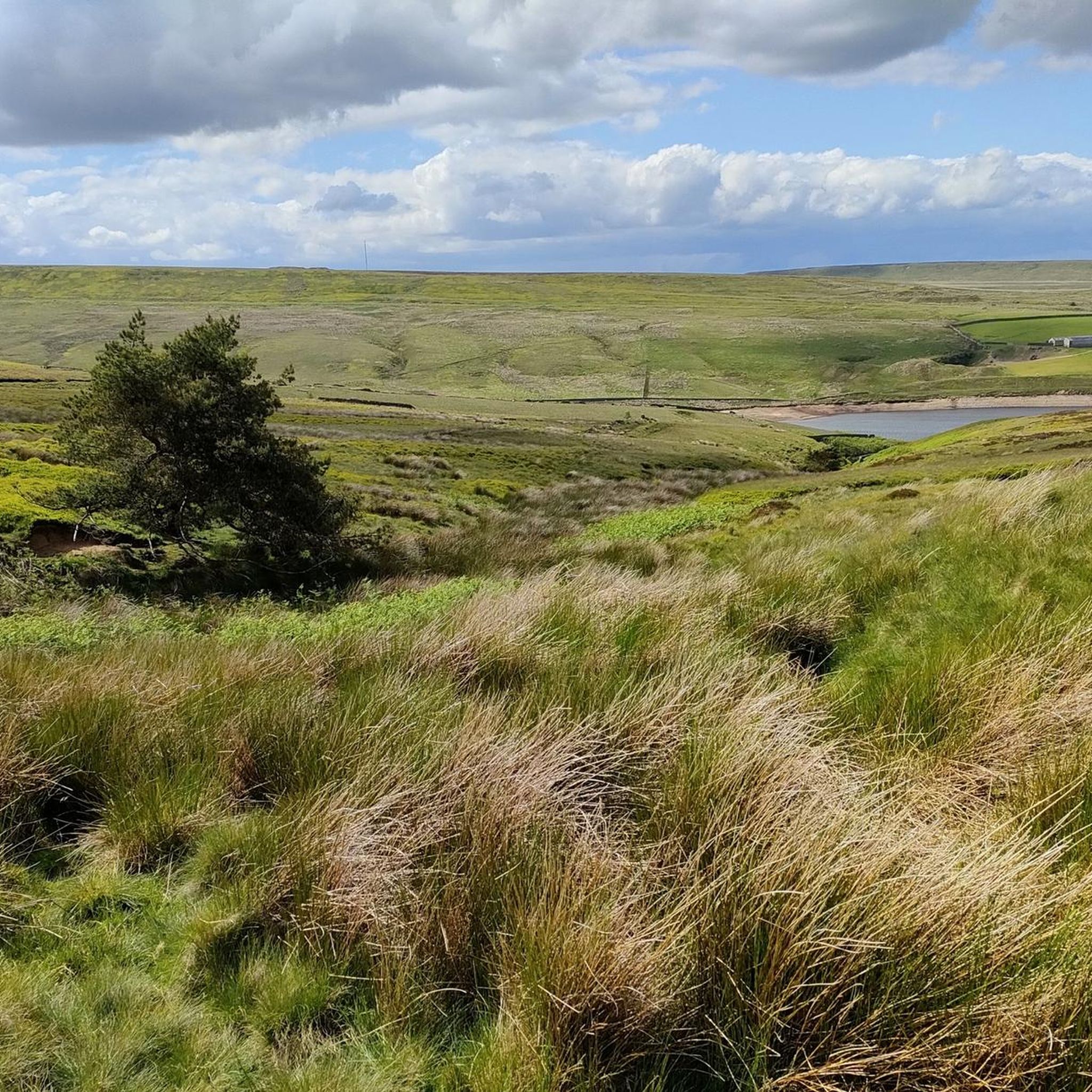

Tips from the Community


A bit of a scramble up the rocks to reach the trigger but worth it for the views
0
0

Views for days! But extremely bleak when it wants to be. Nice early tickbox when walking the Pennine Way
0
0


If you follow the trail down from the trig point back to snake pass summit you pass a couple of surprise waterfalls.
3
0

Set high up on the gritstone outcrop, this trig point has stunning views on a clear day.
0
0

I found the hike great.but was boggy in loads of places..very slippery..narrow paths on some parts
0
0
There are amazing views from here down over to Glossop. Also worth a visit is nearby Lower Shelf Stones - there won't be anyone else there!
0
0
Frequently Asked Questions
What are some of the most popular mountain peaks around Dunford?
The area around Dunford offers several popular peaks. Back Tor Trig Point is a prominent summit at 1,765 feet (538 m) on Derwent Edge, known for its breathtaking views over the Peak District. Another highly regarded spot is Black Hill Trig Point, which provides expansive views in clear conditions despite its remote and rugged character. Visitors also frequently enjoy Higher Shelf Stones Summit and Trig Point, recognized for its distinctive stones and good views.
Are there any challenging peaks for experienced hikers near Dunford?
Yes, for experienced hikers seeking a challenge, Bleaklow Head offers a rugged moorland plateau with a real sense of solitude. Standing at 2,077 feet (633 m), it's marked by a huge cairn and provides excellent panoramic views over the peat bog and gritstone landscape. Be prepared for potentially boggy conditions, especially after rain.
What kind of natural features can I expect to see on the mountain peaks around Dunford?
The mountain peaks around Dunford are characterized by moorland plateaus, gritstone formations, and peat bogs. You'll encounter numerous trig points marking summits, unique rock formations, and extensive views over the surrounding Peak District. Areas like Back Tor Trig Point and Higher Shelf Stones Summit are noted for their interesting rock features.
What do visitors enjoy most about the mountain peaks in this region?
Visitors frequently highlight the rewarding views and the sense of wildness and solitude. The unique gritstone formations and the presence of trig points at many summits are also popular features. For example, the views from Back Tor Trig Point are often described as breathtaking, and the remote landscape of Black Hill Trig Point is appreciated for its rugged charm.
Are there family-friendly walks or peaks near Dunford?
While many of the higher peaks involve more challenging terrain, there are generally easier sections and trails in the broader Dunford area suitable for families. For specific family-friendly routes, it's recommended to explore the Hiking around Dunford guide, which may include routes with moderate difficulty and shorter distances.
What are the best times to visit the mountain peaks around Dunford?
The best time to visit generally depends on your preference for weather and trail conditions. Spring and summer offer milder weather and longer daylight hours, making for more pleasant hiking. However, even in summer, some areas can be boggy. Autumn provides beautiful scenery, but conditions can change rapidly. Winter hiking is possible for experienced individuals, but requires appropriate gear due to cold, wind, and potentially very boggy or icy conditions.
What outdoor activities can I do near these mountain peaks?
Beyond peak bagging, the area around Dunford is excellent for various outdoor activities. You can find numerous hiking trails, including moderate loops like 'Winscar Reservoir & Snailsden Pike End loop'. There are also running trails and cycling routes, ranging from easy to difficult, allowing you to explore the diverse landscape.
Are there specific hiking trails near Dunford that lead to these peaks?
Yes, many hiking routes in the area incorporate these peaks. For example, trails often lead to Higher Shelf Stones Summit, sometimes passing nearby aircraft wreckage. The Hiking around Dunford guide lists several routes, such as the 'Howden Edge – Langsett Woods loop', which can take you through areas with significant elevation and views.
What should I be aware of regarding terrain and conditions when hiking these peaks?
The terrain around Dunford's peaks often includes moorland, gritstone, and peat bogs. Many areas, particularly around Black Hill Trig Point and Margery Hill Trig Point, can be very boggy and wet, even in dry periods. Some bogs can be quite deep, so appropriate waterproof footwear is essential. The weather can also change quickly, so be prepared for wind and rain.
Is there parking available for accessing the mountain trails near Dunford?
While specific parking details for every trailhead are not provided here, areas like Langsett often have car parks, such as Langsett Barn car park, which serve as starting points for various routes into the surrounding hills and towards peaks. It's advisable to check specific route details for parking information before your visit.
Are there any hidden gem hikes or less-known peaks worth exploring near Dunford?
While the guide focuses on popular and well-regarded peaks, the extensive moorland and gritstone landscape around Dunford means there are many opportunities for exploration beyond the main highlights. For a sense of solitude and rugged charm, areas leading to Bleaklow Head offer a more remote experience away from more frequented paths.
Can I bring my dog on the mountain trails around Dunford?
Many trails in the Peak District, including those around Dunford, are dog-friendly. However, it's crucial to keep dogs under close control, especially in areas with livestock or ground-nesting birds. Some local establishments, like the Waggon and Horses Inn in Langsett, are also dog-friendly. Always check for specific restrictions or signage on individual trails.
Most popular routes around Dunford
Most popular attractions around Dunford

Get inspired with the komoot mobile app


Explore more
See even more amazing summits around Dunford with these guides:
