Attractions and Places To See around Melcombe Horsey - Top 20
Best attractions and places to see around Melcombe Horsey include a range of historical sites and unique landmarks. This region in Dorset features ancient chalk figures carved into hillsides, historic cottages, and working mills, offering insights into local heritage and natural beauty. The area provides diverse points of interest for those exploring the Dorset countryside.
Best attractions and places to see around Melcombe Horsey
- The most popular attraction is Cerne Abbas Giant, a man_made_monument that measures 55 metres high…
Last updated: May 21, 2026
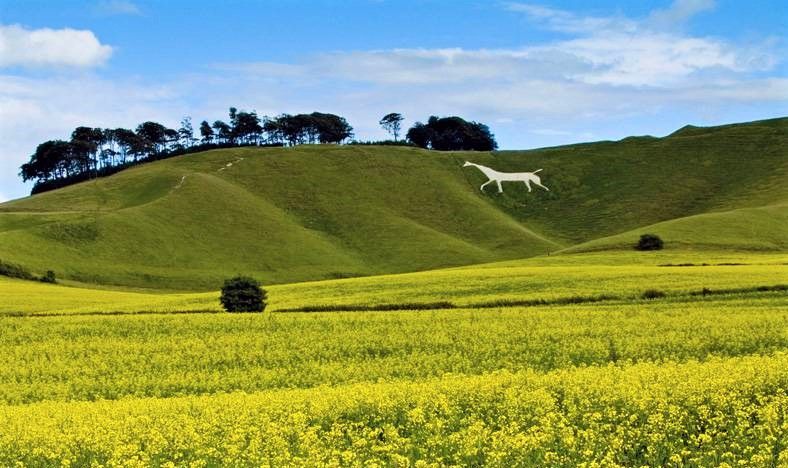
Cerne Abbas Giant
Highlight • Monument
Measuring at 55 metres (180 ft) high, the origin of the figure of a man wielding a …
Tip by

Thomas Hardy's Cottage
Highlight • Historical Site
Tip by

Sign up now to discover places like this
Get recommendations on the best single tracks, peaks, & plenty of other exciting outdoor places.
Sign up for free
Abbot's Porch, Cerne Abbey
Highlight • Historical Site
Throughout its history, Cerne Abbey played a vital role in the local community …
Tip by

Sturminster Newton Mill
Highlight • Structure
Tip by

Milton Abbas Village
Highlight • Historical Site
Tip by
Sign up for free to discover even more attractions around Melcombe Horsey.
Sign up for free
Already have an account?
Start today with a free account
Your next adventure awaits.
Login or Signup

Other adventures around Melcombe Horsey

Tips from the Community

The Cerne Abbey Abbot's Porch is a stunning, three-story fragment of history that serves as a grand reminder of the abbey's former glory. It’s the kind of place where you can just sit and admire the intricate stonework and that iconic two-story oriel window. It feels wonderfully peaceful, tucked away at the end of Abbey Street. Since it’s one of the few pieces of the 15th-century monastery still standing, it has a very grounded, quiet presence. It’s perfect for a slow wander when you want to soak up the medieval atmosphere without any rush.
0
0
Towering over the village is Britain’s most "well-endowed" landmark, a 180-foot chalk giant who clearly forgot his trousers—and his modesty. Carved into the hillside with a massive club and an even more massive... ego, he’s been blushing hikers for centuries. Legend says sleeping on his "manhood" boosts fertility, but most people just settle for a breathless selfie. He’s ancient, he’s shameless, and he’s definitely the only hillside that’s genuinely happy to see you.
0
0
* Historic Structure: The cottage itself was built in 1800 by Hardy's great-grandfather and has remained largely unaltered since the Hardy family left. It offers a glimpse into 19th-century rural life, with its open hearths, small windows, and stone floors. While the furniture inside isn't original to the Hardy family, it is authentic to the period, helping to recreate the atmosphere of his upbringing. * National Trust Property: The cottage is now owned and managed by the National Trust, ensuring its preservation and public access. * Traditional Cottage Garden: The property features a typical cottage garden, complete with roses around the door, which would have been an early inspiration for the author.
0
0
* Hardy's Early Life and Works: Hardy lived in this cottage until he was 34 years old. It was here that he wrote some of his early and influential works, including the novels Under the Greenwood Tree (1872) and Far from the Madding Crowd (1874), as well as early poetry and short stories. The surrounding landscape, including the adjacent Thorncombe Wood and the heathland (which inspired his fictional "Egdon Heath" in The Return of the Native), profoundly influenced his writing.
0
0
Thomas Hardy's Cottage is a significant literary landmark located in Higher Bockhampton, near Dorchester, Dorset, England. It is a quaint, cob and thatch cottage, notable for being the birthplace of the celebrated author Thomas Hardy in 1840. Here's what makes it special:
0
0
notable for being one of the first planned settlements in England. In the 1770s, the owner of Milton Abbey, Joseph Damer (later Lord Milton and Earl of Dorchester), decided the original village of Middleton was spoiling his view and commissioned architect Sir William Chambers and landscape gardener Capability Brown to design a new village in a nearby wooded valley. The old village was demolished, and most of its residents were relocated to this new model village, now known as Milton Abbas. The village is characterized by its single, sinuous main street lined with 36 almost identical whitewashed and thatched cottages. These were originally designed to house two families each.
0
0

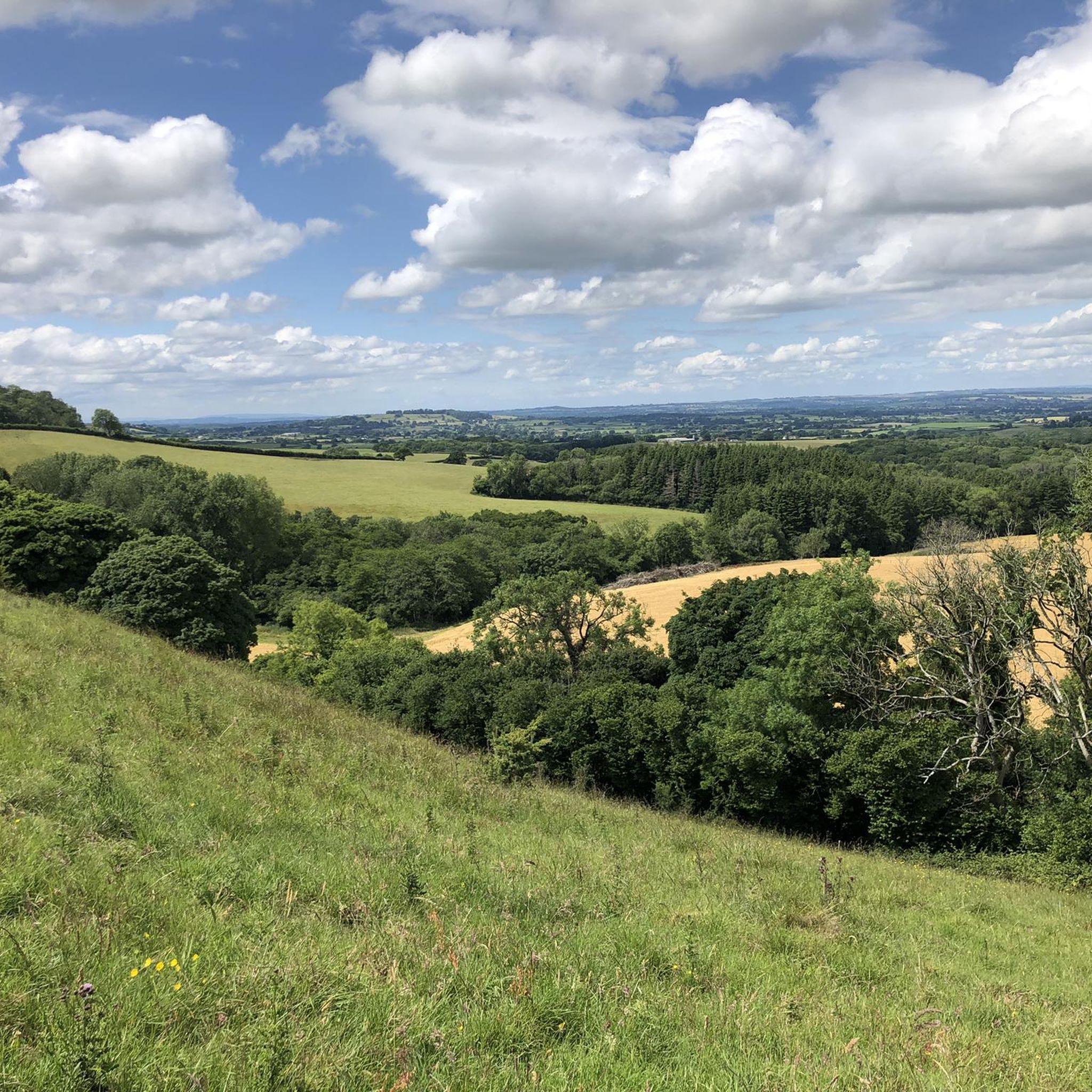
The view of giant is best from the opposite hill. When I took my photo the chalk was very dull so viewing wasn’t brilliant but I know they restore him every now and again so he should be bright again.The climb up past the giant is very steep so if hiking poles would be a great addition and grippy footwear 👟
0
0
Frequently Asked Questions
What are some family-friendly attractions to visit around Melcombe Horsey?
The region offers several family-friendly spots. You can explore Thomas Hardy's Cottage, the birthplace of the famous writer, which is run by the National Trust. Another great option is Sturminster Newton Mill, a working museum where you can see flour being milled. Additionally, the picturesque Milton Abbas Village, known for its thatched cottages, is a pleasant place for a family stroll.
Are there any historical sites or cultural landmarks near Melcombe Horsey?
Yes, the area is rich in history. Don't miss the iconic Cerne Abbas Giant, an ancient chalk figure carved into Trendle Hill. You can also visit Thomas Hardy's Cottage, where the renowned author lived and wrote. The historic Sturminster Newton Mill, dating back to at least 1016, is another significant site, as is the Abbot's Porch, Cerne Abbey, a remnant of a 10th-century abbey.
What kind of outdoor activities can I do near these attractions?
Melcombe Horsey is a great base for outdoor adventures. You can find numerous routes for mountain biking, road cycling, and gravel biking. For mountain biking, consider routes like the 'Thomas Hardy's Cottage – Puddletown Forest loop' or the 'Abbey House, Cerne Abbey – Cerne Abbas Giant loop'. Road cyclists might enjoy the 'Milton Abbas Thatched Cottages – View from Bulbarrow Hill loop'. Explore more options on the dedicated guides for MTB Trails, Road Cycling Routes, and Gravel Biking around Melcombe Horsey.
Are there any easy walking trails suitable for beginners near Melcombe Horsey?
While specific 'easy' walking trails directly linked to attractions aren't detailed, many of the cycling routes mentioned in the nearby guides can be adapted for walking, especially those marked as 'easy' difficulty. For instance, the 'Dorset Singletrack Trail – Puddletown Forest loop' is an easy option for mountain biking that could offer pleasant walking sections. The areas around Thomas Hardy's Cottage also feature stunning woodlands for local explorations.
What is the best time of year to visit Melcombe Horsey attractions?
The spring and summer months (April to September) are generally ideal for visiting attractions around Melcombe Horsey, offering pleasant weather for exploring historical sites and enjoying outdoor activities. Some attractions, like Sturminster Newton Mill, operate seasonally, typically from March to September. Always check individual attraction websites for specific opening times before your visit.
Are there any hidden gems or less-known places to discover in the Melcombe Horsey area?
Beyond the most popular sites, consider visiting Milton Abbas Village. This unique planned village from the 18th century features 36 nearly identical thatched cottages and offers a glimpse into historical village design. Another interesting, less-frequented spot is the Abbot's Porch, Cerne Abbey, a significant architectural remnant of a medieval abbey with an honesty box for donations towards its upkeep.
Where can I find parking when visiting attractions in Melcombe Horsey?
Parking availability varies by attraction. For Thomas Hardy's Cottage, there is a car park available, often free for National Trust members. For the Cerne Abbas Giant, viewpoints often have designated parking areas nearby. When visiting Sturminster Newton Mill, check their official website or call ahead for parking information, as it's a working museum. For smaller villages like Milton Abbas Village, roadside parking or small village car parks may be available.
What should I wear for walks and outdoor activities in the Melcombe Horsey area?
Given the varied terrain and potential for changing weather in Dorset, it's advisable to wear comfortable, layered clothing suitable for outdoor activities. Sturdy walking shoes or boots are recommended, especially if you plan to explore trails or walk across fields, as paths can be uneven or muddy. A waterproof jacket is also a good idea, regardless of the forecast.
Are there any pubs or places to eat near the attractions?
Yes, you can find places to eat and drink. Milton Abbas Village, for example, has a pub that is perfect for a lunch stop. Many villages in the area will have local pubs or cafes. For Thomas Hardy's Cottage, there is a cafe nearby with a car park.
What do visitors enjoy most about the attractions around Melcombe Horsey?
Visitors particularly appreciate the historical significance and natural beauty of the area. The unique and mysterious Cerne Abbas Giant is a major draw, with its unknown origins captivating many. The charm of Thomas Hardy's Cottage, offering insight into the author's life and works, is also highly valued. The working history of Sturminster Newton Mill and the picturesque setting of Milton Abbas Village also receive positive feedback for their unique character.
Is public transport available to reach attractions around Melcombe Horsey?
Public transport options in rural Dorset can be limited. While some larger towns may have bus services, reaching specific attractions like the Cerne Abbas Giant or Thomas Hardy's Cottage often requires a car or a combination of public transport and walking. It's recommended to check local bus schedules for specific routes and plan your journey in advance, as direct connections might not always be available.
Most popular attractions around Melcombe Horsey

Get inspired with the komoot mobile app


Explore more
Still not found the Highlight you’re looking for? See guides of the top attractions in other regions:
