The best MTB trails around Glanvilles Wootton
4.7
(10)
27
riders
15
rides
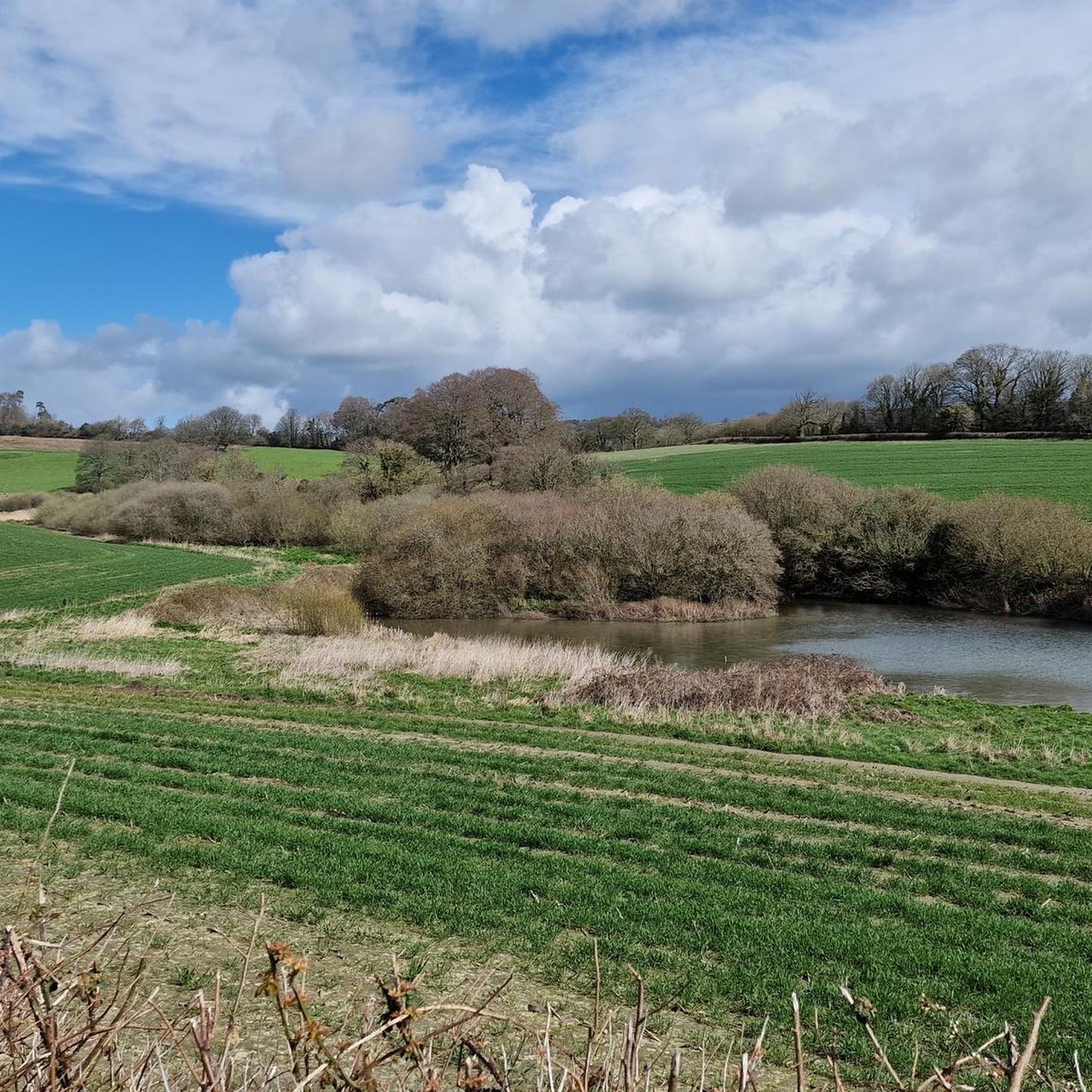
Mountain biking around Glanvilles Wootton offers diverse terrain where the clay pastureland of the Blackmore Vale transitions into the chalk downland of the Dorset Heights. This region features undulating pastures, extensive woodlands, and historical hillforts, providing varied gradients and surfaces for mountain bike trails. The landscape is characterized by a mix of open stretches and technical sections, making it suitable for different riding experiences.
Best mountain bike trails around Glanvilles Wootton
- The most popular mountain bike trail is Abbey House,…
Last updated: October 27, 2026
4
riders
23.3km
01:57
400m
400m
Moderate mountain bike ride. Good fitness required.
2
riders
22.0km
01:38
290m
290m
Easy mountain bike ride.

5.0
(1)
3
riders
24.3km
01:54
370m
370m
Moderate mountain bike ride. Good fitness required.
4.0
(1)
2
riders
29.6km
02:25
400m
400m
Moderate mountain bike ride. Good fitness required.
1
riders
36.9km
02:53
540m
540m
Moderate mountain bike ride. Good fitness required.
Get access to more routes and recommendations from other explorers.
Already have an account?
Our route recommendations are based on thousands of hikes, rides, and runs completed by other people on komoot.
Start today with a free account
Your next adventure awaits.

Tips from the Community

This was the part that I was longing for dry weather. The proper ridgeway from here on eastward is stunning but if less than knobby tyres you'll need to drop down.
0
0

Didn't really see any that jumped out at me to be honest, but these stocks are well cool!!!
0
0
If you think your homeowner’s association is strict, try the Almshouse of St. John the Baptist. Established in 1437, it was basically a 15th-century "assisted living" facility for the "brave and the broke." The rules? Absolutely medieval. You had to be "of good character," which in 1437 mostly meant "doesn’t throw mud at the Abbot." The jewel inside is the Sherborne Missal, a book so fancy it makes your iPad look like a rock. Today, it stands as a gorgeous Hamstone time capsule where history is thick, the chapel is tiny, and the vibes are strictly "pious chic."
1
0
Founded in 1550 by King Edward VI, Sherborne School is an elite boys' independent school that practically owns the town’s aesthetic. Built atop the site of a former Benedictine priory, its honey-colored Hamstone buildings blend seamlessly with the adjacent Abbey. It is a "Harry Potter" fever dream of cloisters and tradition, but its real prestige lies in its alumni. This is where Alan Turing solved puzzles before Enigma and where actors like Jeremy Irons and Hugh Bonneville learned their craft. It remains one of the UK’s architectural and academic heavyweights, turning out "Old Shirburnians" for nearly five centuries.
1
0
Originally a Saxon cathedral, Sherborne Abbey is a golden-stoned masterpiece of Perpendicular Gothic architecture. Its claim to fame is the fan vaulting—arguably the earliest and most spectacular in England—which spreads across the ceiling like delicate stone lace. The Abbey has survived fires (started by a bickering abbot and townspeople in 1437), the Dissolution of the Monasteries, and the test of time. Inside, you’ll find the tombs of West Saxon kings and the stunning Great West Window. It remains a living "lantern" of Dorset, glowing with honey-colored Hamstone and a quiet, ancient majesty that defines the town.
1
0
4. It’s Actually Quite Tiny If you’re expecting a massive monolith like Stonehenge, prepare to be whelmed. It’s only about four feet tall. It’s the "fun-sized" version of an ancient mystery. It’s essentially the 12th-century version of a "No Entry" sign that everyone forgot to take down. 5. The Real Mystery: The "Hands" Some archaeologists think it might actually be a boundary stone marking the limits of the lands owned by Milton Abbey. The "hand" might just be a very poorly carved symbol of authority, or a pointer saying, "The pub is that way."
0
0
2. The "Hand of God" (Or Just a Very Suggestive Signpost) The most famous story—because history is better with a bit of drama—involves a local priest and a miracle. Legend says a priest from nearby Yetminster was carrying the "holy elements" to a dying man when he lost them. He found them later, guarded by a miracle: a hand appeared out of nowhere to point the way (or hold the elements, depending on who’s telling the story after three pints of cider). The stone was supposedly erected to say, "Hey, remember that time the floating hand happened? Good times." 3. Thomas Hardy Made It "Goth" If you find the spot a bit creepy, you can thank local literary legend Thomas Hardy. He featured it in Tess of the d’Urbervilles. In the book, the "Cross-in-Hand" is described as a "thing of ill-omen" where a criminal supposedly had his hand cut off before being pinned to the stone. Hardy basically looked at a nice piece of local history and said, "How can I make this more depressing?"
0
0
If you’re wandering through the Dorset downs and stumble upon the Cross and Hand, don’t worry—you haven't accidentally walked onto the set of a low-budget folk horror movie. This little limestone pillar is essentially the world’s oldest, most confusing GPS. Here’s the lowdown on this weird piece of rock: 1. It’s a Pillar with an Identity Crisis Sitting on the high ridge of Batcombe Hill, the Cross and Hand is a small stone pillar that looks like it’s been through a very long, very boring war. On one side, it features a carved hand, and on the top, there’s a cross. People have been arguing about what it is for centuries. Is it a boundary marker? A waypost? A very uncomfortable stool for a tired giant? Nobody knows for sure, but "Ancient Monument" sounds way more dignified.
0
0
Frequently Asked Questions
How many mountain bike trails are available around Glanvilles Wootton?
There are 15 mountain bike trails available around Glanvilles Wootton. These routes offer a mix of terrain, from the clay pastureland of the Blackmore Vale to the chalk downland of the Dorset Heights.
Are there mountain bike trails suitable for beginners or families in Glanvilles Wootton?
Yes, Glanvilles Wootton offers 4 easy mountain bike trails, perfect for beginners or families looking for a more relaxed ride. These routes often feature gentler gradients and less technical sections. An example is the View of Cadbury Camp – Sherborne Abbey loop from Sherborne, which is an easy 13.7-mile path offering scenic views.
What kind of terrain can I expect on mountain bike trails near Glanvilles Wootton?
The terrain around Glanvilles Wootton is highly varied, transitioning from the rich clay pastureland of the Blackmore Vale to the chalk downland of the Dorset Heights. You'll encounter undulating pastures, extensive woodlands with both young pine and ancient oaks, and historical hillforts. This mix provides diverse gradients and surfaces, from open stretches to more technical sections.
What are some notable landmarks or points of interest I can see while mountain biking near Glanvilles Wootton?
Many trails in the area pass by significant landmarks and natural features. You might encounter historical sites like the Cerne Abbas Giant, the impressive Sherborne Abbey, or the ancient Church Hill Enclosure. The landscape also features viewpoints like The Dorsetshire Gap, offering rewarding vistas.
Are the mountain bike trails around Glanvilles Wootton dog-friendly?
Many of the trails around Glanvilles Wootton traverse public rights of way through rural countryside, which are generally dog-friendly. However, it's always advisable to keep dogs under close control, especially when passing through farmland with livestock or near roads. Be mindful of local signage and ensure your dog is well-behaved around other trail users and wildlife.
What is the best time of year to go mountain biking in Glanvilles Wootton?
Spring and autumn are often considered the best times for mountain biking in Glanvilles Wootton. In spring, you can enjoy blooming wildflowers like bluebells and orchids, while autumn offers beautiful foliage. Summer can be pleasant, but trails might be busier. Winter riding is possible, but some trails, particularly those on clay pastureland, can become muddy and challenging after heavy rain.
Are there any circular mountain bike routes in the Glanvilles Wootton area?
Yes, all the mountain bike routes listed for the Glanvilles Wootton area are circular. This means you'll start and end at the same point, making logistics easier. An example is The Dorsetshire Gap – Church Hill Enclosure loop from Hazelbury Bryan, a moderate 15-mile route.
What do other mountain bikers enjoy most about the trails in Glanvilles Wootton?
The mountain bike trails around Glanvilles Wootton are highly rated by the komoot community, with an average score of 4.8 stars. Reviewers often praise the varied terrain, the peaceful and unspoiled natural setting, and the opportunities to combine challenging rides with scenic views and historical exploration.
Where can I find parking for mountain biking near Glanvilles Wootton?
As Glanvilles Wootton is a rural area, parking options may vary. Many trailheads or nearby villages might offer limited roadside parking or small public car parks. It's recommended to check specific route details on komoot for suggested starting points and parking information, or consider parking in larger nearby towns like Sherborne or Cerne Abbas and cycling to the trail start.
Can I access the mountain bike trails near Glanvilles Wootton using public transport?
Public transport options directly to Glanvilles Wootton are limited due to its rural location. However, you might be able to reach larger nearby towns such as Sherborne or Cerne Abbas by bus or train, and then cycle to the trailheads. Planning your route in advance and checking local bus schedules is advisable if relying on public transport.
Are there any cafes or pubs near the mountain bike trails for refreshments?
While Glanvilles Wootton itself is a small village, the surrounding area has several charming pubs and cafes in nearby villages that make for great refreshment stops. Villages like Cerne Abbas, Piddletrenthide, or Sherborne offer options for a post-ride meal or a coffee. It's a good idea to check opening times, especially in smaller establishments.
What are some of the longer mountain bike routes available?
For those looking for longer rides, the area offers several options. The Abbey House, Cerne Abbey – Cerne Abbas Giant loop from Hilfield Hill is a moderate 18.4-mile (29.7 km) route, providing a substantial ride through varied landscapes and past notable landmarks.
Are there any specific challenges or technical sections on the trails?
The trails around Glanvilles Wootton offer a mix of challenges. While there are easy routes, many are rated moderate, featuring significant elevation gains and descents as you traverse the undulating chalk downland. Some sections through woodlands or on ancient tracks may present technical elements, especially after rain, adding to the adventure for experienced riders.
Most popular attractions around Glanvilles Wootton

Get inspired with the komoot mobile app


Explore more
Browse the best MTB trails in other regions.
