The best cycling routes around Bishop'S Caundle
4.6
(53)
1,211
riders
126
rides
Touring cycling around Bishop'S Caundle features an undulating landscape of gentle hills, small valleys, and streams within the Blackmore Vale. The region is characterized by peaceful country lanes, ancient tracks, and diverse farmland, offering a tranquil setting for cyclists. Views extend across the western end of the Blackmore Vale towards chalk uplands, including prominent features like Bulbarrow and Dungeon Hill. The area also includes various woodlands and the winding Caundle Brook.
Best touring cycling routes around Bishop'S Caundle
- The most…
Last updated: May 21, 2026
5.0
(1)
11
riders
14.8km
00:54
100m
100m
Easy bike ride. Great for any fitness level. Mostly paved surfaces. Suitable for all skill levels.
5.0
(1)
8
riders
33.4km
02:03
280m
280m
Moderate bike ride. Good fitness required. Mostly paved surfaces. Suitable for all skill levels.

Sign up for free
12
riders
53.8km
03:42
380m
380m
Moderate bike ride. Good fitness required. Mostly paved surfaces. Suitable for all skill levels.
5
riders
Moderate bike ride. Good fitness required. Mostly paved surfaces. Suitable for all skill levels.
8
riders
21.6km
01:23
210m
210m
Moderate bike ride. Good fitness required. Mostly paved surfaces. Suitable for all skill levels.
Get access to more routes and recommendations from other explorers.
Sign up for free
Already have an account?
Our route recommendations are based on thousands of hikes, rides, and runs completed by other people on komoot.
Start today with a free account
Your next adventure awaits.
Login or Signup

Tips from the Community

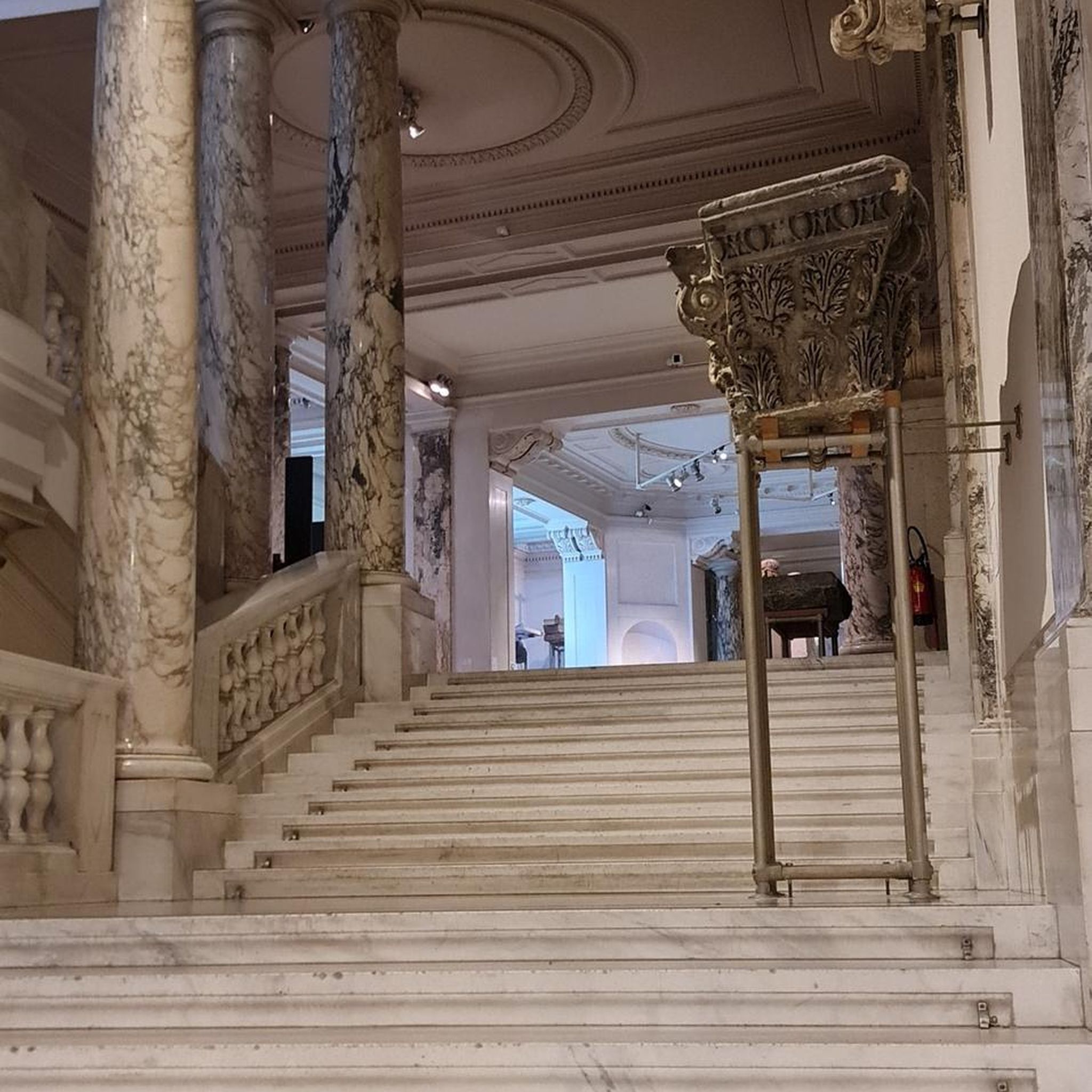
Victorian Additions: Major rebuilding occurred in the 19th century. The south wall of the nave was extended to create a new south aisle and porch in 1852, and the chancel was rebuilt in 1881. Wall Paintings: The church features 16th and 18th-century wall paintings, including a mural painting of the Creed and the Lord's Prayer above the chancel arch, dating from Queen Anne's reign (1665-1714). Rood-Loft Stairway: There is a rood-loft stairway on the northern side of the chancel arch, which would have led to a rood loft stretching across the chancel arch, typically holding figures of the Cross, St Mary the Virgin, and St John the Baptist. Consecration Crosses: Traces of Consecration Crosses, traditionally incised into churches during the Middle Ages as visible signs of dedication, can be found on either side of the oak screen below the west gallery (from the Charles I period). Stained Glass: While much of the stained glass is 19th-century, there is one small piece of medieval glass in a north aisle window. The east window of the chancel has a good example of William Morris factory stained glass.
0
0
Splendid 15th-Century Tower: A prominent feature of the church is its impressive 15th-century tower, which can be seen for miles around and is considered by some to be the finest example in Dorset. Norman Remnants: While largely 15th-century in its present form, the church retains an intriguing lone Norman pier decorated with scallops and masks in the north arcade, indicating a substantial building on the site from that early period. A 12th-century font bowl also survives. Coffered Nave Roof: The nave boasts a richly coffered roof from about 1520 with carved panels. Hussey Chapel: The north transept was incorporated into a north chapel, now known as the Hussey Chapel, named after one of Marnhull's prominent families. This chapel contains the Carent tomb, an alabaster effigy of a knight with his two wives, dated 1450. The somewhat mutilated state of the effigies is thought to be due to thieves stealing alabaster to make dies for coins.
0
0
St Gregory's Church in Marnhull, Dorset, is a truly remarkable and historically significant parish church. It's a Grade I listed building and plays a central role in the life of the large rural village. Here's a detailed look at St Gregory's Church: Ancient Roots: The church's origins are deeply rooted in history, with construction beginning around 1150 AD on the site of a former Saxon church. The first Rector was appointed about 100 years later. Expansion Over Centuries: The church has evolved over many centuries. What is now the Hussey Chapel (housing the Carent tomb) dates back to 1250. A north aisle, bell tower, and in the Victorian era (around 1850), a new south aisle and chancel were added. Thomas Hardy Connection: St Gregory's holds a literary connection, being one of the locations for Thomas Hardy's novel Tess of the D'Urbervilles. The churchyard is where Tess's baby, Sorrow, was buried, and her attendance at a service is described in the book. Continuous Worship: Despite its age, St Gregory's remains an active place of worship with a reasonably sized congregation and is spiritually significant to a wider community who attend major festivals.
0
0

Using the power of moving water to drive a mill wheel is an ancient invention of the human spirit of discovery, the origins of which can be traced back to times long past. Thanks to such a construction, a watercourse - natural or artificial - could simply replace human or animal muscle power with the power of the natural elements, for example to grind grain into corn or to press oil from fruit. There are essentially two different ways of driving watermills: * Either the flowing water simply hits the blades of the water wheel from below to set it in motion; or * the water is guided - usually through a so-called "mill channel" - above the wheel and falls onto the blades; this type of construction is more efficient due to natural gravity.
0
0
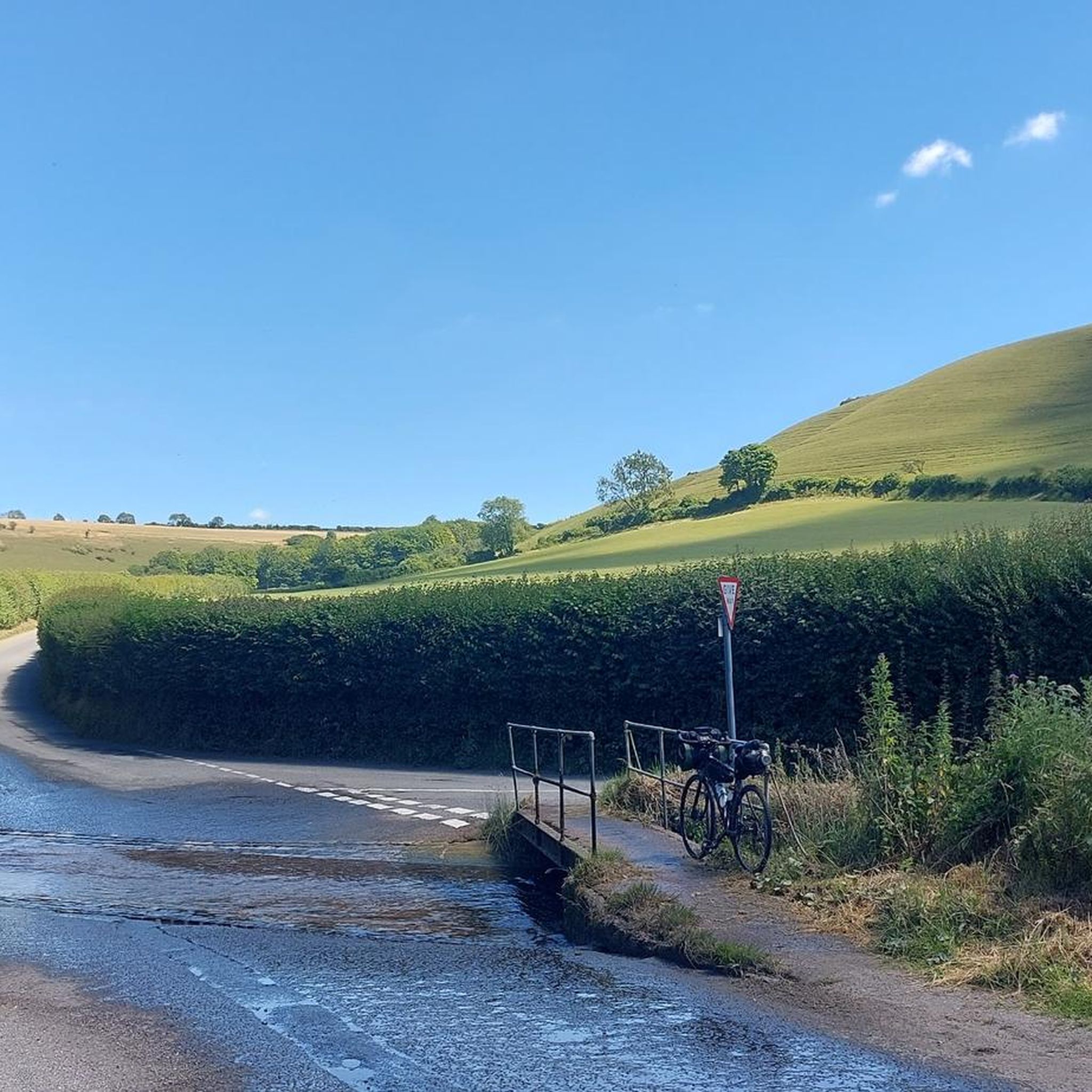
Was nice to see the Hod from a distance. On a hike route I'd done Hambledon and Hod on same day, in really bad conditions. worth a go up there
0
0
A very nice route indeed. Nothing too demanding at all. Give it a whirl!!!
1
0
The North Dorset Trailway now extends approximately 14 miles from Sturminster Newton to Spetisbury, with a section in Stalbridge they aim to link with, providing a safe route for walkers, runners, cyclists, equestrians and people with mobility scooters. The Trailway is largely made up of sections of the old Somerset and Dorset Railway which linked Bristol and Bournemouth until the 1960s.
2
0
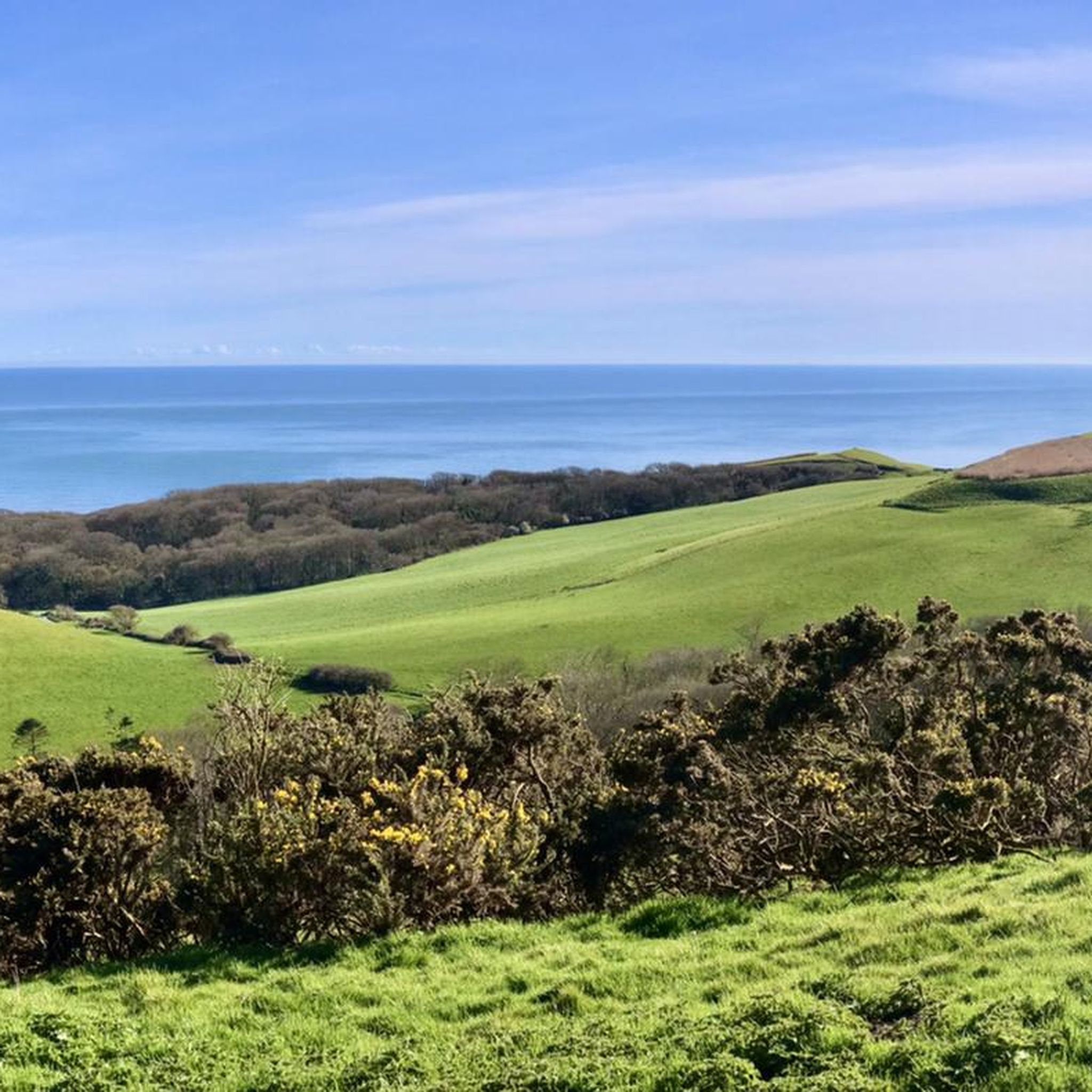
No matter what section you're on here... The views are just so beautiful
0
0
Frequently Asked Questions
What kind of terrain can I expect on touring cycling routes in Bishop's Caundle?
The touring cycling routes around Bishop's Caundle feature an undulating landscape with gentle hills, small valleys, and streams within the Blackmore Vale. You'll find peaceful country lanes, ancient tracks, and diverse farmland. Views often extend across the western end of the Blackmore Vale towards chalk uplands, including prominent features like Bulbarrow and Dungeon Hill.
Are there family-friendly touring cycling routes in the area?
Yes, the region offers family-friendly options. The North Dorset Trailway is a significant highlight, providing a largely flat, traffic-free path that is ideal for families. It also connects to many rural roads for extended, quiet rides. An example of an easy route suitable for families is Stalbridge Market Cross – St Gregs' Church loop from Stalbridge, which is just under 15 km.
What historical sites or landmarks can I see while cycling around Bishop's Caundle?
As you cycle, you can encounter a wealth of historical sites. The North Dorset Trailway itself is a notable feature. You might also pass by the historic Sturminster Newton Mill, a working mill dating back to at least 1016. Further afield, Sherborne Abbey and the romantic 12th-century Sherborne Old Castle are also within reach. Consider the route The Queens Arms – View of Sherborne Old Castle loop from Goathill for views of the castle.
Are there any circular touring cycling routes available?
Yes, many routes in the area are circular, allowing you to start and finish at the same point. For example, the North Dorset Trailway – Sturminster Newton Mill loop from Pulham is a longer circular route that takes you through sections of the Trailway and past historical sites. Another option is Sturminster Newton Mill – Sturminster Newton Castle loop from Stourton Caundle.
What is the best time of year to go touring cycling in Bishop's Caundle?
The region is enjoyable for touring cycling throughout much of the year. Spring and autumn offer pleasant temperatures and beautiful scenery with changing foliage. Summer provides longer daylight hours, though some lanes might be busier. The quiet country lanes and varied terrain make it suitable for cycling in most conditions, but always check local weather forecasts.
What do other touring cyclists enjoy most about cycling in Bishop's Caundle?
The touring cycling routes around Bishop's Caundle are highly rated by the komoot community, with an average score of 4.5 stars from over 50 reviews. Cyclists often praise the tranquil experience offered by the peaceful country lanes, the diverse and picturesque landscapes of the Blackmore Vale, and the variety of routes suitable for different skill levels.
Are there options for longer or more challenging touring cycling routes?
While there are many easy and moderate routes, the wider Dorset area, including the hilly terrain of the Purbeck Trail, offers longer and more challenging options for those seeking greater elevation gain and extended distances. Within the immediate area, routes like Oxford's Bakery All Weston loop from Caundle Marsh provide a moderate challenge with varied terrain over 33 km.
Can I find places to eat or drink along the cycling routes?
Yes, the area is dotted with traditional English villages, and local cycling clubs often plan routes that include stops for lunch at local pubs and cafes. This suggests a welcoming environment with opportunities to refuel and relax during your ride.
What kind of wildlife or natural features can I expect to see?
The region is rich in natural beauty. You can expect to see diverse farmland, and the winding Caundle Brook adds to the scenic beauty. Various woodlands such as Holway Woods, Broadoak Orchard, Hendover Coppice, and Girdlers Coppice, managed by the Dorset Wildlife Trust, offer peaceful environments and superb views, providing opportunities to spot local wildlife.
How many touring cycling routes are available around Bishop's Caundle?
There are over 130 touring cycling routes available around Bishop's Caundle, catering to various skill levels. This includes approximately 20 easy routes, over 90 moderate routes, and around 25 more difficult options for experienced cyclists.
Are there any specific cycling clubs or communities in the area?
Yes, the presence of cycling clubs like the Caundle Vélo Club indicates an active cycling community. This club organizes regular rides on quiet lanes, avoiding busy main roads, and offers pre-planned routes of varying lengths, often including stops at local pubs and cafes.
Most popular attractions around Bishop'S Caundle

Get inspired with the komoot mobile app


Explore more
Browse the best Cycling routes in other regions.
