The best walks and hikes around Hermitage
4.4
(314)
1,491
hikers
102
hikes
Hikes around Hermitage explore the rolling chalk hills and river valleys of the Dorset countryside. The landscape is characterized by ancient tracks, open fields, and wooded areas, with routes often passing by historical sites like the Cerne Abbas Giant. The trails in this region primarily consist of moderate ascents and descents through agricultural land and small villages.
Best hiking trails around Hermitage
- The most popular hiking route is Minterne Magna and the Cerne Giant loop, a 6.8 mile (11.0…
Last updated: August 20, 2026
4.7
(48)
191
hikers
11.0km
03:02
190m
190m
Moderate hike. Good fitness required. Mostly accessible paths. Sure-footedness required.
4.0
(4)
20
hikers
16.7km
04:48
400m
400m
Moderate hike. Good fitness required. Easily-accessible paths. Suitable for all skill levels.

Sign up for free
4.8
(12)
33
hikers
13.8km
03:49
250m
250m
Moderate hike. Good fitness required. Easily-accessible paths. Suitable for all skill levels.
4.0
(3)
16
hikers
11.4km
03:07
170m
170m
Moderate hike. Good fitness required. Easily-accessible paths. Suitable for all skill levels.
4.7
(6)
9
hikers
5.11km
01:29
140m
140m
Easy hike. Great for any fitness level. Easily-accessible paths. Suitable for all skill levels.
Get access to more routes and recommendations from other explorers.
Sign up for free
Already have an account?
Our route recommendations are based on thousands of hikes, rides, and runs completed by other people on komoot.
Start today with a free account
Your next adventure awaits.
Login or Signup

Tips from the Community

Well,somebody needs to cut down the bushes and trees, as that is all that can be seen here. oh, and ouch.. big, BIG nettle stings!!!
0
0
Pick the right time of year to see them..... Unlike me, and get the times wrong and it's just a field.
0
0
The Cerne Valley offers quintessentially gorgeous Dorset vistas, blending rolling chalk hills with patchy, vibrant green pastures and ancient woodlands. Historic, golden-stone villages like Cerne Abbas nestle snugly along the winding River Cerne. Climb the high ridges for sweeping, postcard-perfect views across England's idyllic, sun-dappled countryside.
0
0
Located near Dorchester, this 15-hectare Local Nature Reserve sits on a high chalk hilltop, offering some of the most expansive views in West Dorset across the Blackmore Vale. It is managed by Dorset Council and provides a mix of open grassland and wooded slopes. Scenic Trails: The site is well-connected to major walking routes including the Wessex Ridgeway and the Cerne Valley Way. A woodland sculpture trail and a brass rubbing trail make it particularly engaging for families. Diverse Flora: The grassland features a rare "chalk heath" where heather and bilberry grow alongside common spotted and pyramidal orchids. Wildlife Spotting: Visitors often spot Roe deer, buzzards, and rare butterflies like the Duke of Burgundy.
0
0
Other Church Highlights The Napier Memorial: In the north chapel, there is a massive, cathedral-sized monument to Sir Nathaniel Napier (1725). It’s so large and impressive that it takes up the entire east wall of the chapel, featuring elaborate carvings that seem almost too grand for such a small village church. The "Road-Side" Entrance: Unusually, the main doorway is located in the west face of the tower and opens directly onto the main A352 road—so watch your step as you exit! Trafalgar Ties: Look for the memorial to Henry Digby, who commanded the HMS Africa during the Battle of Trafalgar. The church is often described as having "magnolia-washed" walls, which provides a bright, clean backdrop for the heavy, historic stonework. It’s a quiet, reflective place where you can literally stand over the roots of the Churchill family tree.
0
0
The St Andrew's Church in Minterne Magna is a small, late-medieval gem that feels more like a private family chapel due to its close ties with the neighboring Minterne House. While the church has bits and pieces from the 15th century, including its font and bells, it is primarily famous as the resting place and memorial site for the families who shaped British history—specifically the Napiers and the Churchills. The Churchill Connection Before the Churchills moved on to Blenheim Palace, Minterne was their family seat. The church holds some of the earliest monuments to the dynasty: The "Original" Sir Winston: In the floor near the pulpit, you’ll find a grave slab for John Churchill (d. 1659), the father of the first Sir Winston Churchill (who was the great-great-grandfather of the WWII Prime Minister). General Charles Churchill (d. 1714): On the north wall of the nave, there is a grand, ornate 18th-century monument to the younger brother of the 1st Duke of Marlborough. Charles was a hero in his own right, fighting alongside his brother at the Battle of Blenheim. Ellen Churchill: Nearby lies a slab for Ellen, the Duke of Marlborough’s sister.
0
0
The gardens were influenced by the legendary Capability Brown, but they are most famous for their "Himalayan" style, featuring a world-renowned collection of rhododendrons and azaleas sourced from early botanical expeditions. Fascinating Residents The halls of Minterne have seen some truly eclectic characters: Admiral Henry Digby: A naval hero who commanded HMS Africa at the Battle of Trafalgar. Jane Digby: Perhaps the most scandalous resident, she was a Victorian adventuress who had several high-profile marriages before eventually marrying a Bedouin Sheikh and spending her final 25 years in Syria. Pamela Harriman: Born Pamela Digby, she was a socialite and diplomat who eventually became the U.S. Ambassador to France. Today, the house remains a private family home, though the Minterne Gardens are open daily for visitors. While the house itself is generally closed to the public, exclusive guided tours led by Lord Digby himself are occasionally offered, providing a rare look at the
0
0
Frequently Asked Questions
Are the hiking trails around Hermitage suitable for families with children?
Yes, there are several family-friendly options. The area offers around 37 easy-rated trails that are generally shorter and have less elevation gain. For a pleasant walk, consider the Minterne Gardens – St. Michael's Church, Dorset loop from Minterne Magna. It's a relatively short 3.2-mile (5.1 km) trail that is perfect for an afternoon outing.
Can I bring my dog on the trails near Hermitage?
Dogs are generally welcome on the public footpaths in the Dorset countryside, but you should always keep them on a lead, especially when crossing fields with livestock. The trails often pass through active farmland, so it's important to be respectful and responsible.
What is the terrain like on the hikes in this region?
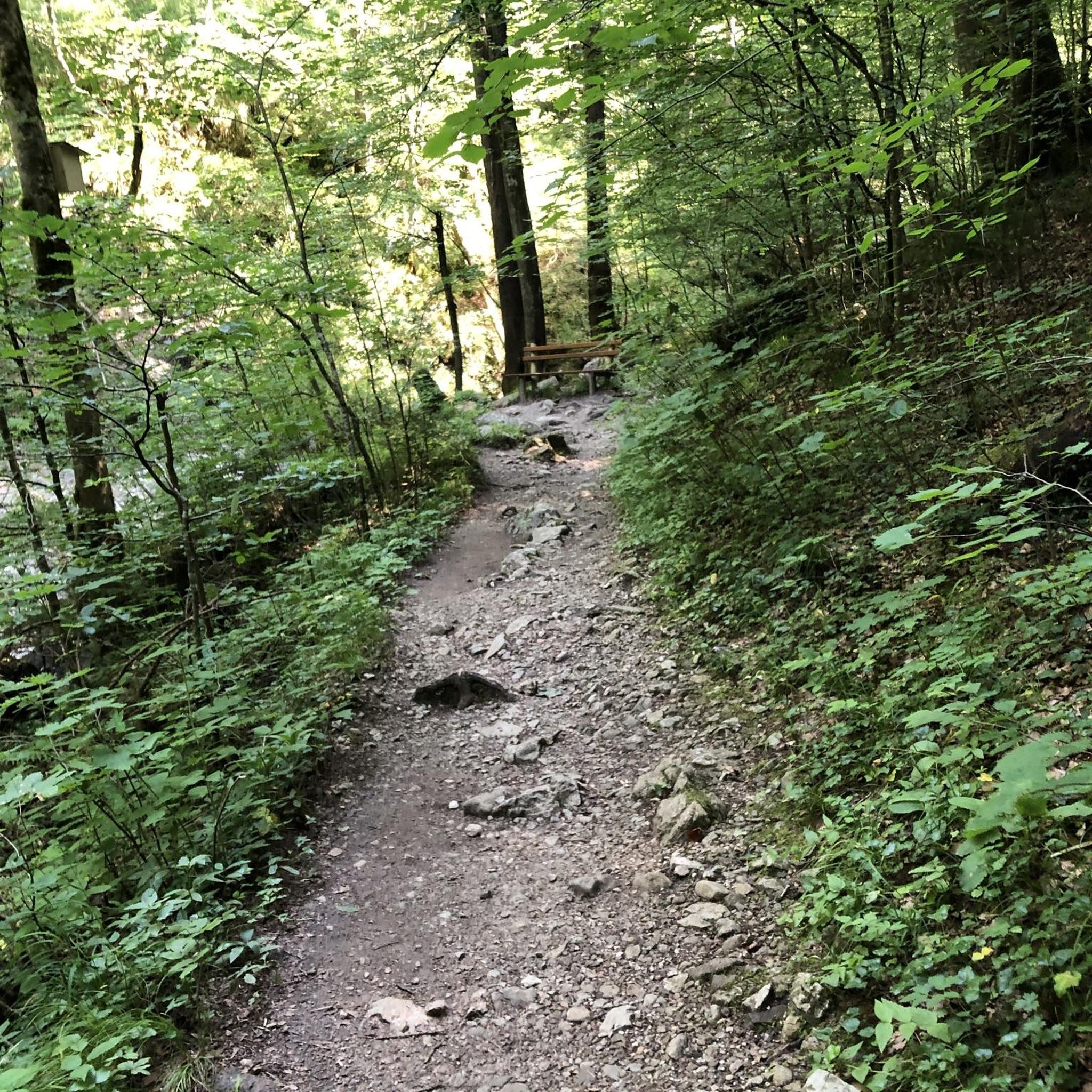
The hiking around Hermitage is characterized by the rolling chalk hills and river valleys of the Dorset AONB. You can expect a mix of ancient tracks, open fields with wide-ranging views, and paths through small wooded areas. Most trails involve moderate but manageable ascents and descents.
Are there any challenging or strenuous hikes available?
While most trails are moderate, there are more demanding options for experienced hikers. The region has a handful of difficult-rated routes. For a longer day out with significant elevation, you could try the View of the Cerne Abbas Giant – Abbey House, Cerne Abbey loop from Hilfield Hill, which covers nearly 8.6 miles (13.8 km) and includes over 240 meters of climbing.
What are the best viewpoints or scenic spots?
Many trails in the area offer fantastic views of the famous Cerne Abbas Giant, a chalk figure carved into the hillside. Routes that climb the chalk downlands provide expansive panoramic views over the surrounding Dorset countryside and the Cerne Valley.
How many hiking trails are there to choose from around Hermitage?
There are over 100 different hiking routes to explore in the Hermitage area. These range from short, easy walks to more challenging all-day hikes, giving you plenty of options to discover the Dorset landscape.
What do other hikers think of the trails in Hermitage?
The trails are highly regarded by the komoot community, with an average rating of 4.4 out of 5 stars. Hikers often praise the classic English countryside scenery, the quiet paths, and the historical interest of seeing the Cerne Abbas Giant.
Is it possible to hike in Hermitage during the winter?
Yes, hiking is possible year-round. However, the chalk and clay paths can become very muddy and slippery after rain, so waterproof hiking boots with good grip are essential. It's also wise to check the weather forecast and be prepared for shorter daylight hours.
Are there any circular walks available?
Yes, the majority of the popular routes in the area are loop trails, allowing you to start and finish in the same place without retracing your steps. This makes planning your day and parking much more convenient. A good example of a moderate loop is the Hiking loop from Hilfield Hill.
What kind of wildlife might I see while hiking?
The varied landscape of fields, woodlands, and river valleys supports a range of wildlife. Keep an eye out for birds of prey like buzzards soaring over the hills, as well as roe deer in the wooded areas. The region's hedgerows and fields are also home to many smaller birds and mammals.
How accessible are the trailheads by public transport?
Hermitage is a rural village, and public transport options can be limited. Many trailheads are best accessed by car. If you plan to use public transport, it's recommended to check local bus schedules in advance and be prepared for routes that may require some walking from the nearest bus stop to the start of the trail.
Are there any waterfall hikes in this area?
The geology of the Dorset chalk downlands means that significant waterfalls are not a feature of the landscape around Hermitage. The hikes here are better known for their rolling hills, ancient history, and expansive countryside views rather than waterfalls.
Most popular attractions around Hermitage

Get inspired with the komoot mobile app


Explore more
Browse the best Hikes in other regions.
