Attractions and Places To See around Closworth - Top 20
Attractions and places to see around Closworth include historical sites and natural features within a tranquil Somerset village. Located approximately 5 miles north of Yeovil, Closworth offers a peaceful atmosphere. The area provides access to scenic countryside and opportunities to explore historical landmarks. Visitors can find a blend of cultural points of interest and natural beauty.
Best attractions and places to see around Closworth
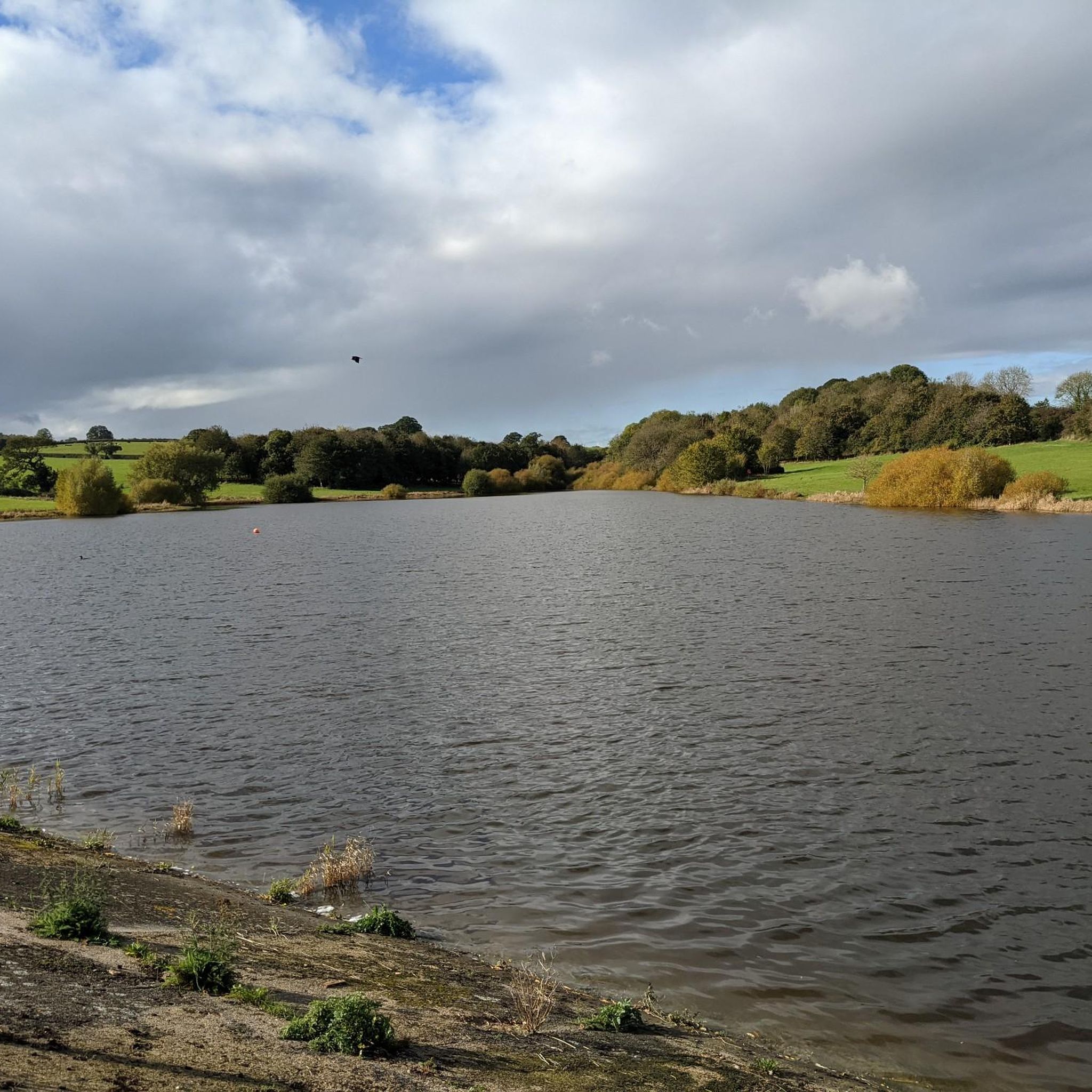
- The most popular attractions is Sutton Bingham Reservoir, a lake that was built in 1955…
Last updated: July 2, 2026
Ham Hill War Memorial and Stone Circle
Highlight • Monument
Second World War (1939-1945), First World War (1914-1918), Northern Ireland Conflict; The Troubles (1969-1998)
Maker
Ham Hill and Doulting Stone Company (Makers)
Mr W. Bussell of Montacute (Designer)
Ceremony …
Tip by

Sherborne Abbey
Highlight • Religious Site
Tip by

Sign up now to discover places like this
Get recommendations on the best single tracks, peaks, & plenty of other exciting outdoor places.
Sign up for free
St Vincent's Church, Ashington
Highlight • Historical Site
Tip by
Sutton Bingham Reservoir
Highlight • Lake
Tip by

St John the Baptist Church, Broadwindsor
Highlight • Historical Site
Tip by

Sign up for free to discover even more attractions around Closworth.
Sign up for free
Already have an account?
Start today with a free account
Your next adventure awaits.
Login or Signup
Tips from the Community

Originally a Saxon cathedral, Sherborne Abbey is a golden-stoned masterpiece of Perpendicular Gothic architecture. Its claim to fame is the fan vaulting—arguably the earliest and most spectacular in England—which spreads across the ceiling like delicate stone lace. The Abbey has survived fires (started by a bickering abbot and townspeople in 1437), the Dissolution of the Monasteries, and the test of time. Inside, you’ll find the tombs of West Saxon kings and the stunning Great West Window. It remains a living "lantern" of Dorset, glowing with honey-colored Hamstone and a quiet, ancient majesty that defines the town.
1
0
Gemini said If you find yourself in the rolling hills of West Dorset, the Church of St John the Baptist in Broadwindsor is a classic, "slow-paced" country church that packs a surprising amount of history into its quiet stone walls. It’s perched on a high spot right in the heart of the village, looking out over the square like it’s been keeping watch forever (which, to be fair, it mostly has). Here’s why it’s worth a wander: A Royal Fugitive’s Hiding Spot The village’s biggest claim to fame involves a high-stakes game of hide-and-seek. After losing the Battle of Worcester in 1651, King Charles II fled for his life and spent a night right here in Broadwindsor. While the King was hiding in a nearby inn (now private cottages), Parliamentarian soldiers actually arrived in the village to search it. Legend says he only escaped because a local woman went into labor in the same building, causing such a chaotic distraction that the soldiers moved on without finding him. He eventually escaped to France, but the church stands as a silent witness to that tense night. The "Witty" Rector In the 1630s, the church was led by Thomas Fuller, a man described as one of the first English writers to actually make a living from his pen. He was famous for his "pregnant wit" and once said, "Charity begins at home, but should not end there." * Even today, the village is very proud of him—you’ll often find his quotes inscribed in the local community pub, The White Lion, just down the road. What to Look For Inside The "Wonky" Architecture: The church has a mix of styles because it’s been rebuilt and patched up over nearly 900 years. You’ll see heavy, rounded Norman arches on one side of the nave and more pointed "Early English" ones on the other. It gives the interior a slightly mismatched, organic feel. The Ancient Font: There is a square font made of Purbeck Marble that dates back to the early 1200s. It’s been used to baptize village children for eight centuries. The Bells: The tower holds a ring of six bells. Some of them are "pre-Reformation," meaning they’ve been swinging in that tower since before Henry VIII broke away from Rome. The "Compromise" Clock: If you’re there during the day, you’ll hear the clock chime. There was a recent local debate about whether it should chime at night; in a very "British village" move, they compromised—it now stays quiet from 9:00 PM to 6:00 AM so the neighbors can sleep!
0
0

However, such war memorials, which one encounters so frequently along the way, regardless of nationality, language, or name, are always a testimony – still significant and relevant today – to the horrors of war and tyranny. They therefore all have two essential functions, and this continues anew for each generation: -1- To commemorate and remember the victims -2- To remind people of the need to maintain peace
2
0

I always make time to pop in on my walks in this area as it is wonderfully calming and peaceful. I like to just sit and marvel at the talent of the architecture.
0
0

In the parish of Chilton Cantelo, Somerset | c13th, Grade 1. Interior includes Jacobean furnishings. Box pews and pulpit with a tester from the c17th Although lacking a tower, it has a rare ‘lantern’ bellcote, likely added in the late 15th or early c16th One of only 6 churches in England dedicated to this Spanish Saint The recent dating of the treble bell (1290) makes it quite a remarkable piece quite possibly one of the oldest still hanging in England.
0
0

At the heart of the village, you'll find this lovely church, with its churchyard, of which the oldest parts are known to date back to the 12th century, in a Norman Romanesque style. During the Victorian era, it underwent significant restoration, so you can see signs of this period in its exterior appearance.
0
0

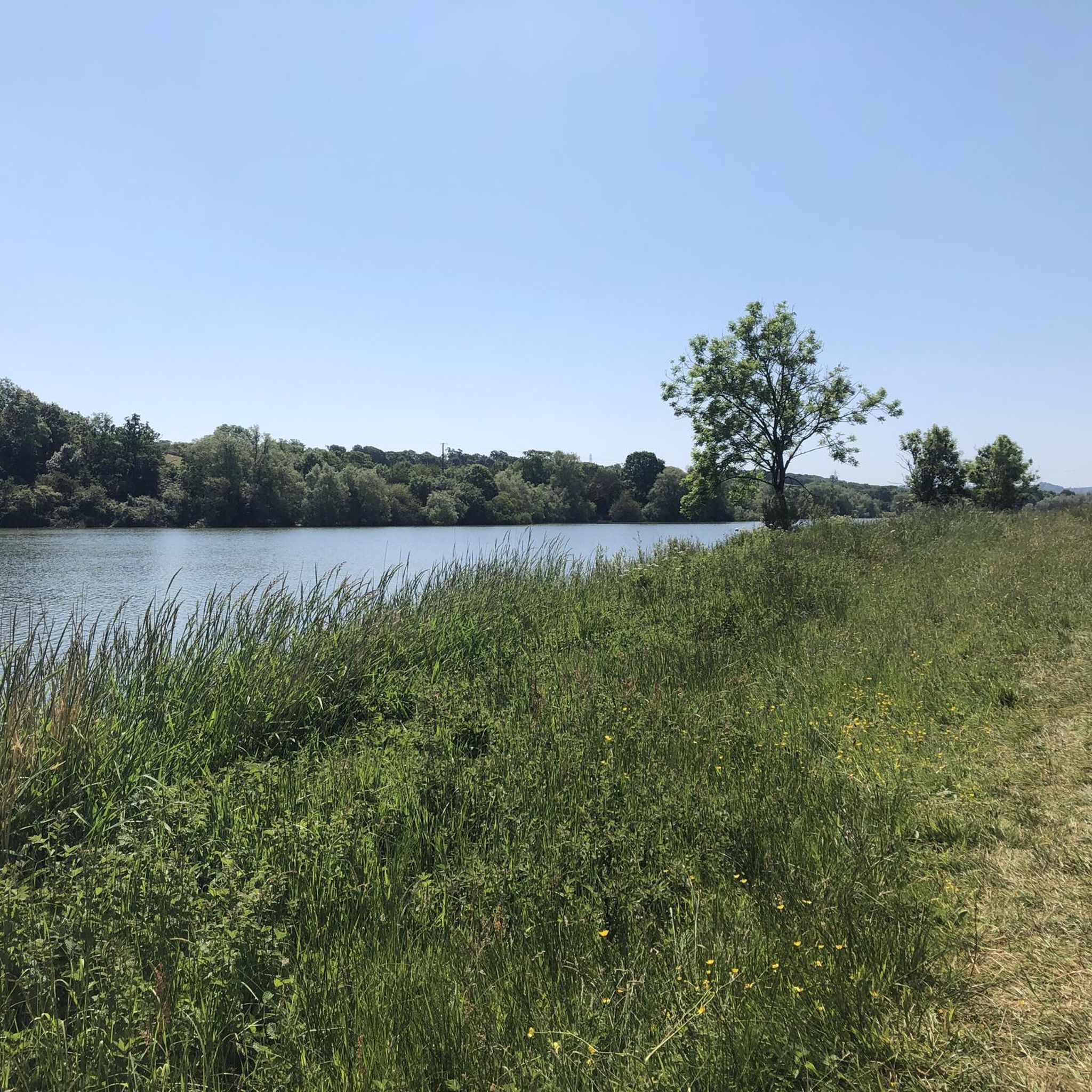
Set in the rolling hills of the Somerset and Dorset border. There are lots of pretty wildflowers and great views across the lovely blue waters, which attract a wide variety of butterflies such as Small Skipper and Marble White.
2
0
The Church of St. Vincent, a petite structure with origins dating back to 1189-1280, displays charming Hamstone accents and is crowned by a clay tile roof. Its walls are constructed from lias rubble. Remarkably, the church doesn't possess a tower; rather, it boasts an uncommon 'lantern' bellcote, thought to have been appended in the late 15th or early 16th century. In 1878, the church underwent a restoration process.
2
0
Frequently Asked Questions
What natural features can I explore near Closworth?
Closworth is surrounded by picturesque countryside and is situated on the River Yeo. You can visit Sutton Bingham Reservoir, a popular spot for walking and enjoying the water. Additionally, the area offers scenic views from places like Ham Hill War Memorial and Stone Circle, which also serves as a viewpoint.
Are there historical sites or religious buildings to visit in the Closworth area?
Yes, Closworth and its surroundings are rich in history. You can explore Sherborne Abbey, a religious building with a history dating back to AD 705, featuring distinct architectural styles. Another notable site is St John the Baptist Church, Broadwindsor, a 12th-century church with a fascinating past, including a connection to King Charles II. The village of Closworth itself is home to St. Mary's Church, a Grade II listed building with origins in the 11th century.
What outdoor activities can I do near Closworth?
The area around Closworth offers various outdoor activities. You can find numerous walking and cycling routes through the scenic countryside. For more structured activities, explore the running trails, cycling routes, and MTB trails available, including routes that pass by highlights like Sutton Bingham Reservoir and the atmospheric Hollow Lane.
Are there any nature reserves close to Closworth?
Yes, for nature enthusiasts, Closworth is conveniently located near several nature reserves. These include Ham Hill Country Park and Yeovil Country Park, which offer opportunities for hiking, cycling, and birdwatching amidst diverse natural landscapes.
What is <a href="https://www.komoot.com/highlight/822849" target="_blank" rel="noopener">Ham Hill War Memorial and Stone Circle</a>?
Ham Hill War Memorial and Stone Circle is a significant man-made monument commemorating the First and Second World Wars. It serves as a testimony to historical events and the importance of peace, offering a place for reflection and remembrance, along with panoramic views of the surrounding area.
Is Closworth suitable for family visits?
Yes, the area around Closworth offers several family-friendly attractions. Sutton Bingham Reservoir is a great spot for walks and enjoying nature with children. Historical sites like Sherborne Abbey and St John the Baptist Church, Broadwindsor can also be engaging for families interested in history and architecture.
Where can I find a traditional English pub in Closworth?
The George Inn is a traditional English pub located in Closworth, dating back to the 17th century. It's known for its welcoming atmosphere, local ales, and traditional pub food, making it a central hub for the village community.
What is <a href="https://www.komoot.com/highlight/447594" target="_blank" rel="noopener">Sutton Bingham Reservoir</a> known for?
Sutton Bingham Reservoir, built in 1955 and managed by Wessex Water, is a popular destination for fishing and walking. It offers beautiful views across its waters, attracting a variety of wildflowers and butterflies, and provides a peaceful setting for outdoor activities.
Are there any challenging trails for experienced hikers or cyclists?
Yes, for those seeking a challenge, the area includes trails like Hollow Lane, which is described as an amazing and atmospheric climb. Additionally, some of the running and cycling routes in the vicinity are rated as difficult, offering more strenuous options for outdoor enthusiasts.
What do visitors appreciate most about the attractions around Closworth?
Visitors appreciate the blend of historical significance and natural beauty. Highlights like Ham Hill War Memorial and Stone Circle are valued for their commemorative aspect and the need to maintain peace, while Sherborne Abbey is admired for its extraordinary architecture and long history. The tranquil atmosphere and picturesque countryside also contribute to a highly positive visitor experience.
Can I find places to eat and drink near the attractions?
Yes, there are options for refreshments. The George Inn in Closworth offers traditional pub food and local ales. Near Ham Hill War Memorial and Stone Circle, you'll find 'The Prince Of Wales' pub, which provides food, drinks, and outdoor seating with views. There's also a small village cafe a little further on from Sutton Bingham Reservoir towards Coker.
What is the best time to visit Closworth for outdoor activities?
The picturesque countryside and outdoor routes around Closworth are enjoyable throughout much of the year. Spring and summer offer pleasant weather for walking, cycling, and exploring the nature reserves. Autumn provides beautiful scenery with changing foliage, while winter can offer crisp, quiet walks, though some routes might be muddy. Always check local weather conditions before heading out.
Most popular attractions around Closworth

Get inspired with the komoot mobile app


Explore more
Still not found the Highlight you’re looking for? See guides of the top attractions in other regions:
