Hardington Mandeville
Hardington Mandeville
Attractions and Places To See around Hardington Mandeville - Top 20
Best attractions and places to see around Hardington Mandeville include a blend of historical landmarks, natural beauty, and cultural sites. This charming village in Somerset, England, is characterized by its rolling hills and ecologically rich landscapes. Visitors can explore significant historical features within the village and its immediate surroundings, alongside diverse natural areas like nationally rare grasslands and picturesque reservoirs. The region offers a variety of outdoor experiences, from historical exploration to wildlife spotting.
Best attractions and places to see…
Last updated: July 2, 2026
Ham Hill War Memorial and Stone Circle
Highlight • Monument
Second World War (1939-1945), First World War (1914-1918), Northern Ireland Conflict; The Troubles (1969-1998)
Maker
Ham Hill and Doulting Stone Company (Makers)
Mr W. Bussell of Montacute (Designer)
Ceremony …
Tip by

St Vincent's Church, Ashington
Highlight • Historical Site
Tip by

Sign up now to discover places like this
Get recommendations on the best single tracks, peaks, & plenty of other exciting outdoor places.
Sign up for free
Sutton Bingham Reservoir
Highlight • Lake
Tip by

St John the Baptist Church, Broadwindsor
Highlight • Historical Site
Tip by

Hollow Lane
Highlight • Trail
Tip by

Sign up for free to discover even more attractions around Hardington Mandeville.
Sign up for free
Already have an account?
Start today with a free account
Your next adventure awaits.
Login or Signup
Tips from the Community

Gemini said If you find yourself in the rolling hills of West Dorset, the Church of St John the Baptist in Broadwindsor is a classic, "slow-paced" country church that packs a surprising amount of history into its quiet stone walls. It’s perched on a high spot right in the heart of the village, looking out over the square like it’s been keeping watch forever (which, to be fair, it mostly has). Here’s why it’s worth a wander: A Royal Fugitive’s Hiding Spot The village’s biggest claim to fame involves a high-stakes game of hide-and-seek. After losing the Battle of Worcester in 1651, King Charles II fled for his life and spent a night right here in Broadwindsor. While the King was hiding in a nearby inn (now private cottages), Parliamentarian soldiers actually arrived in the village to search it. Legend says he only escaped because a local woman went into labor in the same building, causing such a chaotic distraction that the soldiers moved on without finding him. He eventually escaped to France, but the church stands as a silent witness to that tense night. The "Witty" Rector In the 1630s, the church was led by Thomas Fuller, a man described as one of the first English writers to actually make a living from his pen. He was famous for his "pregnant wit" and once said, "Charity begins at home, but should not end there." * Even today, the village is very proud of him—you’ll often find his quotes inscribed in the local community pub, The White Lion, just down the road. What to Look For Inside The "Wonky" Architecture: The church has a mix of styles because it’s been rebuilt and patched up over nearly 900 years. You’ll see heavy, rounded Norman arches on one side of the nave and more pointed "Early English" ones on the other. It gives the interior a slightly mismatched, organic feel. The Ancient Font: There is a square font made of Purbeck Marble that dates back to the early 1200s. It’s been used to baptize village children for eight centuries. The Bells: The tower holds a ring of six bells. Some of them are "pre-Reformation," meaning they’ve been swinging in that tower since before Henry VIII broke away from Rome. The "Compromise" Clock: If you’re there during the day, you’ll hear the clock chime. There was a recent local debate about whether it should chime at night; in a very "British village" move, they compromised—it now stays quiet from 9:00 PM to 6:00 AM so the neighbors can sleep!
0
0

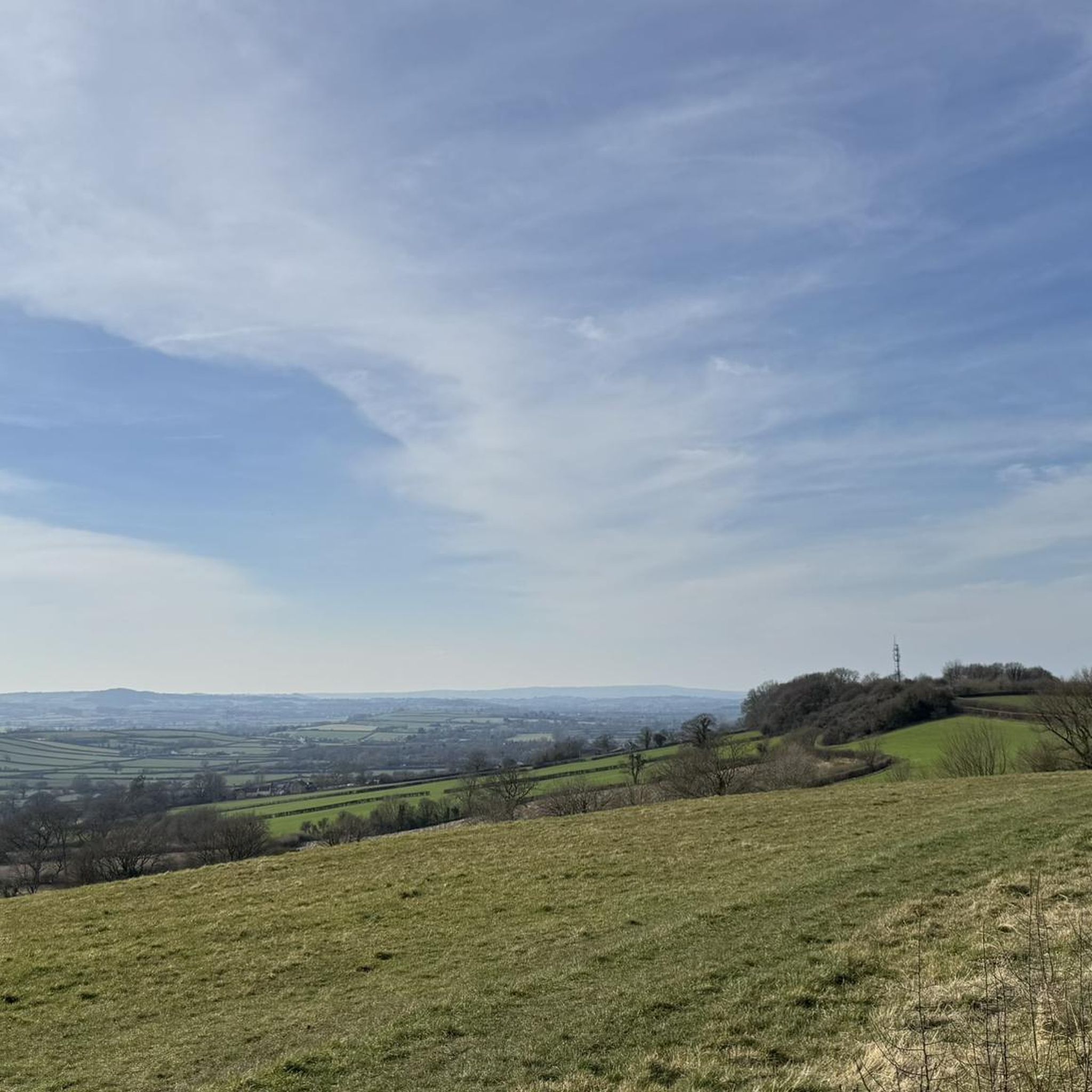
However, such war memorials, which one encounters so frequently along the way, regardless of nationality, language, or name, are always a testimony – still significant and relevant today – to the horrors of war and tyranny. They therefore all have two essential functions, and this continues anew for each generation: -1- To commemorate and remember the victims -2- To remind people of the need to maintain peace
2
0

In the parish of Chilton Cantelo, Somerset | c13th, Grade 1. Interior includes Jacobean furnishings. Box pews and pulpit with a tester from the c17th Although lacking a tower, it has a rare ‘lantern’ bellcote, likely added in the late 15th or early c16th One of only 6 churches in England dedicated to this Spanish Saint The recent dating of the treble bell (1290) makes it quite a remarkable piece quite possibly one of the oldest still hanging in England.
0
0

At the heart of the village, you'll find this lovely church, with its churchyard, of which the oldest parts are known to date back to the 12th century, in a Norman Romanesque style. During the Victorian era, it underwent significant restoration, so you can see signs of this period in its exterior appearance.
0
0

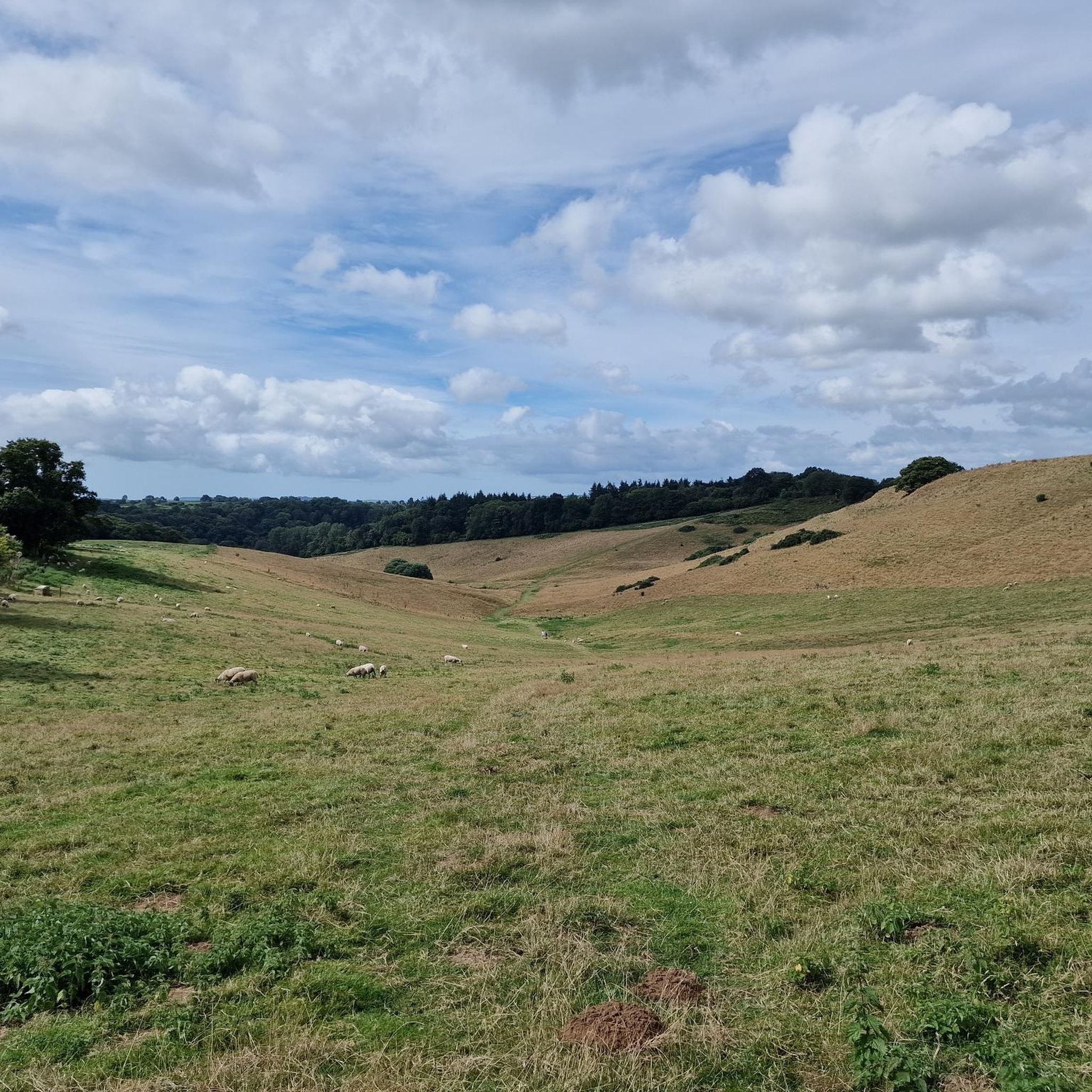
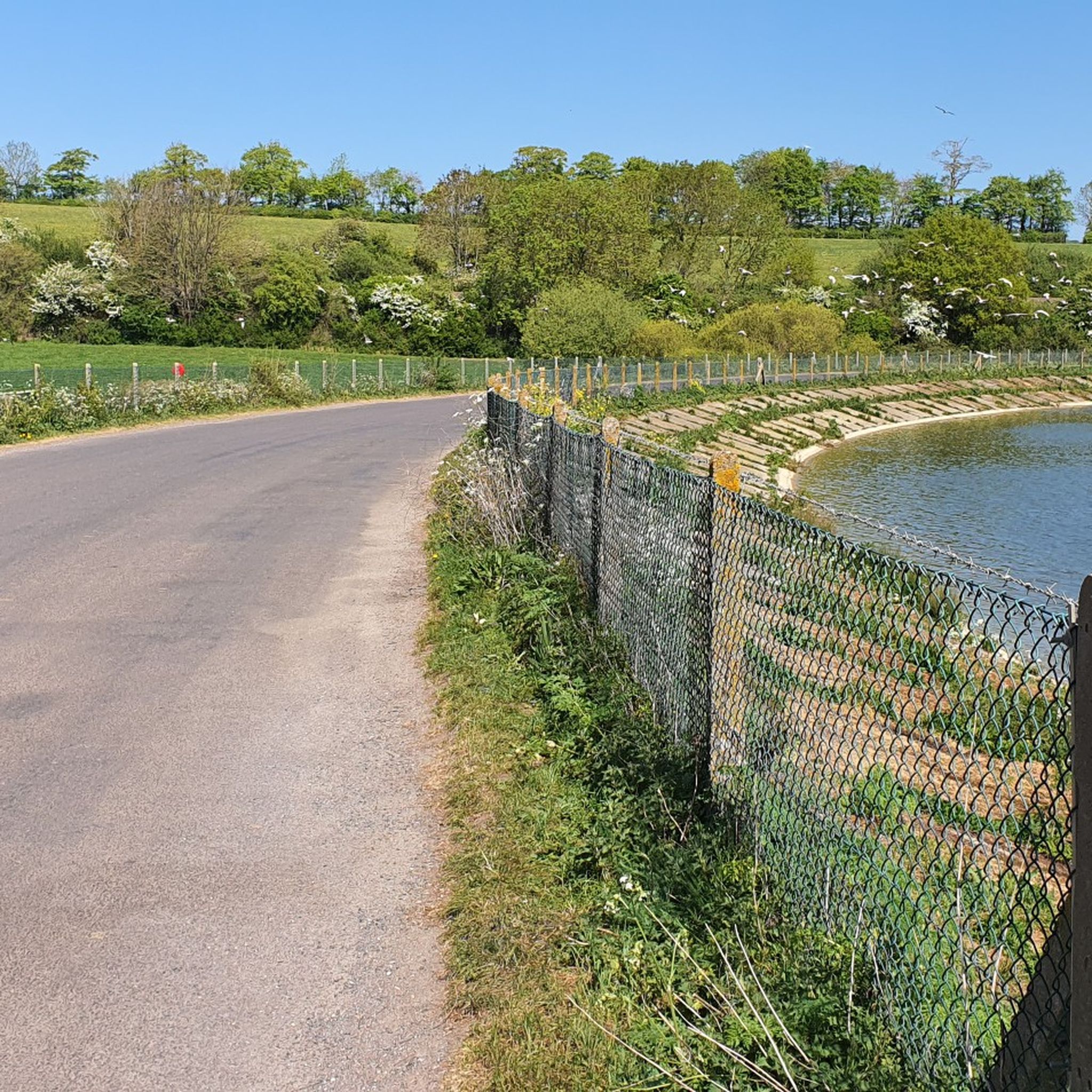
Set in the rolling hills of the Somerset and Dorset border. There are lots of pretty wildflowers and great views across the lovely blue waters, which attract a wide variety of butterflies such as Small Skipper and Marble White.
2
0
The Church of St. Vincent, a petite structure with origins dating back to 1189-1280, displays charming Hamstone accents and is crowned by a clay tile roof. Its walls are constructed from lias rubble. Remarkably, the church doesn't possess a tower; rather, it boasts an uncommon 'lantern' bellcote, thought to have been appended in the late 15th or early 16th century. In 1878, the church underwent a restoration process.
2
0

Good atmosphere, scenery and facilities (picnic area and loos)
0
0

Hollow Lane is a great example of a Hollow Way, a sunken lane typical of this area of the country. These ancient lanes are cut into the landscape but we're not entirely sure why. It could be simply due to erosion by booth people and animals over 100s of years, exacerbated by water run off. They may also have been cut initially to make animal heading easier and to provide protection from the weather. What ever the cause they make for very atmospheric riding!
0
1
Frequently Asked Questions
What historical landmarks can I explore in Hardington Mandeville?
Hardington Mandeville is rich in history. You can visit the Grade II* listed Church of St Mary, which features a Norman tower and a circular font believed to be original from 1123. The village also preserves unique historical features like a public well, a village pump on the High Street, and an outside privy over the stream in Hardington Moor. Nearby, Norton-sub-Hamdon Village offers a 17th-century manor house and a stone dovecote, while St Vincent's Church, Ashington, is a petite structure with origins dating back to the 12th century, known for its Hamstone accents and rare 'lantern' bellcote.
Where can I experience nature and wildlife around Hardington Mandeville?
For nature enthusiasts, Hardington Mandeville offers several key sites. The Hardington Moor biological Site of Special Scientific Interest (SSSI) and National Nature Reserve is celebrated for its nationally rare species-rich grasslands and diverse plant and invertebrate life, including many butterfly species. Sutton Bingham Reservoir is a popular spot for walking and offers picturesque views, wildflowers, and a variety of butterflies. Additionally, the White Vine and Grove Farm SSSIs and three traditional hay meadows in the north of the parish are ecologically rich areas.
Are there family-friendly attractions in the Hardington Mandeville area?
Yes, several attractions cater to families. Sutton Bingham Reservoir is a great family-friendly destination for walks, with amenities like public toilets. The historical churches, such as St John the Baptist Church, Broadwindsor, and St Vincent's Church, Ashington, are also noted as family-friendly sites. For outdoor recreation, Ninesprings Park (Yeovil) offers green space and recreational opportunities suitable for all ages.
What are some popular walking and hiking routes near Hardington Mandeville?
The area around Hardington Mandeville offers a variety of walking and hiking routes. You can find easy hikes like the 'Wooden Turnstile loop from Hardington Moor National Nature Reserve' or 'Plague Memorial, East Coker – Helyar Almshouses loop from East Coker'. For more options, explore the Easy hikes around Hardington Mandeville guide or the broader Hiking around Hardington Mandeville guide for moderate to difficult trails.
Can I find running trails in the Hardington Mandeville region?
Yes, there are several running trails available. You can find moderate routes such as the 'East Chinnock Hill – Allicombe Plantation loop from Hardington Moor National Nature Reserve' or the 'Salt Hole loop from Hardington Moor National Nature Reserve'. For a comprehensive list of options, refer to the Running Trails around Hardington Mandeville guide.
What are the best viewpoints or scenic spots in the area?
For impressive views, visit Ham Hill War Memorial and Stone Circle, which offers panoramic vistas across the rolling slopes. Sutton Bingham Reservoir also provides picturesque views over its waters, especially during wildflower season. The general landscape of Hardington Mandeville, with its rolling hills and ecologically rich areas, offers many scenic opportunities.
Are there any National Trust properties or significant gardens nearby?
Yes, within a reasonable distance, you can visit several notable National Trust properties and gardens. These include the stunning Elizabethan mansion of Montacute House with its beautiful gardens, the restored Tudor manor house of Barrington Court, and the delightful 20th-century Tintinhull Garden.
What is the significance of Ham Hill in the Hardington Mandeville area?
Ham Hill Country Park is a significant site known for its impressive views, walking trails, and historical importance. It is home to Ham Hill War Memorial and Stone Circle, a man-made monument commemorating various conflicts, offering a place for reflection and expansive views.
What unique local features can I find within Hardington Mandeville village itself?
Beyond its church, Hardington Mandeville village retains several unique historical features. You can discover a public well and village pump on the High Street, an outside privy over the stream in Hardington Moor, a sheep dip in North Lane, and a spring on Pig Hill, all offering a glimpse into the village's past.
What do visitors particularly enjoy about the attractions around Hardington Mandeville?
Visitors appreciate the blend of historical exploration and natural beauty. The serene Dorset countryside, the quiet charm of historical churches like St John the Baptist Church, Broadwindsor, and the atmospheric experience of trails like Hollow Lane are frequently highlighted. The picturesque views and wildlife spotting opportunities at places like Sutton Bingham Reservoir are also highly valued.
Are there any museums or cultural institutions worth visiting near Hardington Mandeville?
Yes, for those interested in cultural institutions, the Royal Navy Fleet Air Arm Museum is a major museum dedicated to the history of naval aviation and is located within a reasonable distance from Hardington Mandeville.
What kind of terrain can I expect on walks around Hardington Mandeville?
The terrain around Hardington Mandeville generally features rolling hills. Walks can range from easy, relatively flat paths around areas like Hardington Moor National Nature Reserve, to more challenging climbs such as Hollow Lane, which carves through thick woodland with a steady ascent. Many routes combine asphalt and loose gravel roads.
Most popular attractions around Hardington Mandeville

Get inspired with the komoot mobile app


Explore more
Still not found the Highlight you’re looking for? See guides of the top attractions in other regions:
