Attractions and Places To See around South Perrott - Top 20
Best attractions and places to see around South Perrott include a variety of historical landmarks, natural features, and scenic walking routes. This charming village in northwest Dorset, England, is characterized by rolling hills and river valleys. The area offers opportunities to explore ancient sites and diverse landscapes. Numerous footpaths and trails connect rural villages and lead to prominent viewpoints.
Best attractions and places to see around South Perrott
- The most popular attractions is Sutton Bingham Reservoir, a lake that…
Last updated: May 26, 2026
Pilsdon Pen Summit and Trig Point
Highlight • Natural Monument
Tip by

Ham Hill War Memorial and Stone Circle
Highlight • Monument
Second World War (1939-1945), First World War (1914-1918), Northern Ireland Conflict; The Troubles (1969-1998)
Maker
Ham Hill and Doulting Stone Company (Makers)
Mr W. Bussell of Montacute (Designer)
Ceremony …
Tip by

Sign up now to discover places like this
Get recommendations on the best single tracks, peaks, & plenty of other exciting outdoor places.
Sign up for free
Sutton Bingham Reservoir
Highlight • Lake
Tip by

St John the Baptist Church, Broadwindsor
Highlight • Historical Site
Tip by
Hollow Lane
Highlight • Trail
Tip by

Sign up for free to discover even more attractions around South Perrott.
Sign up for free
Already have an account?
Start today with a free account
Your next adventure awaits.
Login or Signup

Tips from the Community

Gemini said If you find yourself in the rolling hills of West Dorset, the Church of St John the Baptist in Broadwindsor is a classic, "slow-paced" country church that packs a surprising amount of history into its quiet stone walls. It’s perched on a high spot right in the heart of the village, looking out over the square like it’s been keeping watch forever (which, to be fair, it mostly has). Here’s why it’s worth a wander: A Royal Fugitive’s Hiding Spot The village’s biggest claim to fame involves a high-stakes game of hide-and-seek. After losing the Battle of Worcester in 1651, King Charles II fled for his life and spent a night right here in Broadwindsor. While the King was hiding in a nearby inn (now private cottages), Parliamentarian soldiers actually arrived in the village to search it. Legend says he only escaped because a local woman went into labor in the same building, causing such a chaotic distraction that the soldiers moved on without finding him. He eventually escaped to France, but the church stands as a silent witness to that tense night. The "Witty" Rector In the 1630s, the church was led by Thomas Fuller, a man described as one of the first English writers to actually make a living from his pen. He was famous for his "pregnant wit" and once said, "Charity begins at home, but should not end there." * Even today, the village is very proud of him—you’ll often find his quotes inscribed in the local community pub, The White Lion, just down the road. What to Look For Inside The "Wonky" Architecture: The church has a mix of styles because it’s been rebuilt and patched up over nearly 900 years. You’ll see heavy, rounded Norman arches on one side of the nave and more pointed "Early English" ones on the other. It gives the interior a slightly mismatched, organic feel. The Ancient Font: There is a square font made of Purbeck Marble that dates back to the early 1200s. It’s been used to baptize village children for eight centuries. The Bells: The tower holds a ring of six bells. Some of them are "pre-Reformation," meaning they’ve been swinging in that tower since before Henry VIII broke away from Rome. The "Compromise" Clock: If you’re there during the day, you’ll hear the clock chime. There was a recent local debate about whether it should chime at night; in a very "British village" move, they compromised—it now stays quiet from 9:00 PM to 6:00 AM so the neighbors can sleep!
0
0

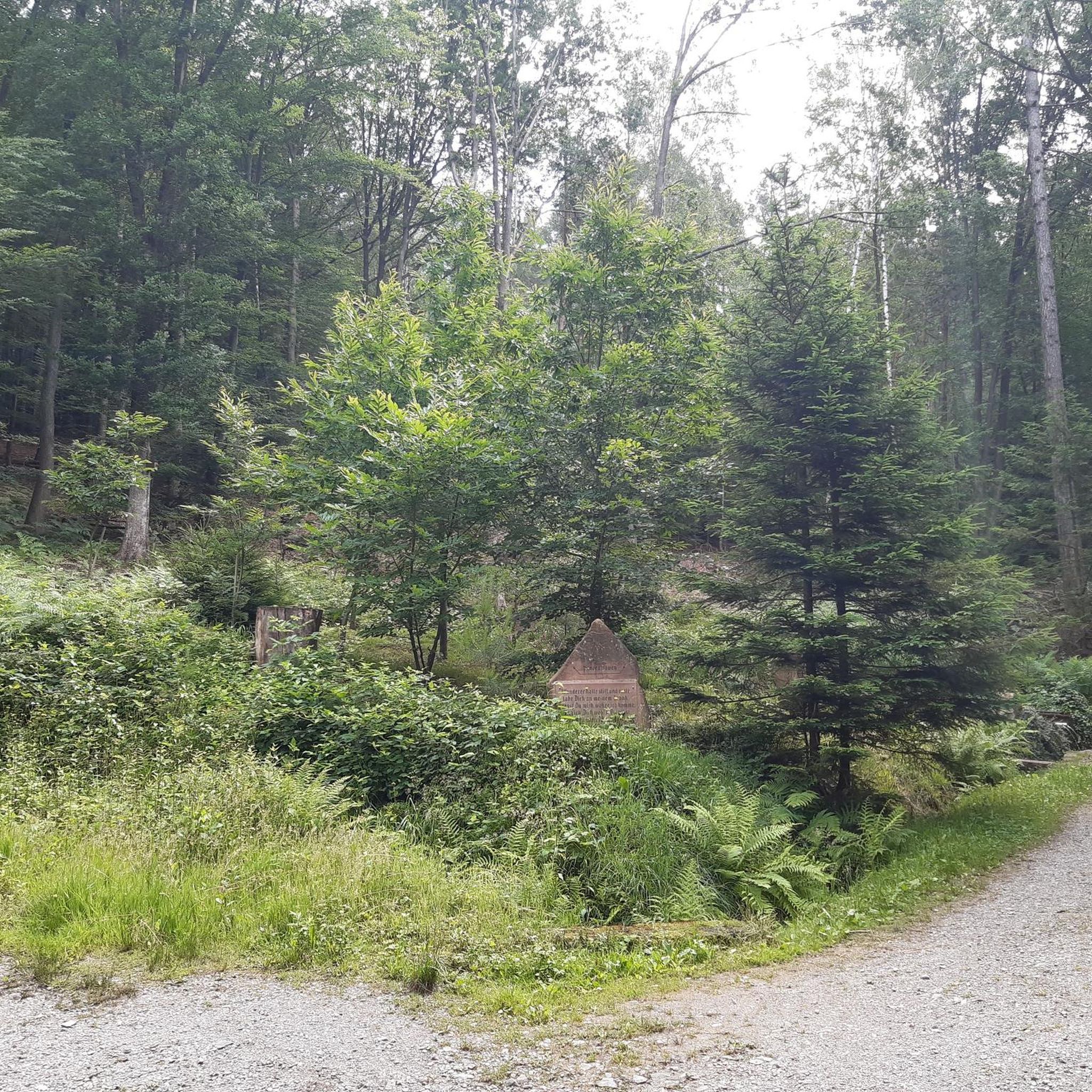
However, such war memorials, which one encounters so frequently along the way, regardless of nationality, language, or name, are always a testimony – still significant and relevant today – to the horrors of war and tyranny. They therefore all have two essential functions, and this continues anew for each generation: -1- To commemorate and remember the victims -2- To remind people of the need to maintain peace
2
0

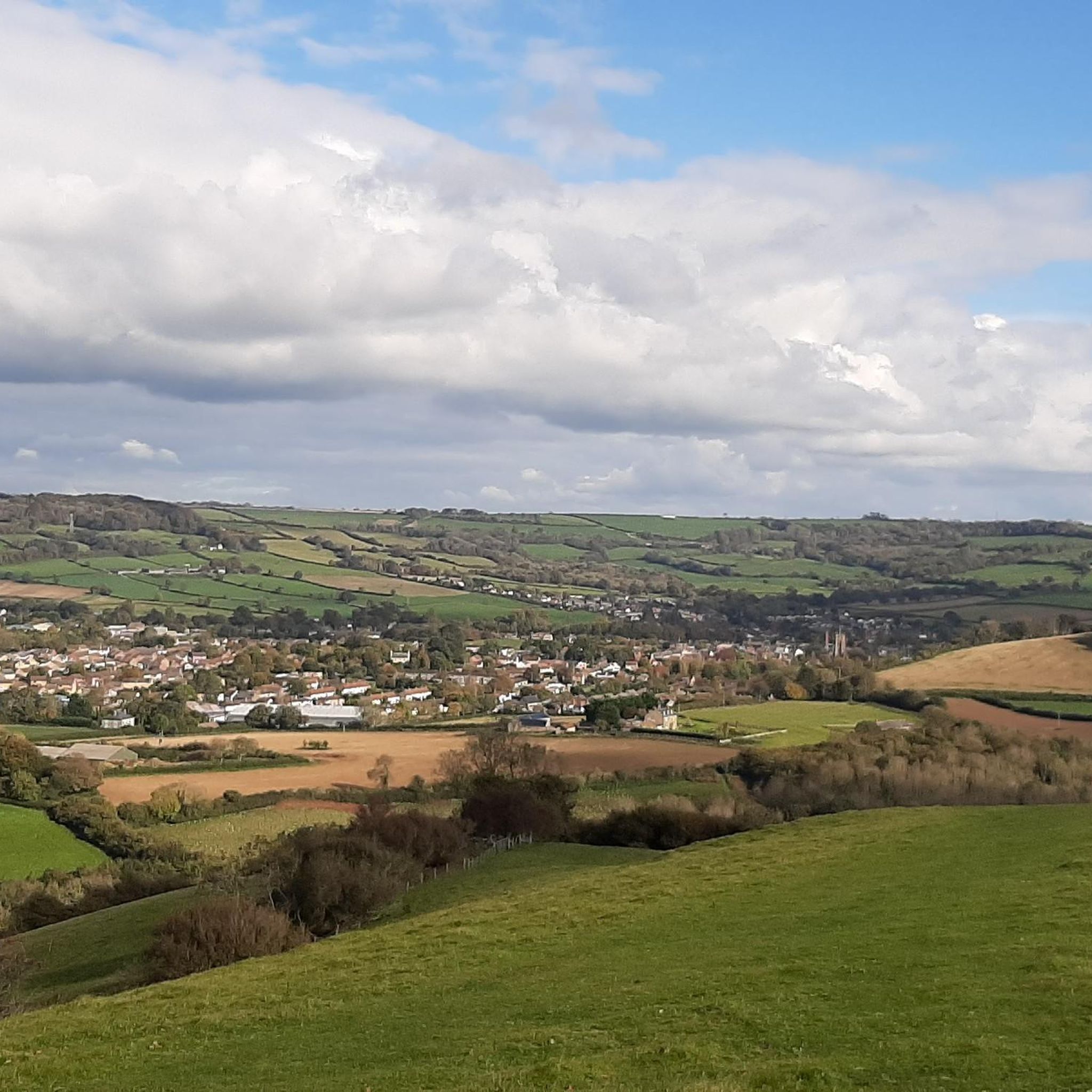
The summit of this hill represents the second highest point in Dorset, and from here, you'll have breathtaking panoramic views. At the top, there was an Iron Age hillfort, which was excavated in the mid-20th century.
0
0
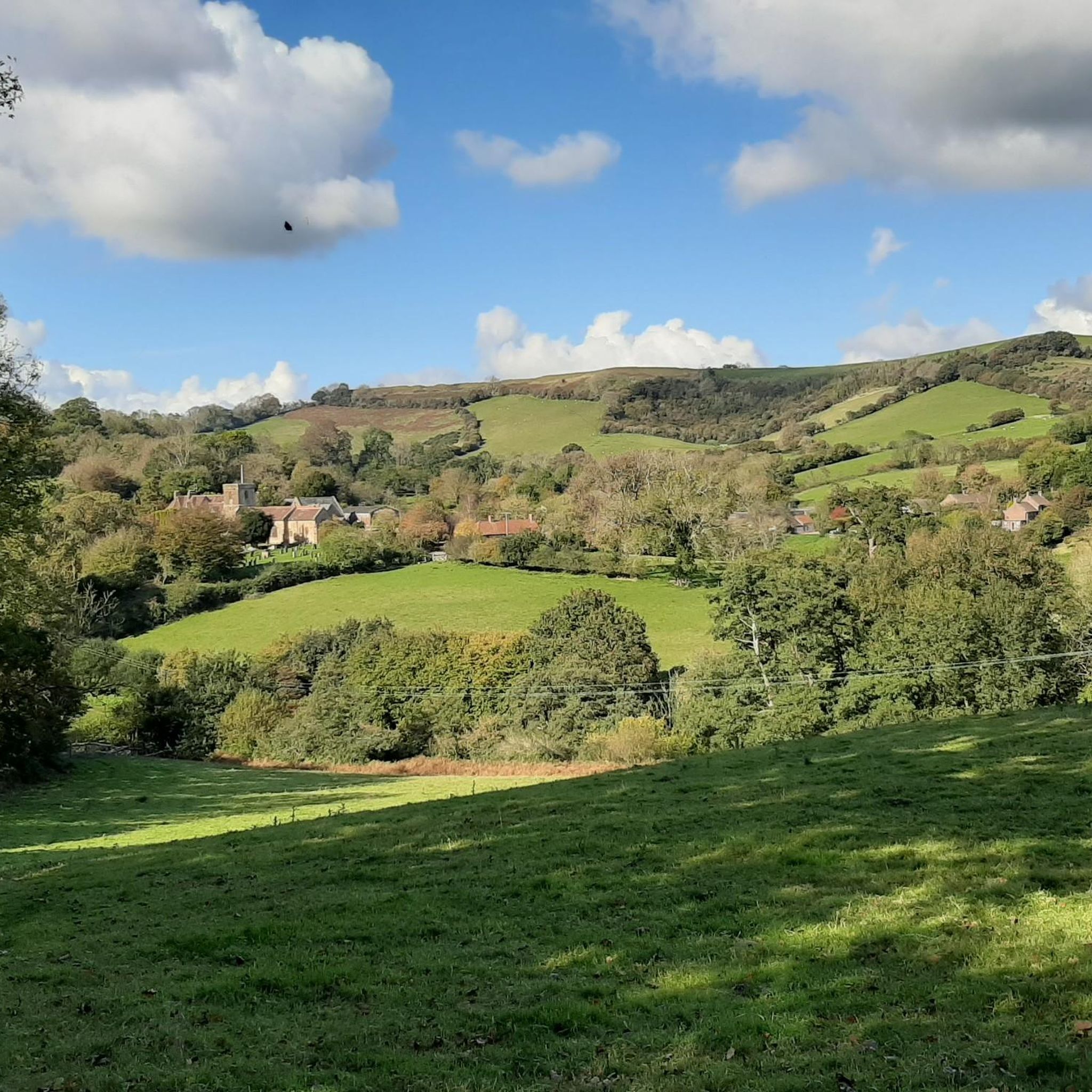
At the heart of the village, you'll find this lovely church, with its churchyard, of which the oldest parts are known to date back to the 12th century, in a Norman Romanesque style. During the Victorian era, it underwent significant restoration, so you can see signs of this period in its exterior appearance.
0
0

Set in the rolling hills of the Somerset and Dorset border. There are lots of pretty wildflowers and great views across the lovely blue waters, which attract a wide variety of butterflies such as Small Skipper and Marble White.
2
0

Good atmosphere, scenery and facilities (picnic area and loos)
0
0

Hollow Lane is a great example of a Hollow Way, a sunken lane typical of this area of the country. These ancient lanes are cut into the landscape but we're not entirely sure why. It could be simply due to erosion by booth people and animals over 100s of years, exacerbated by water run off. They may also have been cut initially to make animal heading easier and to provide protection from the weather. What ever the cause they make for very atmospheric riding!
0
1
Built in 1955 Sutton Bingham reservoir is managed by Wessex Water. It's a popular fishing and walking destination and a pretty spot for a stop off while riding around central Dorset. There is a public toilet and bike racks in the car park.
1
0
Frequently Asked Questions
What historical sites can I explore near South Perrott?
The area around South Perrott is rich in history. You can visit the earthwork remains of Mohun Castle, believed to be a moated medieval manor house, located just south of the Parish Church of St. Mary. The Parish Church itself is a Grade I listed building with parts dating back to the 13th century. Further afield, St John the Baptist Church in Broadwindsor offers a glimpse into 12th-century architecture and local history, including a connection to King Charles II. Additionally, the Ham Hill War Memorial and Stone Circle commemorates various conflicts.
Where can I find the best panoramic views of the Dorset countryside?
For breathtaking panoramic views, head to Pilsdon Pen Summit and Trig Point, the second-highest point in Dorset. On clear days, you can see as far as Golden Cap, Marshwood Vale, the ocean, Exmoor, and the Quantocks. Lewesdon Hill, the highest point in Dorset, also offers spectacular views over Dorset, Devon, Somerset, and out to sea.
Are there opportunities for hiking or walking near South Perrott?
Yes, South Perrott and its surroundings are ideal for hiking and walking. The area features numerous footpaths and trails connecting rural villages and leading to prominent viewpoints. You can explore sections of the River Parrett Trail, which follows the course of the River Parrett. For more structured routes, consider the various hiking tours available, such as the Pilsdon Pen & Lewesdon Hill loop from Broadwindsor, or the Broadwindsor & Beaminster loop via the Monarch's Way and the Wessex Ridgeway. Find more hiking options at Hiking around South Perrott.
What natural features or unique landscapes can I discover?
Beyond the prominent hills, you can explore unique natural features like Hollow Lane, a notable example of a 'Hollow Way' or sunken lane that offers a unique climbing experience through thick woodland. The headwaters of the River Parrett run through the area, providing scenic river valleys. Sutton Bingham Reservoir is another picturesque spot managed by Wessex Water, popular for its tranquil setting.
Are there any family-friendly attractions or activities?
While many of the natural and historical sites are suitable for families who enjoy walking and exploring, Sutton Bingham Reservoir is a popular spot for walking and offers facilities, making it a pleasant stop for families. The village of Broadwindsor, with its historic church, also provides a gentle setting for a family visit.
What is the significance of Pilsdon Pen and Lewesdon Hill?
Pilsdon Pen is the second-highest point in Dorset and hosts an Iron Age fort, with flint tools dating back 10,000 years found there. It is cared for by the National Trust. Lewesdon Hill is the highest point in Dorset, also featuring remains of an Iron Age hill fort and managed by the National Trust. Both offer significant historical and natural interest.
Can I go cycling around South Perrott?
Yes, the rolling hills and river valleys around South Perrott provide excellent opportunities for cycling. There are various routes available for different types of cycling, including touring and road cycling. You can find detailed routes like the North Curry Village Square loop or the Bridport & Lyme Regis loop. Explore more cycling options at Cycling around South Perrott and Road Cycling Routes around South Perrott.
What do visitors enjoy most about the attractions near South Perrott?
Visitors frequently appreciate the stunning panoramic views from elevated points like Pilsdon Pen, the historical depth of sites such as the Mohun Castle earthworks and ancient churches, and the tranquil beauty of natural spots like Sutton Bingham Reservoir. The unique experience of walking through Hollow Lane is also a highlight for many.
Are there any notable villages nearby worth visiting?
Several charming villages are located close to South Perrott. Norton-sub-Hamdon Village offers a step back in time with its 17th-century manor house, water mill, and stone dovecote. Chedington is another picturesque village known for its thatched cottages and views, and it's near Winyard's Gap, a prominent ridge with a hidden World War II memorial.
What is the best time of year to visit South Perrott for outdoor activities?
The area is beautiful year-round, but spring and autumn offer particularly pleasant conditions for outdoor activities. In spring, Lewesdon Hill is vibrant with bluebells. Autumn brings golden leaves and fungi, making for scenic walks. Summer is also popular, though trails can be busier. Always check local weather forecasts before heading out.
Is there a place to stop for refreshments or facilities near the attractions?
While South Perrott itself is a small village, nearby villages like Broadwindsor and Norton-sub-Hamdon offer amenities. Sutton Bingham Reservoir has public toilets and bike racks in its car park. The village of Ham Hill, near the War Memorial, has a pub called “The Prince Of Wales” which sells food, drinks, and ice cream with outdoor seating.
Most popular attractions around South Perrott

Get inspired with the komoot mobile app


Explore more
Still not found the Highlight you’re looking for? See guides of the top attractions in other regions:
