The best cycling routes around Marshwood
4.4
(111)
882
riders
140
rides
Touring cycling around Marshwood offers routes through a broad, bowl-shaped, gently rolling pastoral landscape within the Dorset National Landscape. The area features a network of narrow, winding rural lanes with diverse hedgerows, ideal for quiet rides. Surrounding hills provide challenging climbs and expansive views over the countryside. Ancient woodlands and consistent field patterns with mature hedgerow oaks contribute to the distinct rural backdrop.
Best touring cycling routes around Marshwood
- The most popular touring cycling route is Axmouth Bridge – Seaton…
Last updated: September 29, 2026
5.0
(1)
11
riders
51.5km
03:16
590m
590m
Hard bike ride. Very good fitness required. Mostly paved surfaces. Suitable for all skill levels.
6
riders
43.9km
02:55
570m
570m
Hard bike ride. Very good fitness required. Mostly paved surfaces. Suitable for all skill levels.

5
riders
39.9km
02:38
570m
570m
Hard bike ride. Very good fitness required. Mostly paved surfaces. Suitable for all skill levels.
5.0
(1)
6
riders
25.6km
01:45
360m
360m
Moderate bike ride. Good fitness required. Mostly paved surfaces. Suitable for all skill levels.
5.0
(1)
5
riders
32.5km
02:11
500m
500m
Hard bike ride. Very good fitness required. Mostly paved surfaces. Suitable for all skill levels.
Get access to more routes and recommendations from other explorers.
Already have an account?
Our route recommendations are based on thousands of hikes, rides, and runs completed by other people on komoot.
Start today with a free account
Your next adventure awaits.
Popular around Marshwood
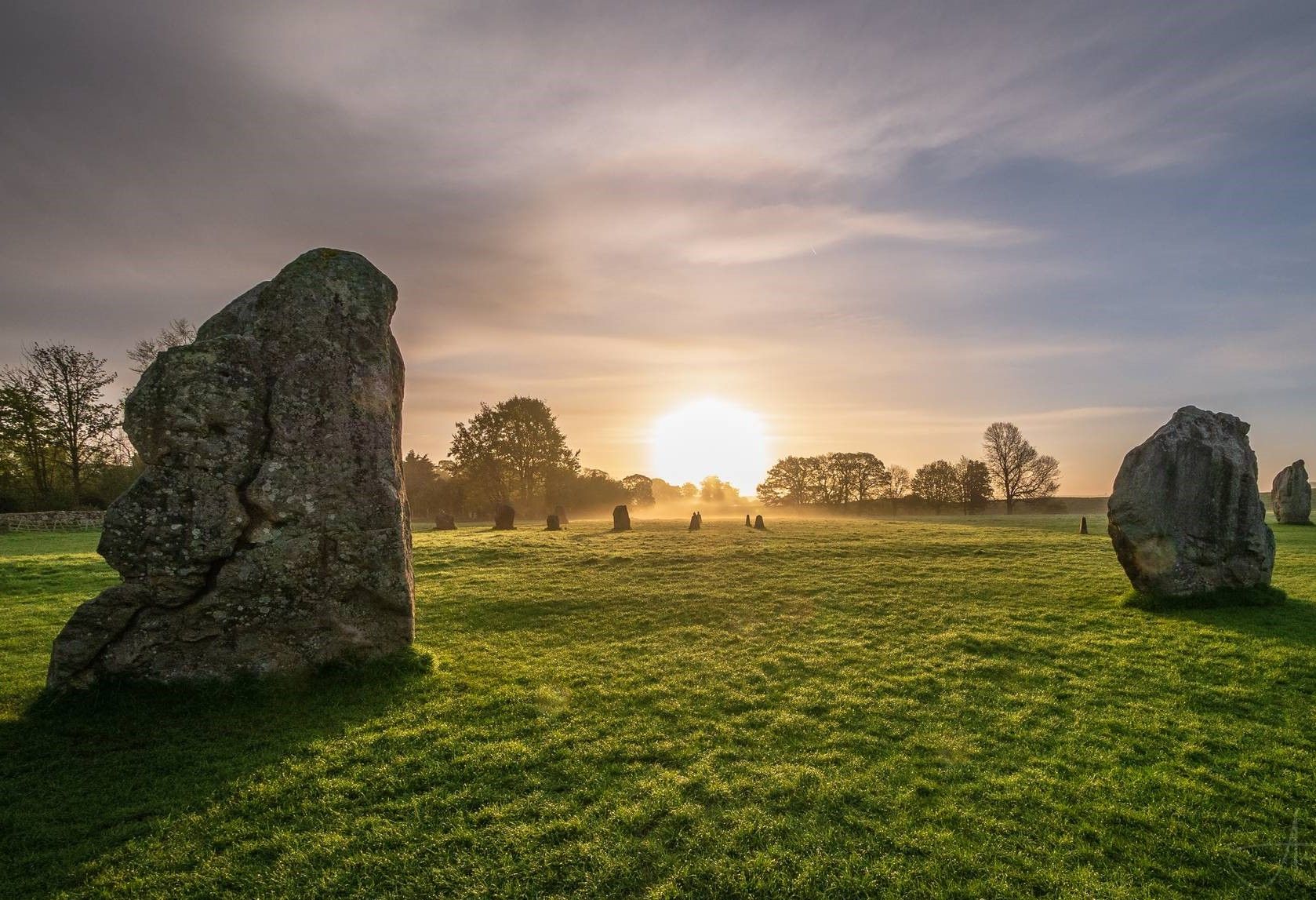
Celtic Way — An epic pilgrimage through prehistory and wild beauty
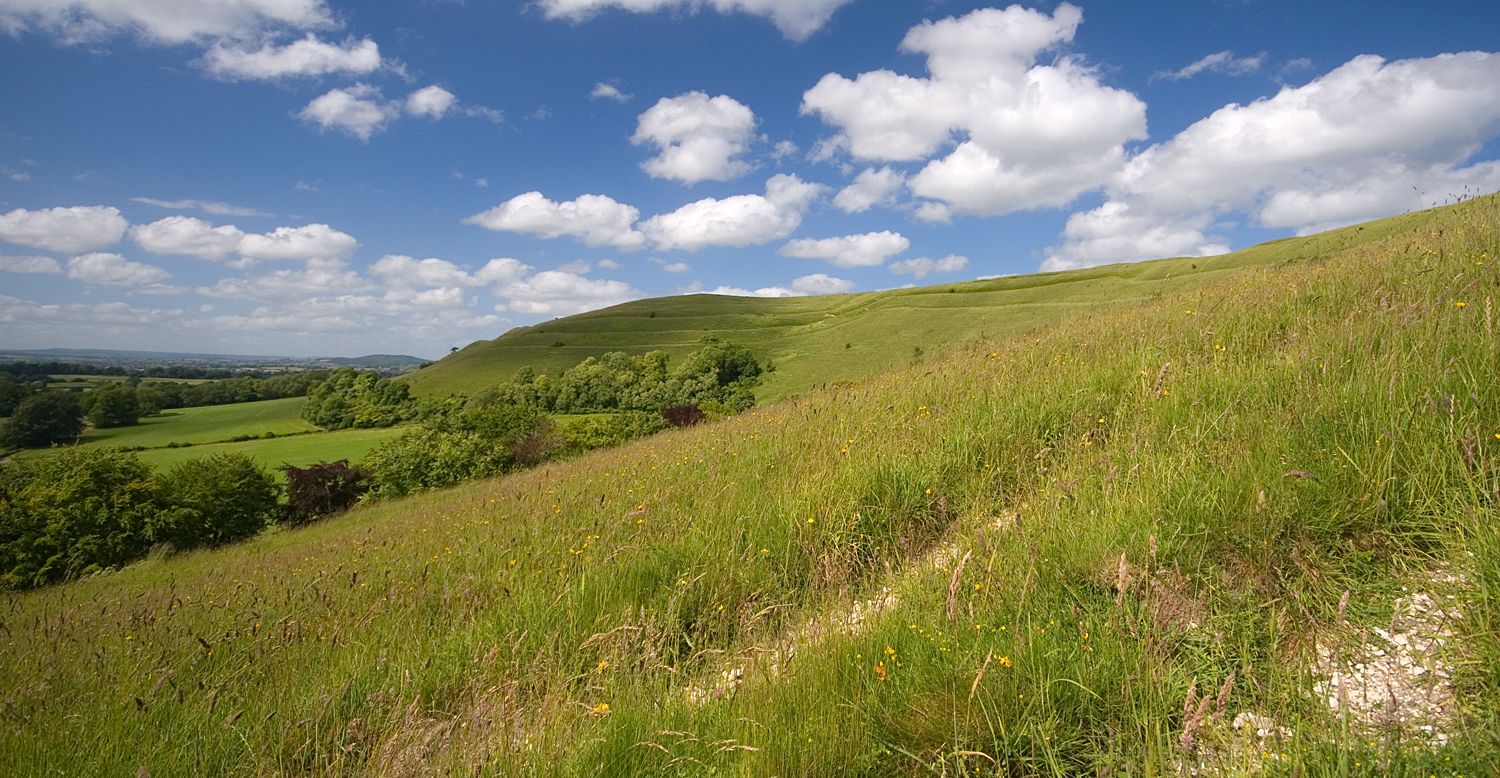
Roaming the ramparts of Dorset's hillforts — National Trust
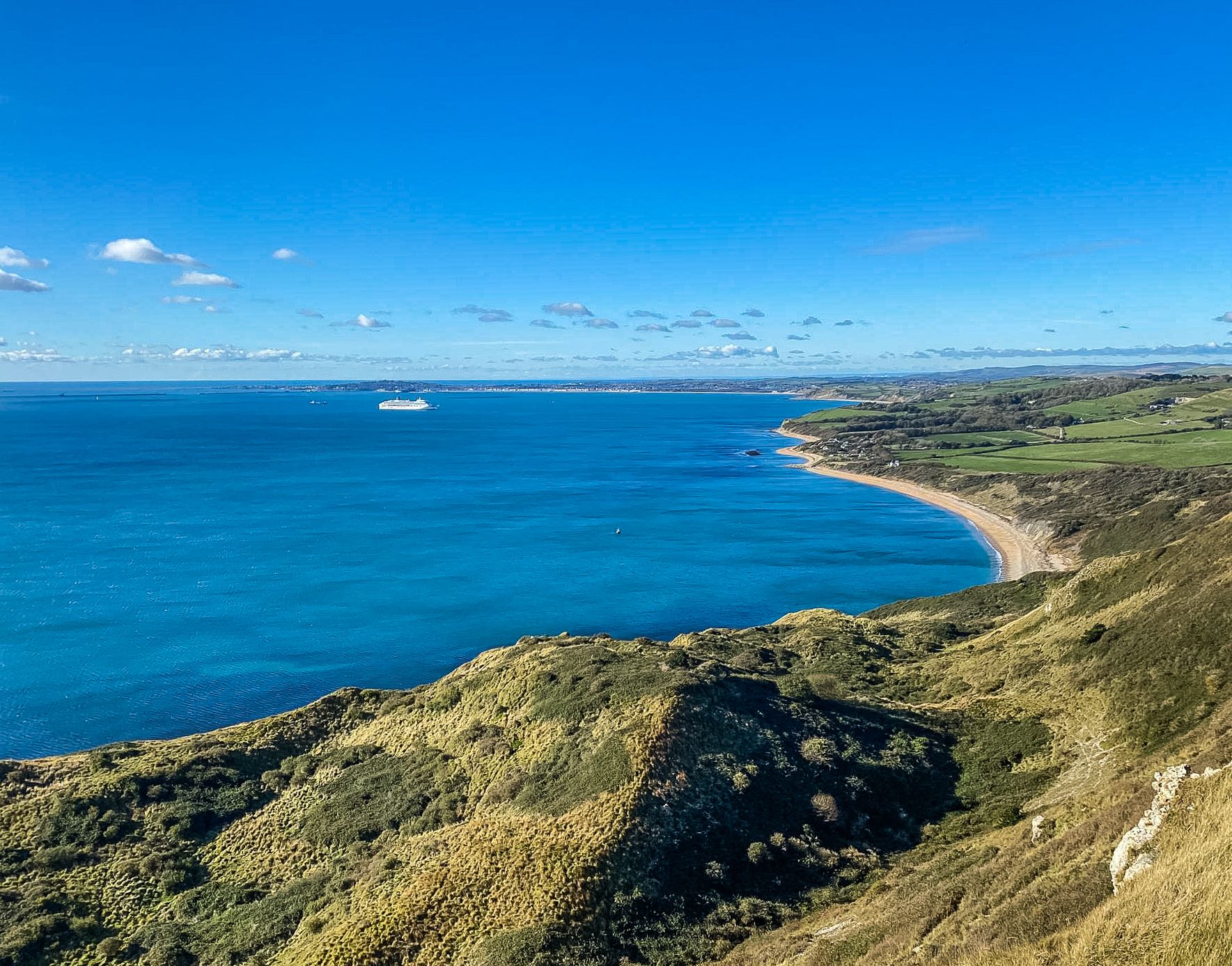
20 fantastic trails in North & West Dorset — National Trust
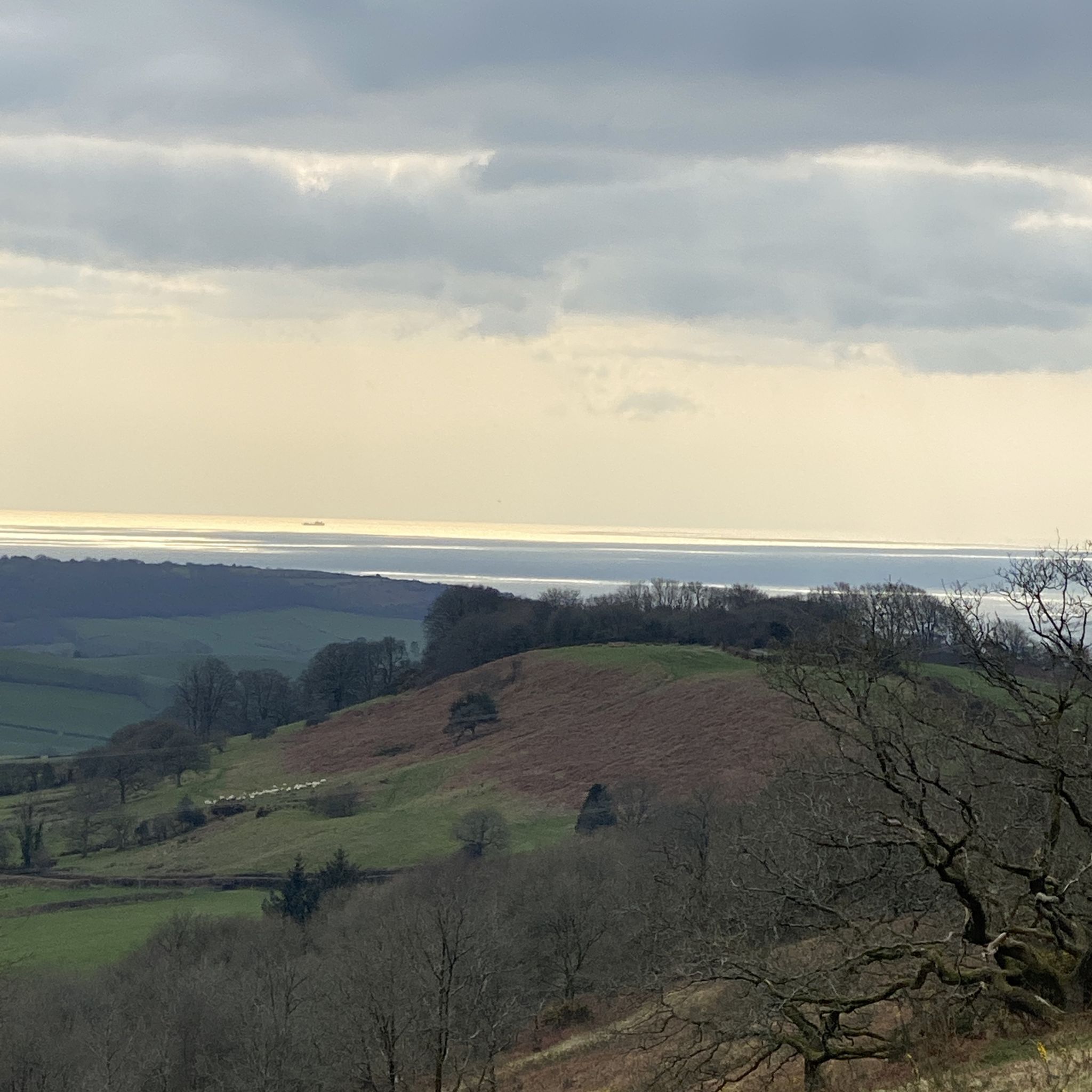
Hiking around Marshwood
MTB Trails around Marshwood
Road Cycling Routes around Marshwood
Running Trails around Marshwood
Other adventures around Marshwood


Tips from the Community

Next to the modern bridge over the River Ax, you will find the old bridge with cobblestone pavement. Very nice!
0
0

A country inn that is mostly only open in the evenings. Nevertheless, it was a good place for a short break for us.
0
0
The view is worth the climb!
0
0
My Wahoo says up to 20%! Pushing will be difficult!
0
0

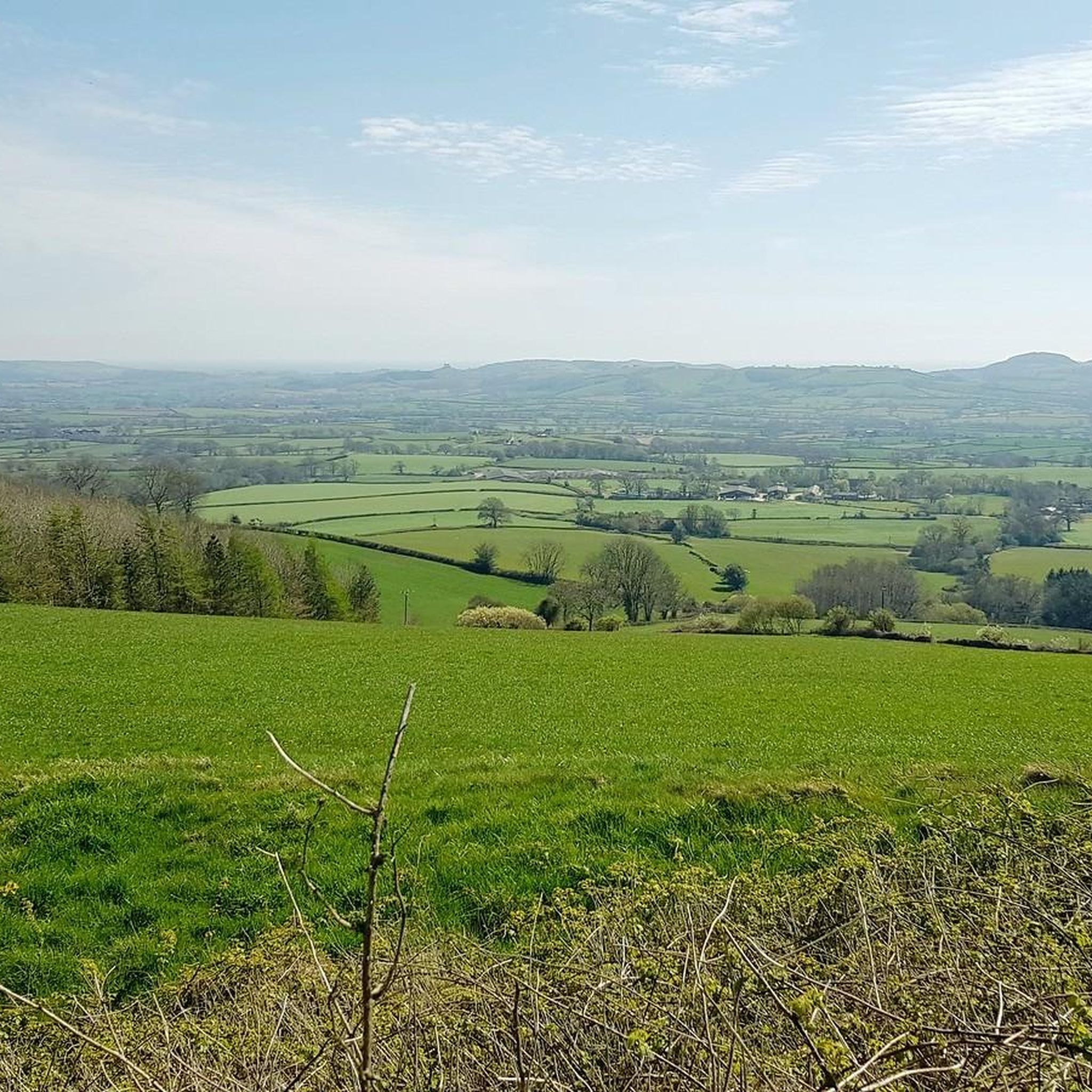
Gazing south from the high ridges of Pilsdon Pen, the lush Dorset countryside rolls out toward Symondsbury in a vibrant patchwork of green hills and deep dales. Punctuating the horizon is the unmistakable, tree-crowned peak of Colmer’s Hill, guiding the eye across spectacular views that reach all the way to the coast.
0
0
From the Pilsdon Pen car park, you are treated to a stunning, sweeping panorama of West Dorset’s rolling hills. Looking south, the lush Marshwood Vale opens up dramatically, framed by distant coastal ridges near Charmouth. It is an expansive, breathtaking introduction to the landscape before you even begin the hill climb.
0
0
Gemini said If you find yourself in the rolling hills of West Dorset, the Church of St John the Baptist in Broadwindsor is a classic, "slow-paced" country church that packs a surprising amount of history into its quiet stone walls. It’s perched on a high spot right in the heart of the village, looking out over the square like it’s been keeping watch forever (which, to be fair, it mostly has). Here’s why it’s worth a wander: A Royal Fugitive’s Hiding Spot The village’s biggest claim to fame involves a high-stakes game of hide-and-seek. After losing the Battle of Worcester in 1651, King Charles II fled for his life and spent a night right here in Broadwindsor. While the King was hiding in a nearby inn (now private cottages), Parliamentarian soldiers actually arrived in the village to search it. Legend says he only escaped because a local woman went into labor in the same building, causing such a chaotic distraction that the soldiers moved on without finding him. He eventually escaped to France, but the church stands as a silent witness to that tense night. The "Witty" Rector In the 1630s, the church was led by Thomas Fuller, a man described as one of the first English writers to actually make a living from his pen. He was famous for his "pregnant wit" and once said, "Charity begins at home, but should not end there." * Even today, the village is very proud of him—you’ll often find his quotes inscribed in the local community pub, The White Lion, just down the road. What to Look For Inside The "Wonky" Architecture: The church has a mix of styles because it’s been rebuilt and patched up over nearly 900 years. You’ll see heavy, rounded Norman arches on one side of the nave and more pointed "Early English" ones on the other. It gives the interior a slightly mismatched, organic feel. The Ancient Font: There is a square font made of Purbeck Marble that dates back to the early 1200s. It’s been used to baptize village children for eight centuries. The Bells: The tower holds a ring of six bells. Some of them are "pre-Reformation," meaning they’ve been swinging in that tower since before Henry VIII broke away from Rome. The "Compromise" Clock: If you’re there during the day, you’ll hear the clock chime. There was a recent local debate about whether it should chime at night; in a very "British village" move, they compromised—it now stays quiet from 9:00 PM to 6:00 AM so the neighbors can sleep!
0
0
a historic church with roots dating back to at least 1325, though the present building was constructed in the early 14th century. It is a Grade I Listed Building, recognized for its special architectural and historic interest. Here are some key details about the church: Architectural Style: Early English style and cruciform shape, featuring a nave, transepts, a south porch, and a square tower with six small bells and a clock. Historical Features: The church is mentioned in the Domesday Book. It has spyholes, known as squints, in the north and south transepts, allowing the congregation to see the priest at the altar. A memorial window from around 1884 features stained glass designed by William Lethaby, who later became a professor at the Royal College of Art. The registers date back to 1558. The interior was last restored in the 1920s, with villagers contributing to the carvings in the choir.
0
0
Frequently Asked Questions
How many touring cycling routes are available in Marshwood?
Marshwood offers a wide selection of touring cycling routes, with over 160 options available. These routes cater to various skill levels, from moderate to difficult.
Are there easy touring cycling routes in Marshwood for beginners or families?
While many routes in Marshwood are moderate to difficult, there are a few easier options. You can find around 7 routes classified as easy, which might be suitable for beginners or families looking for a gentler ride through the scenic Marshwood Vale.
What kind of terrain can I expect on Marshwood's touring cycling routes?
The touring cycling routes in Marshwood primarily traverse a broad, bowl-shaped, gently rolling pastoral landscape. You'll encounter a network of narrow, winding rural lanes with diverse hedgerows. The area is enclosed by greensand ridges, and surrounding hills provide challenging climbs and expansive views over the countryside, often including glimpses of the sea.
Are there challenging touring cycling routes in Marshwood for experienced riders?
Yes, Marshwood is well-suited for experienced touring cyclists seeking a challenge. The area features numerous difficult routes, with over 80 options available. These often include significant climbs up hills like Pilsdon Pen and Lewesdon Hill, rewarding riders with panoramic views.
What are some popular circular touring cycling routes in the Marshwood area?
Many of Marshwood's touring cycling routes are designed as loops, allowing you to start and finish in the same location. Popular circular routes include The Broadoak Box loop from Stanton St. Gabriel and Broadwindsor Post Office – The Broadoak Box loop from Broadwindsor, both of which navigate through the rolling pastoral vale and quiet country roads.
What can I see along the touring cycling routes in Marshwood?
Beyond the stunning natural beauty of the Dorset National Landscape, you can discover several points of interest. Routes may pass by historic hilltops like Pilsdon Pen Summit and Trig Point, which features Iron Age hillfort ramparts, or offer views of iconic landmarks such as Colmer's Hill. You might also encounter ancient woodlands and charming rural villages.
What do other touring cyclists enjoy the most about touring cycling in Marshwood?
The touring cycling routes in Marshwood are highly rated by the komoot community, with an average score of 4.5 stars from over 80 reviews. Reviewers often praise the tranquil environment, the network of quiet, winding country lanes, and the expansive views from the surrounding hills. The varied terrain, from rolling vales to challenging climbs, is also a frequently highlighted aspect.
Are there any routes that offer coastal views?
Yes, some routes extend towards the coast, offering beautiful sea views. For example, the Axmouth Bridge – Seaton Beach and Cliffs loop from Thorncombe provides varied terrain including stunning coastal vistas.
What are the typical durations for touring cycling routes in Marshwood?
The duration of routes varies significantly based on distance and difficulty. Many of the popular difficult routes, such as the Axmouth Bridge – Seaton Beach and Cliffs loop from Thorncombe (32.7 miles), can take around 3 hours 20 minutes. Moderate routes like The Broadoak Box – Love Lane Climb loop from Stanton St. Gabriel (15.9 miles) might take closer to 2 hours.
Are there specific viewpoints or scenic spots accessible by bike?
Marshwood's landscape is dotted with hills and hillforts that offer fantastic, expansive views. Pilsdon Pen, Dorset's highest hill, and Colmer's Hill are notable spots that provide panoramic vistas over miles of countryside. Many routes incorporate climbs to these elevated points.
Is public transport available to access touring cycling routes in Marshwood?
Marshwood is primarily a rural area, and public transport options may be limited. It's advisable to check local bus services for connections to nearby towns or villages that serve as starting points for routes. Many cyclists prefer to drive to a suitable parking spot within the area.
Are there places to eat or drink along the touring cycling routes?
While the routes primarily focus on natural beauty and quiet lanes, you may find pubs or cafes in the villages and towns that the routes pass through or start from. The historic Bottle Inn on the outskirts of Marshwood is a well-known local establishment for refreshments.
Most popular attractions around Marshwood

Get inspired with the komoot mobile app


Explore more
Browse the best Cycling routes in other regions.
