Attractions and Places To See around Clyst St George - Top 20
Best attractions and places to see around Clyst St George, a village in East Devon, England, offers a blend of historical landmarks and natural beauty. Situated on the River Clyst, which flows into the Exe Estuary, the area features a gently rising landscape. Visitors can explore cultural sites and engage in outdoor activities along the river and nearby natural reserves. The region provides a mix of historical significance and accessible natural environments.
Best attractions and places to see around Clyst St George
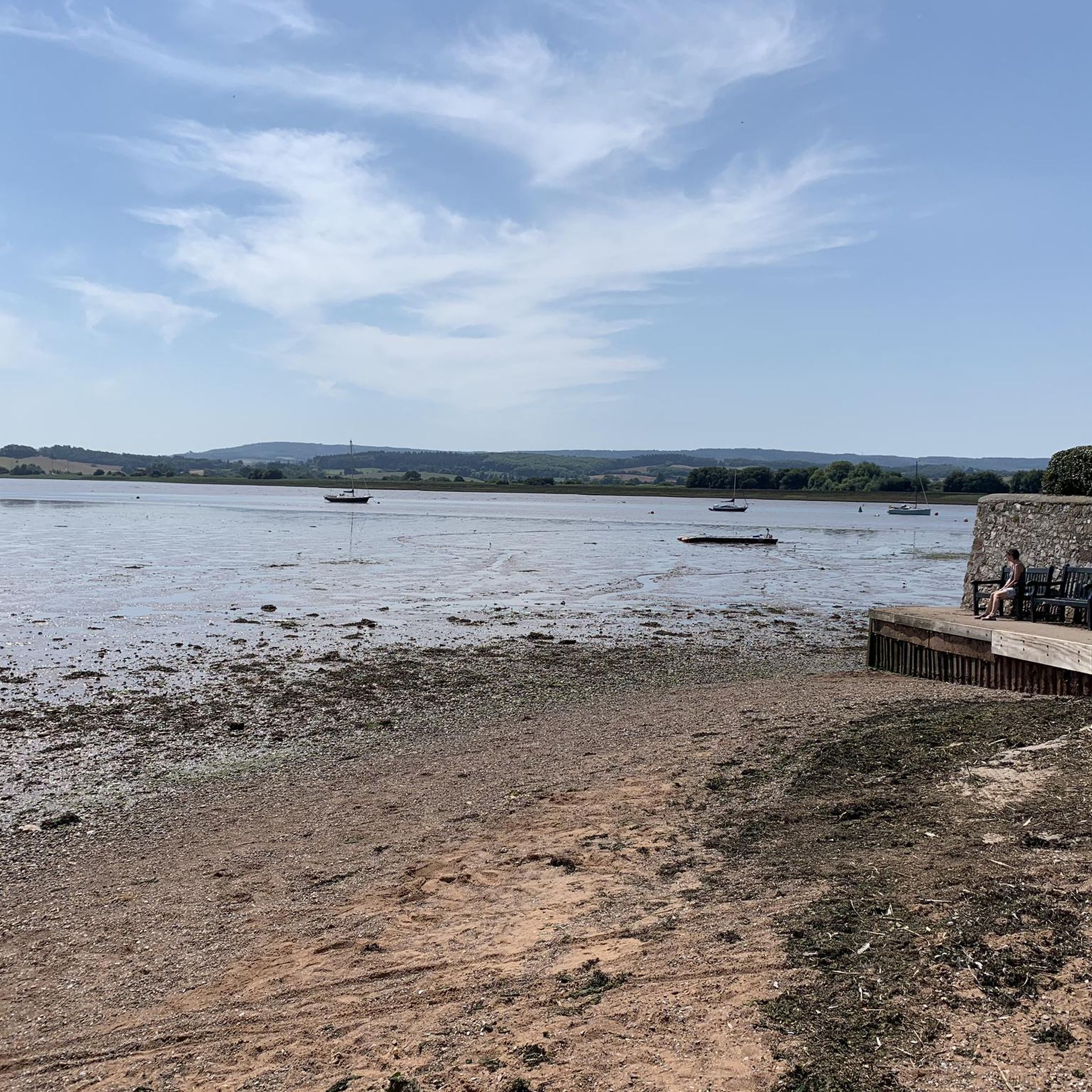
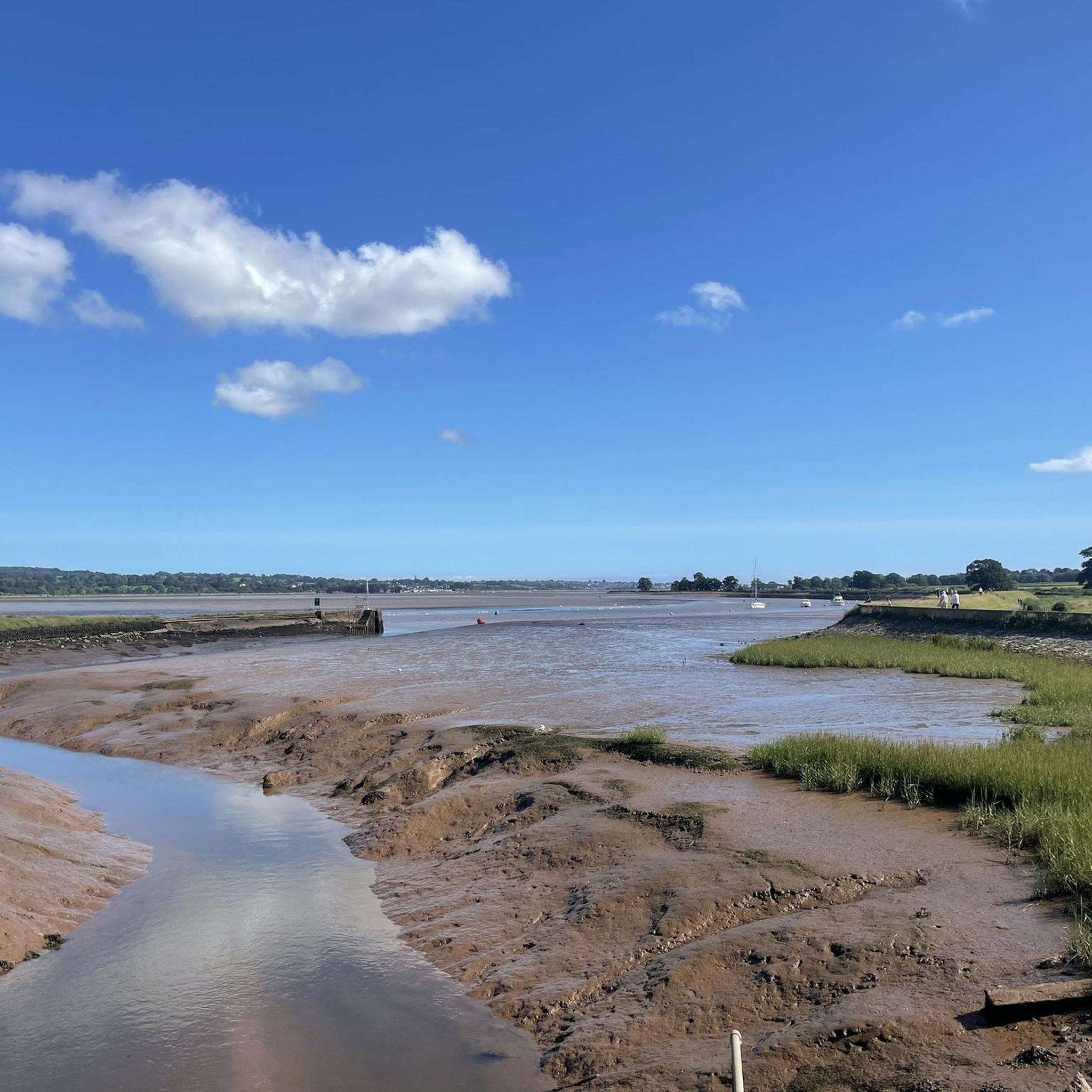
- The most popular attractions is Exe Estuary Trail, a trail that is a largely flat cycle and walkway running around the entire Exe Estuary, linking Exmouth, Exeter, and Dawlish. It offers scenic views of the River Exe and the countryside, passing through historic riverside towns and villages.
- Another must-see spot is Otter Estuary Nature Reserve, a natural monument and a brilliant place for birdwatching, particularly at the estuary mouth. The marshes around the River Otter support a significant population of wintering wildfowl and waders.
- Visitors also love Exe Estuary Trail boardwalk, a wheelchair accessible cycle way and walkway offering views along the River Exe. This well-surfaced section of the trail is suitable for various users, including cyclists and walkers.
- Clyst St George is known for its historical landmarks, natural features like the River Clyst and Exe Estuary, and outdoor activities. The area offers a variety of attractions to see and explore, including historical sites, natural reserves, and trails.
- The attractions around Clyst St George are appreciated by the komoot community, with over 230 upvotes and 14 photos shared.
Last updated: May 25, 2026
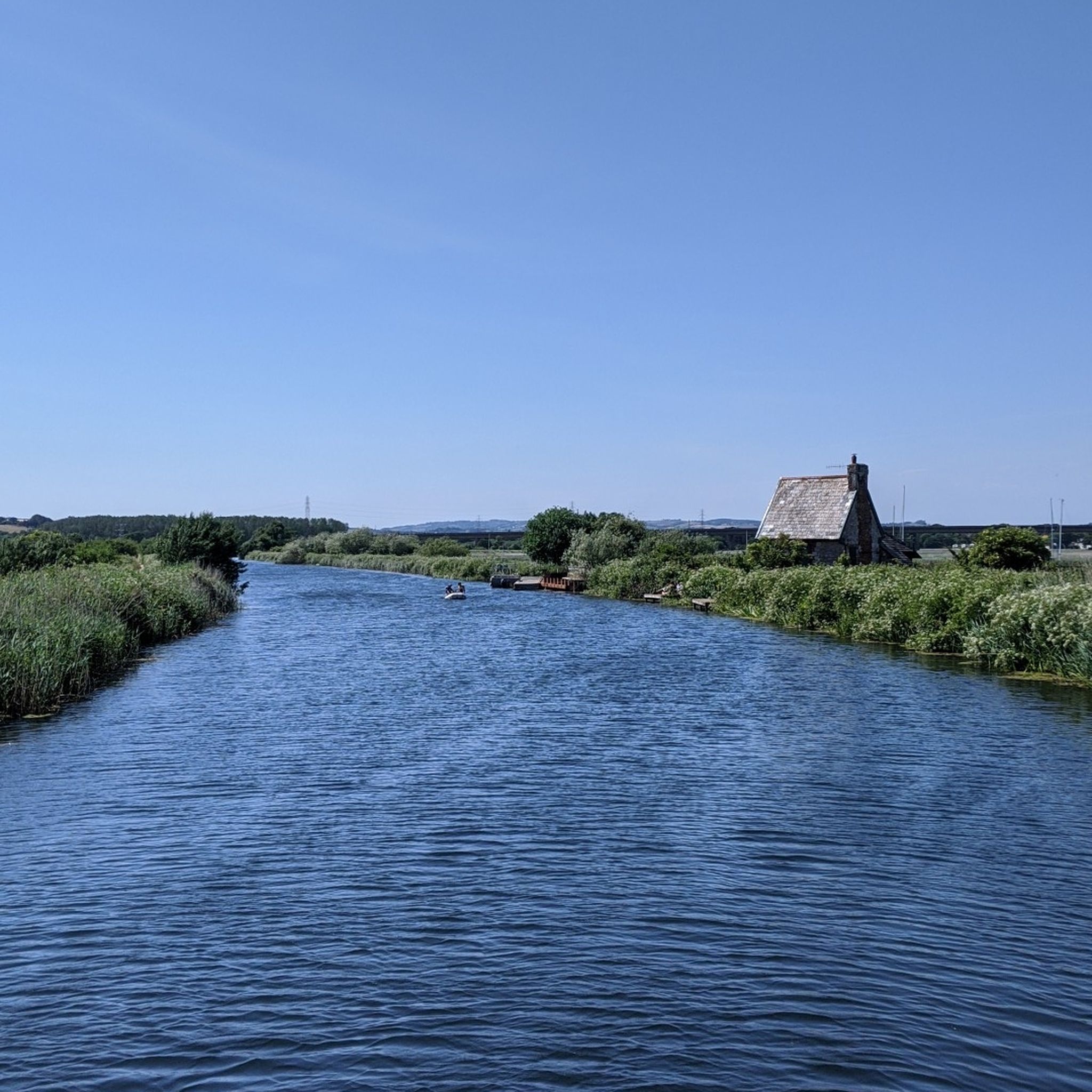
Exeter Ship Canal
Highlight (Segment) • Cycleway
It was first constructed in the 1560s and was the first canal to be built in Britain since Roman times. It was also the first canal in England to use the pound lock. The canal was built to bypass the weirs that had been erected on the river by the Countess of Devon and later by the Earls of Devon, which prevented ships from reaching Exeter and forced them to unload at Topsham.
The canal was enlarged and extended several times over the centuries and reached its present form in the 1830s. The canal basin was also built at that time and became a busy port with warehouses and workshops.
Today, the canal is mainly used for leisure activities such as boating, walking and cycling. You can follow the Exe Estuary Trail alongside the canal and enjoy the scenic views of the river and the countryside.
Tip by

Exe Estuary Trail
Highlight • Trail
Well surfaced and ideal for any type of bike as well as walkers and runners. Be mindful of other users, especially when it's busier at the weekends and holidays.
Tip by

Sign up now to discover places like this
Get recommendations on the best single tracks, peaks, & plenty of other exciting outdoor places.
Sign up for free
Countess Wear Bridges
Highlight • Bridge
Tip by
Exeter Quayside
Highlight • Cafe
Tip by

Exe Estuary Trail boardwalk
Highlight • Cycleway
Tip by
Sign up for free to discover even more attractions around Clyst St George.
Sign up for free
Already have an account?
Start today with a free account
Your next adventure awaits.
Login or Signup

Tips from the Community

Look out for an entrance onto a footpath on your right, which follows beside the railway tracks on your left, and the exe estuary on your right. The path is too narrow for cycling but great for walking and running.
1
0

There's a few disabled parking spaces right on the Quay and the walks are all wheelchair user friendly, there's bus routes and train station all within a mile of the quay. If like me on your walk you like to re-stall your batteries and have a hot or cold drink there's lots of great pubs restaurants and little cafes on the Quay and they all welcome dogs, if you check out what's on in Exeter you might be lucky to see one of the many events they hold like morse dancing, the boat racing, mental health walk, the food festivals and many more, enjoy the ruins and history walks also.
0
0

Car park and numerous food outlets alongside the river perfect to spend a time to relax
1
0

Exeter Quay, also known as Exeter Quayside, is a district of Exeter on the River Exe and the Exeter Ship Canal. It was used as a port since prehistoric times, when a sandstone outcrop was used to unload the ships of overseas traders.[1] However, in 1381, the Countess Weir closed the river to shipping. In 1566, a canal was completed to allow ships access. Over time, the number of ships using the quay increased, and so the quay was extended in the late 17th century. Further extension took place in 1830 when a new canal basin was dug. However, in 1840, the railway reached Exeter, and shipping began to decline. The quay is no longer used for shipping, but mainly for recreational purposes.
2
0
lots to do along the Quay, saw ducks, swans great places to eat and drink, there are many different routes you can stay on a path or walk through mud path. wheelchair friendly the Quay got lots of history and gift shops
6
0

This swing bridge is an interesting construction.
0
0

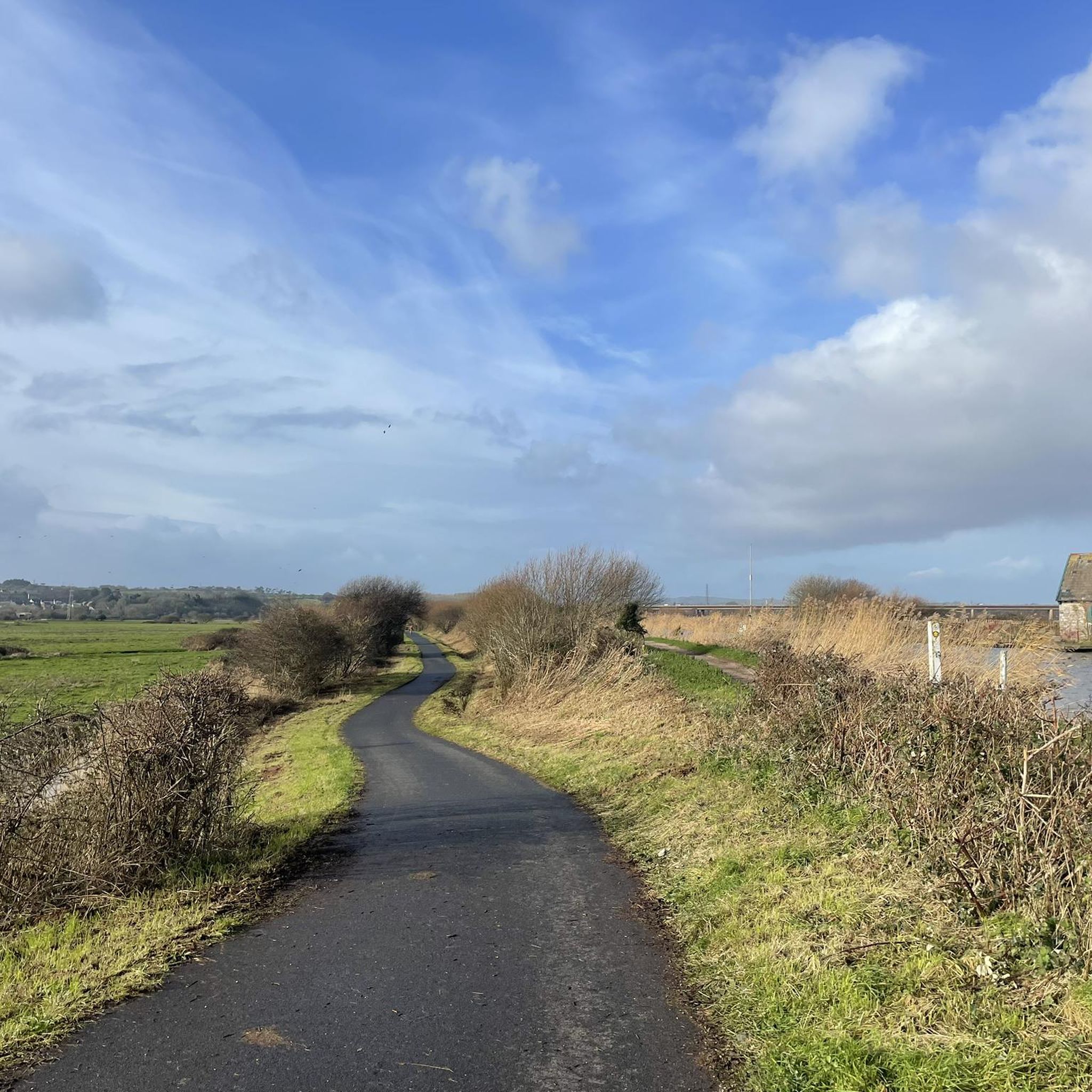
Nice flat cycle path. But gets VERY busy with 2 wheeled, 2 legged and 4 legged visitors in the summer months. Watch how you go.
0
0
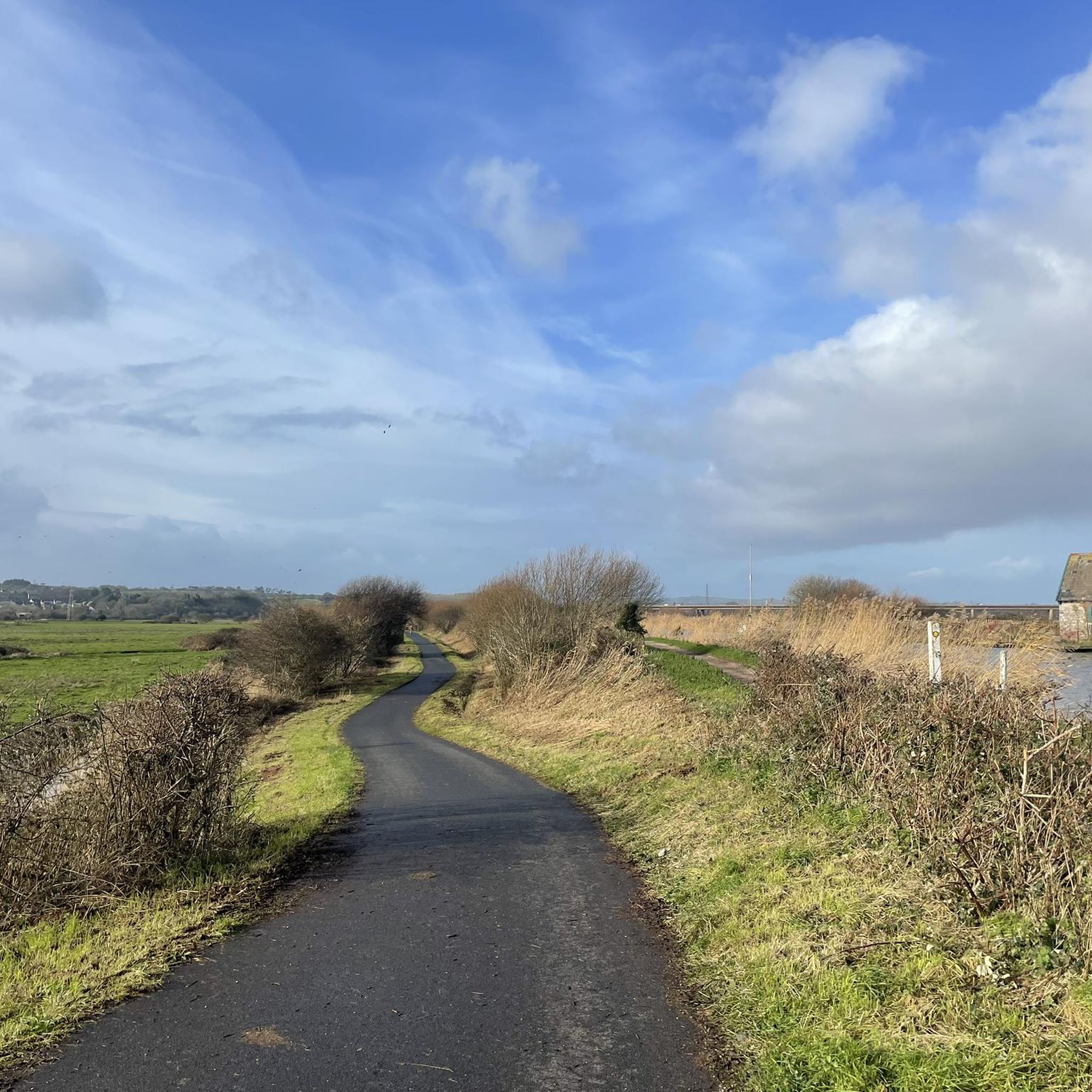
Nice flat cycle path. But gets VERY busy with 2 wheeled, 2 legged and 4 legged visitors in the summer months. Watch how you go.
1
1
Frequently Asked Questions
What outdoor activities can I enjoy around Clyst St George?
The area around Clyst St George offers a variety of outdoor activities, particularly along the Exe Estuary Trail, which is popular for cycling and walking. You can also explore the Exeter Ship Canal for leisure activities like boating, walking, and cycling. For more structured outdoor adventures, consider hiking, mountain biking, or touring bicycle routes available in the wider region. For example, you can find various routes in the hiking guide, MTB trails guide, and cycling guide for Clyst St George.
Where are the best places for birdwatching near Clyst St George?
The Otter Estuary Nature Reserve is an excellent spot for birdwatching, especially at the estuary mouth. The marshes around the River Otter support a significant population of wintering wildfowl and waders, including redshank, common sandpiper, curlew, and red-breasted merganser. Reed warblers, sedge warblers, and reed buntings also breed here.
Are there any historical landmarks to visit in Clyst St George?
Yes, Clyst St George is rich in history. You can visit the parish church of St George's Church, which dates back to the 13th century and features a red sandstone tower. Other historical sites include the 18th-century Old Rectory, the historic Lady Seaward Primary School, and several Grade 2 listed farmhouses like Marsh Barton and Kenniford. The 16th-century Saint George and Dragon Inn also adds to the village's historical character.
What cycling opportunities are available around Clyst St George?
The primary cycling attraction is the Exe Estuary Trail, a 22.5-mile (36-km) largely flat cycle and walkway that circles the entire Exe Estuary, connecting Exmouth, Exeter, and Dawlish. It offers scenic views and is well-surfaced, making it suitable for various types of bikes. You can also cycle alongside the historic Exeter Ship Canal. For more routes, check the cycling guide for the area.
Are there family-friendly attractions near Clyst St George?
Absolutely. The Exe Estuary Trail and its boardwalk section are excellent for families, offering easy cycling and walking with scenic views. The Otter Estuary Nature Reserve is also family-friendly for nature observation. Additionally, Crealy Theme Park & Resort is located approximately 1.6 miles from Clyst St George and is a popular amusement park for families.
Are there any wheelchair-accessible trails in the area?
Yes, the Exe Estuary Trail boardwalk is specifically highlighted as a wheelchair-accessible cycleway and walkway. This well-surfaced section of the trail offers beautiful views along the River Exe and is suitable for various users, including those with wheelchairs.
What is the significance of the Exeter Ship Canal?
The Exeter Ship Canal holds significant historical importance as the first canal built in Britain since Roman times and the first in England to use the pound lock. Constructed in the 1560s, it allowed ships to bypass weirs on the River Exe. Today, it's primarily used for leisure activities like boating, walking, and cycling, with the Exe Estuary Trail running alongside it.
Can I find places to eat or drink in Clyst St George?
Yes, the Saint George and Dragon Inn is a historic pub with accommodation located by the A376, dating back to the 16th century. It provides a local spot for food and drink. Additionally, Darts Farm, situated between Clyst St George and Ebford, is a retail and business area that often includes food outlets.
What natural features define the landscape of Clyst St George?
Clyst St George is characterized by its location on the River Clyst, which flows into the Exe Estuary. The land gently rises from the tidal river. The area also features the scenic Exe Estuary Trail, the Otter Estuary Nature Reserve, and the visible vines of Pebblebed Vineyard, all contributing to its natural beauty.
Are there any unique historical connections to the Countess Wear Bridges?
Yes, the Countess Wear Bridges in Exeter have a unique D-Day connection. They were used for military training by British paratroopers before the Normandy landings in 1944. The bridges were chosen because they resembled two bridges in France that were part of Operation Deadstick, a crucial mission to capture crossings over the Caen Canal and River Orne.
What are some nearby attractions for a day trip from Clyst St George?
Several attractions are within a short drive. You could visit Exeter Cathedral or the Royal Albert Memorial Museum and Art Gallery in Exeter. For nature lovers, Woodbury Common and Haldon Forest Park offer hiking and birdwatching. Exmouth Beach is a popular coastal spot, and The Donkey Sanctuary in Sidmouth provides a unique animal experience.
Most popular routes around Clyst St George
Most popular attractions around Clyst St George

Get inspired with the komoot mobile app


Explore more
Still not found the Highlight you’re looking for? See guides of the top attractions in other regions:
