The best road cycling routes around Zdworskie
4.6
(11)
285
riders
24
rides
Road cycling around Zdworskie is characterized by routes that often follow the shores of lakes and traverse rural landscapes. The region, situated near powiat płocki, features generally flat to gently rolling terrain, making it suitable for various cycling abilities. Elevation gains are typically low, with most routes staying under 200 meters of ascent. The area offers a network of paths connecting small towns and natural water bodies.
Best road cycling routes around Zdworskie
- The most popular road cycling route is…
Last updated: August 14, 2026
5
riders
30.0km
01:21
110m
110m
Moderate road ride. Great for any fitness level. Some segments of this route may be unpaved and difficult to ride.
9
riders
23.5km
00:59
100m
100m
Easy road ride. Great for any fitness level. Mostly well-paved surfaces and easy to ride.

Sign up for free
4
riders
26.4km
01:01
80m
80m
Easy road ride. Great for any fitness level. Mostly well-paved surfaces and easy to ride.
5.0
(1)
16
riders
66.4km
02:47
210m
210m
Moderate road ride. Good fitness required. Mostly well-paved surfaces and easy to ride.
4
riders
55.7km
02:12
180m
180m
Moderate road ride. Good fitness required. Mostly well-paved surfaces and easy to ride.
Get access to more routes and recommendations from other explorers.
Sign up for free
Already have an account?
Our route recommendations are based on thousands of hikes, rides, and runs completed by other people on komoot.
Start today with a free account
Your next adventure awaits.
Login or Signup
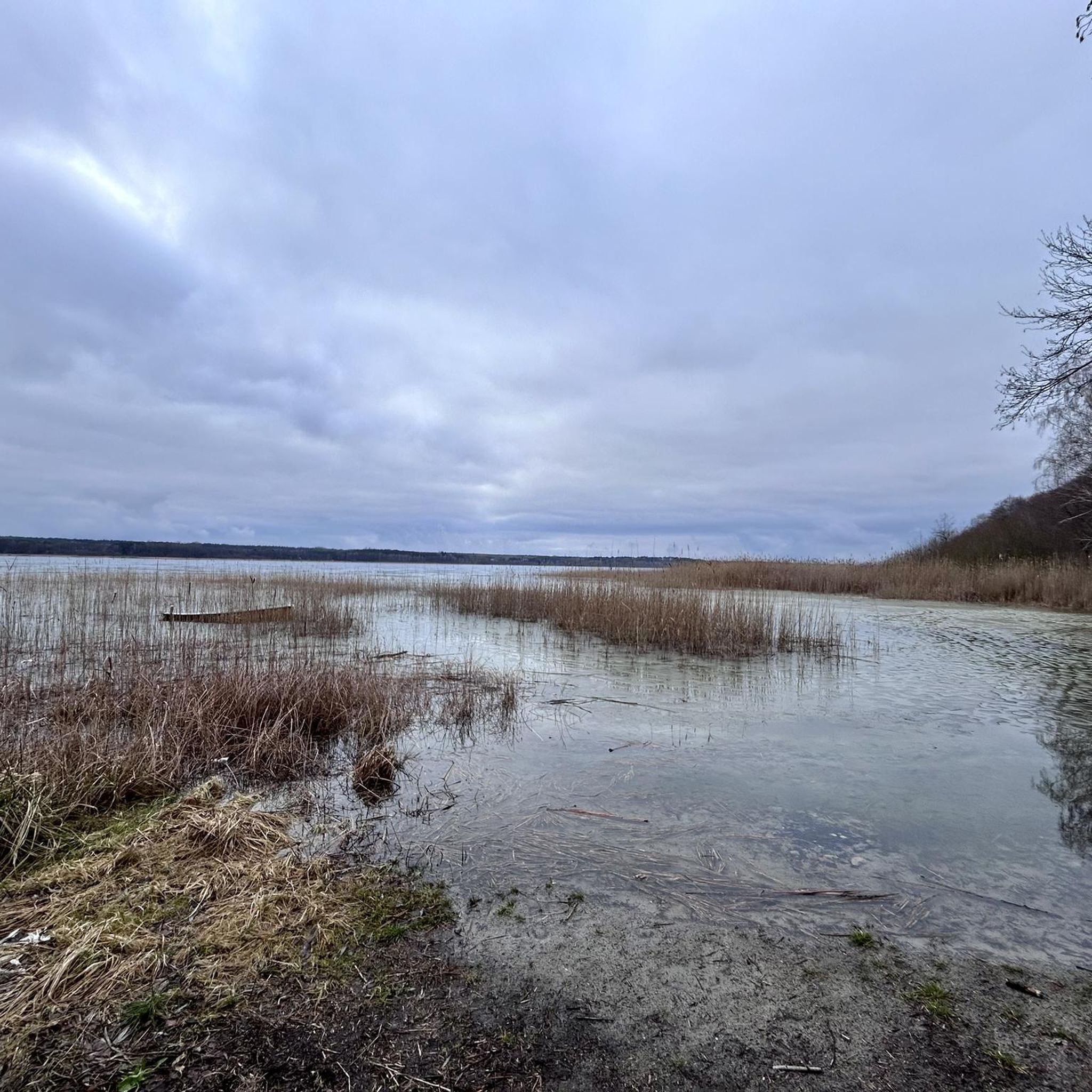
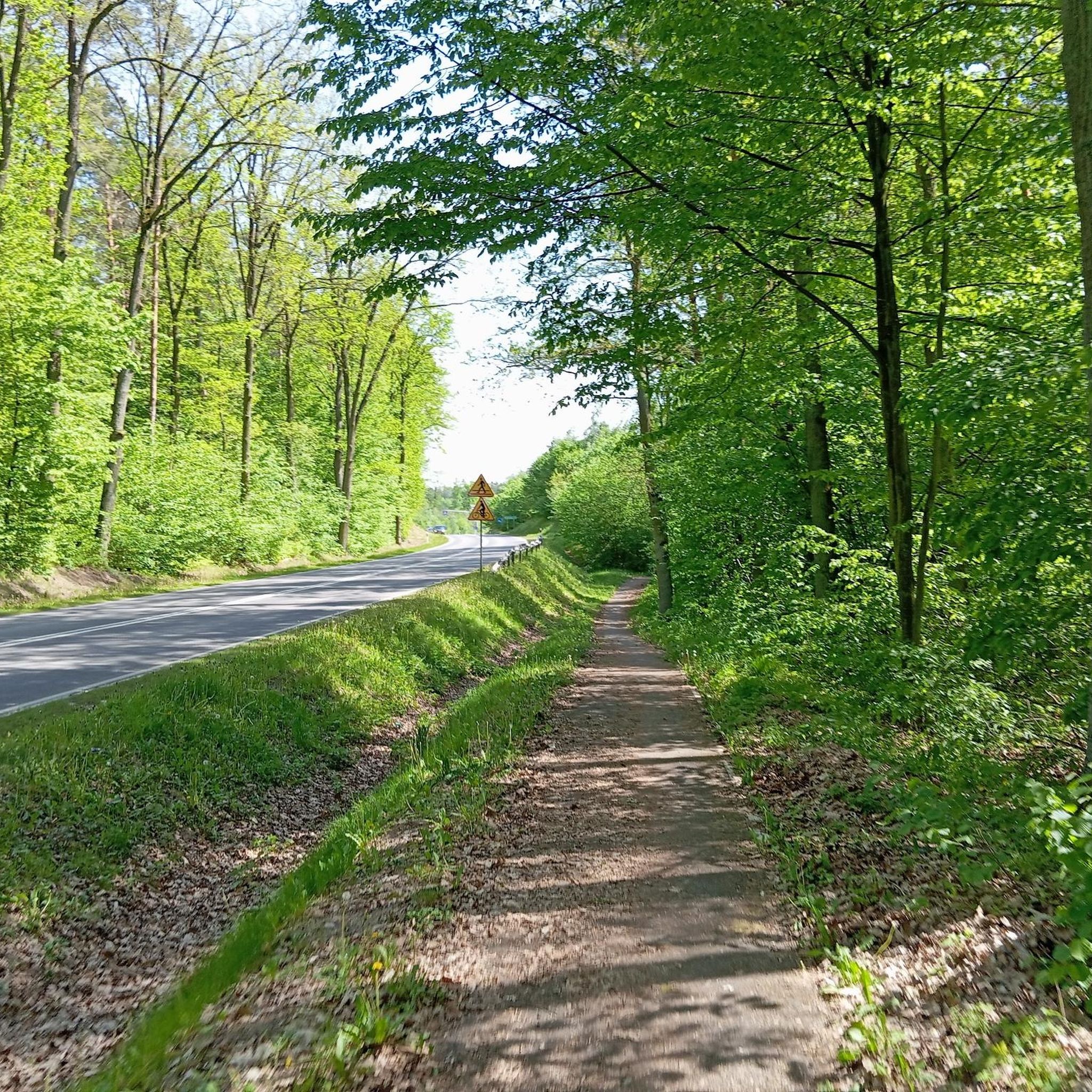
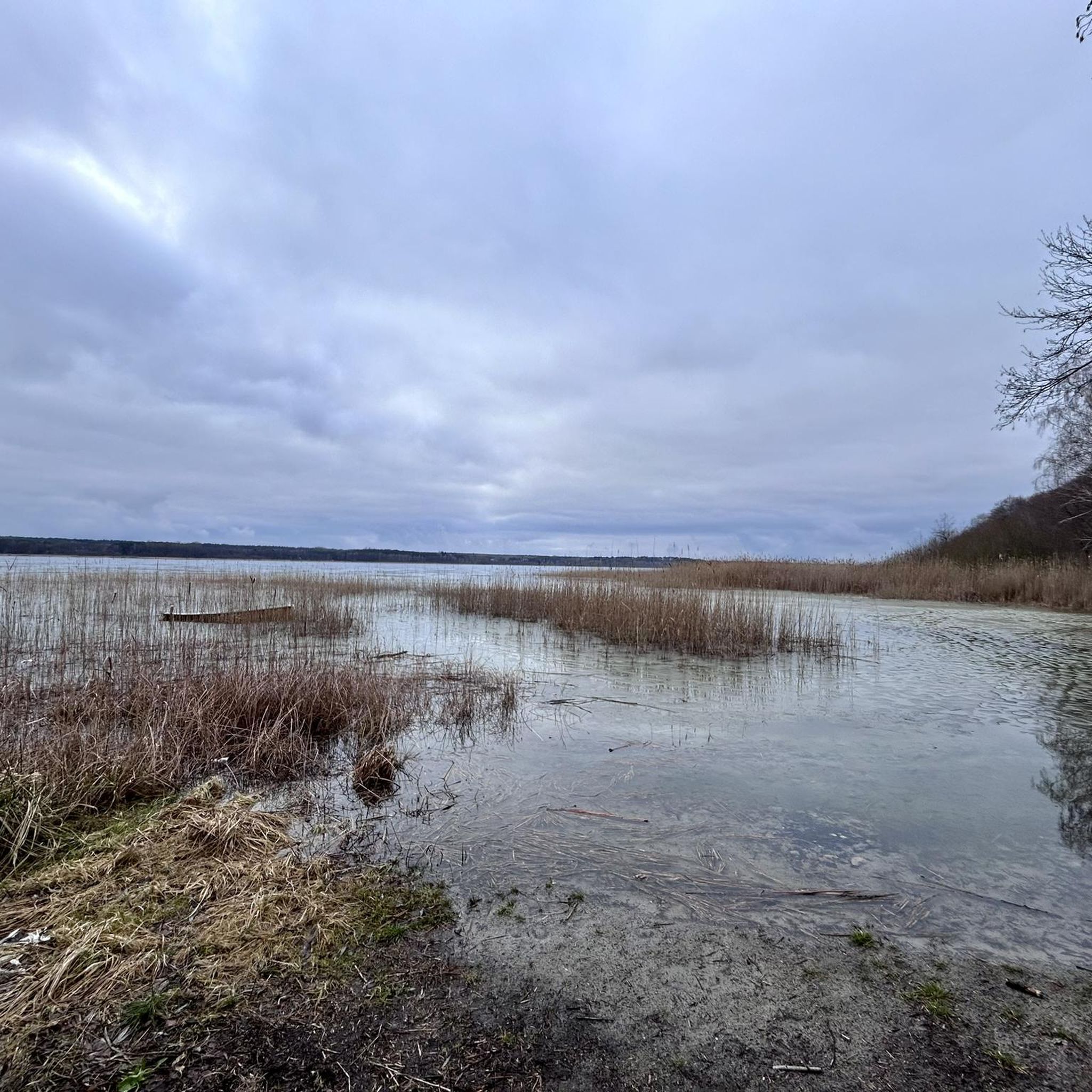
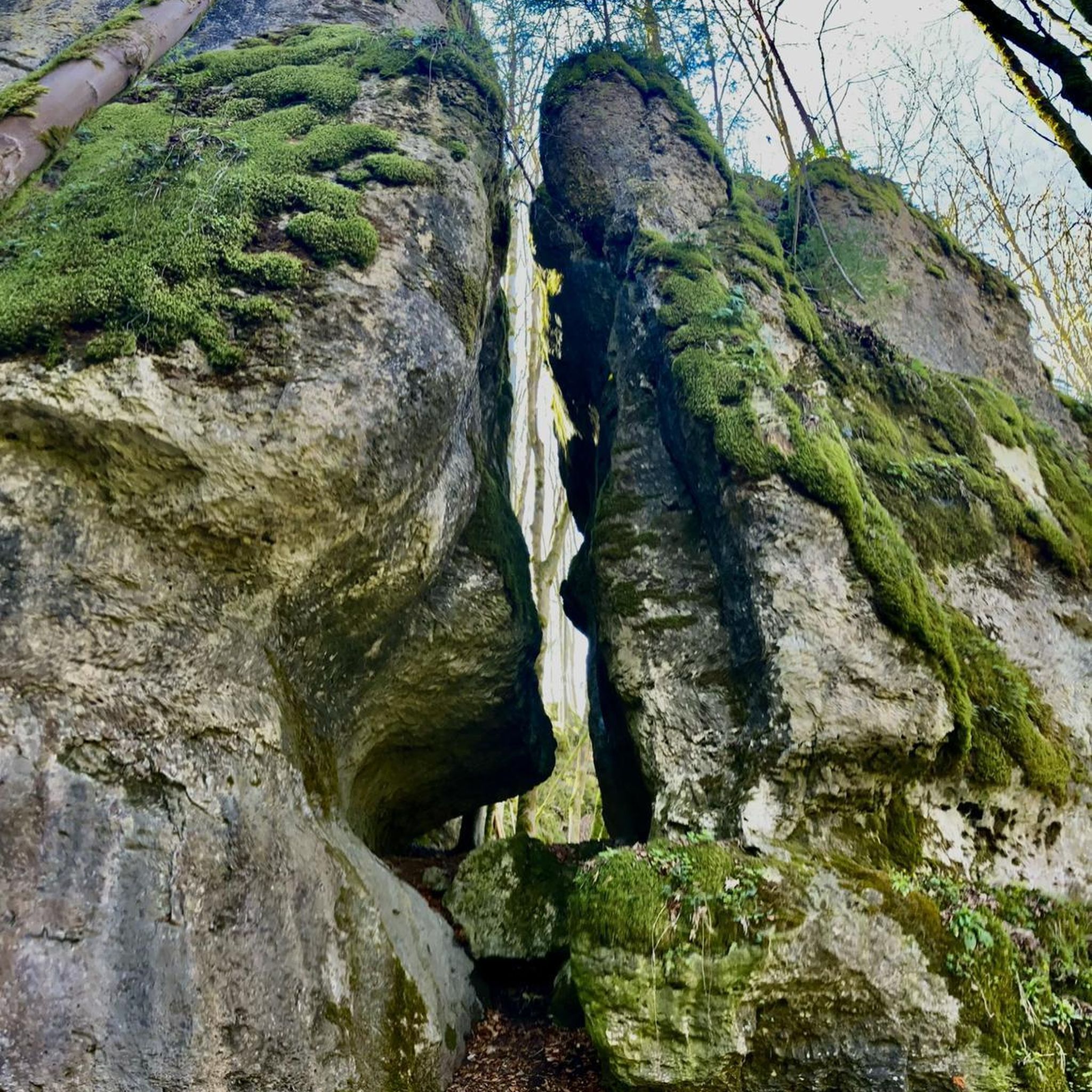

Tips from the Community

For lovers of industrial vibes :)
0
0

Very nice asphalt. You can really push it here. Little traffic, pleasant, Mazovian views :) Although sometimes it can be terribly windy ;)
0
0

Industrial buildings in Radziw - #2 grain elevator. The most distinctive building on the left bank of Płock. Built according to a design from 1913 after World War II, the structure is one of the tallest in the city. This unique structure resembles a neo-Gothic church, which apparently displeased the communist authorities. Currently, the Silopol company operates there.
0
0
The house where Felicjan Sławoj Składkowski was born The tenement house where the Sanation dignitary, former Prime Minister of the Second Polish Republic, was born, perhaps most associated with the so-called "sławojki"...
0
0

the castle from 1453 is basically a castle
0
0
The road surface is terrible, with sunken and broken boards. You have to watch your tires and wheels. But it's better to put a speed bump in front of the bridge than to do anything about it.
0
0

The castle, or rather, a small castle. Tickets cost 23 złoty. I recommend stopping by, even if only for a moment. It's worth seeing.
0
0
Despite how this road looks on Google, there is new asphalt here
0
0
Frequently Asked Questions
What is the general difficulty level of road cycling routes around Zdworskie?
Road cycling around Zdworskie is known for its generally flat to gently rolling terrain, making it accessible for various skill levels. Most routes feature low elevation gains, typically under 200 meters of ascent. Out of 22 available routes, 13 are rated as easy and 9 as moderate, with no difficult routes.
What are the typical distances of road cycling routes in the Zdworskie area?
The routes around Zdworskie vary in length, catering to different preferences. For instance, the Maier Shop – Wooden Dock loop from Koszelówka is an easy 14.6 miles (23.5 km) ride, while the more moderate Road Along the Vistula loop from Gąbin extends to 41.2 miles (66.3 km).
Are there any beginner-friendly road cycling routes in Zdworskie?
Yes, Zdworskie offers several beginner-friendly road cycling routes. Many routes feature gentle terrain and are suitable for those new to road cycling or looking for a relaxed ride. An excellent option is the Maier Shop – Wooden Dock loop from Koszelówka, which is an easy 14.6 miles (23.5 km) path.
Are there any longer or more challenging road cycling routes for experienced riders?
For experienced riders seeking longer distances, routes like the Road Along the Vistula loop from Gąbin offer a moderate challenge, covering 41.2 miles (66.3 km) with around 200 meters of ascent. Another good option is the Oporów Castle and Park loop from Gąbin, which is 34.6 miles (55.7 km) long.
What is the best time of year for road biking in Zdworskie?
The best time for road biking in Zdworskie is typically from spring through early autumn (April to October), when the weather is mild and the rural landscapes are most vibrant. During these months, you can comfortably enjoy the lakeside paths and open roads.
Are there circular road cycling routes available in Zdworskie?
Yes, many of the road cycling routes around Zdworskie are designed as loops, allowing you to start and end at the same point. Examples include the popular Lakeside Beach – Górskie Lake loop from Koszelówka and the Wooden Dock – Maier Shop loop from Koszelówka.
What kind of scenery can I expect on road cycling routes in Zdworskie?
Road cycling routes in Zdworskie primarily offer scenic views of lakeshores and traverse peaceful rural landscapes. You'll often find yourself cycling along natural water bodies and through small towns, with some routes also following the Vistula river, providing a mix of natural beauty and local charm.
What do other road cyclists enjoy most about road cycling in Zdworskie?
The area is highly rated by the komoot community, with an average score of 4.6 stars from over 8 reviews. Reviewers often praise the quiet rural roads, the pleasant lakeside paths, and the generally flat terrain that makes for enjoyable and accessible rides.
How many road cycling routes are available in the Zdworskie region?
There are over 20 road cycling routes available in the Zdworskie region, offering a variety of distances and difficulty levels to explore the local lakes, rural landscapes, and Vistula river paths.
Is parking generally available near the starting points of road cycling routes in Zdworskie?
While specific parking availability can vary by route, many road cycling routes in Zdworskie start from or pass through small towns and villages. In these locations, you can often find public parking options, though it's always a good idea to check local signage.
Can I find cafes or places to stop for refreshments along the road cycling routes?
Given the rural nature of the Zdworskie region and the routes often connecting small towns, you may find local shops or cafes in these settlements. It's advisable to plan your stops in advance, especially on longer routes, and carry sufficient water and snacks.
Most popular routes around Zdworskie

Get inspired with the komoot mobile app


Explore more
Browse the best Road cycling routes in other regions.
