Attractions and Places To See around St. Cleer - Top 20
Best attractions and places to see around St. Cleer include a rich blend of historical, cultural, and natural sites located on the eastern edge of Bodmin Moor in Cornwall. The region features ancient monuments, scenic landscapes, and remnants of its mining heritage. Visitors can explore significant archaeological sites, unique geological formations, and vast moorland.
Best attractions and places to see around St. Cleer
- The most popular attractions is The Cheesewring, a natural monument that is an immense pile of naturally stacked granite slabs. It is named for its resemblance to a cheesewring used for pressing cheese.
- Another must-see spot is The Hurlers Stone Circles, a historical site consisting of three stone circles. These circles are thought to date to between 2,100 and 1,500 BCE.
- Visitors also love Brown Willy Summit, the highest point in Cornwall. It offers views across Bodmin and over Rough Tor.
- St. Cleer is known for its ancient monuments, natural formations, and historical sites. The area provides opportunities to explore rugged moorland, significant archaeological sites, and unique geological features.
- The attractions around St. Cleer are appreciated by the komoot community, with 54 upvotes and 25 photos shared.
Last updated: July 6, 2026
Brown Willy Summit
Highlight • Natural Monument
Route Here: komoot.com/tour/361453169
Tip by

Rough Tor
Highlight • Summit
Tip by
Sign up now to discover places like this
Get recommendations on the best single tracks, peaks, & plenty of other exciting outdoor places.
Sign up for free
Kit Hill Trig Point
Highlight • Historical Site
The hill boasts a wide array of history, including 18 burial mounds, neolithic and bronze-age barrows, as well as pointers towards Cornwall's more contemporary mining history.
Tip by

The Cheesewring
Highlight • Natural
Translated by Google •
Tip by

The Hurlers Stone Circles
Highlight • Natural Monument
Tip by

Sign up for free to discover even more attractions around St. Cleer.
Sign up for free
Already have an account?
Start today with a free account
Your next adventure awaits.
Login or Signup
Other adventures around St. Cleer

Tips from the Community

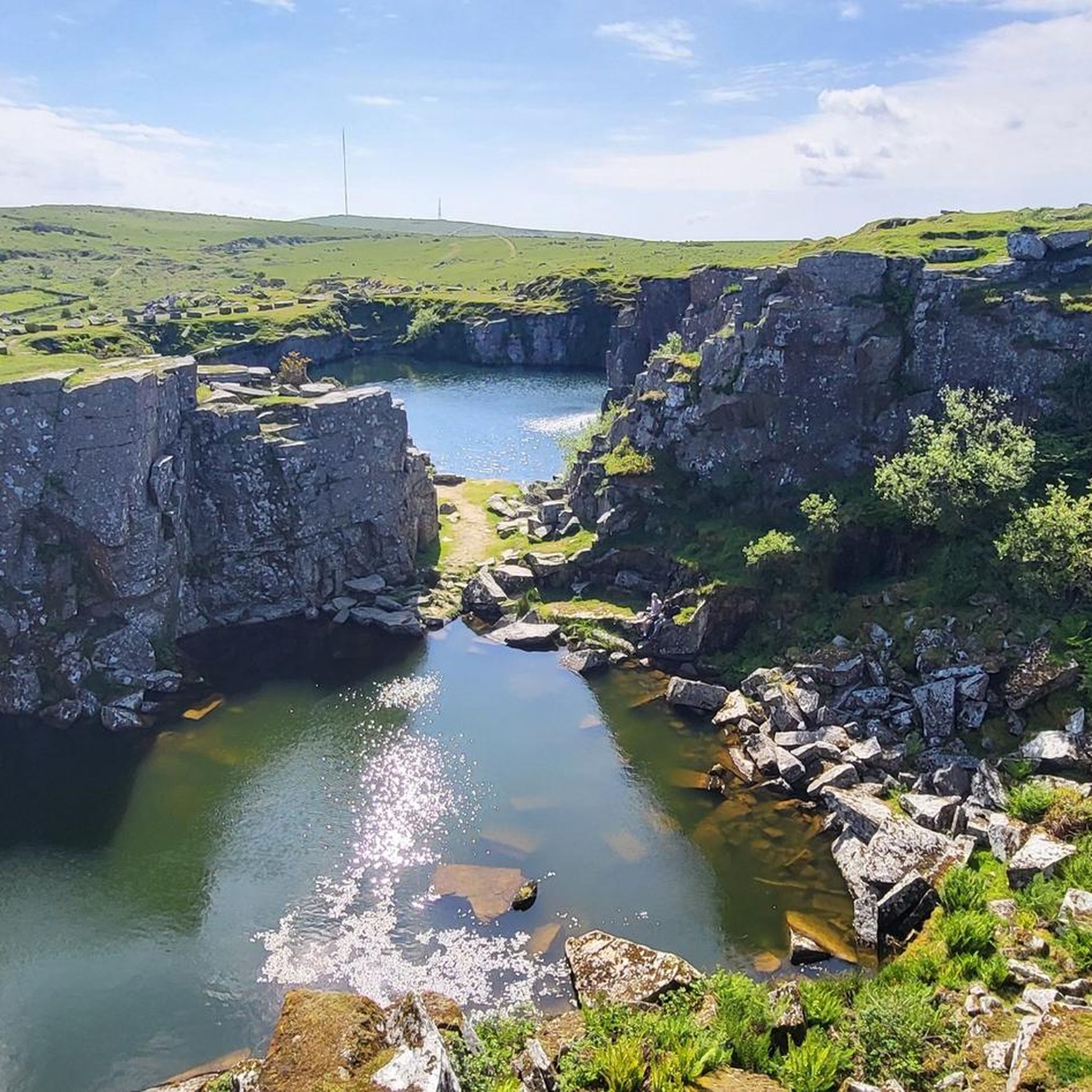
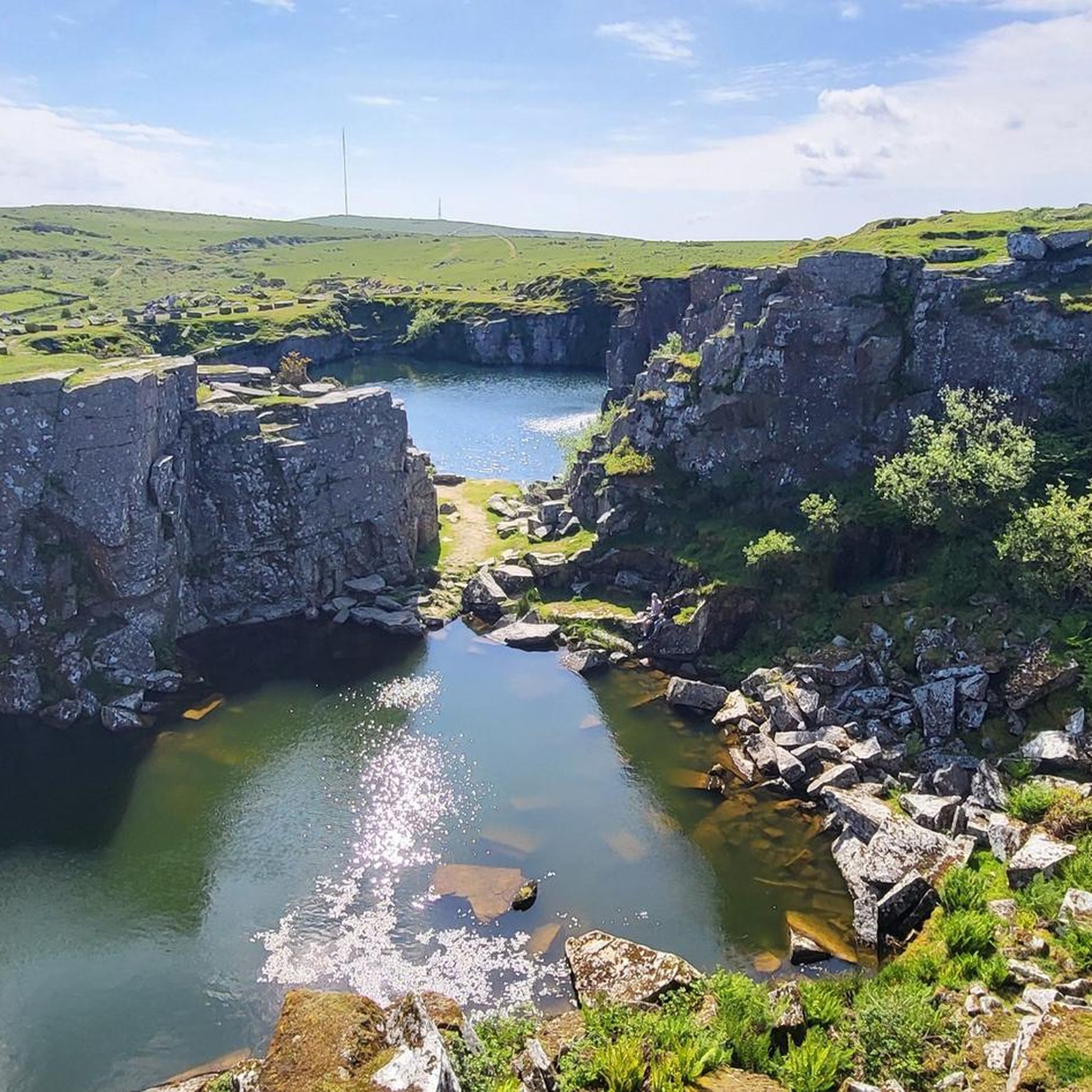
This landmark is located next to the Cheesewring Quarry (which provided the granite cladding for the structure of Tower Bridge in London) and is surrounded by other granite formations. In the late 19th century, this landmark was threatened with destruction due to its proximity to blasting operations, but was saved through local activism.
8
0
Three beautiful Neolithic or Early Bronze Age stone circles arranged in a line, a unique grouping in England. The Hurlers Stone Circles are probably the best examples of ceremonial circles in the South West. https://www.english-heritage.org.uk/visit/places/hurlers-stone-circles/
7
0


Kit Hill sits high above the Tamar Valley, overlooking the river and the valley it formed. The hill boasts a wide array of history, including 18 burial mounds, neolithic and bronze-age barrows, as well as pointers towards Cornwall's more contemporary mining history.
1
0

The Hurlers are three stone circles on the edge of Bodmin Moor. Legend has it that these were Cornish Hurler players, caught out on a Sunday and punished. They are thought to date to between 2,100 & 1,500 BCE.
0
0
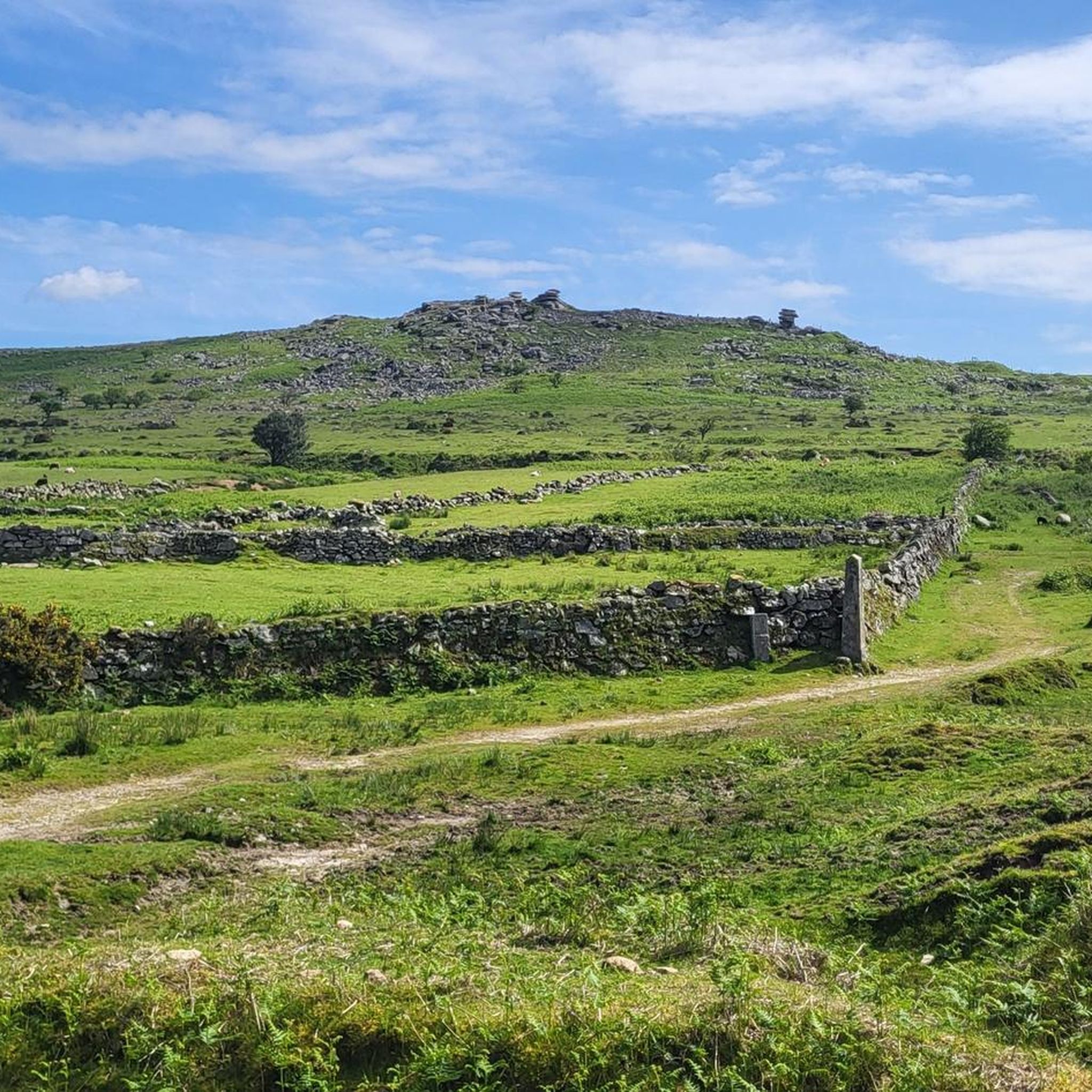
The Cheeswring is a granite tor on the south-east edge of Bodmin Moor. It's a naturally formed structure, although the local legends say it was formed in a contest between giants and saints. Granite from the quarry below was used to clad Tower Bridge.
0
0
Brown Willy at 420 m is the highest point in Cornwall. The rocky granite summit offers great views across Bodmin and over Rough Tor out to sea.
0
0
Frequently Asked Questions
What historical and archaeological sites can I explore in St. Cleer?
St. Cleer is rich in history. You can visit the ancient The Hurlers Stone Circles, believed to be petrified people from the Bronze Age. Other significant sites include King Doniert's Stone, two 9th-century cross slabs, and Trethevy Quoit, a striking Neolithic portal dolmen tomb. The village also features the historic St. Clarus Church and the St. Cleer Holy Well and Cross, a 15th-century wellhead with traditional healing properties. Remnants of the region's mining past, like the South Caradon Mining Site, are also visible.
Are there any unique natural formations to see around St. Cleer?
Yes, the area boasts several unique natural formations. The most famous is The Cheesewring, an immense pile of naturally stacked granite slabs resembling a cheese press. You can also visit Golitha Falls, a series of cascades where the River Fowey flows through Draynes Wood, designated a National Nature Reserve. Additionally, the rugged landscapes of Bodmin Moor, with its granite outcrops and vast expanses, offer stunning natural beauty.
What are the best viewpoints or summits for panoramic views in the area?
For breathtaking panoramic views, consider hiking to Brown Willy Summit, the highest point in Cornwall, offering views across Bodmin and over Rough Tor. Rough Tor itself is another excellent granite summit with great views. Further afield, Kit Hill Trig Point provides extensive views over the Tamar Valley.
Are there family-friendly attractions or activities suitable for children?
Many of the natural and historical sites are suitable for families, offering opportunities for exploration and learning. The Hurlers Stone Circles are an engaging historical site for all ages. Siblyback Lake offers various watersports and camping facilities, which can be a fun family outing. For more adventurous families, Adrenalin Quarry, a short drive away, provides activities like a large zip wire and cliff-top swing.
What outdoor activities, like hiking or running, can I do near St. Cleer?
St. Cleer is an excellent base for outdoor activities. You can find numerous hiking trails, including easy routes like the Siblyback Lake Trail or the Golitha Falls loop. For running, popular routes include the Hurlers and The Cheesewring loop from Minions. Mountain biking enthusiasts can also enjoy trails around Siblyback Lake. You can find detailed routes and guides for these activities at Easy hikes around St. Cleer, Running Trails around St. Cleer, and MTB Trails around St. Cleer.
Can I visit the historic St. Clarus Church and Holy Well?
Yes, St. Clarus Church, a Grade I listed parish church, dates back to around 800 AD with 13th and 15th-century additions. It features Norman stonework, a 13th-century font, and a 10th-century cross head in its churchyard. Nearby, the St. Cleer Holy Well and Cross is a Scheduled Monument with a unique 15th-century wellhead, traditionally believed to have healing properties. You can find more information about the parish council and local sites on the St. Cleer Parish Council website.
Are there any easy walking trails suitable for beginners or those seeking a gentle stroll?
Absolutely. The area offers several easy walking trails. The Siblyback Lake Trail is a gentle 4.7 km loop perfect for a relaxed walk. You can also enjoy easy loops around Golitha Falls or combine a visit to The Hurlers Stone Circles and The Cheesewring from Minions with an easy 6.4 km route. For more options, refer to the Easy hikes around St. Cleer guide.
What is the significance of Bodmin Moor to the St. Cleer area?
St. Cleer is located on the eastern edge of Bodmin Moor, a vast expanse of rugged moorland that significantly defines the region's character. The moor is an Area of Outstanding Natural Beauty, a Great Landscape Value area, and a Dark Skies Area. It's home to many of the area's ancient monuments, including the Hurlers Stone Circles and The Cheesewring, and offers opportunities to see wild ponies, cattle, and sheep.
Are there any hidden gems or less-known attractions worth discovering?
While many sites are well-known, exploring the wider Bodmin Moor can reveal less-frequented spots. The Craddock Stone Circle, a late Neolithic to early Bronze Age site, is a quieter alternative to the Hurlers. Additionally, the extensive remnants of the South Caradon Mining Site offer a glimpse into the region's industrial past, often explored on foot through the moorland.
What can I expect to see at Golitha Falls National Nature Reserve?
Golitha Falls is a stunning natural attraction where the River Fowey carves its way through Draynes Wood, creating a series of dramatic cascades and waterfalls. It's a National Nature Reserve and a Site of Special Scientific Interest, renowned for its diverse flora, including mosses and lichens, and wildlife such as otters. It's a popular spot for walks and enjoying the tranquility of nature.
Where can I learn more about the local heritage and history of St. Cleer?
To delve deeper into the local heritage, you can visit the various historical sites mentioned, such as St. Clarus Church, King Doniert's Stone, and Trethevy Quoit. The Cornwall Heritage website provides articles on St. Cleer's historic monuments, and the Cornwall Heritage Trust offers information on sites like St. Cleer's Well.
What is the best time of year to visit St. Cleer and its attractions?
The best time to visit St. Cleer and its attractions largely depends on your preferences. Spring and summer (April to September) offer milder weather, longer daylight hours, and vibrant landscapes, ideal for hiking and outdoor activities. Autumn brings beautiful fall colors to the woodlands, while winter can offer a stark, dramatic beauty to the moorland, though some paths may be muddy or challenging.
Most popular routes around St. Cleer
Most popular attractions around St. Cleer

Get inspired with the komoot mobile app


Explore more
Still not found the Highlight you’re looking for? See guides of the top attractions in other regions:
